
I Hate Self Tapes!
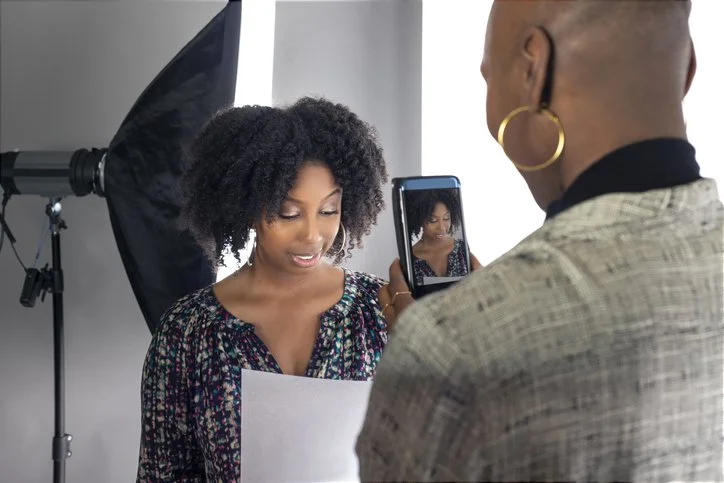
Guest Columnist: Acting Coach Karen Maseng
As a coach and a casting director, I’ve come across many actors who dread self-tape auditions. Some will actually turn down an audition if it’s a self-tape. Honestly, I just can’t believe any actor would waste such an opportunity.
I've auditioned actors in person for well over 20 years and I get why actors love it. But the reality is that self-tapes save production a lot of time and money. The new normal is a hybrid of self-tapes, virtual auditions and in-person auditions and I suspect it's here to stay. Actors who are serious about their career must learn how to feel comfortable auditioning in ANY environment. This will only benefit their work because it will force them to become more focused and resourceful.
So what’s to love about self-tapes?
I personally think that self-tapes give you an incredible opportunity to be creative, take your time and audition in a space that is far more relaxed and intimate than the audition room could ever be. That intimacy, that familiarity can produce a unique audition that will help you stand out from the crowd.
I know that many actors have roommates and very limited space to play with, but with a little bit of imagination and ingenuity you can create a nice little area for your self-tape auditions. Invest in a frame that can be put away easily. Buy several backdrops to see which one is more complementary. Play with lighting until you find the perfect setup. You can create a set in-front of, around and behind your camera to help you get into the world of the scene AND you get to pick your scene partner. Self-tapes are the only audition situation where you have a say in who you’ll be reading with and where you’ll be doing it. This is where your support network of fellow actors can be incredibly beneficial.
When you have an audition at a casting facility, a studio or an office, you have to get in the car, get stuck in traffic, look for parking spaces and pay a fortune for parking that might be blocks away from where you need to be. Once you get to the audition, the lobby is a great place to meet fellow actors and catch up but that could be very distracting and disrupt your preparation. In some instances, you might be intimidated by the talent you see waiting to go in, which could cause you to second guess yourself and lose your confidence. Other times you might be stressed because casting is way behind schedule and you’re worried about being late for another audition across town.
Once you get into the audition room, if you’re lucky, the person auditioning you is wonderful and gets a great audition out of you. But there are those times when the casting director or their associate might be unapproachable, distracted, humorless or stressed for a variety of reasons. And you can bet that most of the time the person you’ll be reading with is not an actor.
None of that to worry about when you're doing a self-tape audition. So, you could complain about having to work harder for your auditions these days or you could get to work learning how to love the self-tape. It might take a little time and practice, but the payoff is worth it!
Karen Maseng is a Portland-based acting coach with decades of experience as an actor, casting director and educator. Learn more about her unique approach to acting education here.
Shooting Stars : Claire Dailey
Our Shooting Stars feature returns with a collection of images of we’ve shot over the past few years with the inimitable Claire Dailey (and the stories behind the scenes).
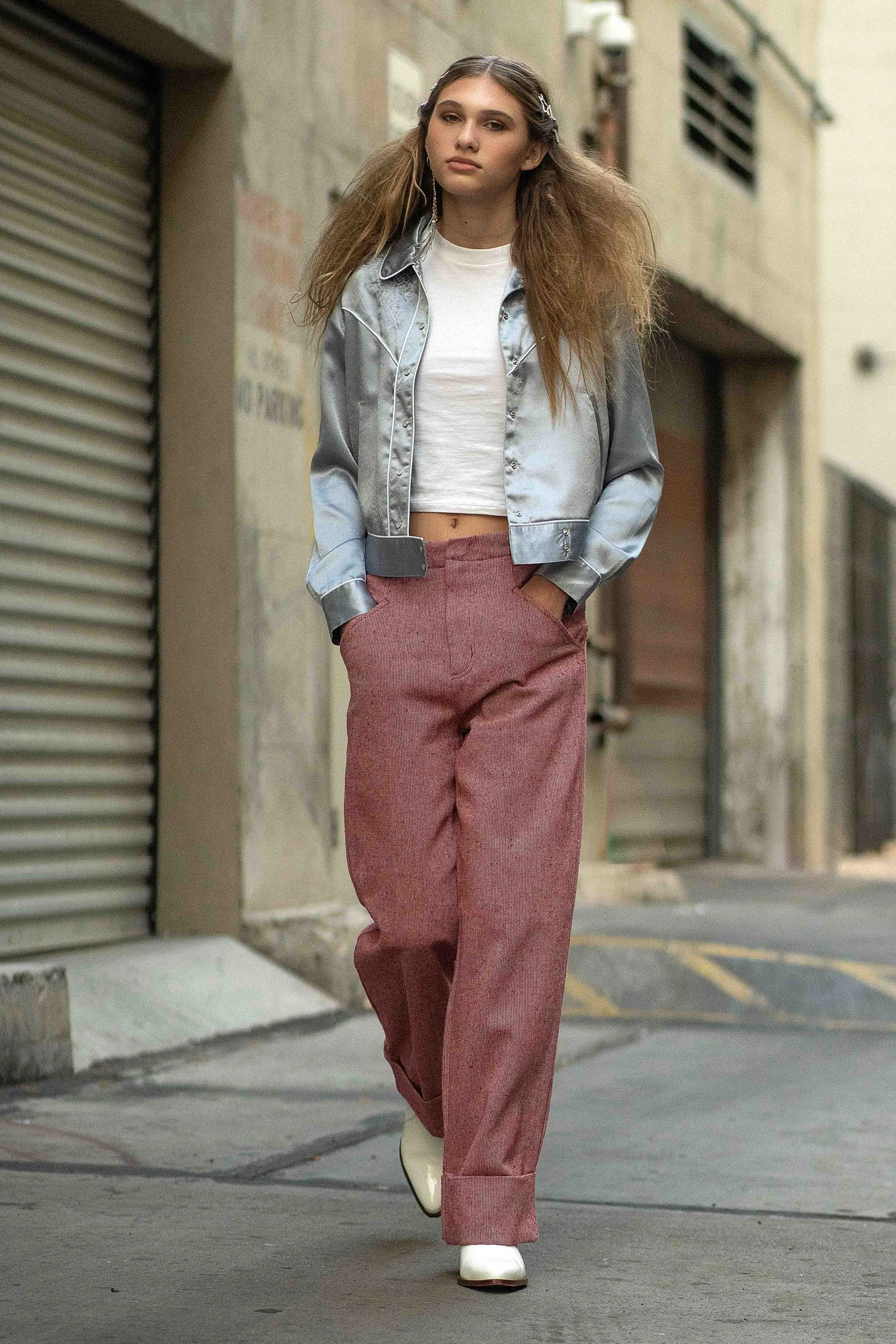
We take pride in the fact we can make an amazing photograph almost anywhere, from our kitchen table (see here) to the parking lot of a Starbucks. Or, in the case of the image on the right, the parking lot of the Phoenix Convention Center, on a Sunday morning, with the sun bouncing off the hotel across the street.
It’s the first of several “model off duty” looks we did with Claire this past fall that included the classic “Levi’s and lattes” and cute some shots of her wearing a bow-tie and Chuck Taylors.
The look below was done much later in the day, at a place called Papago Park, which features a gigantic rock that people climb to watch the sunset. We preferred to stay closer to the ground and take advantage of the setting sun for some wonderful fashion images.
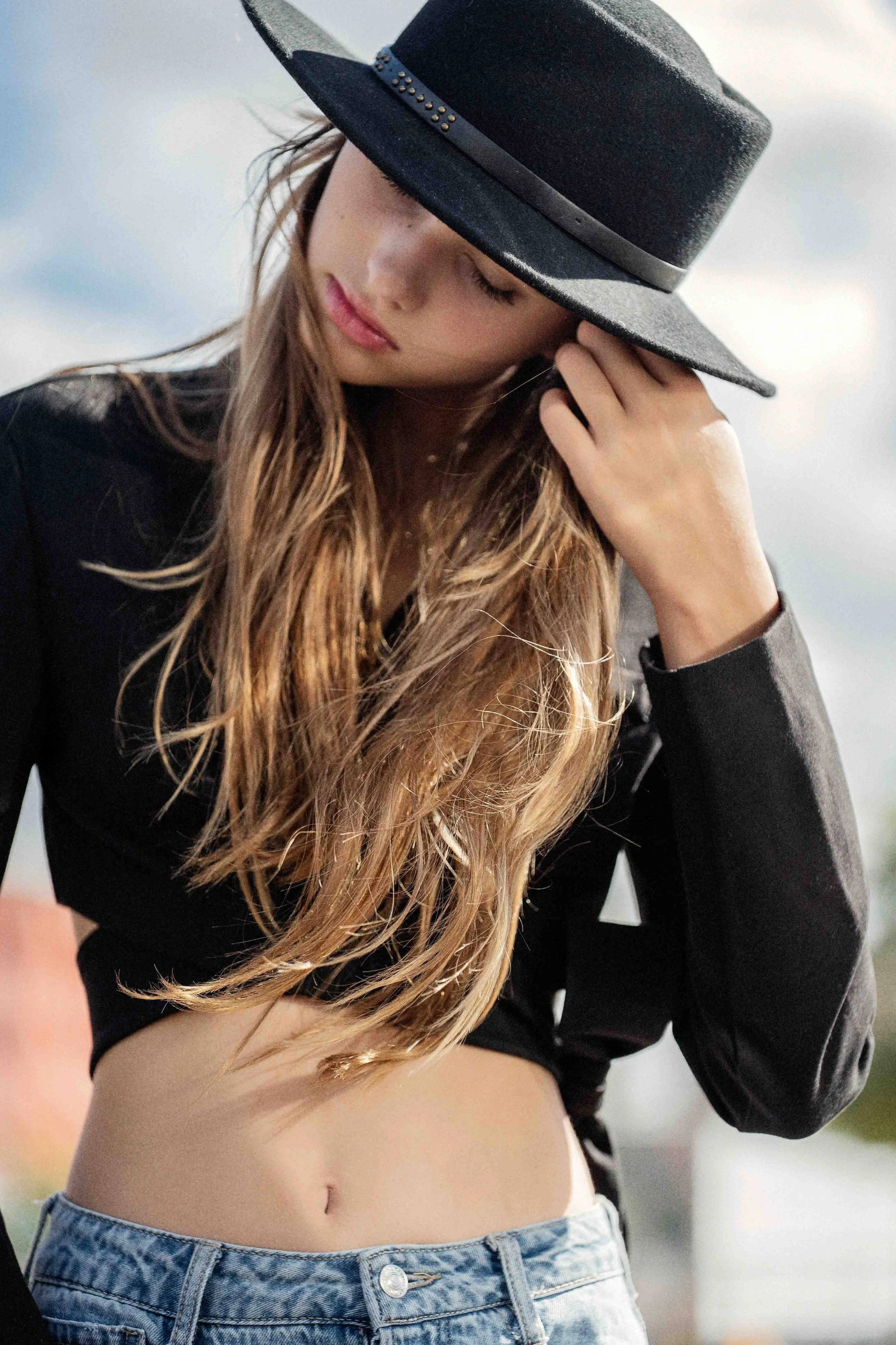
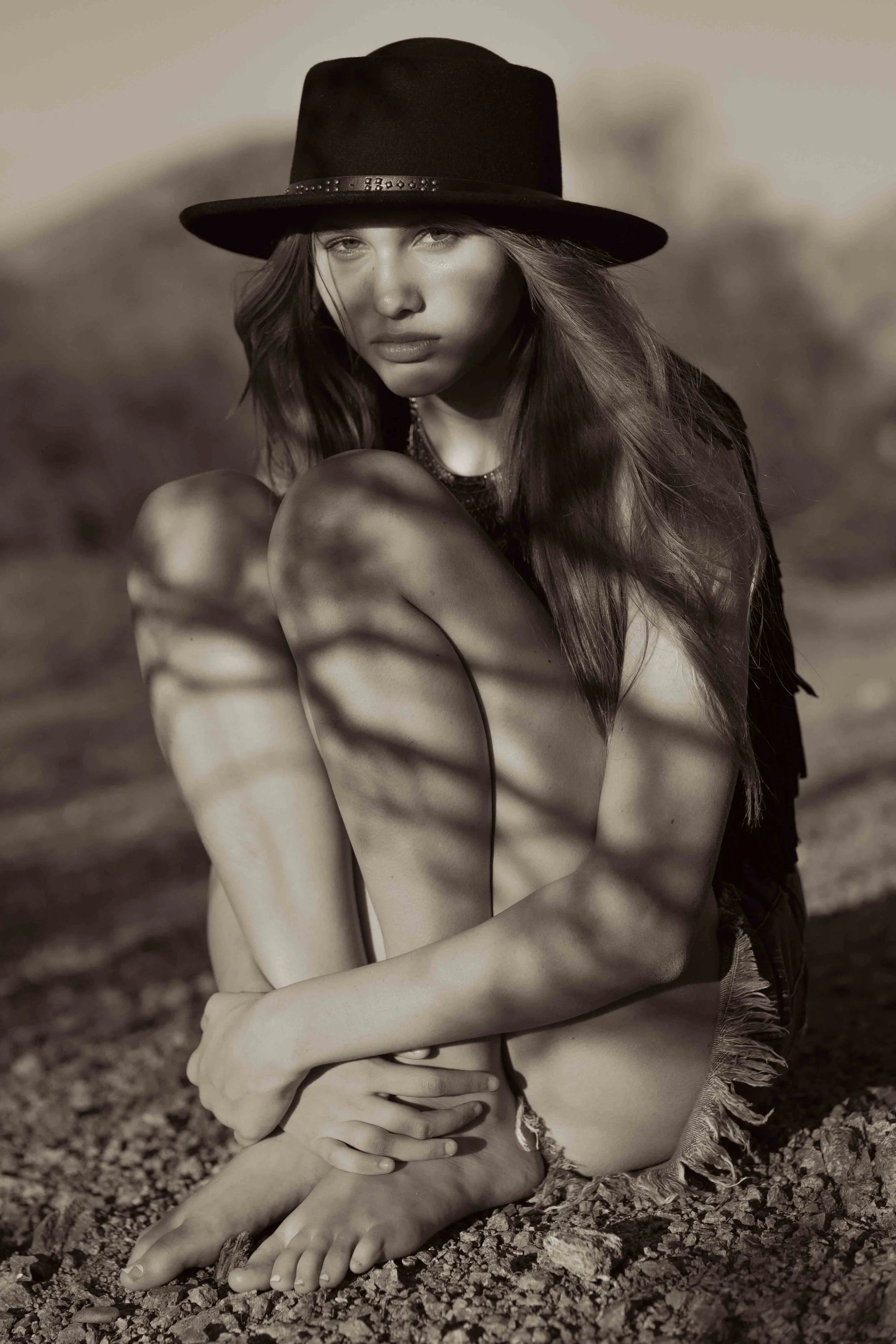
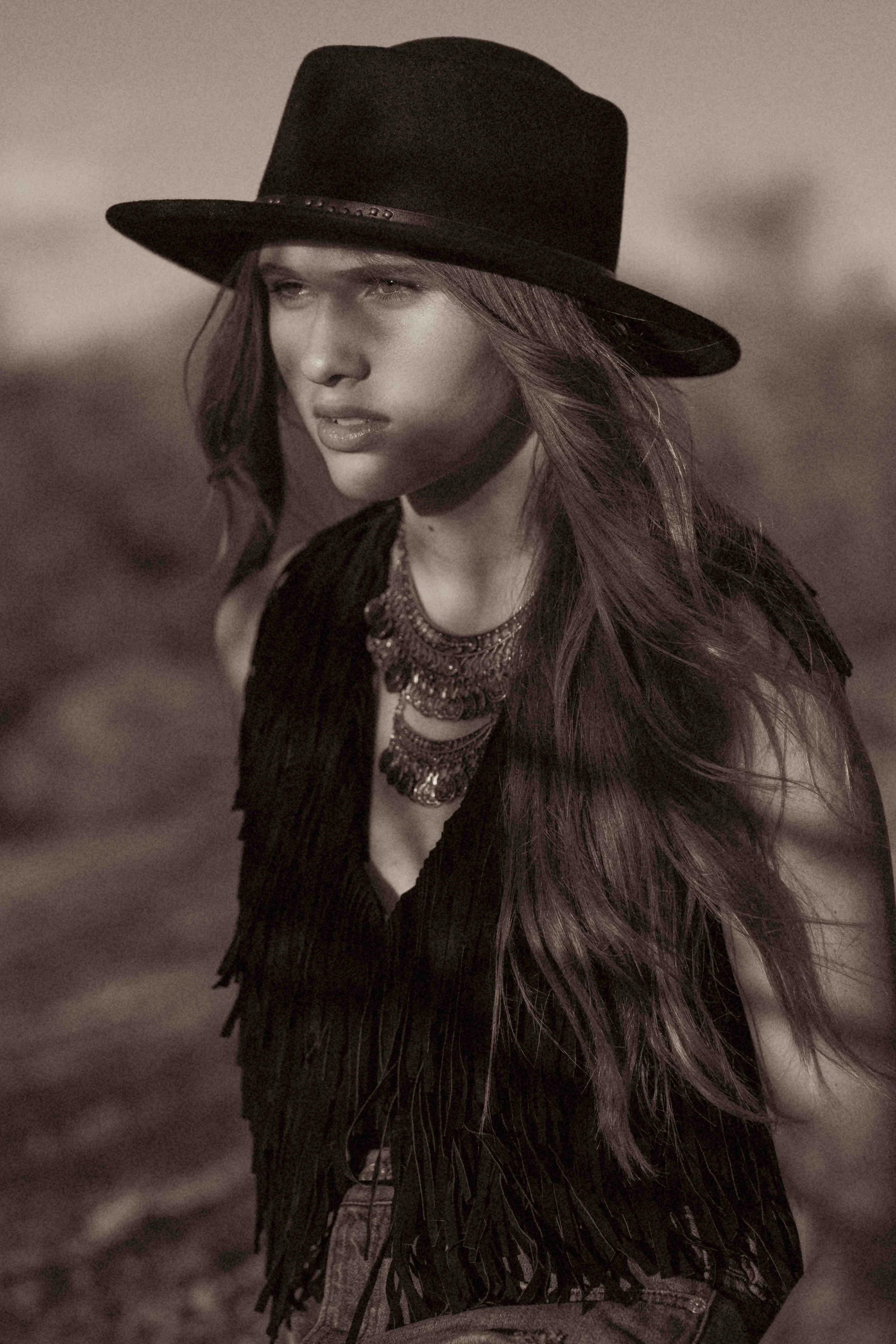
The images below were also taken quite spontaneously, in and around Claire’s neighborhood. The one on the left was taken next to the pool at her neighbor’s house across the street. We were hoping for her to hang 10 on the fake surfboard, while we made fake waves in the pool, but figured that we’d need fake water to make that happen.
The image on the right was taken on her next door neighbor’s patio, after spending about 20 minutes trying to break into his house. (OK, so he did give us the door code; it just didn’t work.) It just goes to show that when you have great clothes, a beautiful model, some soft light (and the correct door code), you can make an amazing picture.
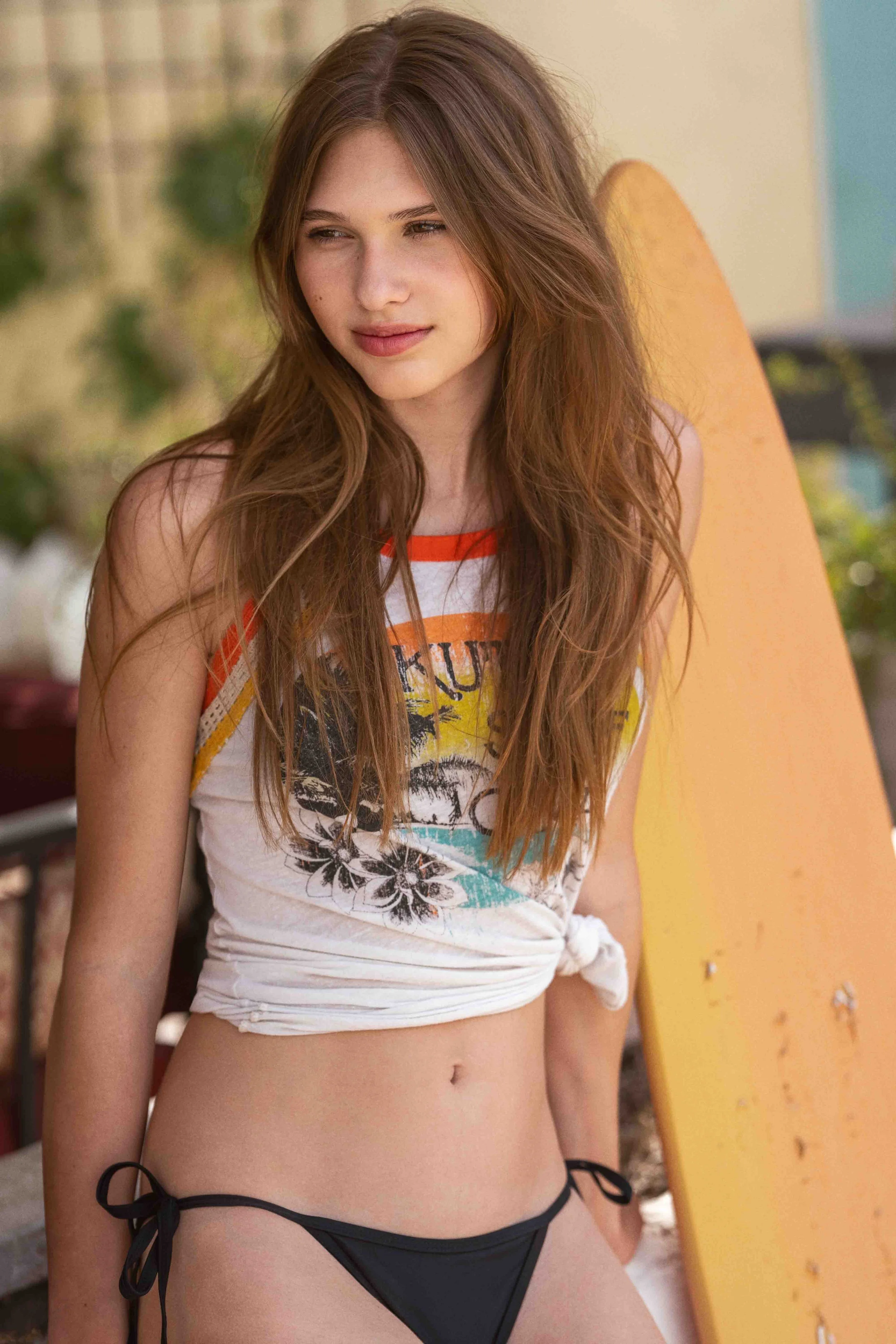
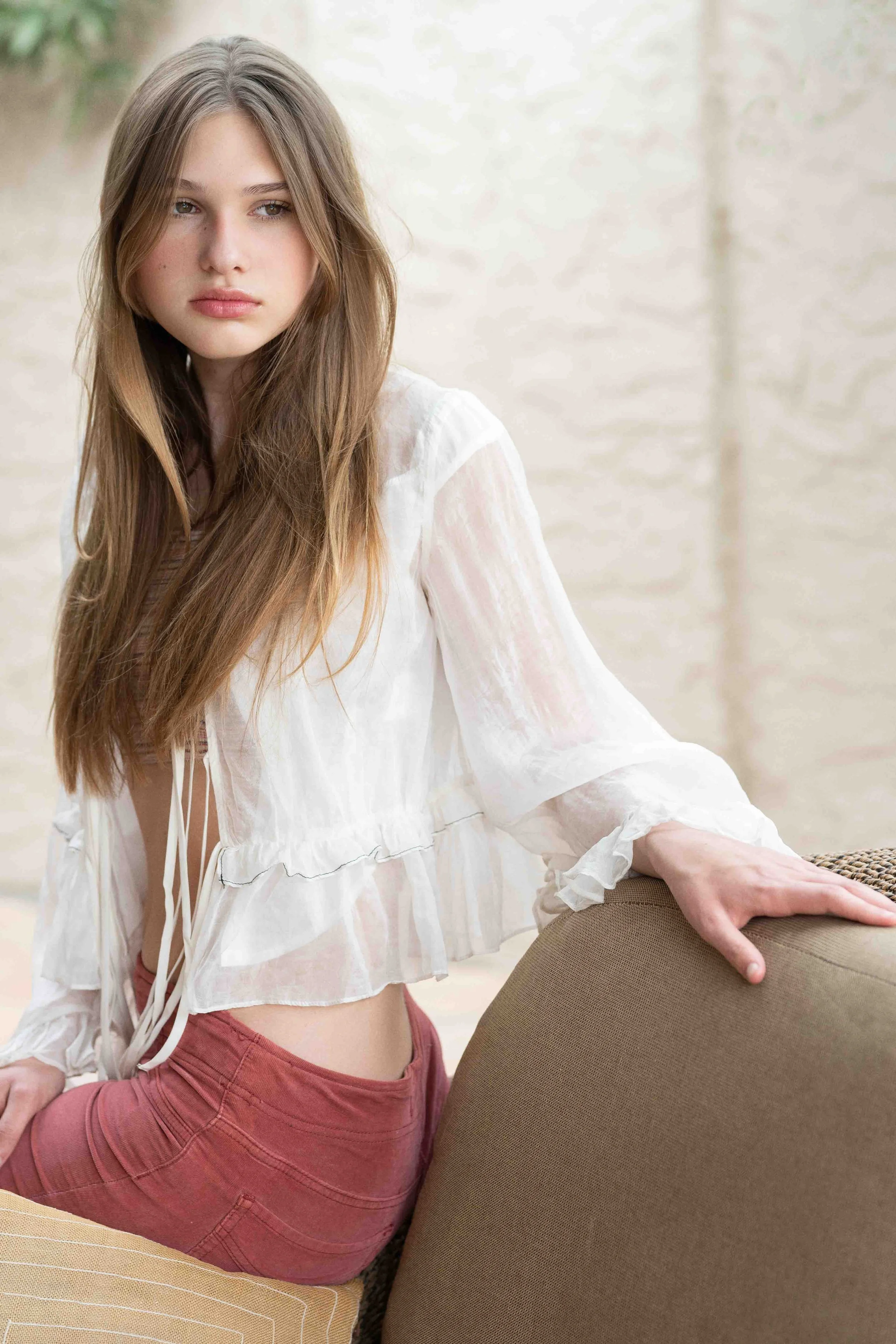
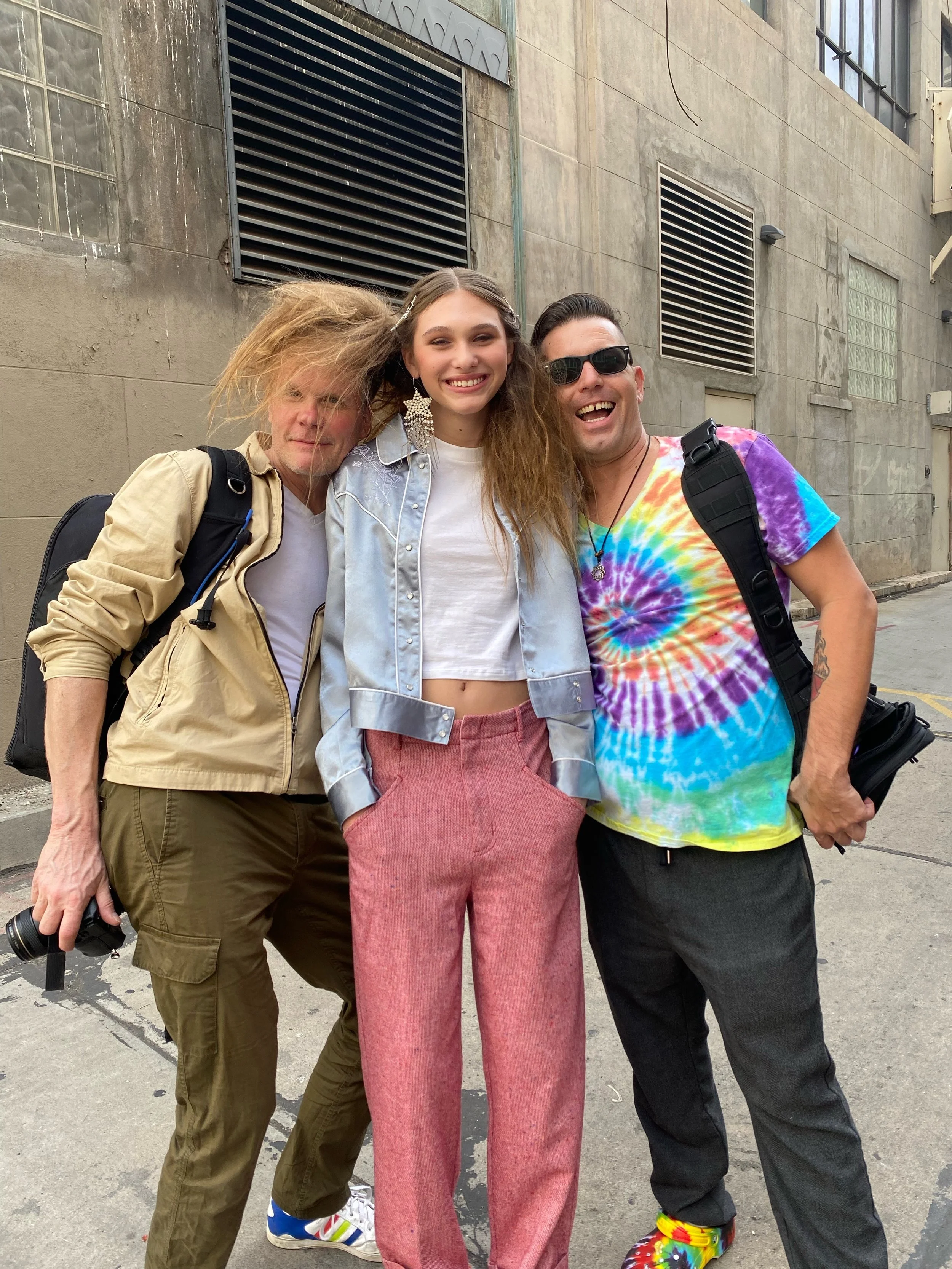
Sometimes we actually do go on location, which is what we did for this shoot from a year or so ago. The photo to the right was captured in about 60 seconds, which is about how much time Claire’s Mom and our hair and makeup stylist, James, could distract the hotel security guard before he kicked us out of the lobby.
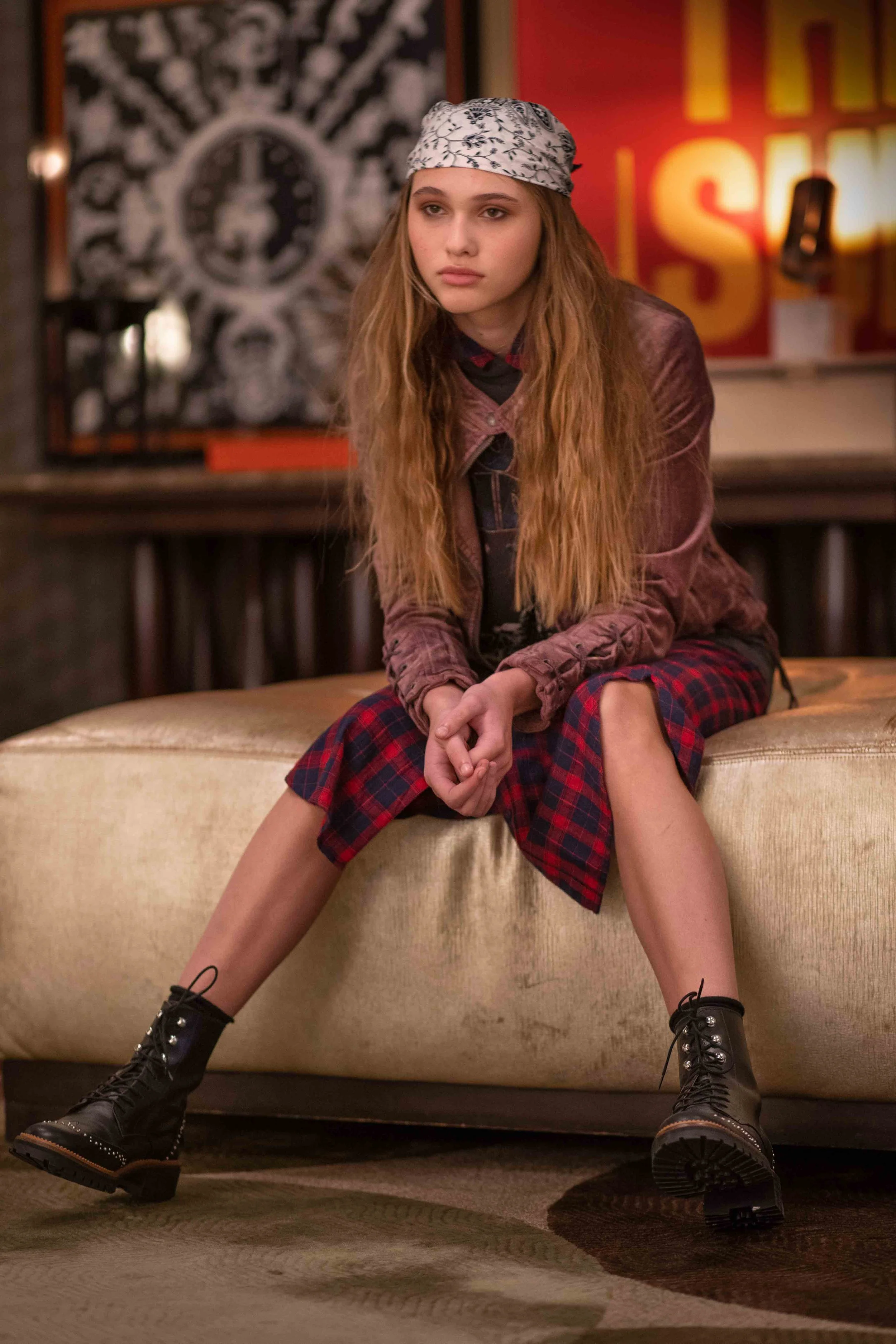
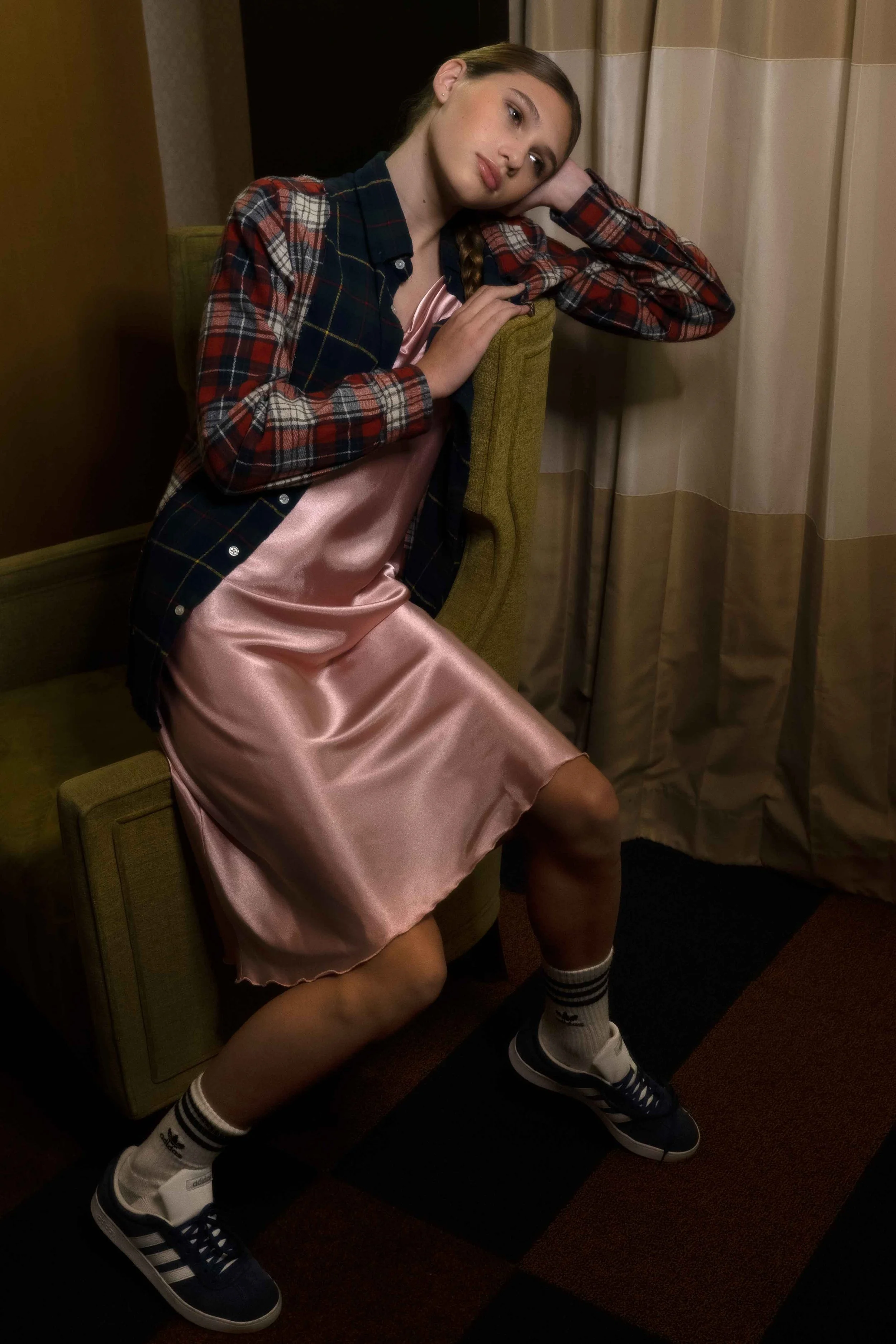
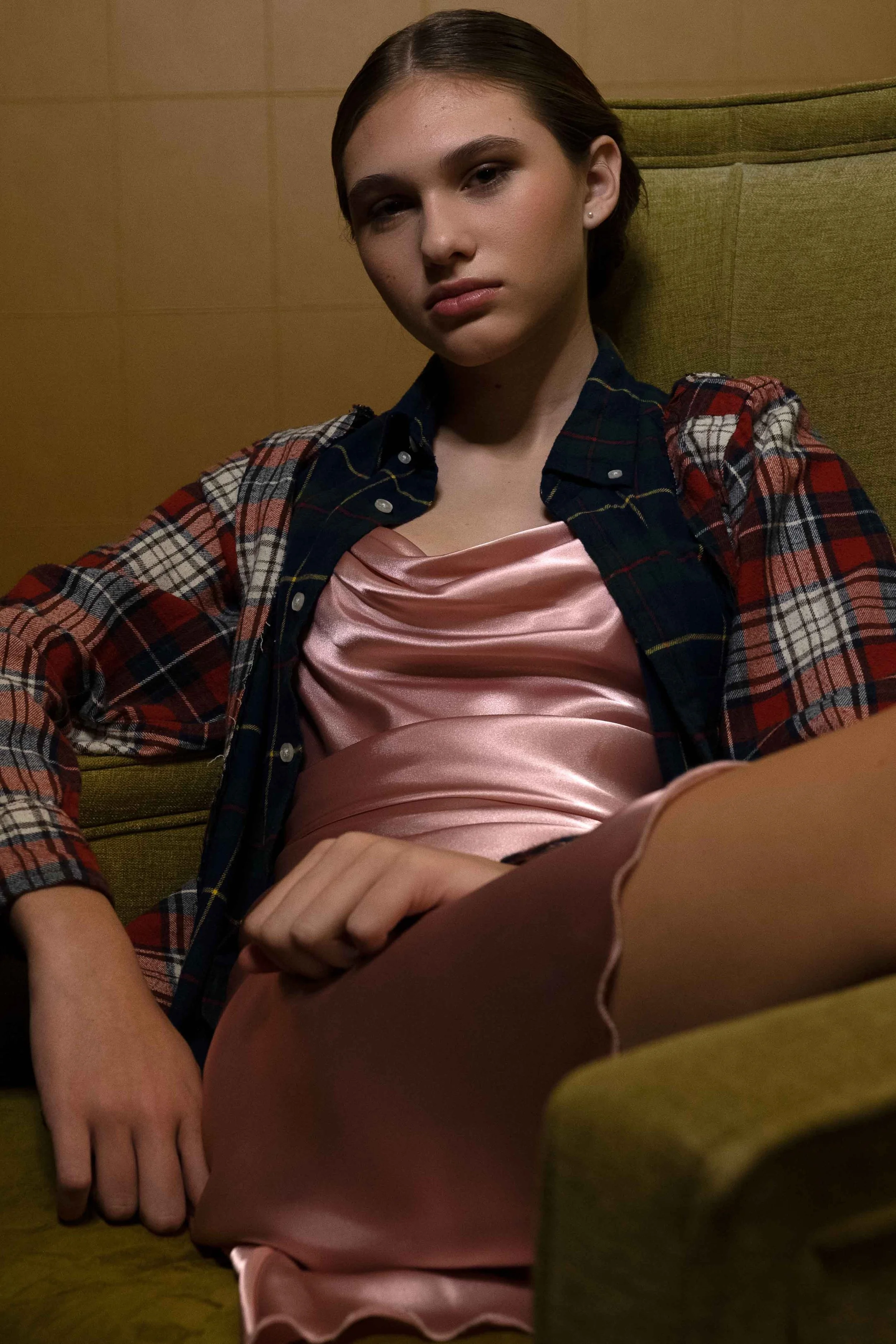
The pictures below we actually took in the hotel room where we were preparing for the shoot. We grabbed James’ ring light, moved a little furniture and captured this wonderfully casual fashion image, complete with the grungy plaid and the, of course, Chucks.
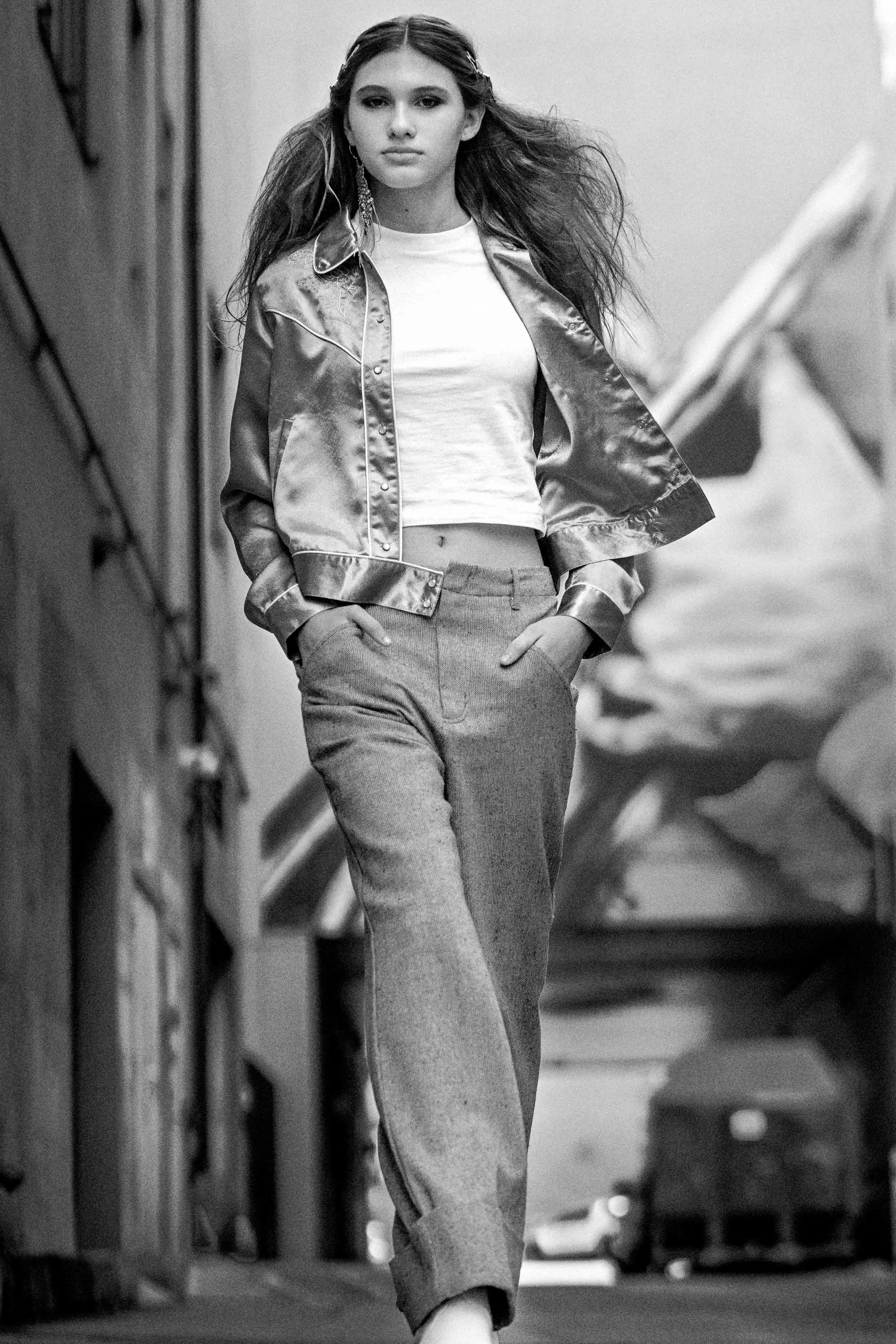
The bottom pair are, in case you didn’t figure it out, inspired by David Bowie. We whipped up enough hair for three girls with this one.
Michael Verity is a former newspaper photojournalist who has created headshots and modeling portfolios in the Portland, OR and Vancouver, WA area since 2008. Working from his studio on 11 acres outside Vancouver, he has photographed more than 2,000 actors, models, creatives and business professionals and is recommended by Portland’s leading talent agencies.
PORTLAND INDUSTRY INSIDER: An Exclusive Interview with Kristina Haddad of The Actor's Lab
In this episode of Portland Industry Insider, Michael talks with acting coach Kristina Haddad of The Actor's Lab about the one true thing every actor needs to know (along with a few other great insights). Kristina is a 20-year veteran of the acting industry and a coach at The Actor's Lab in Portland, OR.
Want more information about the industry in the Pacific Northwest? Check out this interview with Portland agency owner Kit Just of The Option Agency.
Michael Verity is a former newspaper photojournalist who has created headshots and modeling portfolios in the Portland, OR and Vancouver, WA area since 2008. Working from his studio on 11 acres outside Vancouver, he has photographed more than 2,000 actors, models, creatives and business professionals and is recommended by Portland’s leading talent agencies.
How To Prepare for a youth Headshot Session
As a parent, you want to make sure your child’s headshot session is a success. A good headshot can open doors for your child in the future, whether it’s for modeling work or as an actor. To ensure your child’s headshot session goes smoothly, here are some tips for preparation.
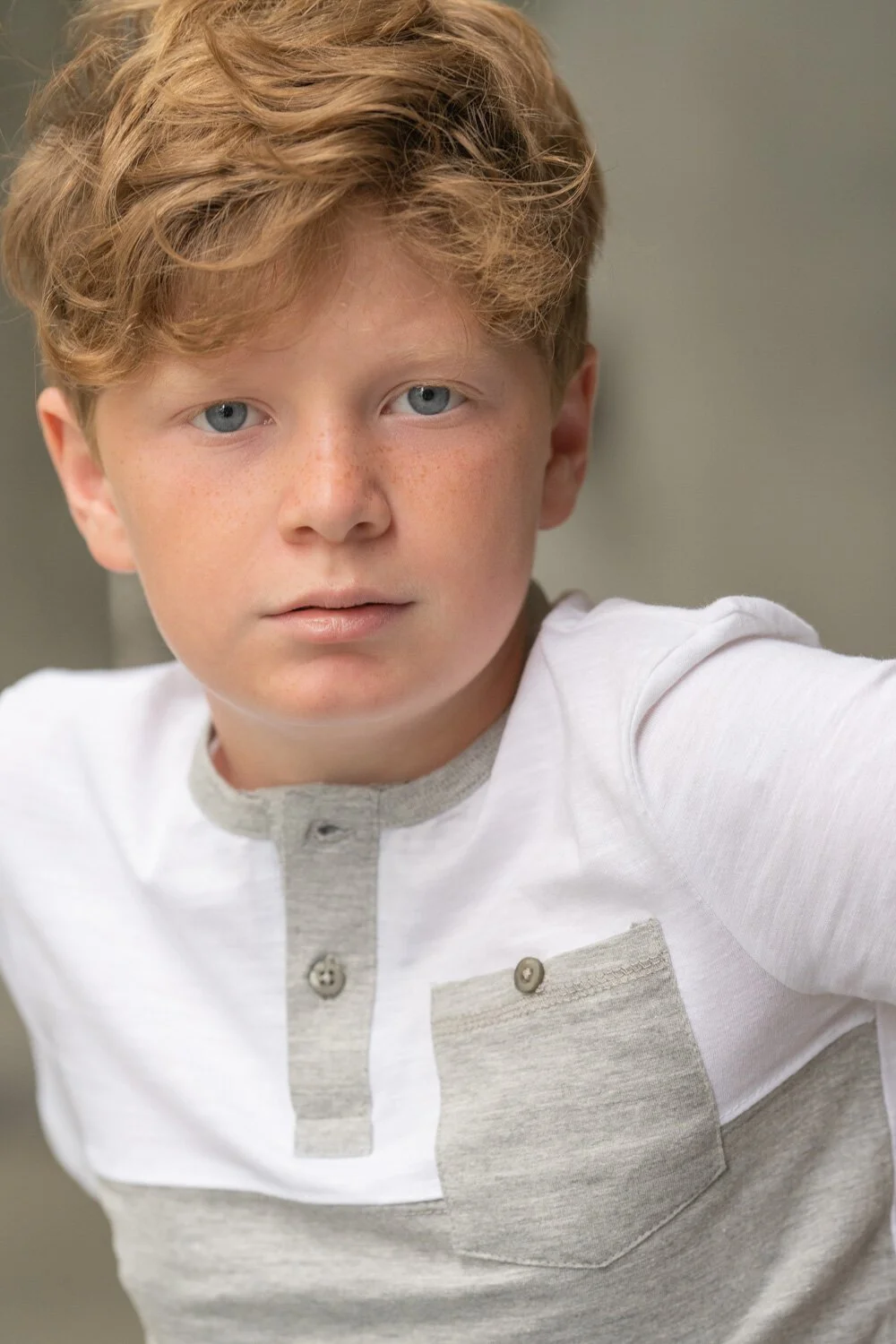
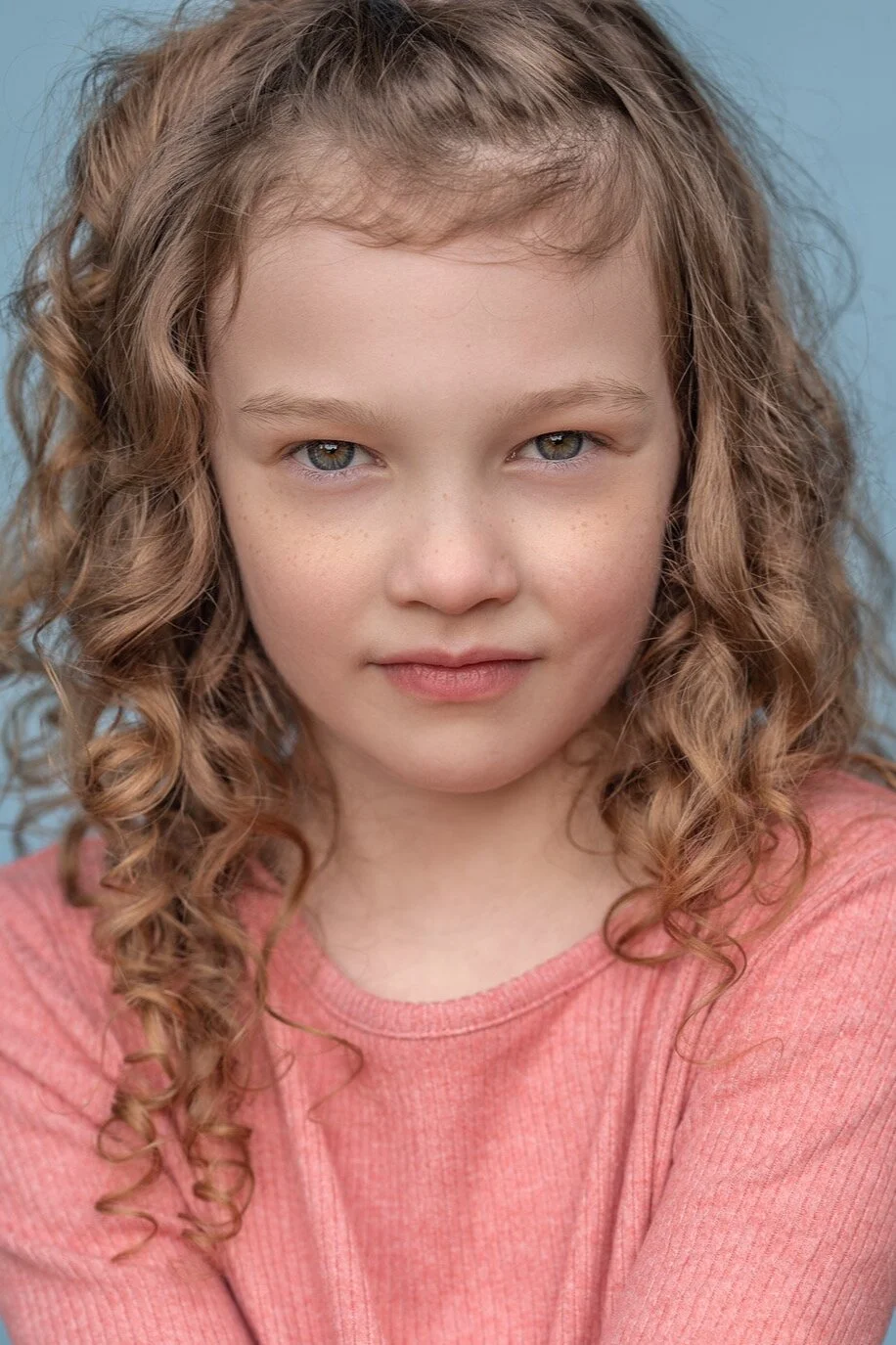
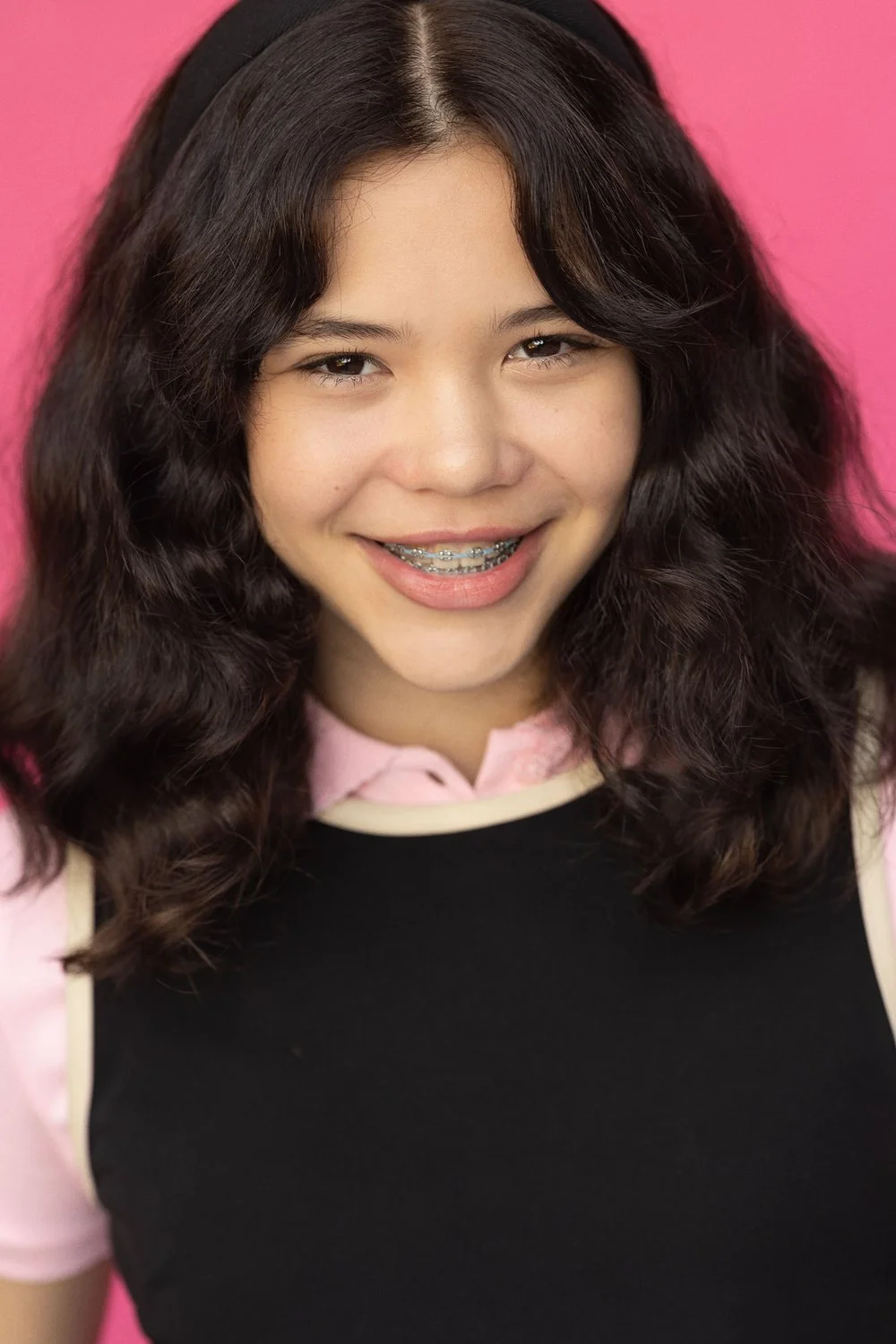
Dress for success – Choose clothing that is simple, timeless and fits well. Avoid anything too busy or distracting, such as patterns, logos or large accessories. A neutral color palette is usually best but you can add a pop of color. Keep in mind that the focus should be on your child’s face so make sure their clothing does not overpower their features and goes with with their eyes and complexion. Portland agencies and casting directors have specific preferences for kids headshots so make sure your photographer is connected with the industry and knows what’s needed.
Hair and makeup – Your kid should have a fresh haircut a week or so before your shoot and their hair should be styled appropriately for the headshot session. If they have long hair, make sure it is styled neatly and out of their face.
As for makeup, most agencies and casting directors want to see no makeup on kids under 12. If your kid is closer to teenage than toddler, a bit of makeup may be OK. But it should be minimal: a light touch of powder, lip balm and a bit of mascara can help enhance their features. As with clothing, make sure you photographer is experienced with kids headshots and knows what the acting and modeling industry in Portland want to see.
Give your child time to warm up – Children can be nervous in front of a camera, especially if they’ve never had a professional photo shoot before. Get to the session early and give them time to adjust and get comfortable before starting the session.
Consider your child’s personality – It’s important to remember that your kids headshot should reflect their unique personality. It’s important kids know they are accepted as they are from the very first minute of the session, that a quiet kid won’t be expected to jump around, that an energetic kid’s not expected to be quiet. Eventually, the shy kid will “warm up” and the excited kid will “cool down” and a full range of their personality will show in the pictures.
Set realistic expectations – Children are children and they may not be exactly as as you’d like them to be. Pay attention to the previously paragraph and trust your photographer to make things work.
Research photographers – Not all photographers are created equal. Before booking a session, research photographers in your area and look at their portfolio to see if their style is a good fit for you and your child. Make sure you understand what the session fee includes and what to expect from the photographer.
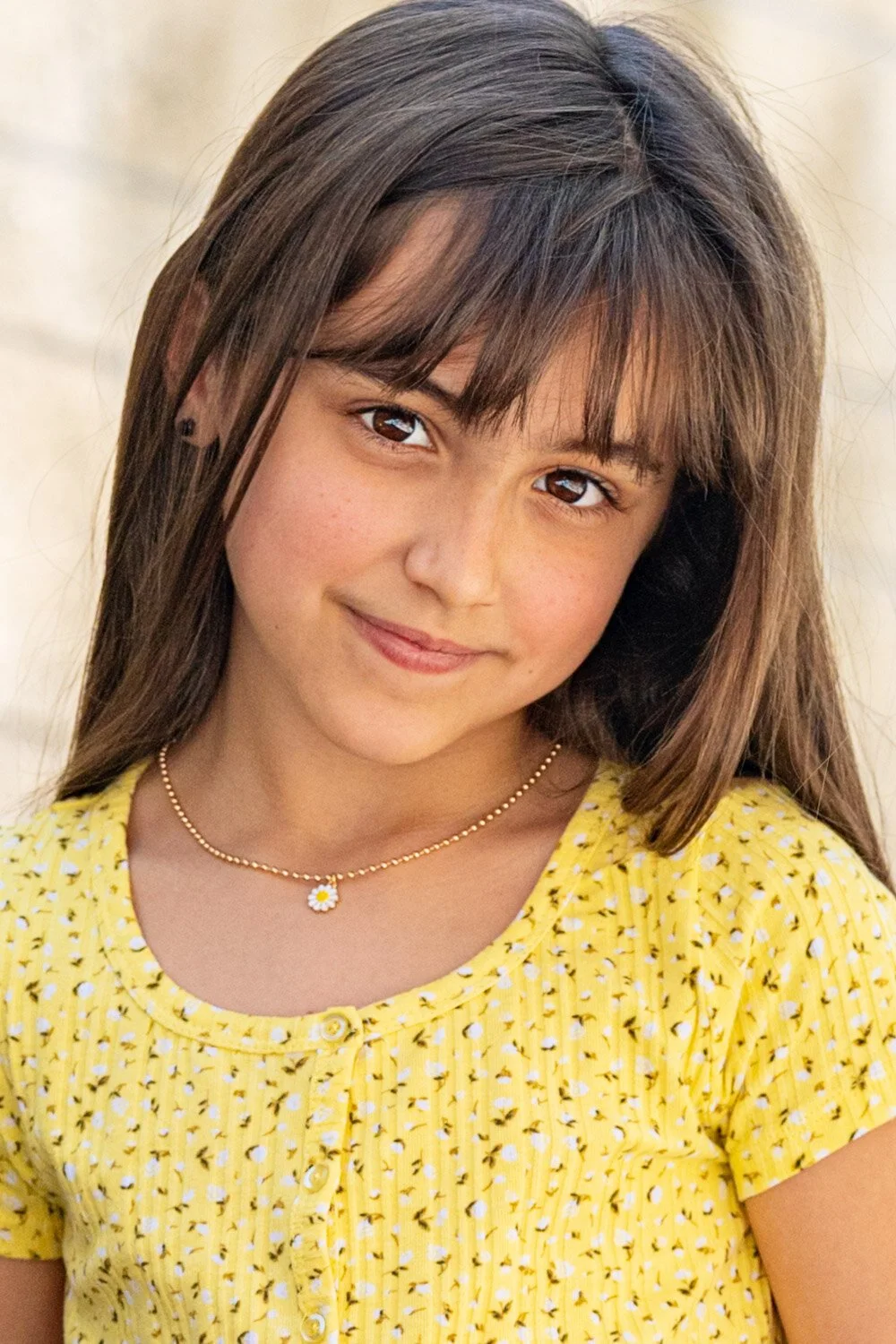
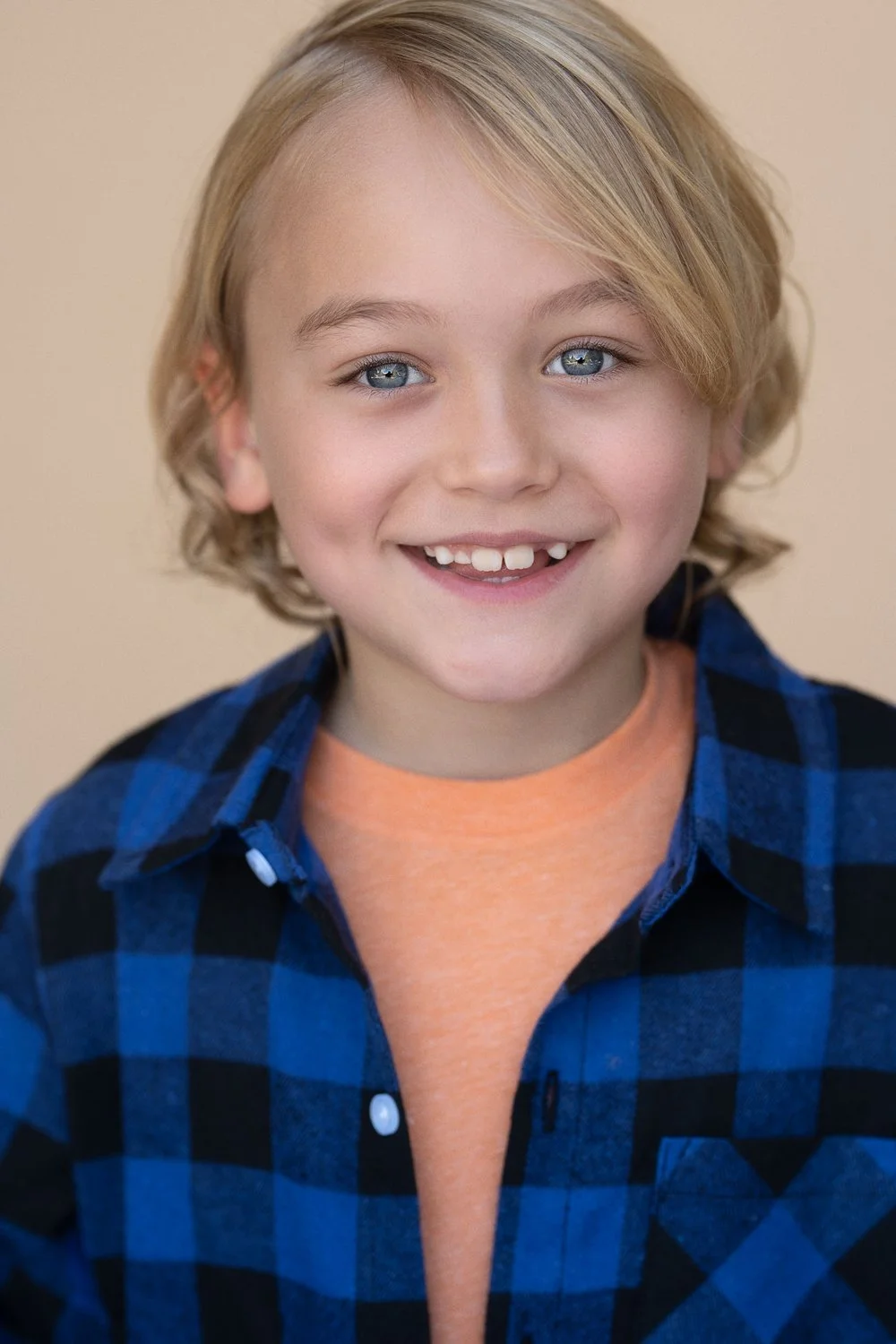
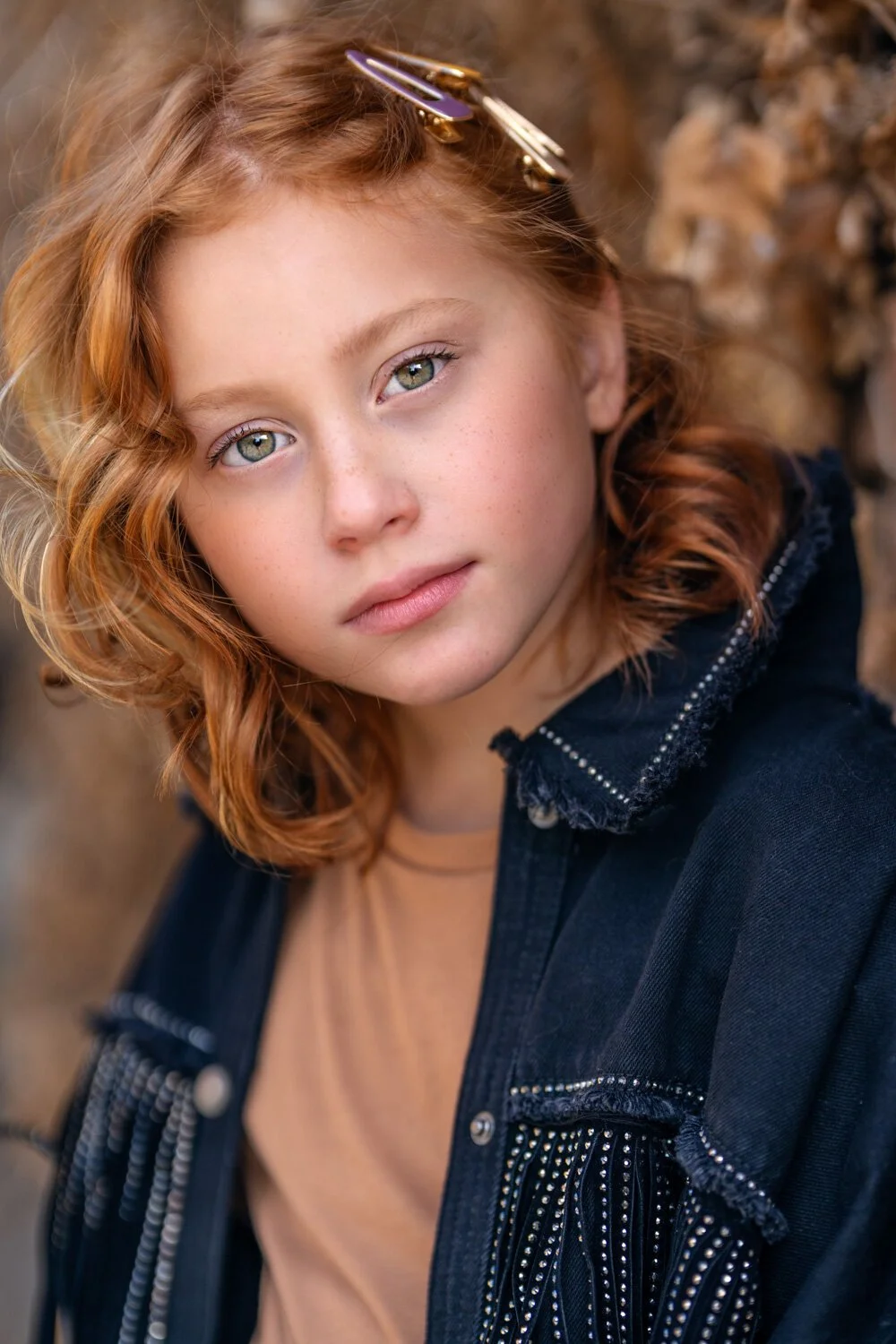
Plan ahead – Make sure you have a schedule and arrive on time for the session. Being on time will help reduce stress and make sure your child has enough time for the session
Be positive – Your child will look to you for cues on how to act and feel during the session. Encourage them, tell them how proud you are of them and be positive throughout the session.
After the session – Once the session is over, it’s important to be patient as the photographer edits and retouches the images. You may see a preview within a few days or a week but the final images can take longer. Once you receive the images, choose the ones that best fit the needs of the industry and use them to create a portfolio.
Follow these 9 steps as you work with your photographer to ensure you get a great kids headshot.
Michael Verity is a former newspaper photojournalist who has created headshots and modeling portfolios in the Portland, OR and Vancouver, WA area since 2008. Working from his studio on 11 acres outside Vancouver, he has photographed more than 2,000 actors, models, creatives and business professionals and is recommended by Portland’s leading talent agencies.
PORTLAND INDUSTRY INSIDER: An Exclusive Interview with Kit Just of The Option Agency
Our January 2023 edition of Portland Industry Insider features an interview with industry veteran and co-owner of The Option Agency, Kit Just. In this episode Michael and Kit discuss child acting and modeling. Is your kid a good fit for the industry? How do you prepare your kid for an audition? What the upsides (and downsides) of the child acting and modeling industry? Learn all that and more in this video.
Want more information about the industry in the Pacific Northwest? Check out this interview with Portland casting director Lori Lewis of Free Spirit Casting.
Michael Verity is a former newspaper photojournalist who has created headshots and modeling portfolios in the Portland, OR and Vancouver, WA area since 2008. Working from his studio on 11 acres outside Vancouver, he has photographed more than 2,000 actors, models, creatives and business professionals and is recommended by Portland’s leading talent agencies.
PORTLAND INDUSTRY INSIDER: An Exclusive Interview with Casting Director Lori Lewis
Our winter edition of Portland Industry Insider features a new interview with our longtime friend and Portland casting director Lori Lewis. In this edition of PII, we talk about the current challenges and exciting opportunities for actors in a world where self-tapes are the norm and in-person auditions may be gone, pretty much, forever.
Michael Verity is a former newspaper photojournalist who has created headshots and modeling portfolios in the Portland, OR and Vancouver, WA area since 2008. Working from his studio on 11 acres outside Vancouver, he has photographed more than 2,000 actors, models, creatives and business professionals and is recommended by Portland’s leading talent agencies.
7 Headshot Looks to Include in Your Portfolio
In Portland, commercial bookings are the bread and butter of most working actors. For that reason, agencies will tell you a strong commercial headshot should be the core component of your portfolio. And we definitely agree!
We also know depth doesn’t hurt and, especially if you’re planning to expand outside the Portland market, having some additional looks in your book is a good idea.
Here’s a brief check-in on what a well-rounded headshot portfolio looks like:
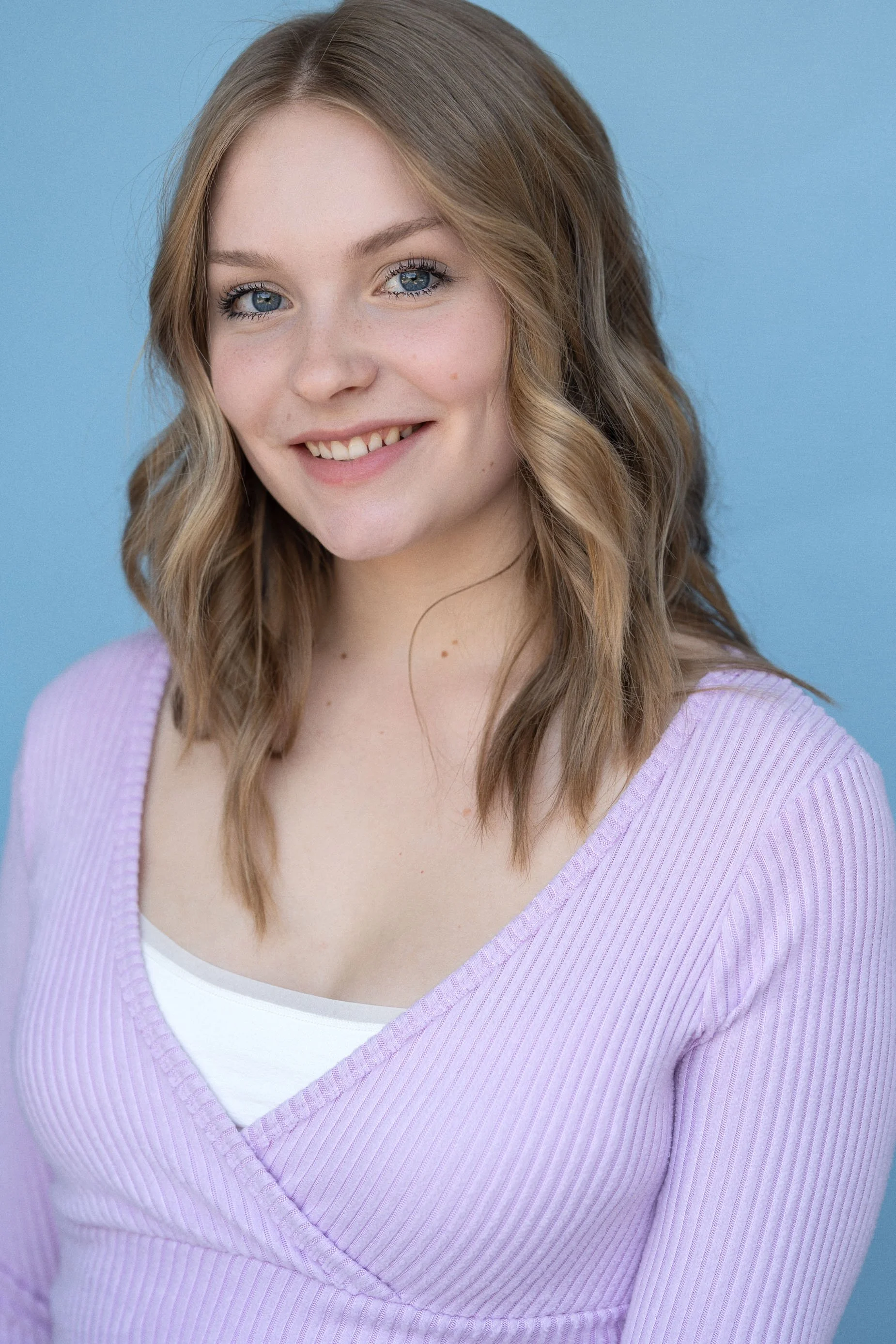
Commercial
Commercial looks are bright and shiny and colorful and happy. You’re selling yourself as someone who can sell a product. Clothing is simple, smiles are big and eyes are bright. It all about “selling cereal and cell phones,” as we tell our clients, and this look is indeed your most important look when working in the Portland market.
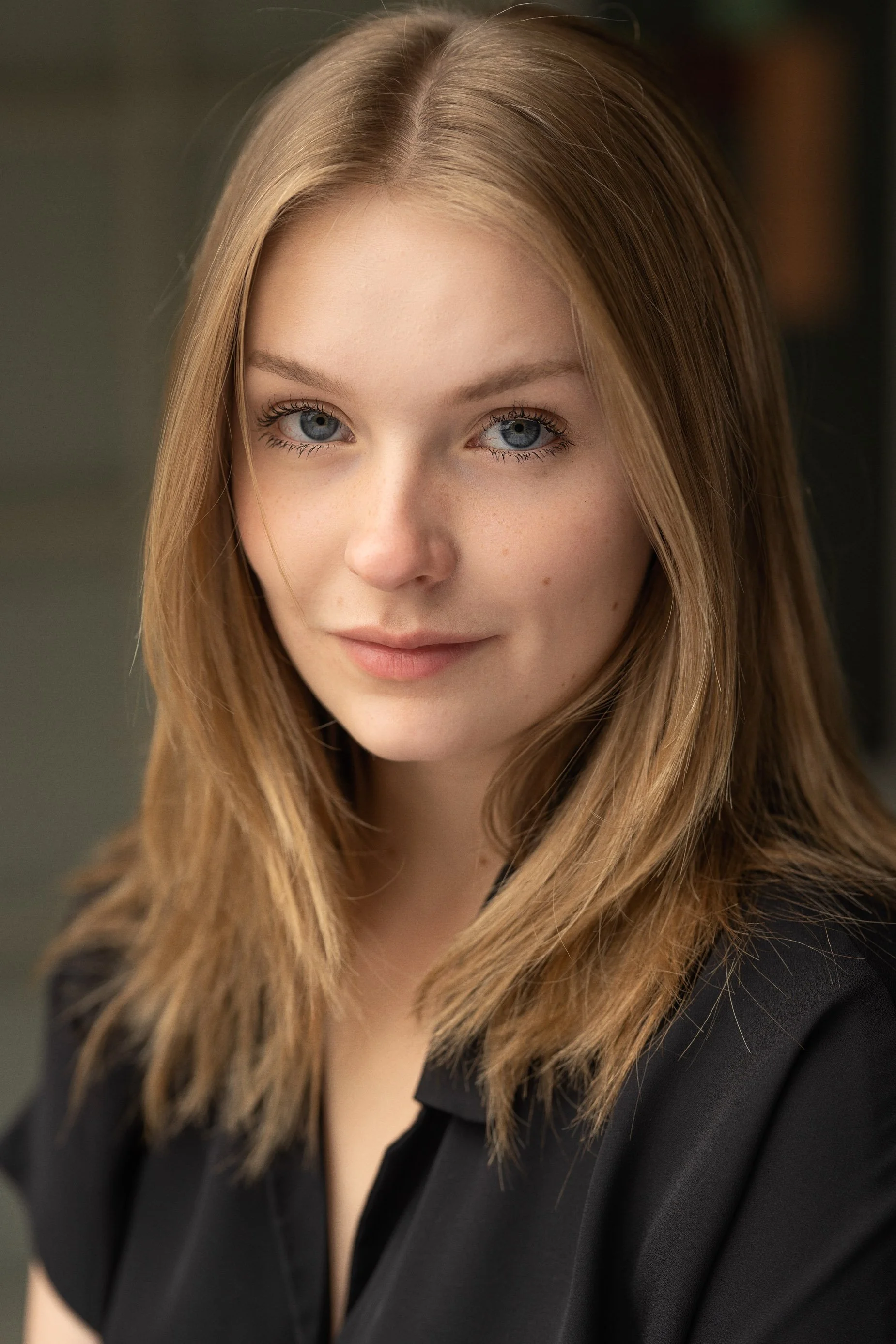
Theatrical
This is the next logical look to have in your book. Some actors equate “theatrical” with “serious” and, as such, practice their most serious stare for this image. In fact, you want your theatrical image to be as approachable and engaging as your commercial look. Perhaps a little less bright and shiny and smiley but, still, connected and enthusiastic.
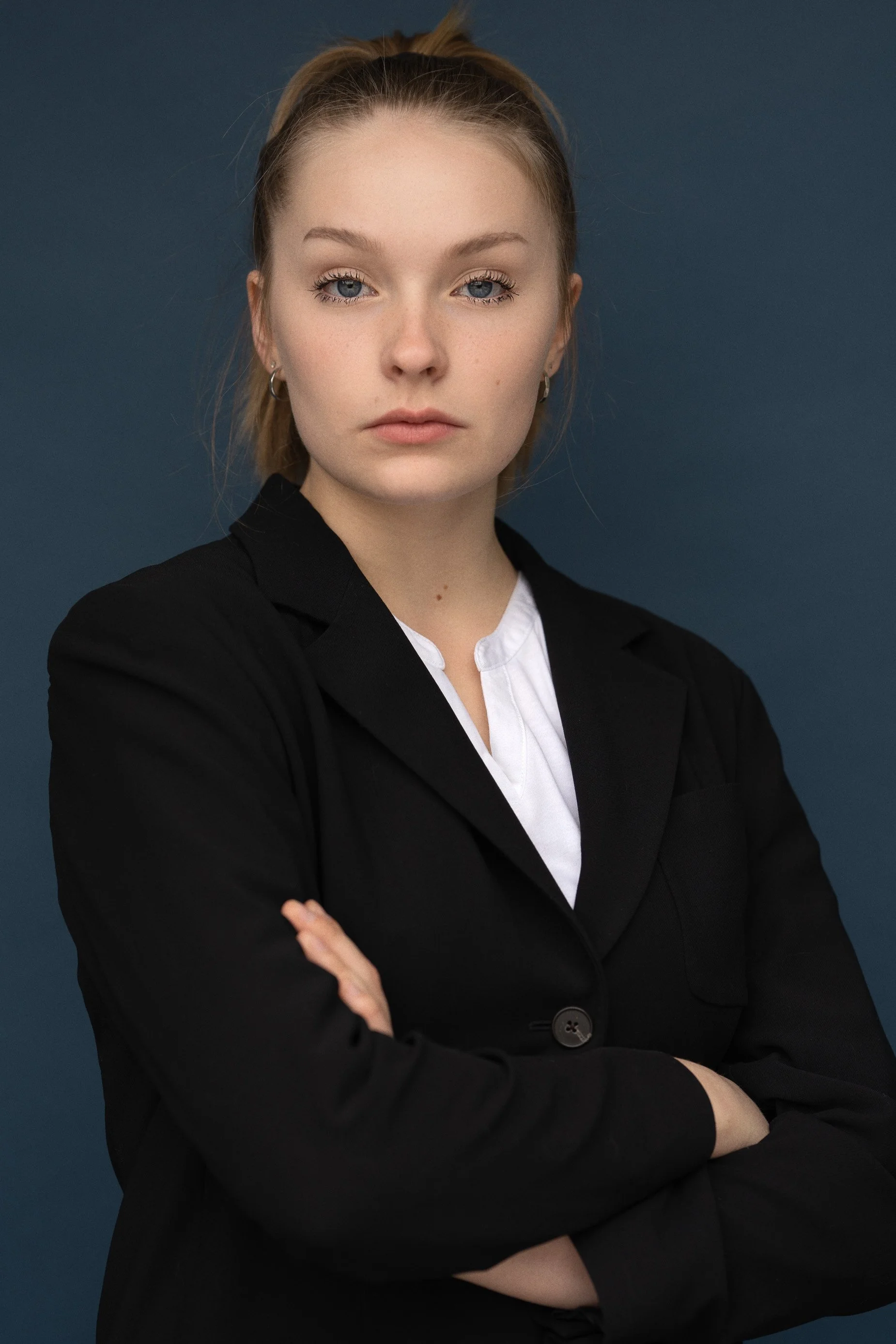
Procedural
Procedurals — shows about lawyers and cops and firefighters and nurses and doctors — are another key category for working actors. Are you a Sopranos-style wise guy? A button-down lawyer? Working class hero? Look at shows in production, figure out who you are, style an outfit that fits the bill (but doesn’t look too much like a costume) and make yourself marketable in this category.
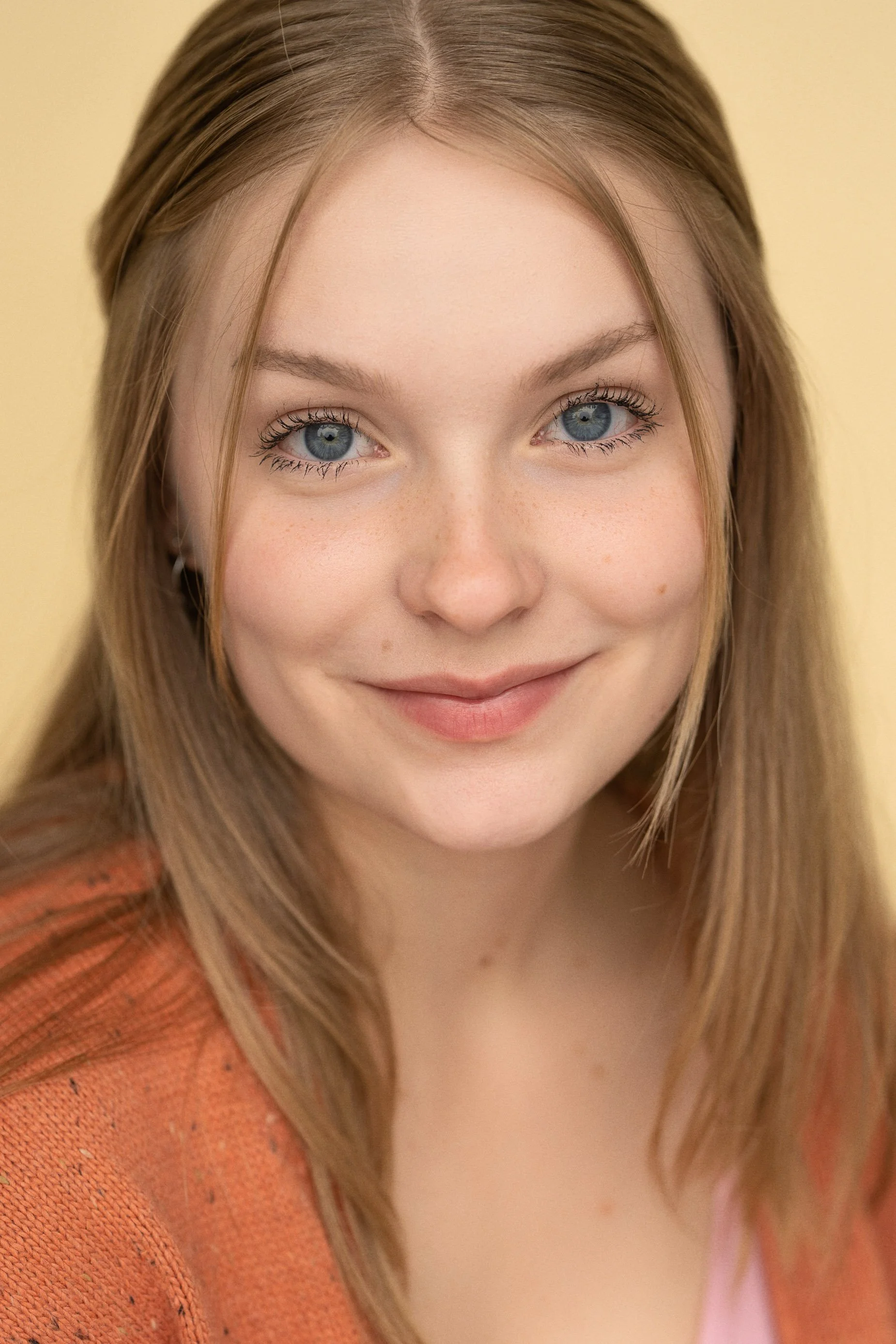
Family
The befuddled dad, the datebook-juggling mom, the wise grandmother, the cool uncle with all the tats, the goofy aunt with all the crystal necklaces. Or maybe something simpler, like an easy-going girl next door in a nice cardigan over a white T-shirt. Think about how you’d best fit into an on-set family and consider a look of this sort.
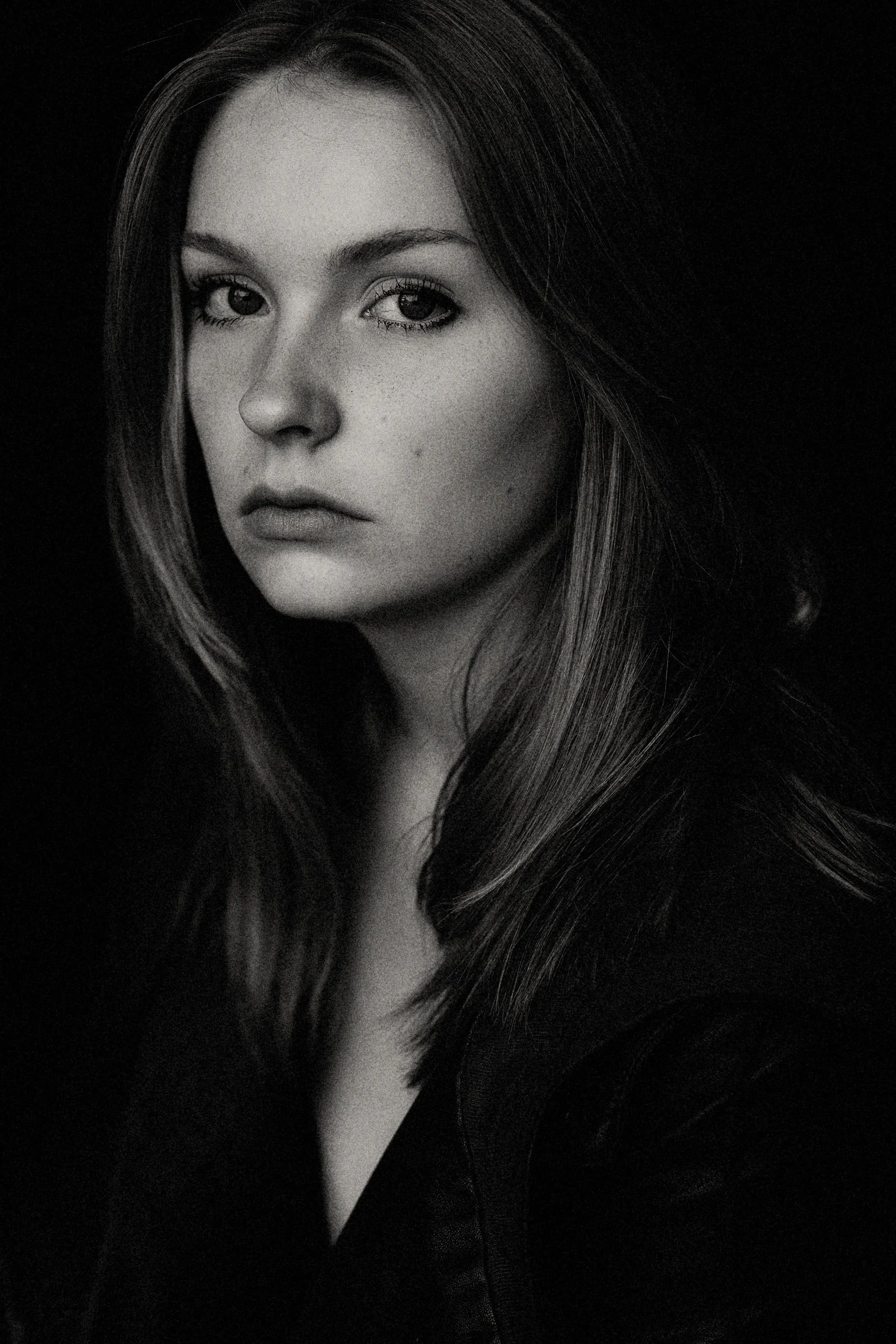
Bully/Edgy/Gritty
For kids, it’s called the bully look. For young actors, it’s edgy. For older actors, the word ‘gritty’ comes to mind. Whatever you call it, it’s a look that’s a bit darker and more aggressive (and can look pretty cool in black and white.) Here’s where you get to use that serious stare you’ve been practicing.
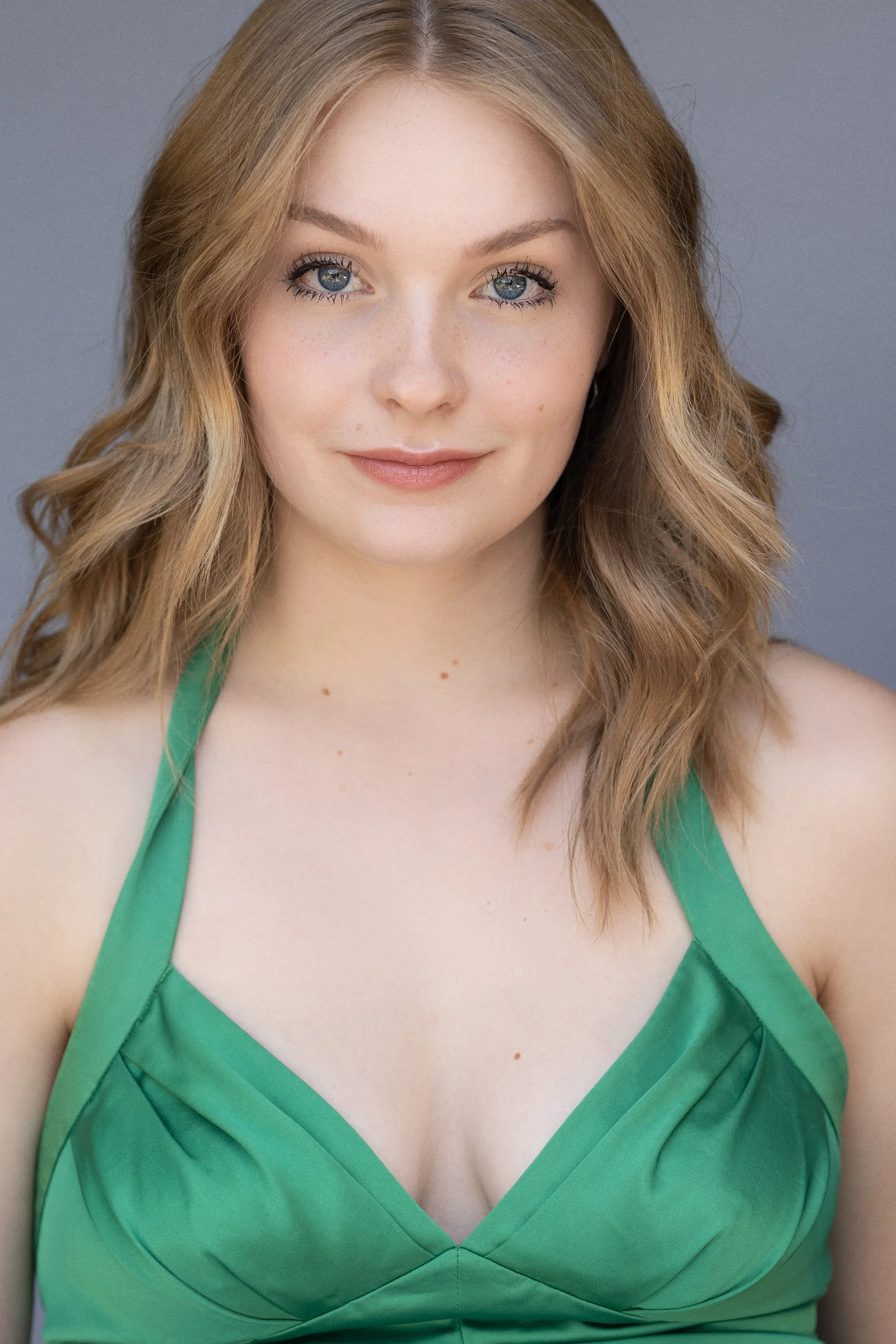
Glamorous
If you’re a leading man or leading lady (or just clean up nicely), having a “glamorous” image in your book never hurts. More and more agencies are saying “thumbs up” to adding half and full body shots to your portfolio. This can be a great spot to put on a nice dress or a sharp suit and make that happen.
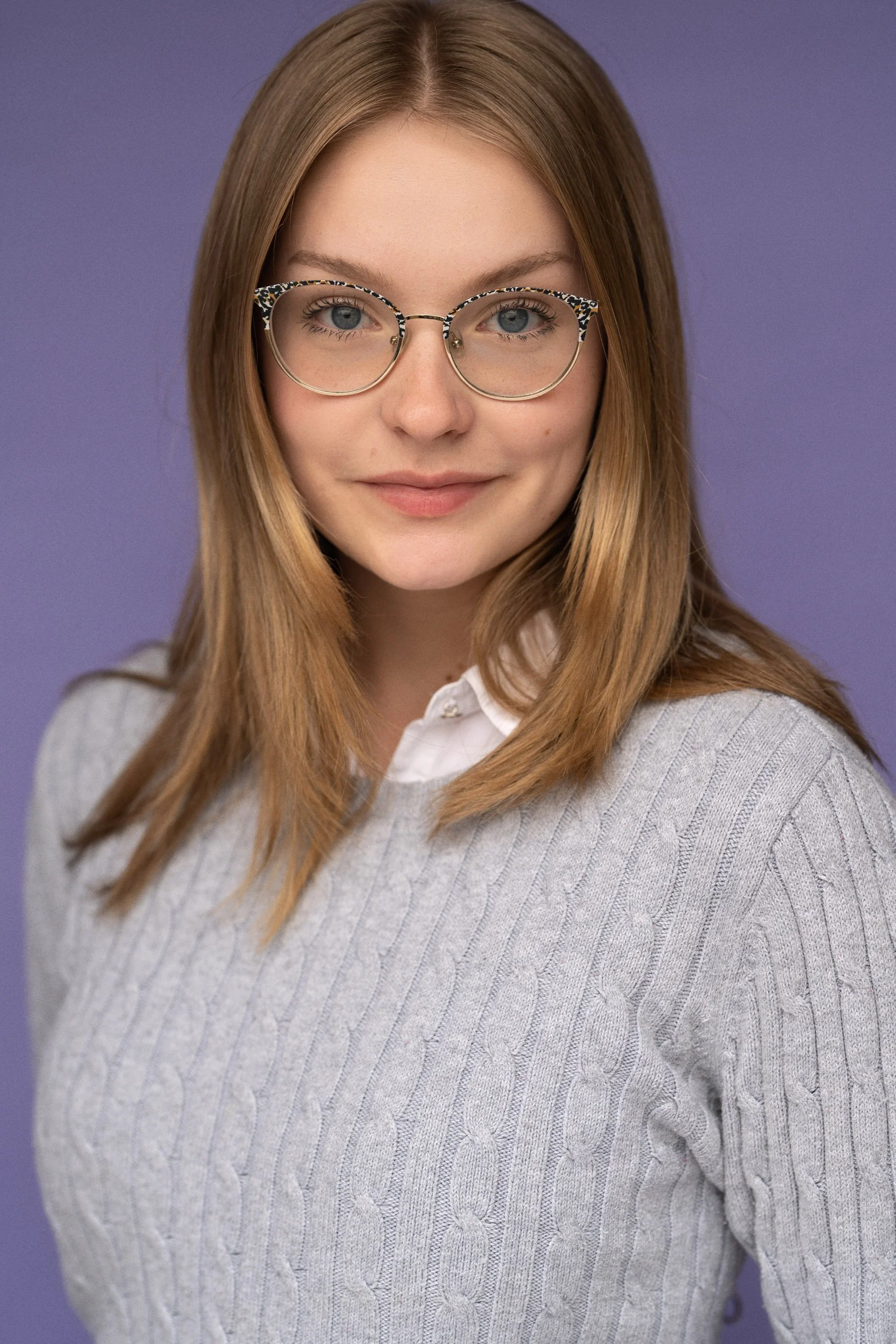
Smart/Quirky/Nerdy
This one should probably be higher on our list because “smart” in all its variations is a pretty marketable look. As you can see from the pictures, a change of clothes and a change of expression can take you from edgy to glamorous to smart in just a few minutes.
Other Looks To Consider
If one of the looks we’ve covered doesn’t quite match your character (or if you just love taking headshots), you might consider some of these variations:
Comedic: In the immortal words of Evil Knievel: “Don’t try this at home.” If you’re funny, you know it and you should have a comedic look in your book. Maybe even at the top of your book. If you’re not funny (or don’t look funny) this one might not be for you.
Business Professional: A variation on the procedural look, this one dials you into a more specific niche, which can range from the power suit politician to the young tech-savvy intern. This is especially helpful to have in the Pacific Northwest, where there can be a lot of institution/industrial work. It’s not glamorous work (and you may never even see it) but it typically pays well. Like the cop/procedural look, the right category for you depends on your casting type.
Dramatic: The word “dramatic” can mean a lot of things, depending on who you are. It can mean grizzly old guy or teenage goth girl. And, of course, these subtle shades of character can fit under a larger umbrella: a teenage goth girl may or may not look “edgy.” Look at a dramatic headshot as an opportunity to go even deeper into how you’re typically cast or characters you just love to play.
Need some additional help? At Michael Verity Photography, we include pre-shoot wardrobe consultation with every session. If you’re in the market for new headshots, take a look at our headshot pages and shoot us an email to start the conversation.
##
Michael Verity is a former newspaper photojournalist who has created headshots and modeling portfolios in the Portland, OR and Vancouver, WA area since 2008. Working from his studio on 11 acres outside Vancouver, he has photographed more than 2,000 actors, models, creatives and business professionals and is recommended by Portland’s leading talent agencies.
PORTLAND INDUSTRY INSIDER: An Exclusive Interview with Acting Coach Shelly Lipkin
Portland Industry Insider returns with an exclusive interview featuring Portland actor, director and educator Shelly Lipkin. A long time and high respected member of the Portland acting community, Shelly’s been teaching in the Pacific Northwest since 1998. In this episode of the Insider, Shelly talks about his experience in the industry and offers actors tips on how to be successful.
Michael Verity is a former newspaper photojournalist who has created headshots and modeling portfolios in the Portland, OR and Vancouver, WA area since 2008. Working from his studio on 11 acres outside Vancouver, he has photographed more than 2,000 actors, models, creatives and business professionals and is recommended by Portland’s leading talent agencies.
Shooting Stars: Natural Woman
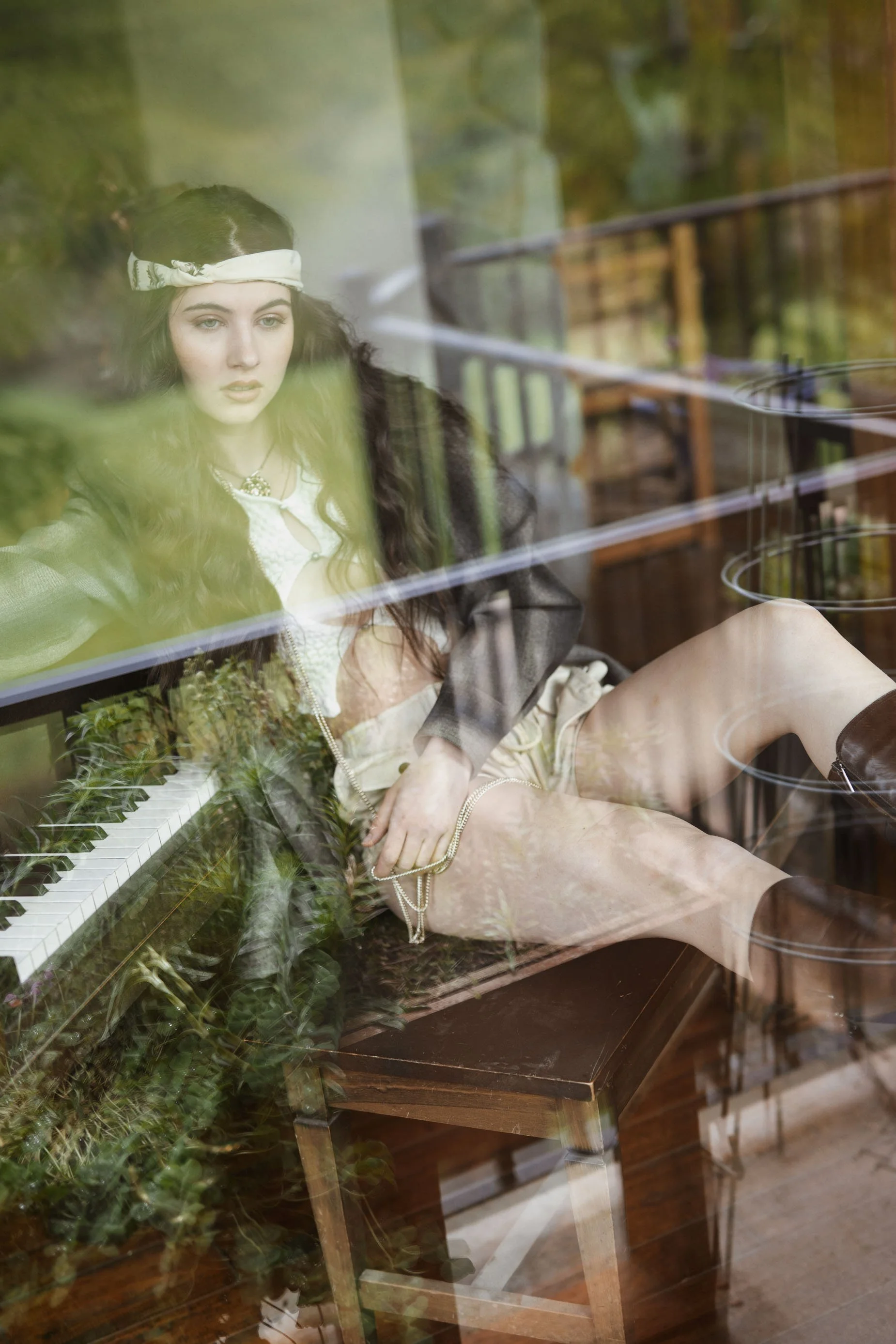
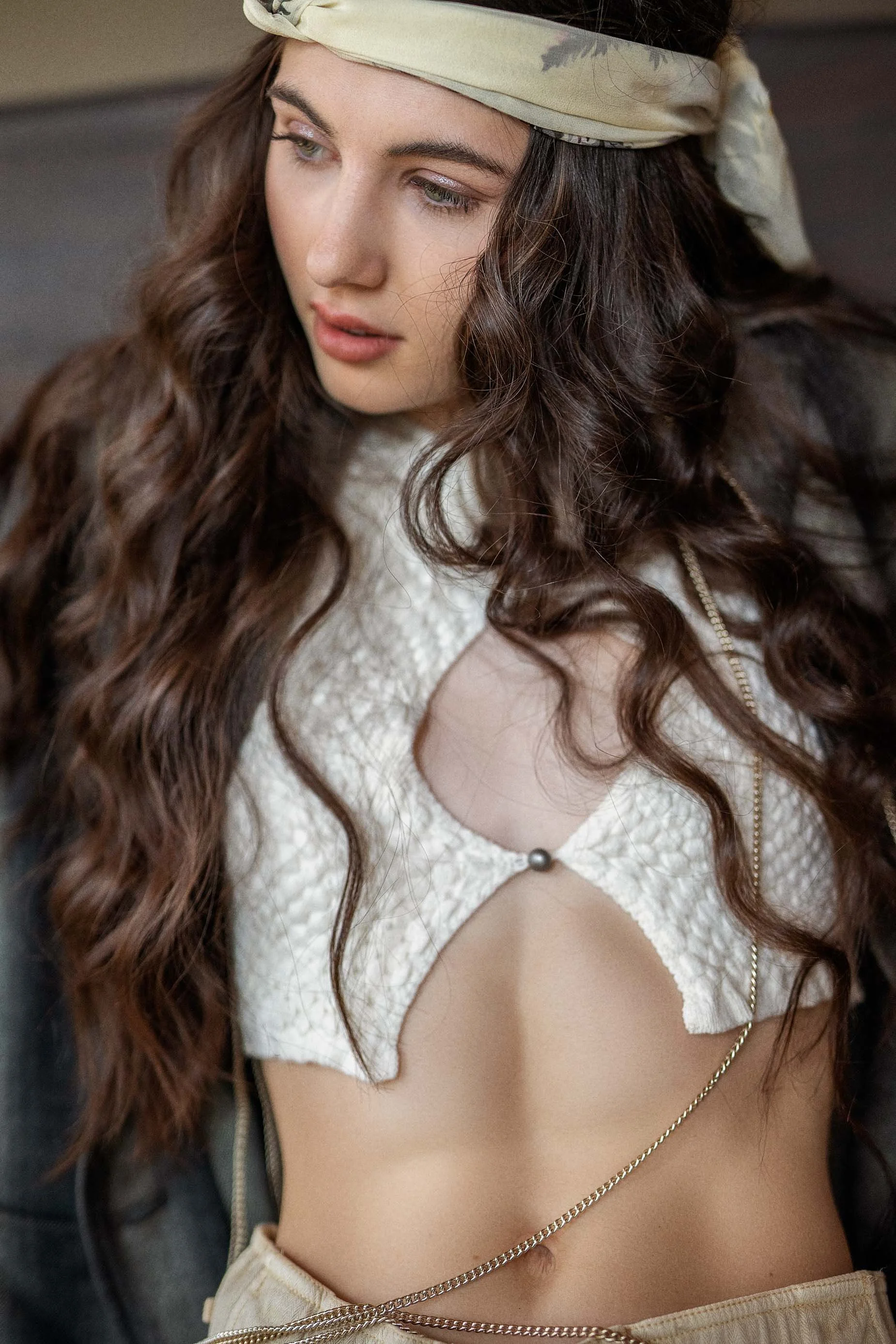
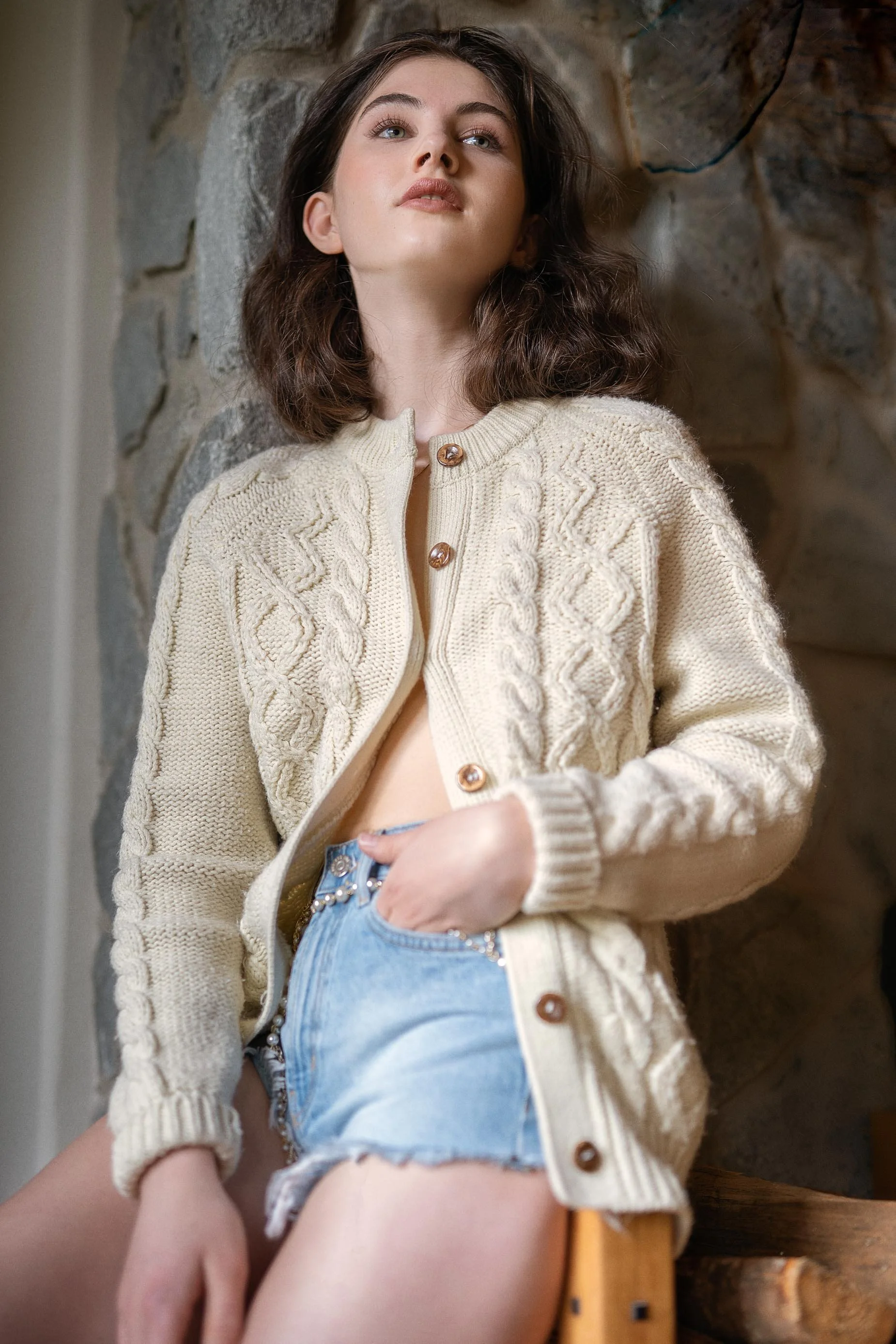
Shoot Title: Natural Woman
Model: Jamie Mack
Team: Claire Verity, wardrobe; Karina Talaro, hair and makeup.
Inspiration: These pictures were inspired by a fashion editorial we did with Jamie about six months ago called American Beauty.
In American Beauty, we combined our love for Ralph Lauren clothing with a pastoral beauty of Jamie’s family farm. For Natural Woman, we stayed even closer to home, taking pictures next to her living room fireplace and in her atrium, where she often sits at her grandmother’s piano and writes music.
The title, Natural Woman, actually came after the fact, while editing a promotional video for the session. Carole King’s “A Natural Woman” came to mind as background music and Aretha Franklin’s version ended up on the soundtrack.
How many shoots we’ve done together: 12, with hopes of a couple more before she skates off to the frozen tundra of upstate New York for her first year in college.
Time of year: Spring 2022
Location: Jamie’s house in Oregon.
Shoot music: Sarah Vaughan’s 1971 album, Feelin’ Good, which actually has a sort of Carole-King-meets-Aretha-Franklin vibe.
Shoot munchies: Our jack-of-all-trades wardrobe stylist, Claire Verity, also does a killer job on craft services, with everything from vegan treats for Jamie to lots of cheeses for yours truly.
Most unexpected turn: The shot through the window wasn’t planned but there it is.
My favorite part of the day: “This shoot was all about great people, great clothing and a great atmosphere coming together and organically offering us beautiful pictures. It’s not the most secure way to do a photoshoot — building a framework and leaving the rest to the artistic spirits hanging around the set — but it’s the ‘letting go of the result’ that makes the magic.”
Camera: Sony A7rIII
Lens: This session was shot with a variety of Sigma ART prime lenses, ranging from 35 to 105mm, depending on the situation.
Propers: Jamie, who is truly a muse; Jamie’s mom, Barb, who supports our artistic endeavors; wardrobe stylist, Claire Verity, for making the vision happen; and makeup artist Karina Talaro, who knows me so well she doesn’t even have to ask.
Michael Verity is a former newspaper photojournalist who has created headshots and modeling portfolios in the Portland, OR and Vancouver, WA area since 2008. Working from his studio on 11 acres outside Vancouver, he has photographed more than 2,000 actors, models, creatives and business professionals and is recommended by Portland’s leading talent agencies.
How To Create A Modeling Portfolio
Great visual presentation is essential in all professions. But when it comes to modeling, looking fabulous is a must and it all begins with your portfolio. As an aspiring model, your portfolio is your resume; it is often the first impression a client or an agency gets of you.
Creating a modeling portfolio is so much more than putting together a collection of images. Unlike a collection, a portfolio conveys a story about who you are, showcases your talent and versatility as a model and tells the client why you are the best person for the job.
Here is a step-by-step guide on how to create a fantastic modeling portfolio for a great first impression on clients and agencies.
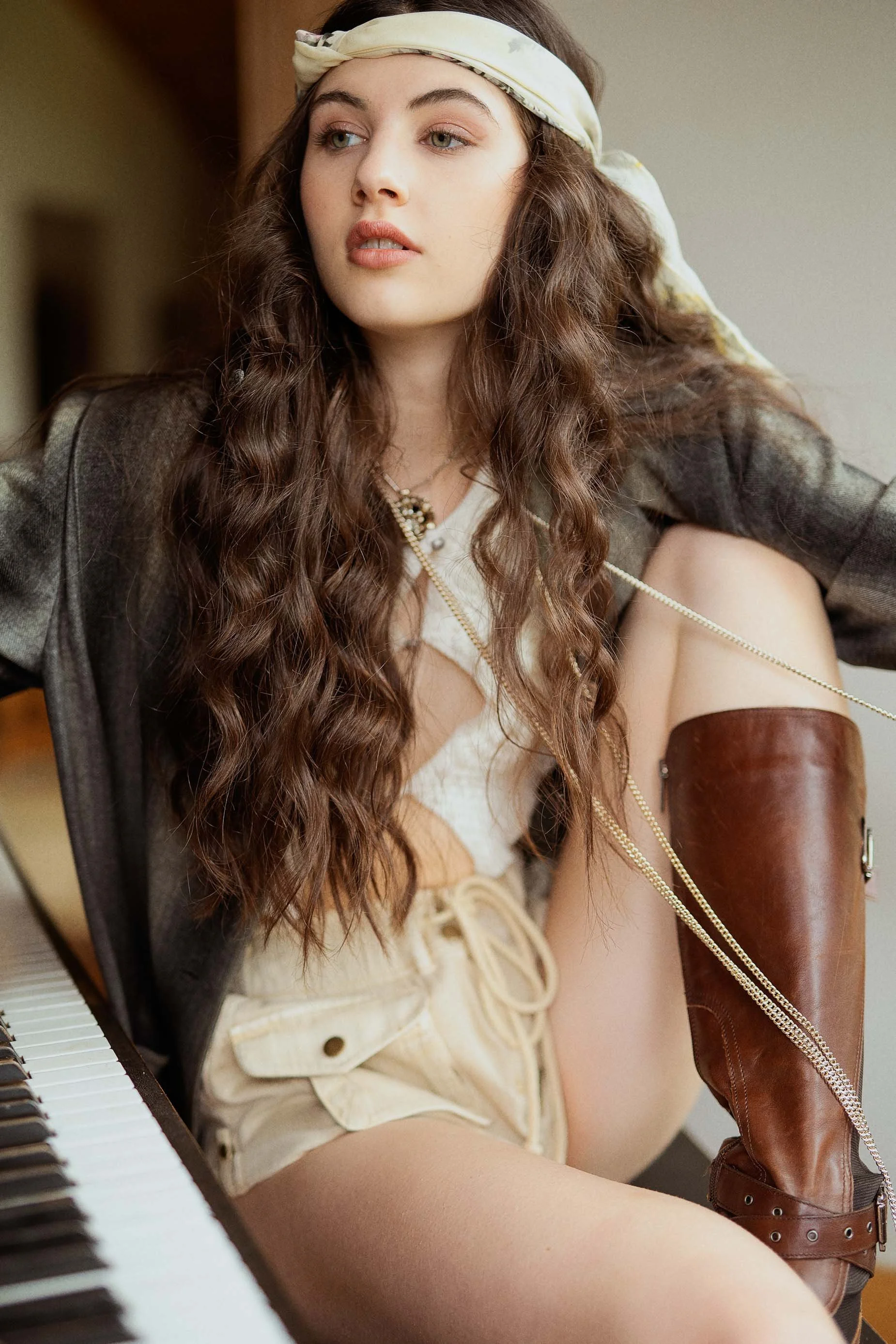
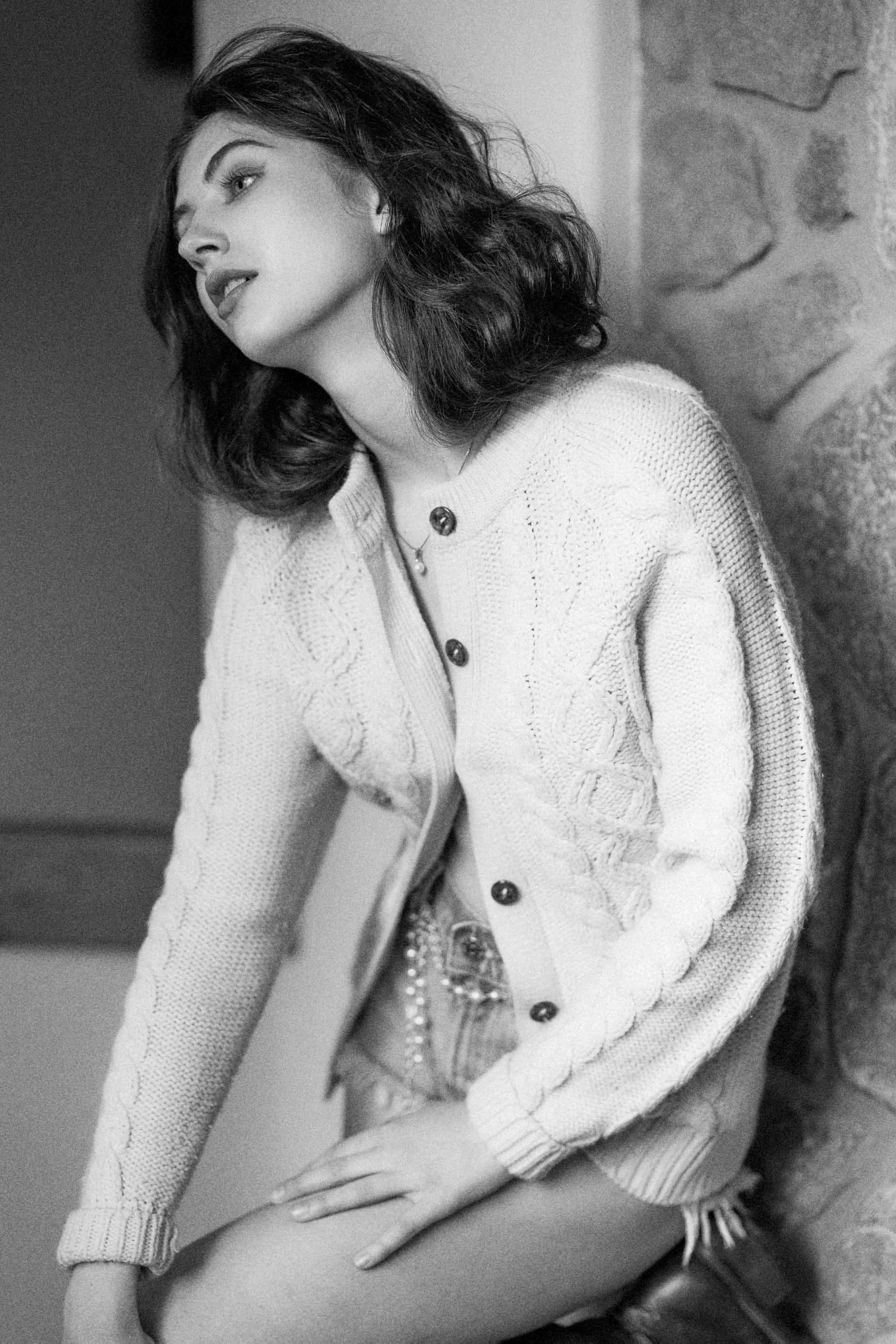
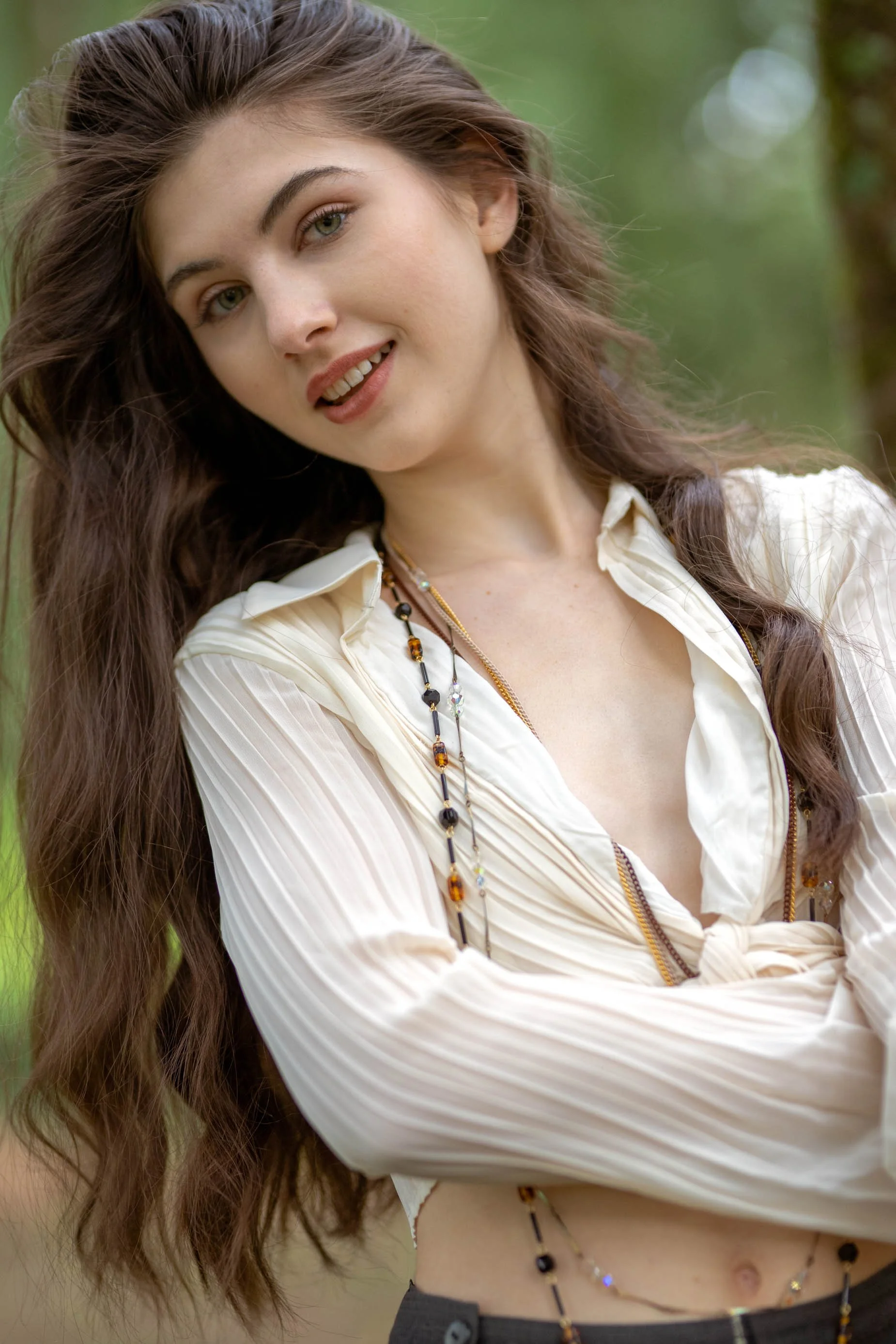
How Do You Create A Modeling Portfolio?
A modeling portfolio is a series of professionally taken shots that showcases your abilities as a model. It’s a critical part of marketing your skills to clients and often makes the difference between landing a modeling gig or not. In short, you must make it count.
Before we get into how to create an eye-catching portfolio that will boost your modeling career, it’s important to know that a modeling portfolio is not reproducible. Each model, including you, has distinct physical and psychological features to showcase. Instead of emulating another “more successful” model’s portfolio, focus on showing what makes you stand out from the other models.
1. Determine Your Modeling Type
The first step of building a great portfolio is deciding what specific type of modeling you are best suited for or prefer. Although the modeling industry has been actively embracing diversity and breaking stereotypes, your facial structure, body type and general appearance still play a part in the assignments you get.
Understanding the type of modeling you are best suited for can increase the chances of success in landing jobs and make creating a portfolio easier. Fortunately, there are many different types of modeling you can get into. From commercial modeling, fashion and runway to fitness modeling.
Selecting one type of modeling will help you understand the expectations your clients will have for your portfolio. It also helps potential clients to easily assess your skills and suitability for a specific role. Research the different types of modeling and the kind of shots you need in your portfolio.
2. Practice Your Posing
Posing for a camera is an art that you must learn as a model. While it may seem straightforward, it is way more complicated than people realize. As a model, your poses should bring out your best angles and make the clothing or outfit look their best.
Modeling photoshoots tend to take a long time, even with experienced models, so don’t wait until you are in the studio to figure out how you should pose. Allocate some time to research and practice beforehand, as it will also make you comfortable posing before the camera. Take a look at other models in your niche, their poses, and the type of photos in their portfolios. Try to emulate the poses you see.
3. Hire The Right Photographer
Everything – your poses, outfit, and locations -- may be on point but if the photographer isn’t up to the task then your portfolio won’t bring out your best. Choosing a photographer is the first step in planning a photoshoot and is often the most important.
Ask for referrals and check their work beforehand. Most photographers will have modeling portfolios that they have shot, so you will know if they are a good fit before engaging them.
4. Get Your Hair And Make-up Done By A Professional
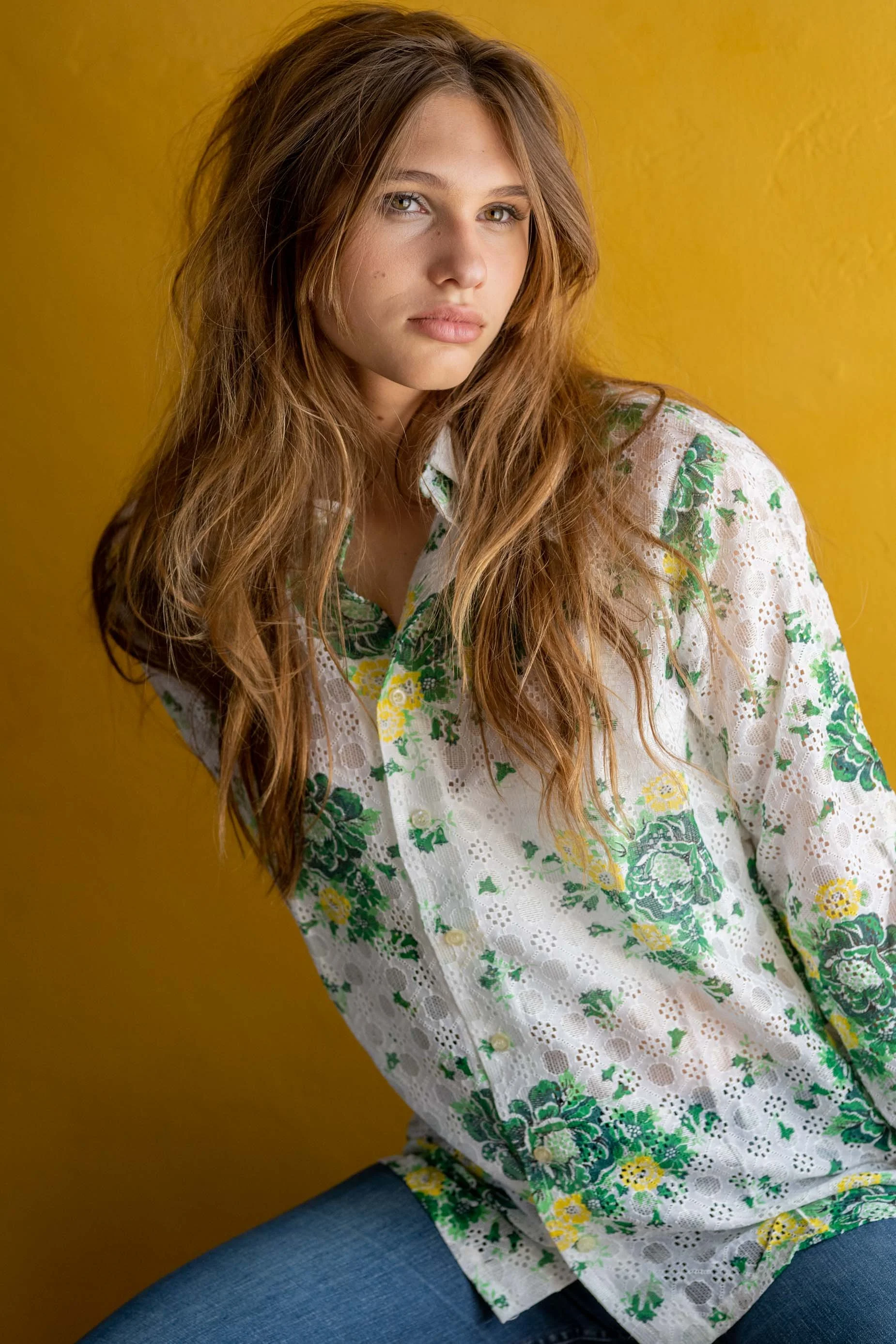
While it's not a must, getting a professional hair and make-up artist can add a lot of value to your modeling profile so ensure you ask your photographer for a recommendation.
5. Prepare Adequately For The Photoshoot
Treat the photoshoot as your first modeling gig. Make sure you know the locations beforehand and make all the necessary travel arrangements. Also, ensure you have been allotted enough time so you don’t have to rush things through.
Get adequate sleep the night before the shoot. When the big day comes, arrive early. Don’t be afraid to ask questions or for direction.
Ideally, you have a plan outlining exactly the kind of images you need beforehand. If not, communicate your expectations to the photographer in detail so you are both on the same page on the goals of the photoshoot.
Decide on the wardrobe, locations, themes, poses, and concepts to reduce the risk of mistakes or nasty surprises. Depending on the type of modeling you want to pursue, ensure you get great portraits, close-ups, and full-body shots.
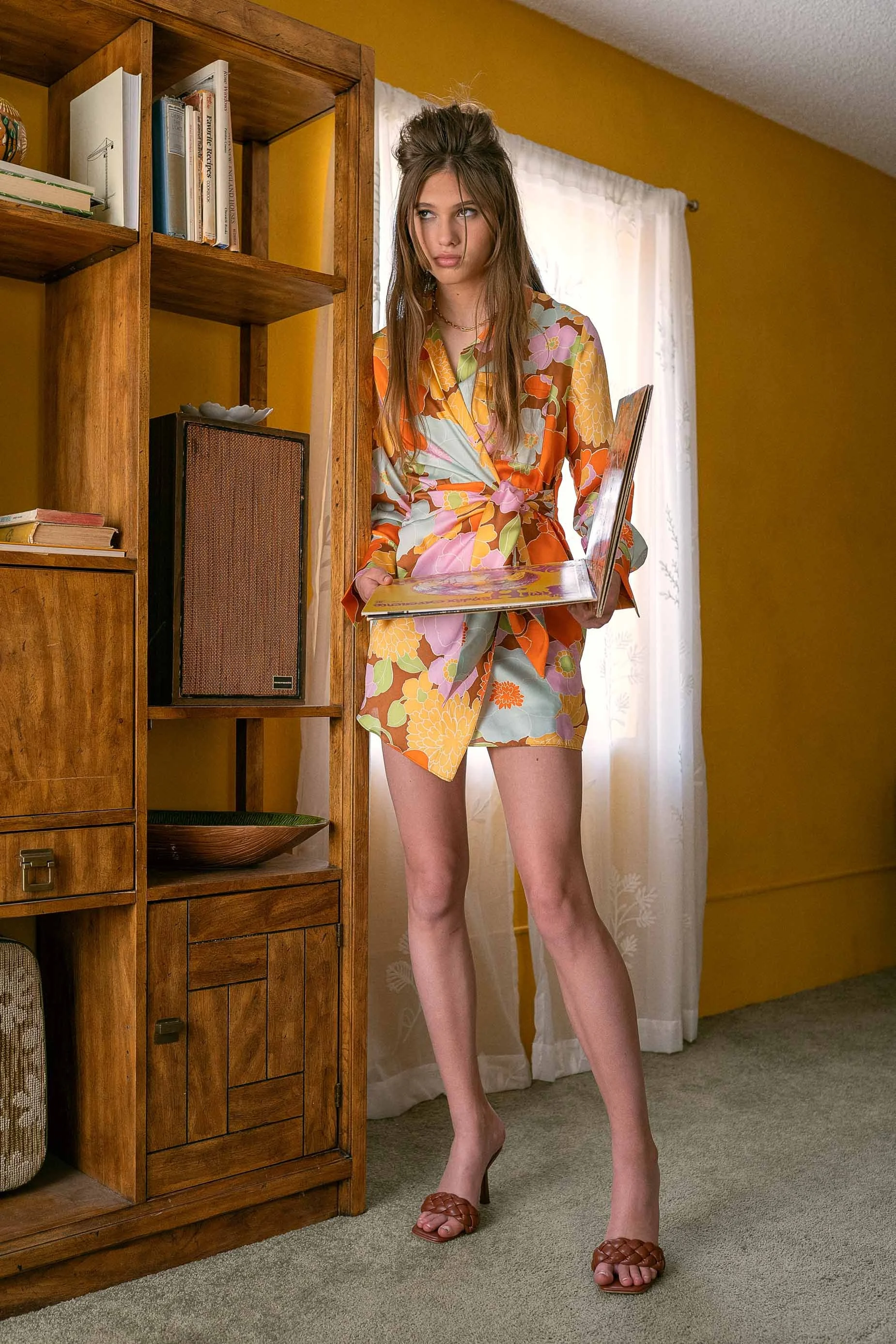
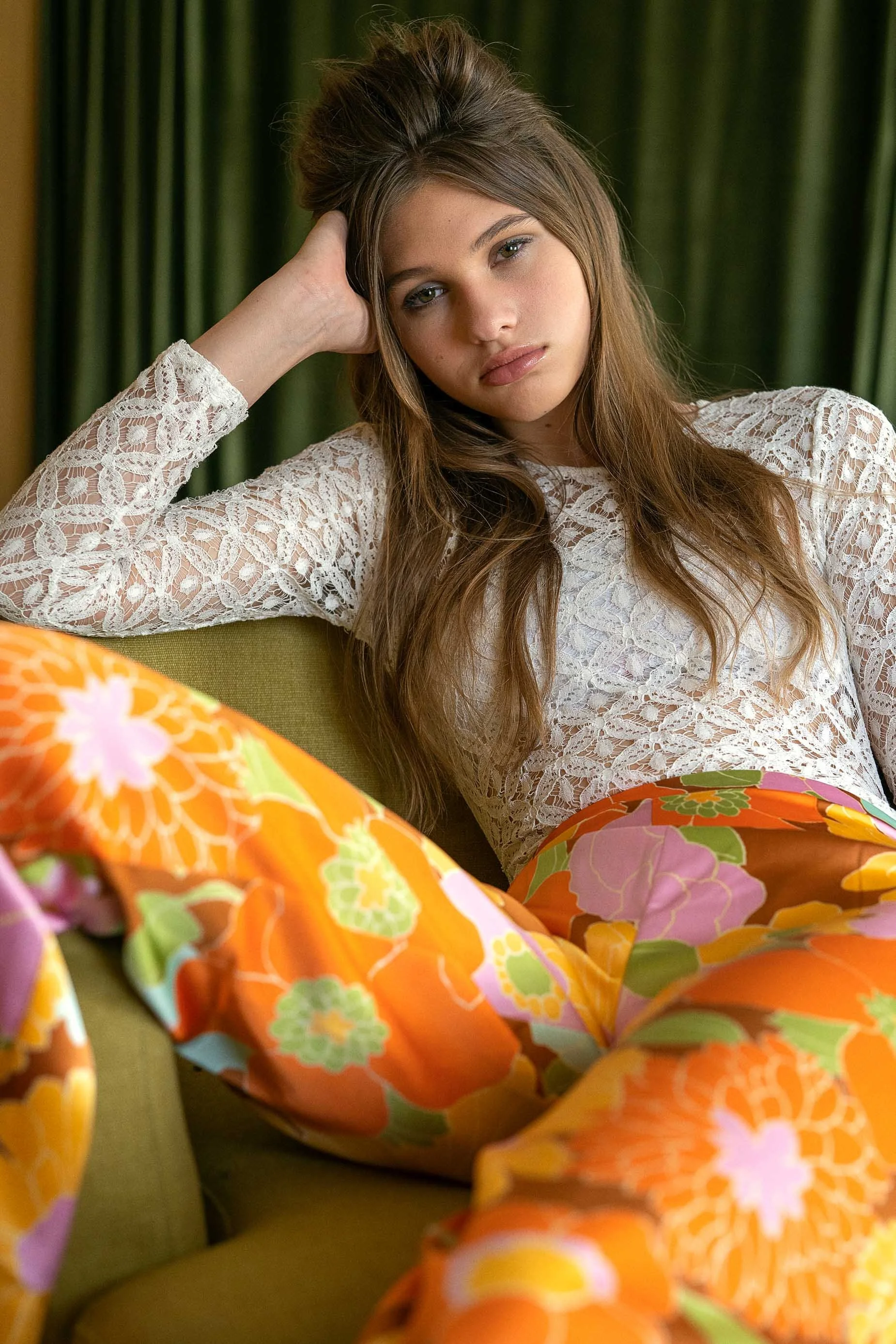
Potential clients and agencies want to see versatility and flexibility, especially if you are just starting out. Plan your wardrobe items to show versatility. Generally, you will want to include basic pieces of clothing that show off your frame and features.
Take images that vary in style to demonstrate your capability of working in different productions. Play around with the poses to show off different angles and your best features.
6. Choose Your Best Shots
This is one of the most challenging steps of creating a great modeling portfolio. After completing the photoshoot, you will have a vast collection of images to sort through carefully to ensure only the best goes into the portfolio.
The general rule is to have 9 to 19 images, more than that is too many, and less than 9 won’t be enough to show your versatility.
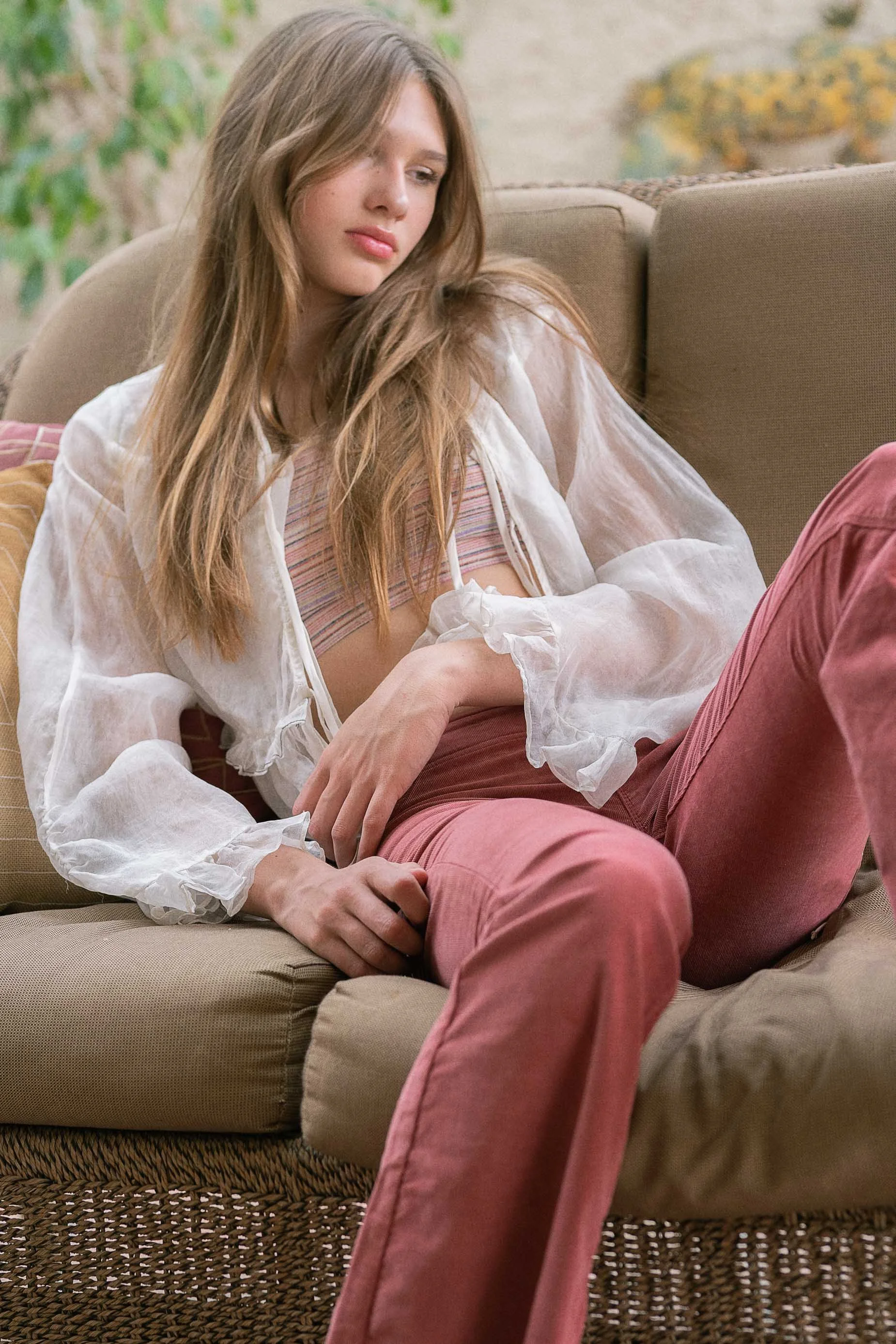
Focus on showcasing versatility and your qualities, don’t choose numerous images in the same pose, location, or wardrobe items. Select different types of images, including headshots, full-body shots, and mid shots, in different outfits and locations if possible.
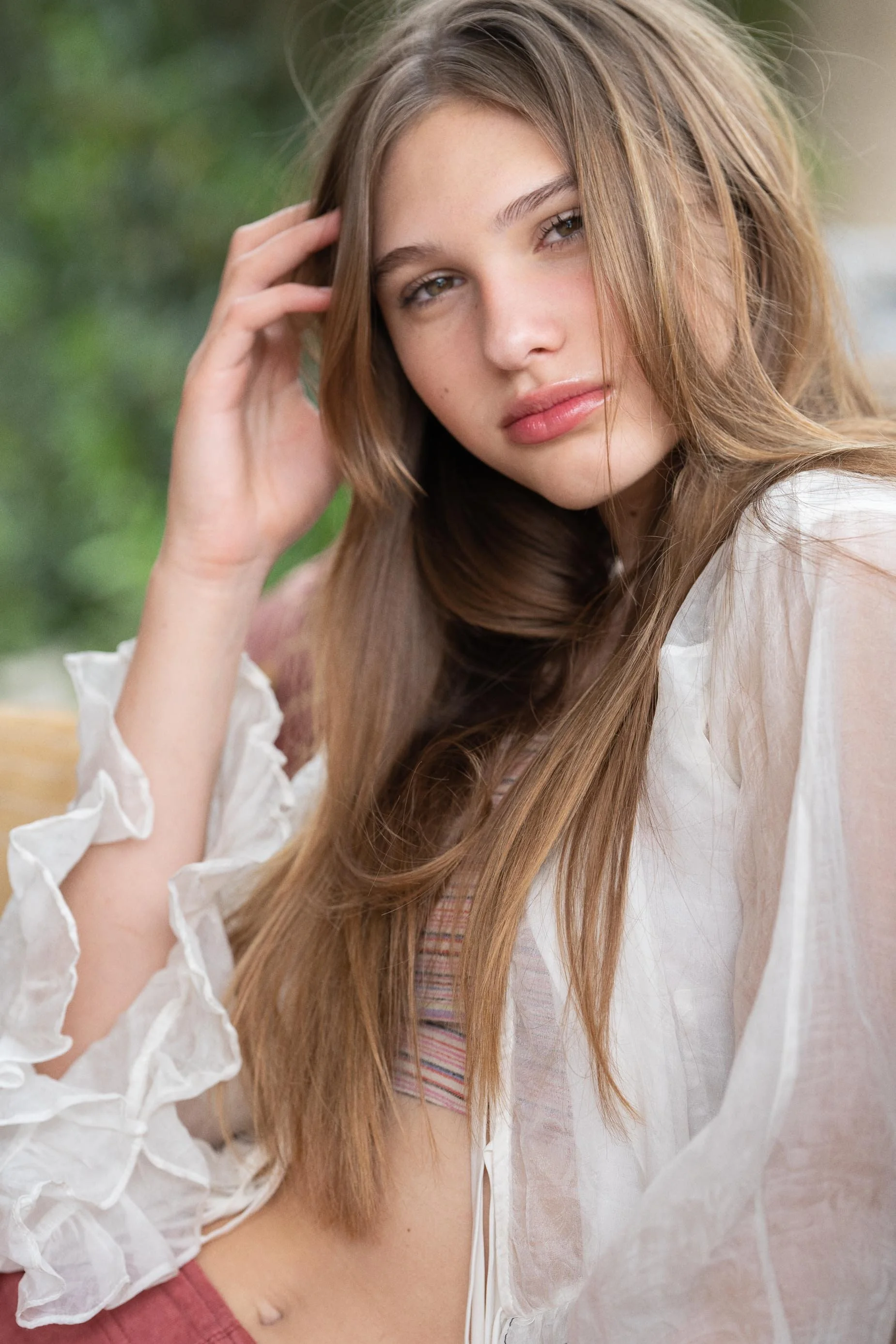
Pay attention to the first few images in your portfolio. Experts recommend including a “page-turning” shot at the front to capture the attention of anyone looking at it. Clients and agencies will look at hundreds of portfolios and will not spend time on yours if you don’t capture their attention with your first image.
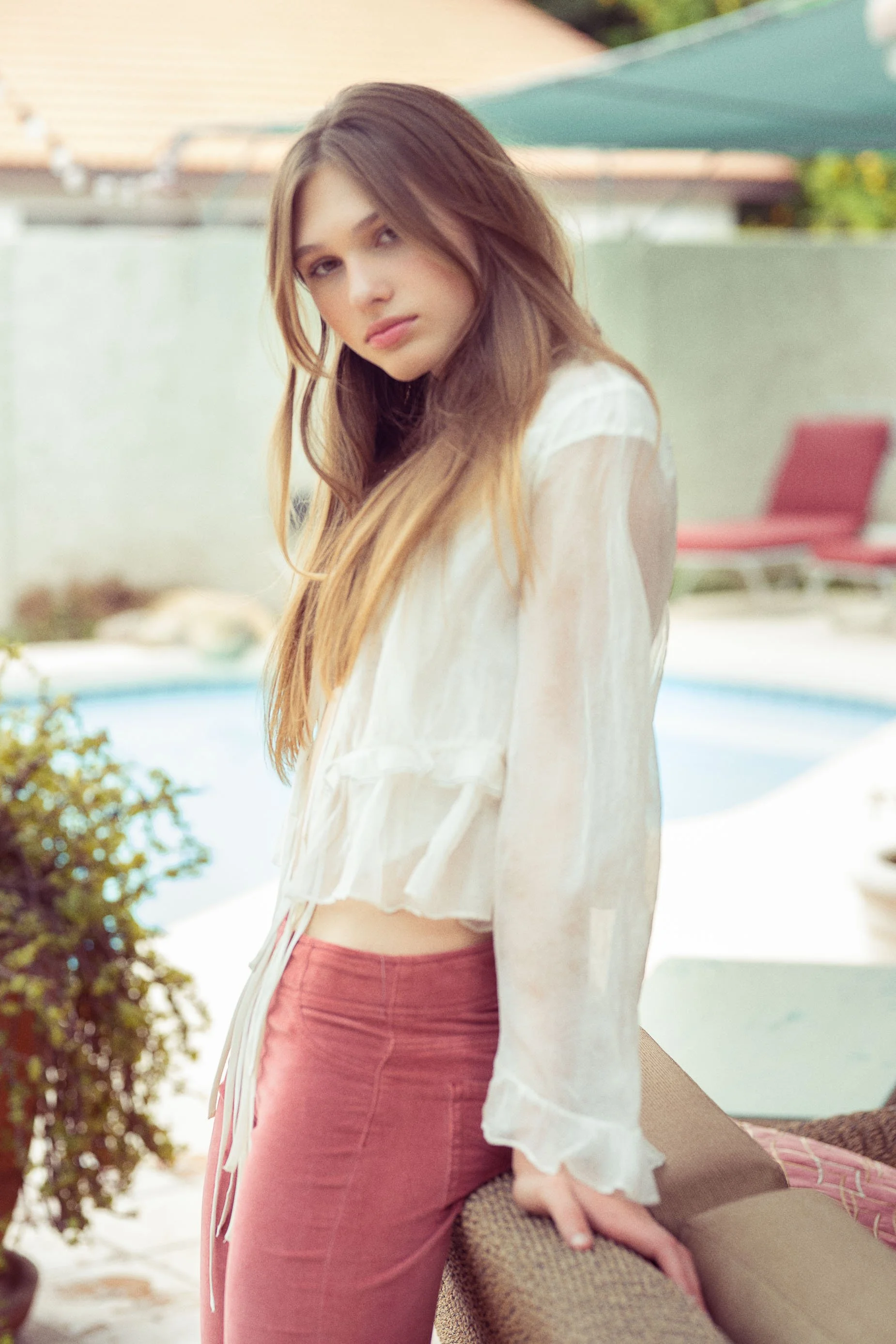
7. Create Your Modeling Portfolio!
There are several ways to present your modeling portfolio. One way is using a printed portfolio. A printed modeling portfolio book comes in handy since you will be meeting many people face to face.
A printed portfolio is tangible and allows the client or scout to peruse the work with you present. You can make a portfolio by printing images and adding them to a folder, but it doesn’t look as sleek and professional as a properly printed portfolio.
A printed modeling portfolio also shows you are serious about your modeling career.
8. Include Your Model Details
A modeling portfolio is like your resume. Don’t forget to include details such as modeling experience, hobbies, interests, work you are willing to do, and your information. Key information includes name, age, height, eye color, hair color, body measurements and sizes, distinguishing features (such as tattoos, birthmarks, etc.), and contact details.
9. Update Your Model Portfolio Regularly
As you age, it's important that you update your modeling portfolios with more recent photos and work experience. Updating your portfolio also shows clients and agencies that you are able to keep up with the latest trends.
You should also check your measurements regularly and make changes to your portfolio. You can also update or replace images when you get better shots or change hairstyles and other features.
How To Create A Modeling Portfolio Online
The internet is where much of the action is. While there will be face-to-face meetings now and then, chances are most clients and agencies will first look at your online portfolio.
Many top models prefer having a website as it offers an opportunity to show off other skills and qualities that may boost your modeling career. Alternatively, you can create an electronic version of your portfolio to send to potential clients online. So, how do you create a model portfolio online?
Many website builders have portfolio templates that you can select depending on the preferred layout. Once you choose a template, you can customize it to present your artistic vision and design of the portfolio. Drag and drop website builders are great if you are just starting, but if you are looking for something unique and more professional, you should hire a website designer.
Like the printed portfolio, ensure you only pick the best images for your website, with the most captivating being the most prominent. Having a website also offers an opportunity to add diverse media such as videos or other projects that you have worked on.
Don’t forget to add an “About Me” page with your vital information, and a contact section that employers and clients can easily reach out to you. You can also share links to your online modeling portfolio on your social media pages to reach more people.
Are you interested in taking high-quality images to build your professional modeling portfolio? Contact Michael Verity Photography for modeling portfolios, acting and business headshots, fashion editorial photography and kids portfolio styling in Portland.
Michael Verity is a former newspaper photojournalist who has created headshots and modeling portfolios in the Portland, OR and Vancouver, WA area since 2008. Working from his studio on 11 acres outside Vancouver, he has photographed more than 2,000 actors, models, creatives and business professionals and is recommended by Portland’s leading talent agencies.
4 Tips To Get A Great Headshot
Whether you’re an actor, a model or a business professional, a high quality headshot is essential to your success.
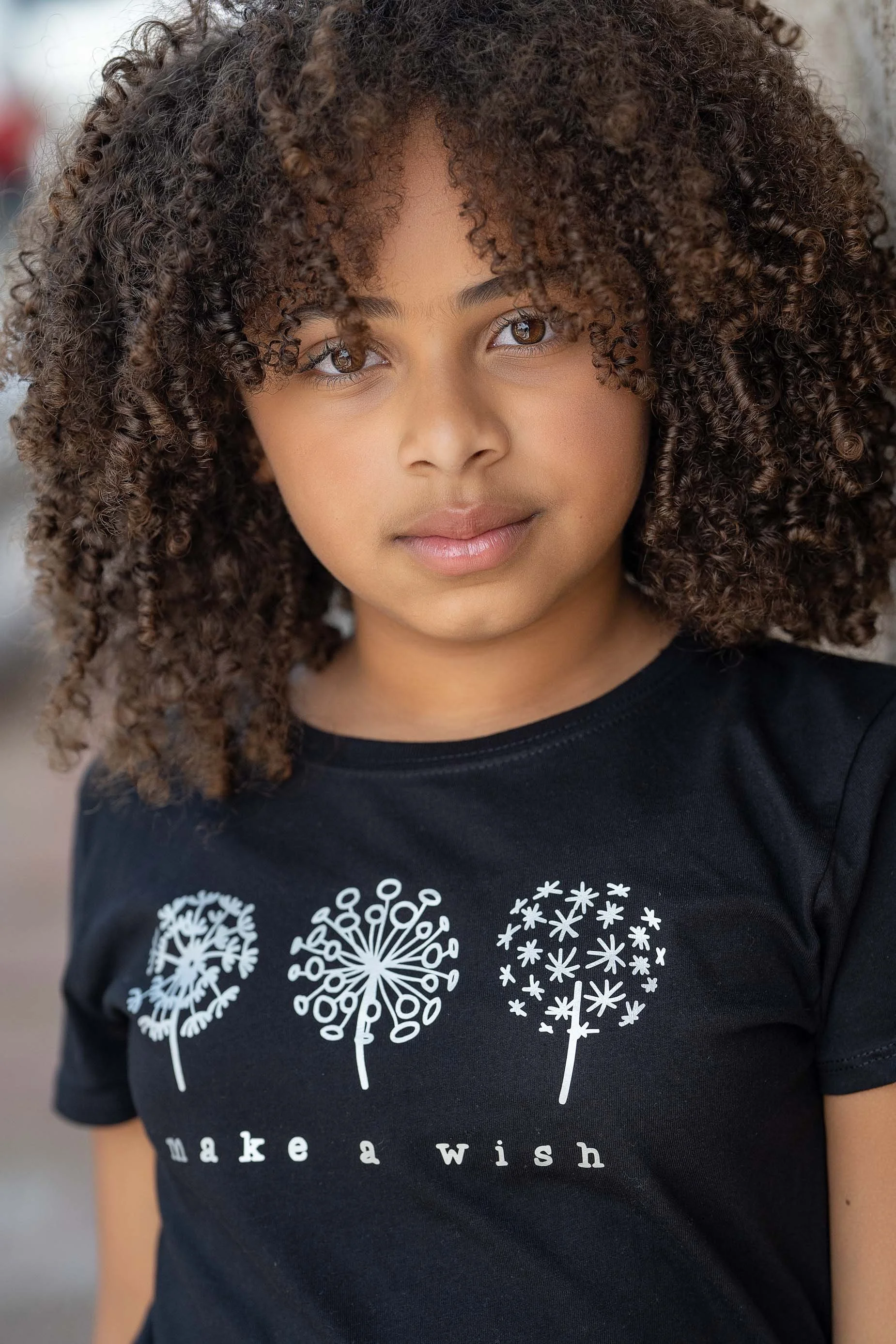
For actors, a world-class headshot is the “calling card” that introduces you to agencies and casting directors. For models, a high quality headshot is the connection between you and those who cast talent for a wide array of opportunities. For business professionals, a warm and engaging headshot connects “the face with the name” and builds confidence between you and your prospective client.
So how do you rise to the top of an increasingly virtual world, where actors audition via Zoom, professionals do business via LinkedIn and everybody needs a profile picture to get started? How do you create a photo that makes you look trustworthy and competent? How do insure your headshot “hits the right notes” and reflects your authentic spirit and individuality? How can you be certain you’re catching your “best side?”
Can you set up a headshot at home with your smartphone? After all: “portrait mode” is pretty cool. Or do you need the experience and expertise of a professional photographer?
If these questions have been on your mind, have no fear. Here are 4 tips to get that perfect headshot. (Spoiler alert: save portrait mode for snaps of your bestie or your bulldog, put aside your DIY dreams and hire a professional photographer to get professional headshots.)
How To Take A Professional Headshot
1. List Your Expectations
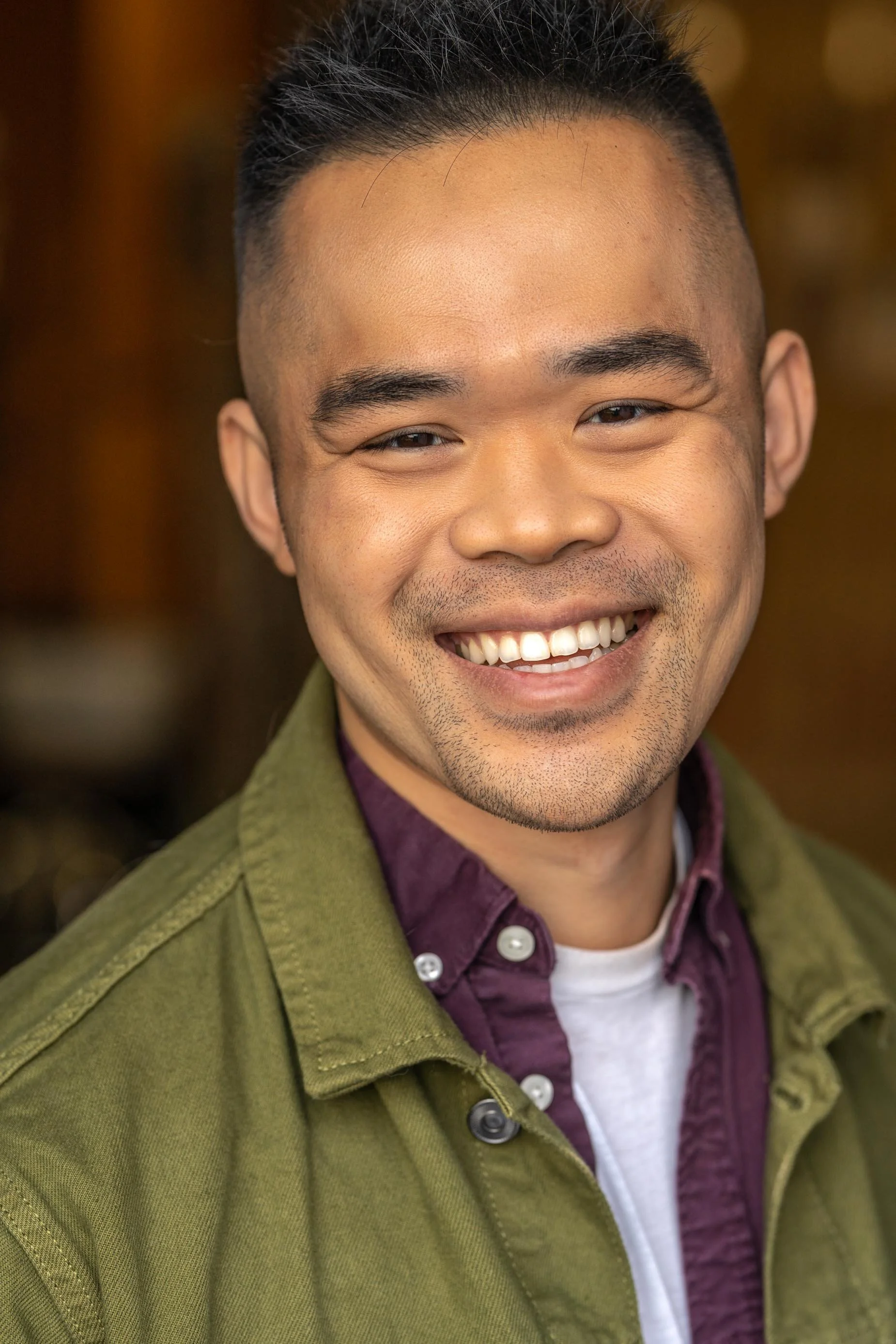
Before creating an acting, modeling or business headshot, develop a mental image of what you want and try to explain it to your photographer in as much detail as possible. Even better: find examples of headshots you like and share them with your photographer. Professional photographers are, obviously, visually oriented; a mood board of images you like is an excellent way to communicate your ideas.
Do you want a formal headshot or something more candid? Do you want a traditional studio setting, with a plain color background, or something more environmental? Indoors or outdoors?
How will you use the headshot? For auditions? Casting calls? Press releases? Publications? Social media? Your website?
Remember, headshots are all about first impressions. The final product will impact potential clients and casting directors and their decision on whether they will book you, hire you or buy from you.
Have a specific angle you think works for you? While most professional photographers are experienced at reading faces, if you have a side you prefer, tell the photographer. If there are certain things about your face you’d prefer to downplay (scars, moles, etc.), tell the photographer upfront. He will appreciate that information.
If you explain your ideas to an experienced photographer they will meet your expectations. You’re more likely to get a photo that you will love if you know what you are looking for and clearly communicate your ideas.
2. Dress For The Part

The way you dress will naturally affect the overall look of your headshot. Solid and neutral colors work best as they tend to put the focus on your face, just where you want it. Bright jewelry, clothing with big, bold patterns and shirts with large logos should be avoided. Headshots should be more focused on who you are rather than what you’re wearing.
That being said, there are exceptions to every rule. Are you a big personality who likes pink paisley shirts? Go monochrome and do your images in front of pink paper. Do you sell country properties? An outfit that says “outdoorsy” (and is preferably shot, outdoors) is the right way to go. Whatever you choose, clothing should be consistent with your personality, look great with your eyes and complexion and work well with your chosen environment.
Need wardrobe help? Always consult with your photographer on what to wear. It will make you more comfortable and help them prepare. (At Michael Verity Photography, basic wardrobe consultation is included with every session.)
3. Pay Attention To Your Posture.
Your body posture says a lot about your confidence so it’s important to get this part right. Good posture insures the right angles and helps show your best features.
Generally speaking, you should position your upper body diagonally to the camera while keeping your chin toward the photographer. Keep your back straight with your shoulders relaxed and avoid having your shoulders too high, which indicates tension. It’s a good idea to avoid body language - like slouching - that makes you seem unapproachable.
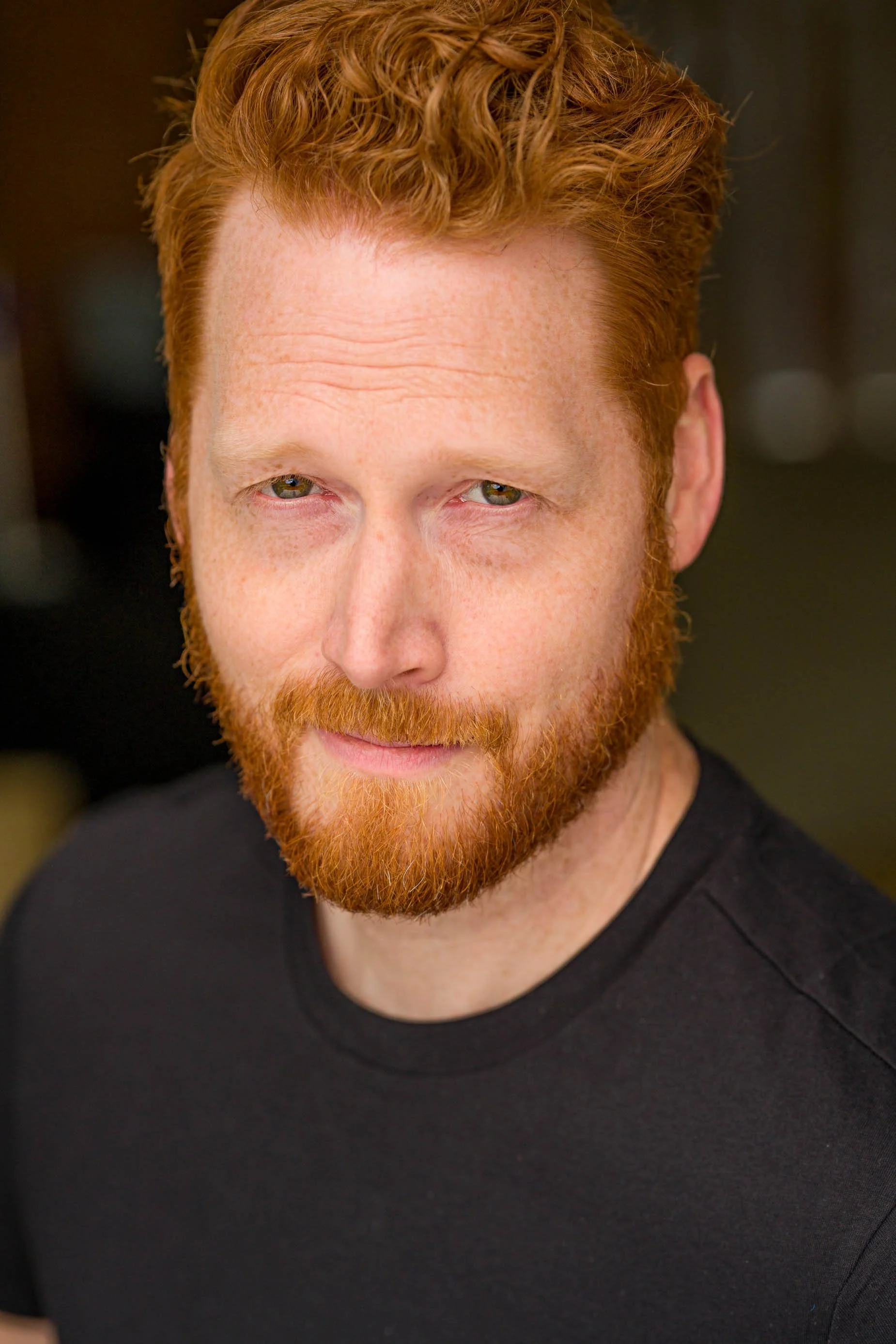
As with wardrobe, however, these are general guidelines. While an “arms crossed” pose doesn’t work well for a therapist, that type of pose from someone in the legal profession is often considered a sign of strength. It also works well for actors who are cast as police officers (and, oddly, for those who are cast as gangsters.) A “slouchy” pose wouldn’t work too well for a doctor but for young fashion models, that sort of approach is acceptable (and sometimes encouraged.)
As with points one and two, thinking about what you’re trying to achieve and communicating it with your photographer is key. An experienced photographer will have ideas, coach you through the process and help you achieve your goals.
4. Smile, No Smile
To smile or not to smile, that is the question. The short story is this: if you’re not someone who smiles “naturally,” don’t expect that to change magically once you step in front of the camera. It probably won’t happen.
So what do you do? Think happy thoughts. Think about your favorite funny movie. If you think happy thoughts, you’ll look like a happy person. If you think about how you look, you’ll look like a person who’s worried about how he looks.
Another trick is to look at the camera as if it’s someone you love: your best friend, a beloved grandparent, a favorite nephew, your new kitten. Whatever it takes to put your brain in active thinking mode, not passive wondering mode is the way to go.
Pro Tip: change your facial expressions throughout the shoot. Make a great big goofy smile, followed by a huge frown. Make the silliest face you can followed by the meanest face you can. Have fun with it. An experienced photographer will find the “genuine you” in between all the exaggerated expressions.
Lastly, remember these words: Shy is beautiful. Warmth doesn’t always require a big toothy grin. Start with who you are and see what happens.
What About Using Your Smartphone For Headshots?
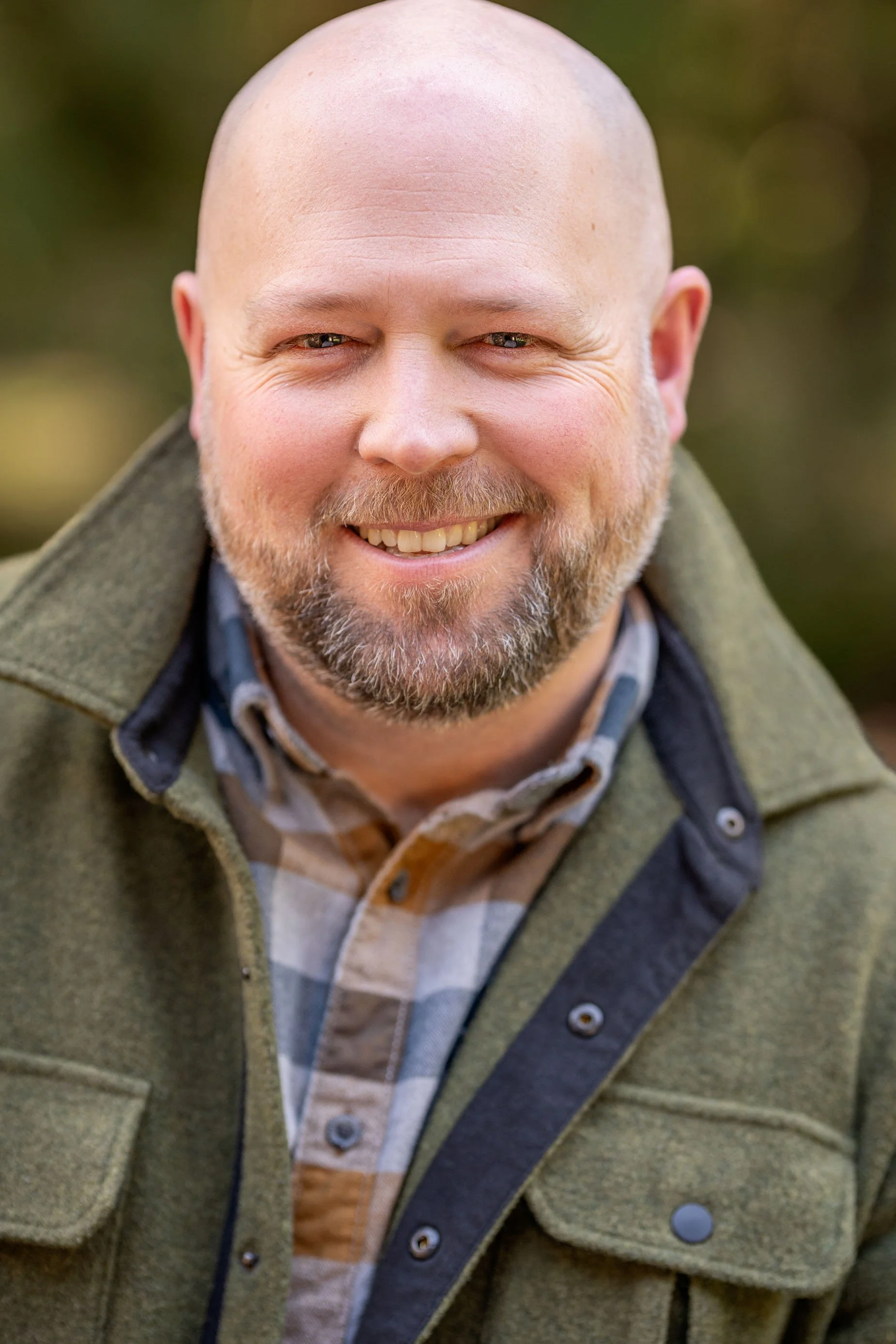
While we admit smartphones have come a long way in recent years, there’s really no debate on the advantages of a professional photographer over the DIY method.
Even the latest and greatest smartphone in “portrait mode” has its limitations: limited lens options, limited zooming capacity, limited images quality.
More important, smartphones don’t know how to move a light an inch to the left to change your headshots from strong to stellar. They don’t consult with you on wardrobe, show you how to pose, offer you a cup of tea or coffee when you walk into the studio, ask how you how you’re doing today or give you real time feedback on how the session is going.
This is because smartphones (or even expensive DSLRs) aren’t human. They don’t come with experience and expertise.
Professional photographers understand lighting, how to capture the best angles, what are the best camera settings, how to do the best retouching. In short, they know what you need to get a beautiful headshot. Follow these tips to get a great headshot photo that you’ll be proud to post on your website, your social media or your casting site.
Michael Verity is a former newspaper photojournalist who has created headshots and modeling portfolios in the Portland, OR and Vancouver, WA area since 2008. Working from his studio on 11 acres outside Vancouver, he has photographed more than 2,000 actors, models, creatives and business professionals and is recommended by Portland’s leading talent agencies.
8 Tips For A Great Business Headshot
You open your work email and at the top of the inbox is the message you dread: your company’s marketing department has hired a photographer to do business headshots for the sales team and your number has come up. Memories of toothless school pictures in front of musty, mottled backgrounds come rushing in, with visions of bad passport pictures racing through your head.
Have no fear. Business and corporate headshots are easier than you think if you follow these simple tips.
Preparation
1. Get some sleep.
That’s right: our first suggestion is laying down and doing nothing. Preferably, though, you do it at home the night before and not at your desk that morning.
You want a good night’s sleep before doing a photo session for the same reason you want to be rested before making a big presentation: you’ll look sharper, feel sharper and perform better.
(Pro tip: hand-in-hand with being well rested is staying hydrated. Your skin is 64% water so give it plenty of what it wants.)
2. Plan your time.
In most cases, your marketing manager will book a block of time with the photographer and parse out 10-15 minute sessions to each person. So, the time of day when you shoot may be out of your control. If not, ask to be scheduled when you’re at your best, whether it’s first thing in the morning, right after lunch or at the end of the day.
Regardless of when you shoot, leave yourself 20 or 30 minutes of prep time to take a breath, check your hair and straighten your tie. You won’t do yourself justice rushing from a conference call to the photo shoot with 30 seconds to spare.
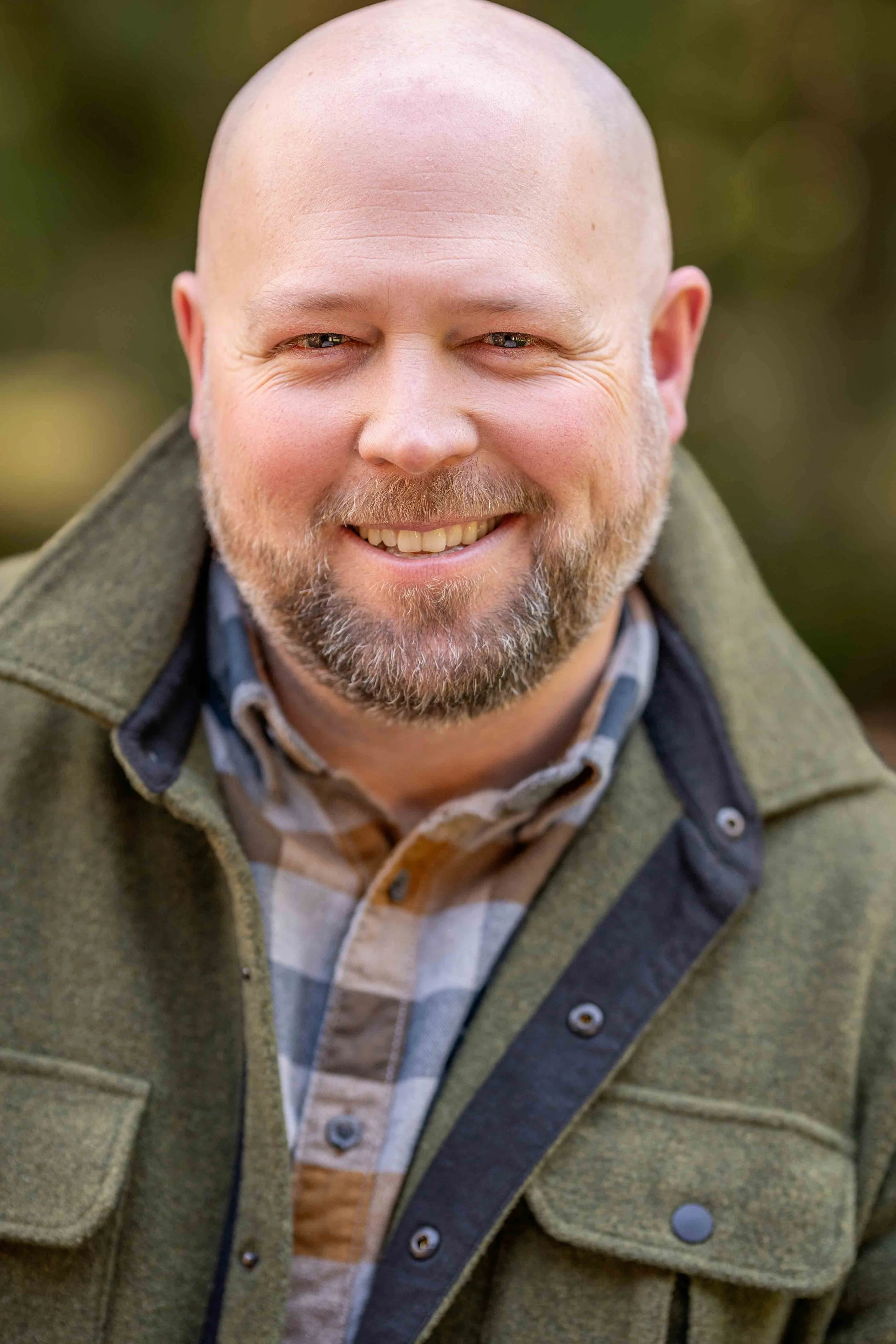
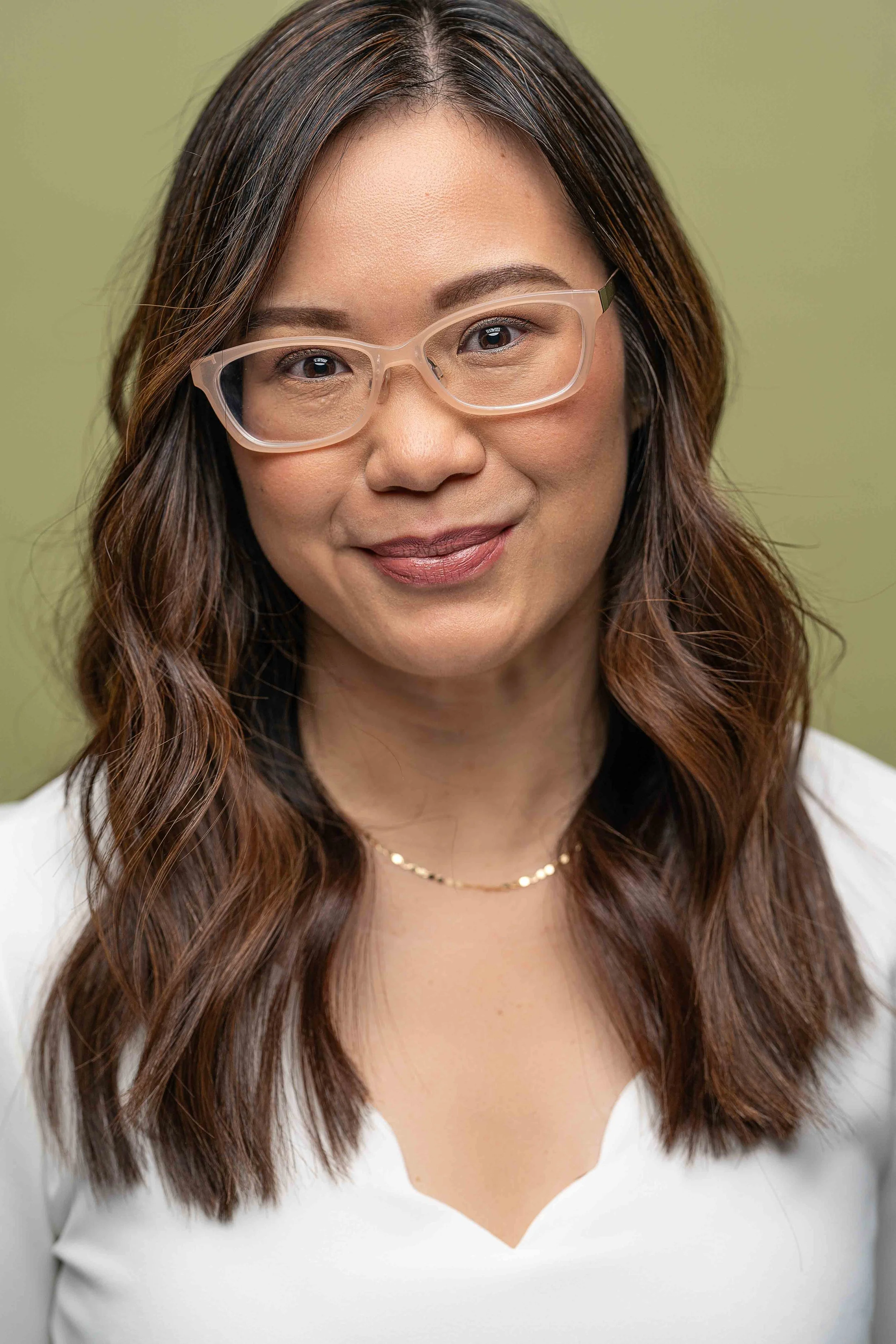
3. That outfit looks great on you (or what to wear for business headshots).
Unlike an acting or modeling headshot, where there’s room for personal clothing styles, your type of business (and the vision of your marketing manager) will play a big role in determining what you wear.
Whatever their direction, pick something within their vision that works well with your complexion and brings out your eye color (e.g., blue eyes and blue shirts go well together.) It’s always good to wear an outfit that’s fairly new (because newer looks fresher) and to bring a couple of variations, ‘cuz spills happen.

At The Session
4. Remember why you’re there.
You’re not making an acting headshot for Phantom of the Opera. You’re not creating a modeling portfolio. No one expects you to photograph like Matt Damon or Margot Robbie.
You’re there to link a “face to a name,” to show your clients that you’re warm and engaging and trustworthy so they’ll ink that $1M deal you’ve been working on.
Being warm and engaging doesn’t mean having a fake smile. It means being open and accessible.
5. How to be open and accessible.
Look at the camera like it’s someone you care really care about, who makes you smile, who gives you a warm feeling. If you look at the camera that way, the viewer will pick up on your “affection” and feel you’re a warm and engaging person. It’s pretty simple.

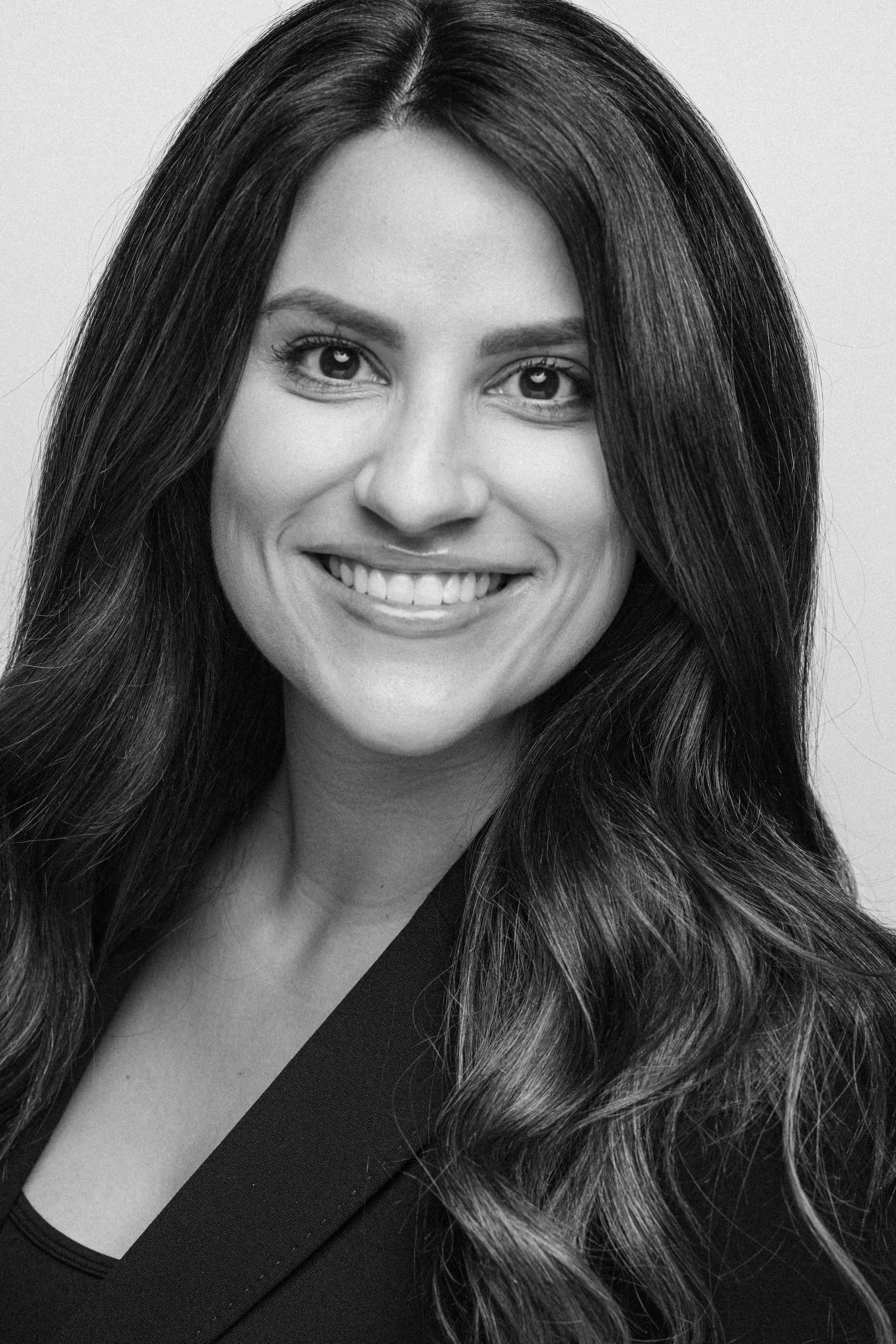
6. Now, about those poses (or, what a business headshot should look like.)
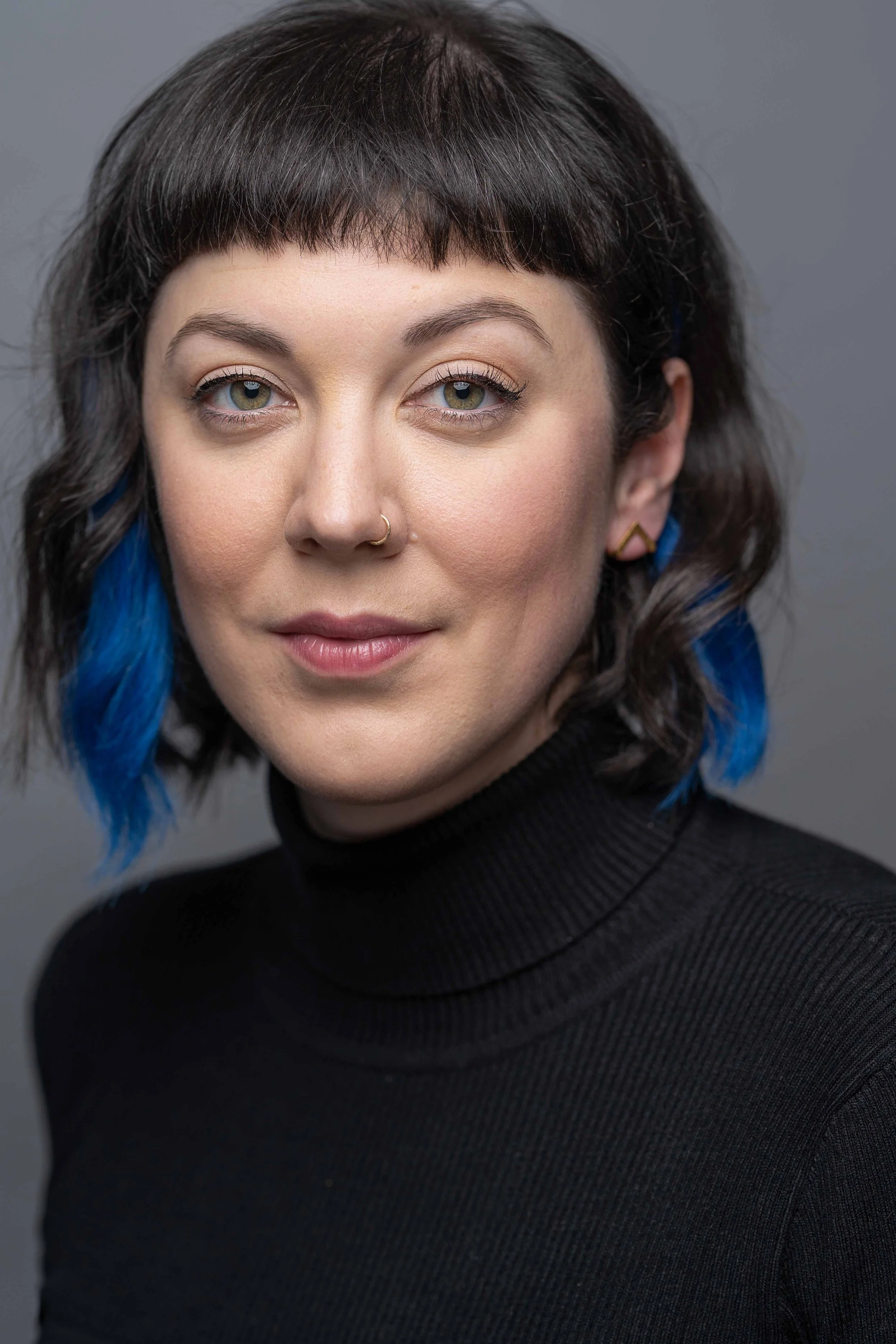
Business headshots, more than any other type of portraiture, are all about the introduction. The way you would approach someone and make an introduction in-person is how you should approach the camera.
Generally that means right shoulder forward, as if you were reaching out to shake hands, but there are variations on that theme that might work better for your body type and face shape. An experienced photographer will point you in the right direction so trust their expertise.
(Pro Tip: contrary to what a lot of photographer’s suggest, don’t bother practicing in front of a mirror. What you see in the mirror is backwards so it won’t look like your picture anyway. And it’ll probably make you ore self-conscious. Better you spend your time doing breathing exercises.)
7. Remember to breathe.
Breathing is a good idea. Doing it keeps you alive. Breathing deeply while in front of a camera is an even better idea. It will relax you.
8. When all is said and done.
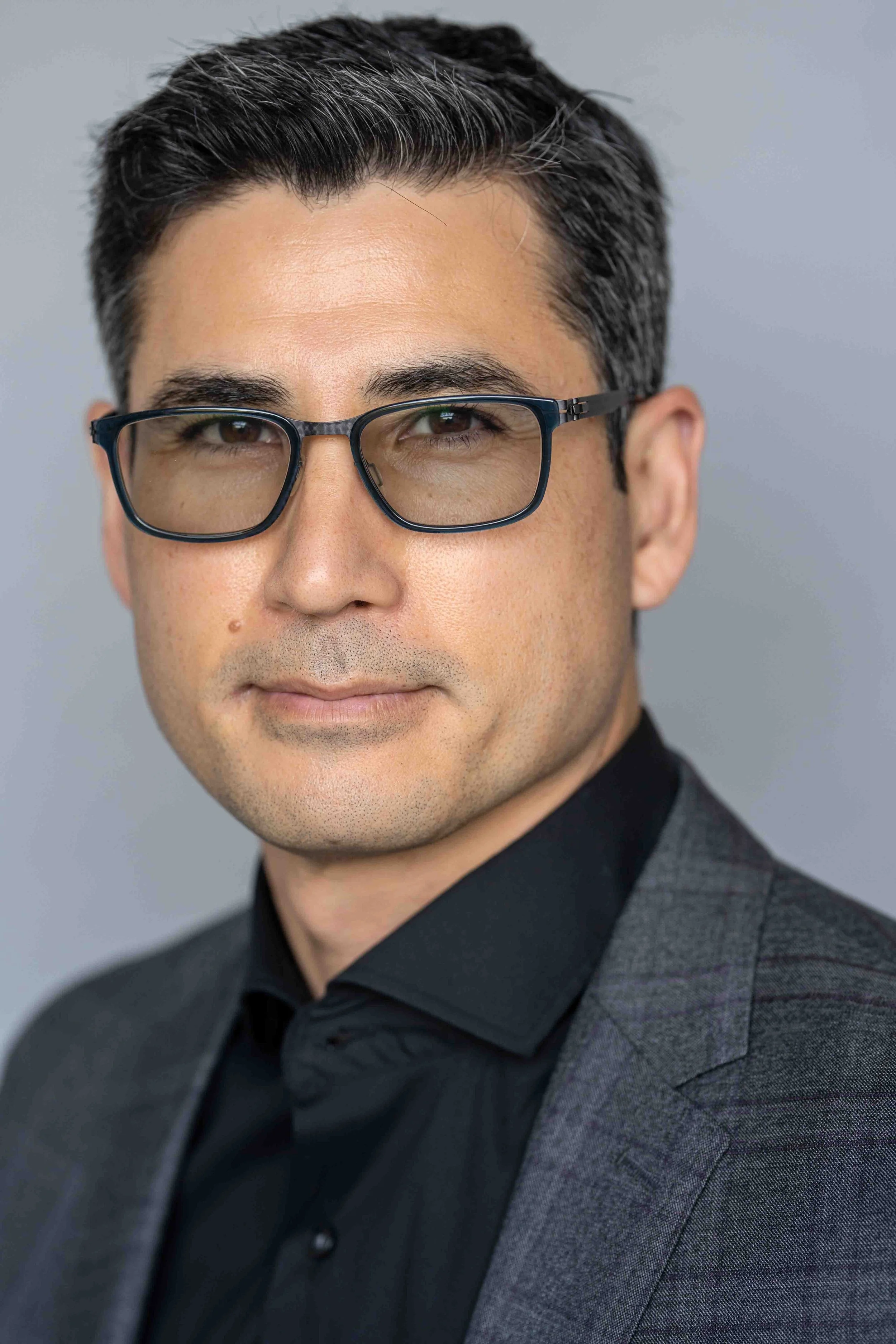
Hopefully, your marketing manager will have picked a photographer with considerable experience and expertise, who makes you feel comfortable, who captures a wonderful picture of you that makes you think “yeah, maybe that modeling contract is a possibility.” But, regardless of whether there’s a Men’s Health cover in your future, if you follow these guidelines you’ll insure your business headshot will be warm and engaging and worthy of your company’s website.
Now get back to your desk and close some business.


Michael Verity is a former newspaper photojournalist who has created headshots and modeling portfolios in the Portland, OR and Vancouver, WA area since 2008. Working from his studio on 11 acres outside Vancouver, he has photographed more than 2,000 actors, models, creatives and business professionals and is recommended by Portland’s leading talent agencies.
6 Favorite Records of 2021
Before I was a photographer I was a freelance music journalist who covered every kind of music on the planet. When I started doing photography full-time seven years ago, it was cool to retire from my music writing career. Do you know how nice it was to listen to an album and not have to come up with an opinion about it?
Years later, I’m still a music junkie and, because I spend a whole lot of time in front of a computer, editing pictures, I get to listen to a lot of albums. A LOT of albums. Like 2 or 3 a day, on average.
Though I no longer have to come up with an opinion as my job, like anyone, my opinions still happen naturally and I have my favorites. So here are my 6 favorite records of 2021, along with the brief notes I might have made as I listened.

Strawberry Mansion - Langhorne Slim
My highest rated album of the year (4.5 on a scale of 5) oddly has no notes attached to it. I was probably busy listening and not thinking, which is the best way to go. For certain, there’s a hopeful spirit about this record that transcends the words and music. (If you’d like to read an interview I did with Slim — aka Sean Scolnick — you can check one out here.)
Todd Snider - First Agnostic Church of Hope and Wonder
The time I first listened, all I said was “I love it,” probably because it’s all soul and funk and acoustic guitars. If I understand correctly, this was inspired by a series of Sunday morning online concerts that Snider did during lockdown (and the spirit shows).

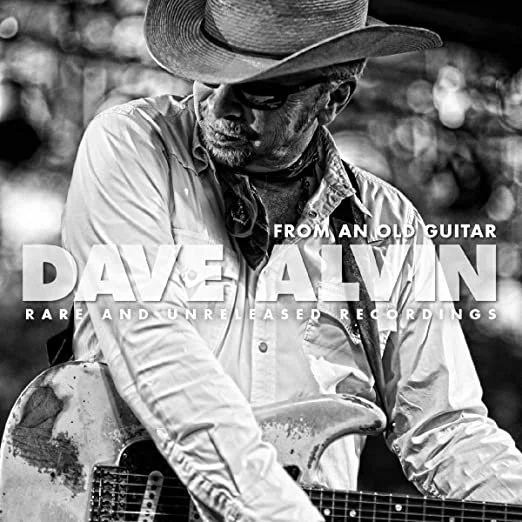
Dave Alvin - From An Old Guitar (Rare and Unreleased Tracks)
“Rare and unreleased” can mean true gems or pure garbage (hence the reason why they were unreleased). In this case, it’s the former that happens here. And you gotta love the guy’s voice.
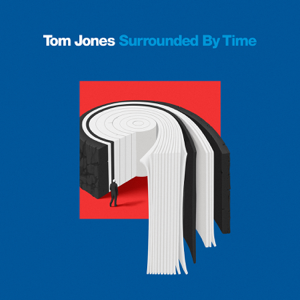
Tom Jones - Surrounded By Time
Yes, Tom Jones is still alive (he’s 81 years old) and he’s still recording (this is his 41st album) and it went to #1 in the UK, making him the oldest legitimate pop star on the planet. And, to be honest, he sounds AMAZING. My original notes summed it up": “Tom’s a dude.”
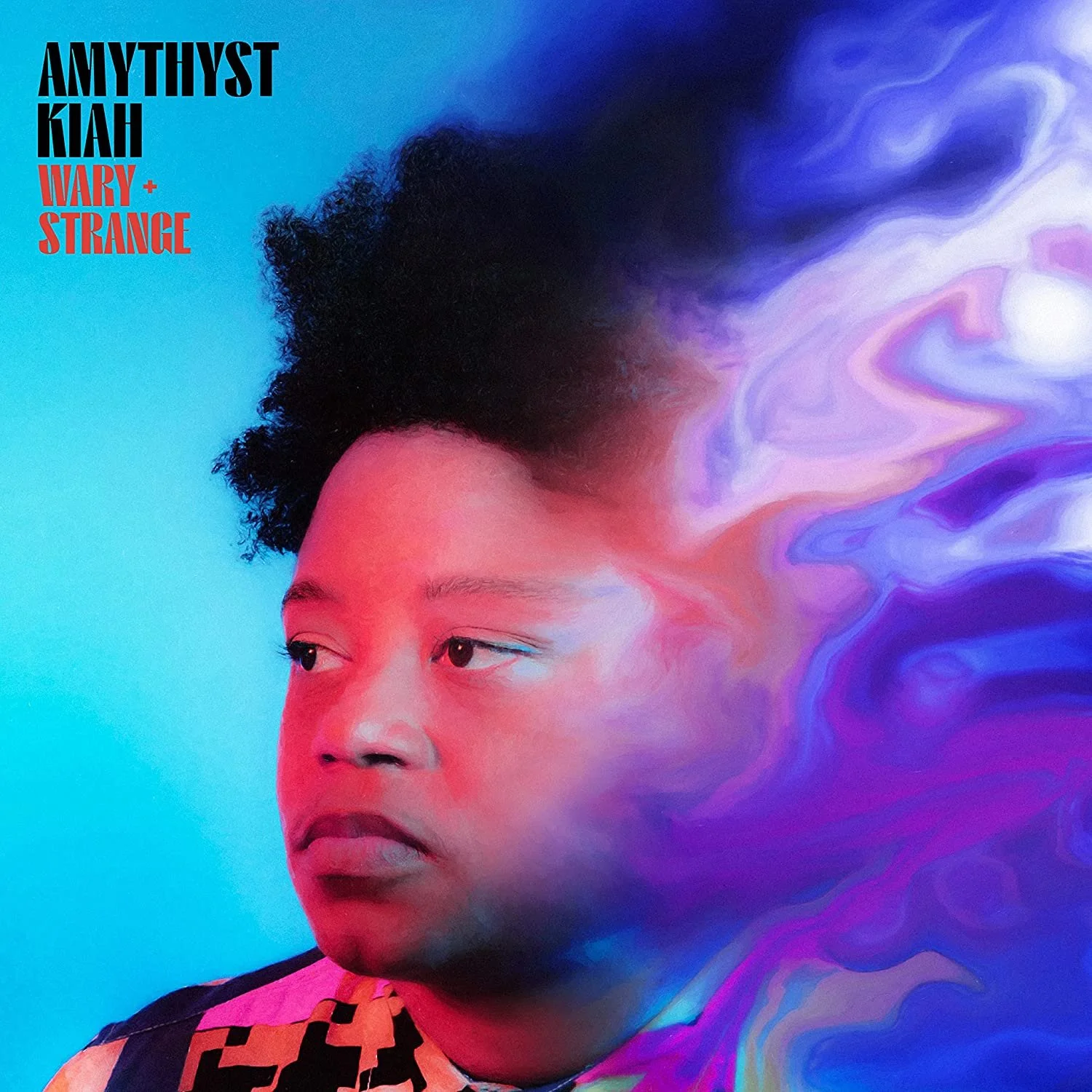
Amethyst Kiah - Wary + Strange
I came to this album late in the game — just a few weeks ago, in fact — and though I didn’t rate it as numerically high as others, it probably deserves a 5 out of 5. It’s that good. Or, as I said at the time: “Wow.”
Allison Russell - Outside Child
Pure magic. ‘Nuf said.

Runner’s Up
(aka albums released in 2020 that I just go to this year)
Waylon Payne - Blue Eyes, The Harlot, The Queer, The Pusher and Me
Herman Dune - Notes from Vinegar Hill
Bonny Light Horsemen - Bonny Light Horsemen (probably the best album I’ve heard in the past 4 years)
Justen Farren - Pretty Free
John Craigie - Asterisk The Universe
Bob Dylan - Rough and Rowdy Ways
Here’s a little sampler playlist
5 Books That Inspired me in 2021
I’m a massive reader — non-fiction, please — and an addictive collector of books about art and photography. There are always a few that rise to the top and rank among the most inspiring books I’ve read over the previous 12 months. Here they are.
Natasja in Colares
Lachlan Bailey
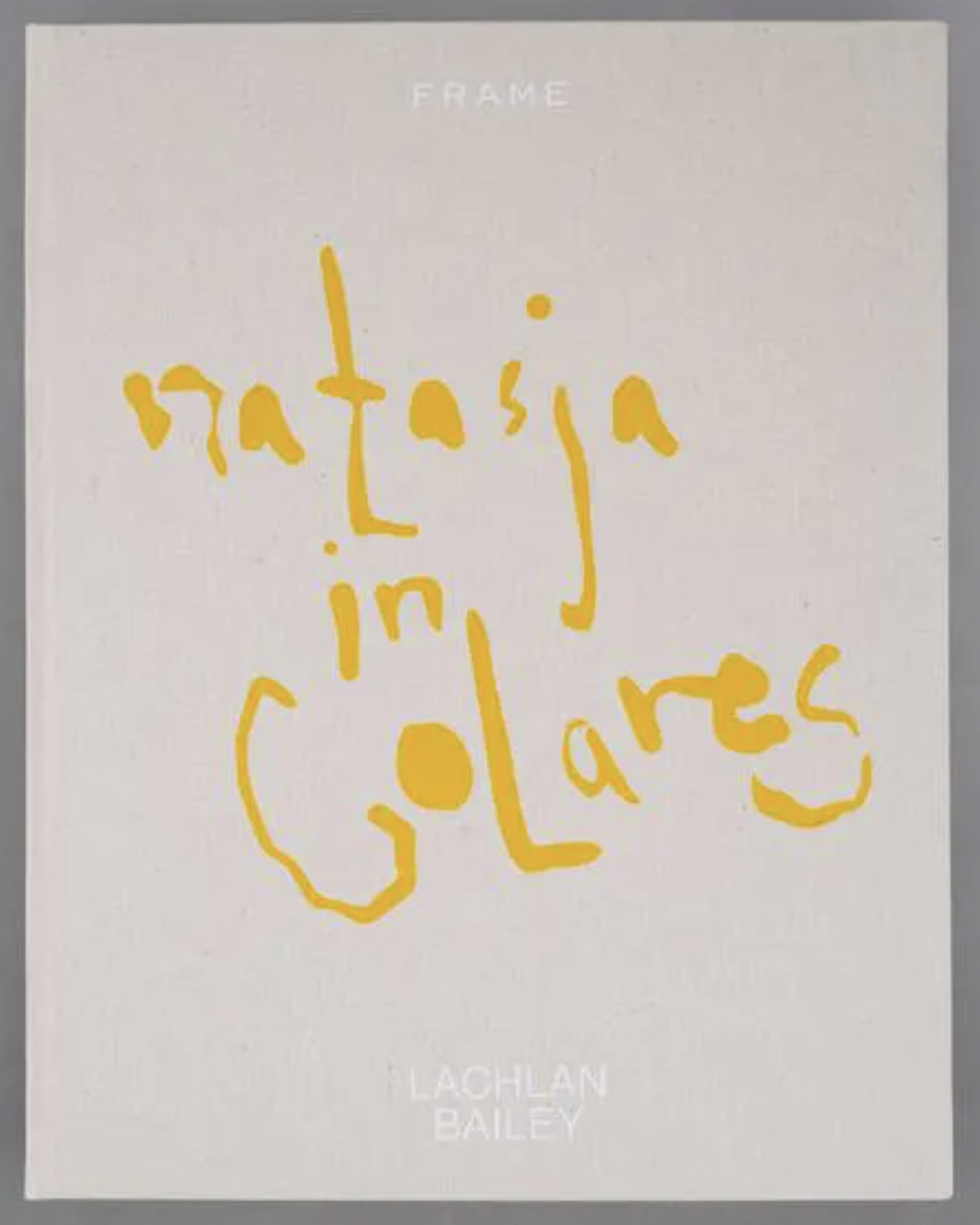
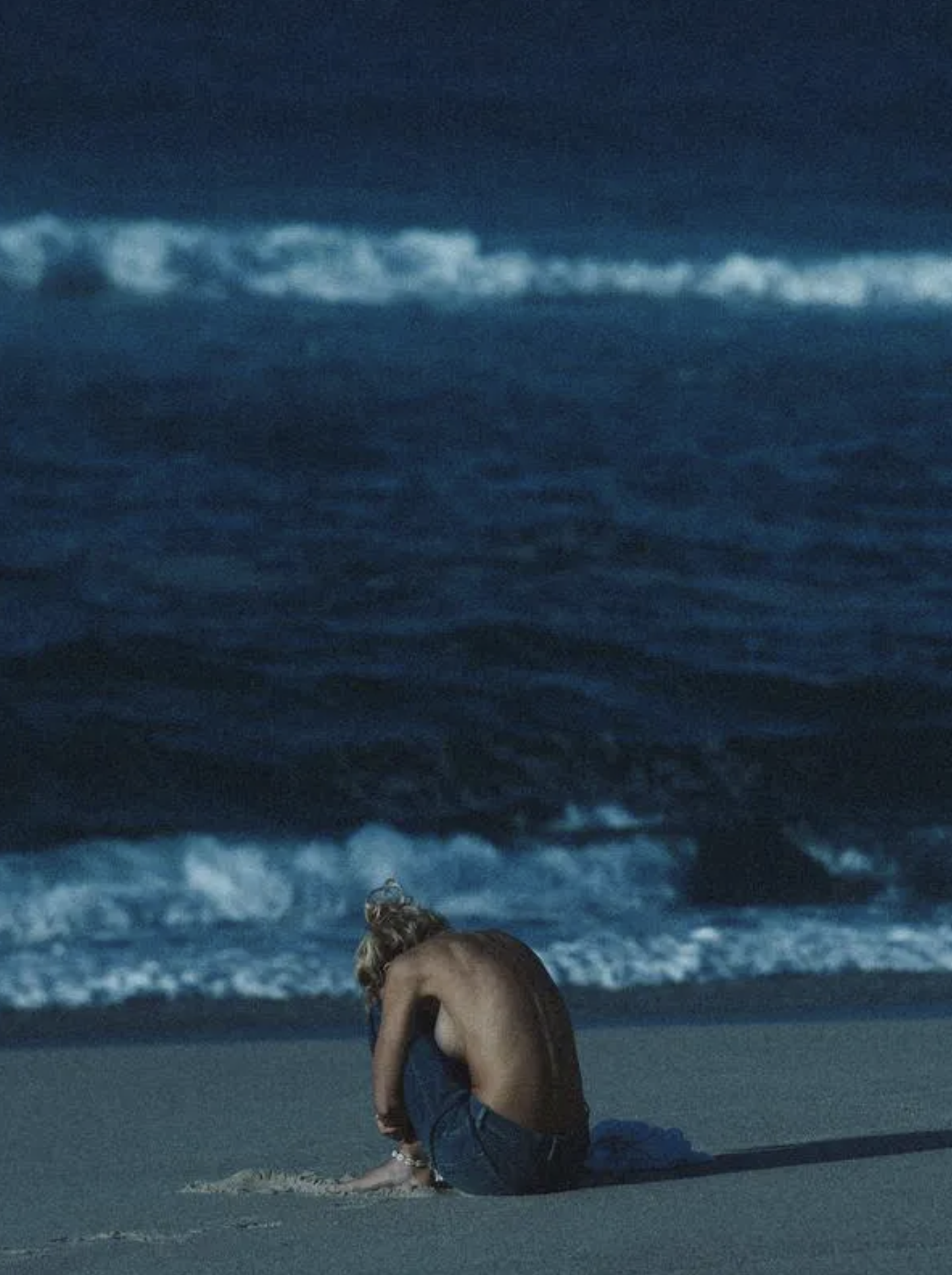
If I have the story straight, world-renowned photographer Lachlan Bailey and model Natasja Madsen found themselves simultaneously quarantined in the (not-so-horrible) confines of Colares, Portugal.
With the help of Erik Torstensson, co-founder of FRAME clothing, the pair spent a few days at a rented villa, creating the remarkable photos that inhabit this book. While shooting the stars for Vanity Fair and Vogue may be out of my reach, the work in this book reminds me great pictures are always attainable. They don’t require a team of 20 stylists, just the right people, the right place and the right attitude.
The original print run of 2000 — with proceeds to benefit Wildlife Victoria — sold out almost immediately but it looks like a second run is available at the FRAME website.

It’s Not How Good You Are, It’s How Good You Want To Be
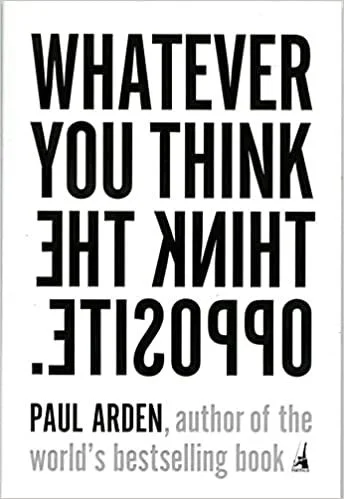
Whatever You Think, Think The Opposite
Paul Arden
I discovered “It’s Not How Good You Want to Be …” at Chelsea Books in NYC but, as I was trying to travel light, I didn’t buy it until I got home. Thanks to Amazon, I found “Whatever You Think …” and it’s turned out to be my favorite of the two. No matter though: you can read both in the span of an hour and return for nuggets of wisdom here and there.
My favorite part is page 81 of Whatever You Think …”, wherein Arden talks about reviewing the portfolios of photographers seeking commissions. He said 99% of the work was of a high standard but 98% seemed like something he’d seen before. The two percent that stood out, he said, did so because they had a point of view that was uniquely their own. “These were often difficult people,” he writes, “almost unemployable because you couldn’t tell them what to do. Sometimes it went wrong.” he added, “Sometimes it didn’t. When it didn’t go wrong it more than made for the times it did.”
A great book for anybody who lives a creative life, which is all of us.
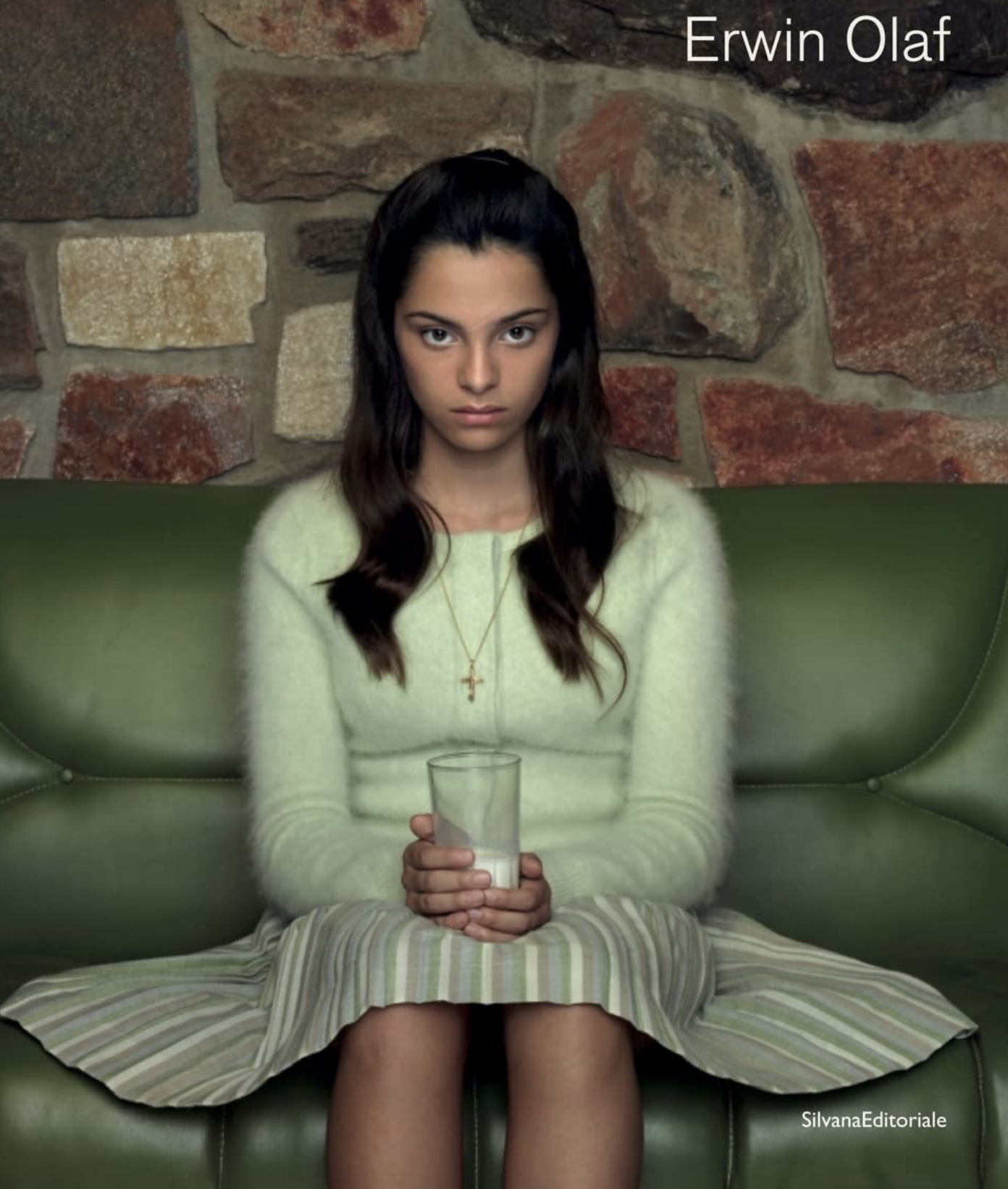
Erwin Olaf
I’d never heard of Erwin Olaf before I set about spending my life’s savings this past fall at The Strand bookstore in New York. This is a case where the book was definitely sold by its cover. I’m fascinated that an ordinary (albeit beautiful) girl doing something as simple as sitting with a glass of milk can have such otherworldly qualities. (She looks like an insect, her wings the sofa and her dress.)
ONE + ONE = THREE
Dave Trott
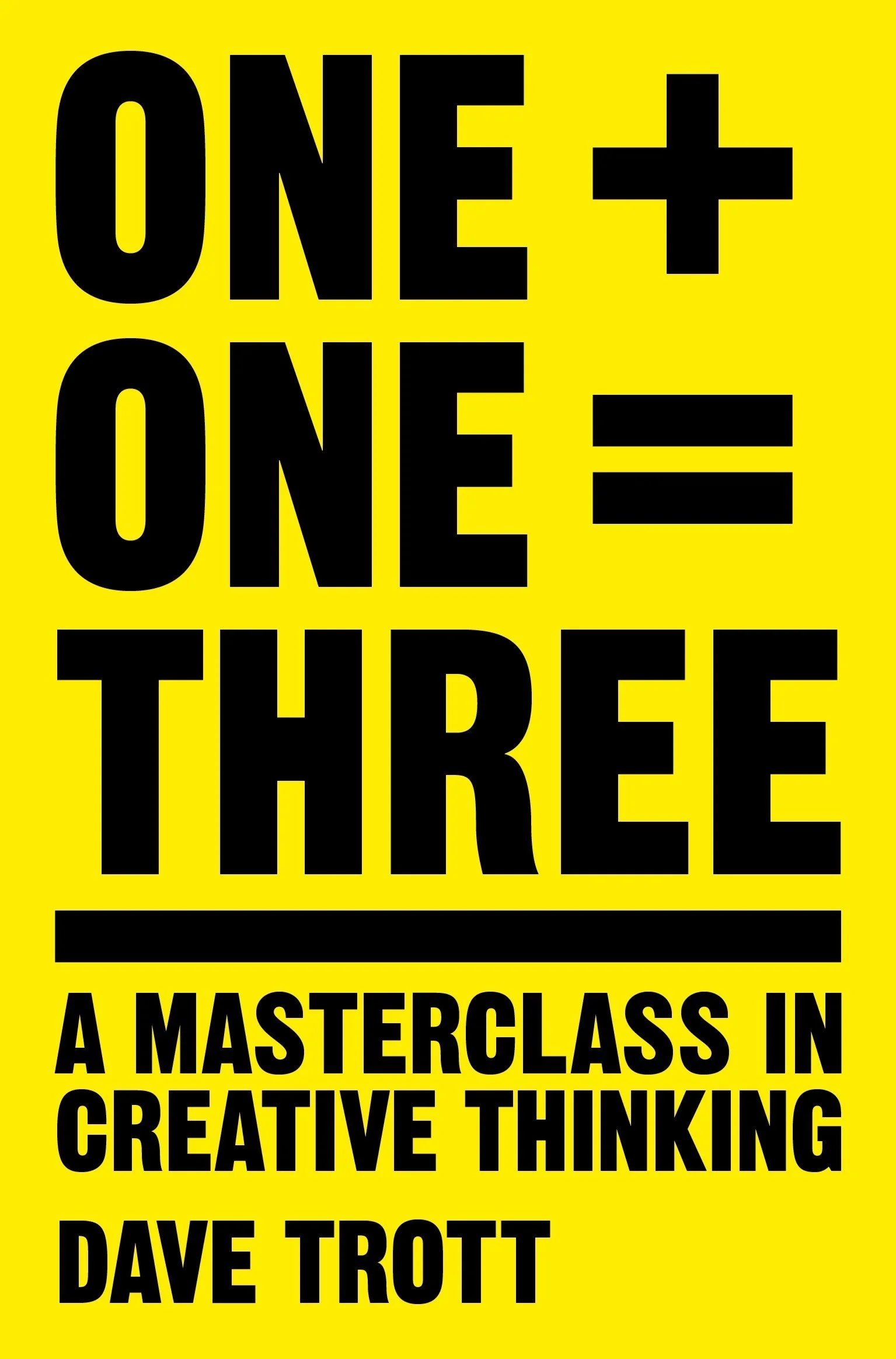
Obviously one plus one equals two. What else could it be? Well, that’s what this book is all about.
Creating Photographs
Albert Watson
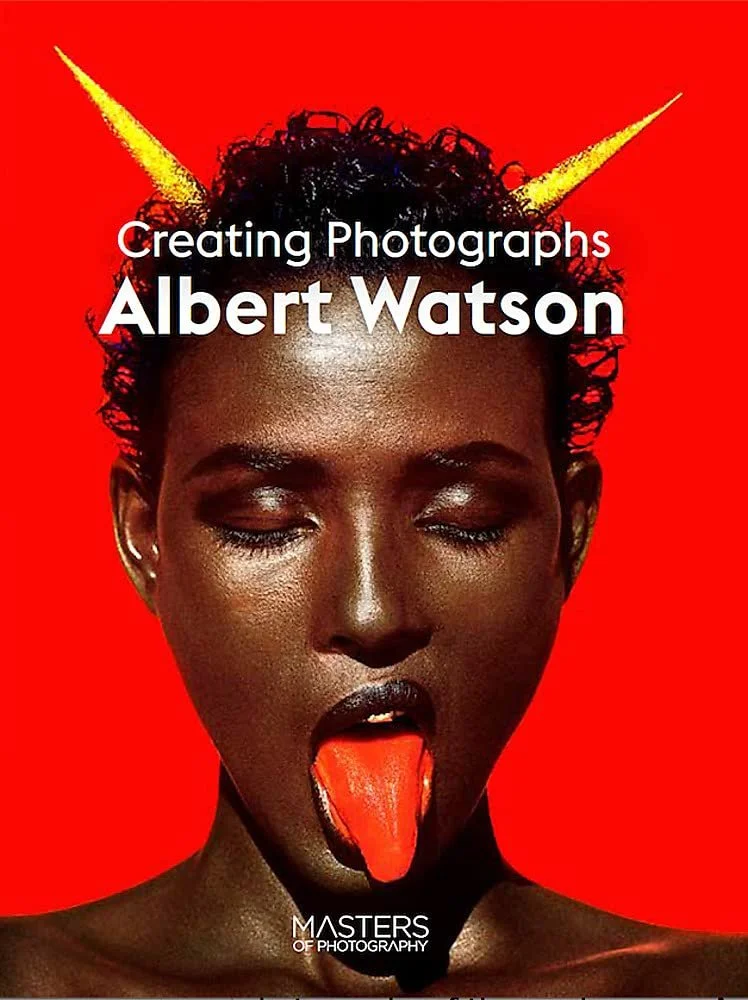
This book is actually a condensed transcript of key points from Watson’s Masters of Photography class. The video is better, of course, but it’s also 10X the cost of this book, which is just $14.95. It’s also nice to have the words in front of you, especially when there isn’t a device on which to watch a video (like when you’re on holiday at the North Pole, the only place left without wi-fi). The site also has classes by Steve McCurry and Joel Meyerowitz, a couple other guys who knew what they were doing.
Runners’ Up
Nadav Kander - The Meeting
Craig McDean - Amber, Guinevere and Kate
The last several of Homme Girls magazine
Our Senior Session with Sidney, Music Lover and Kiss Fan
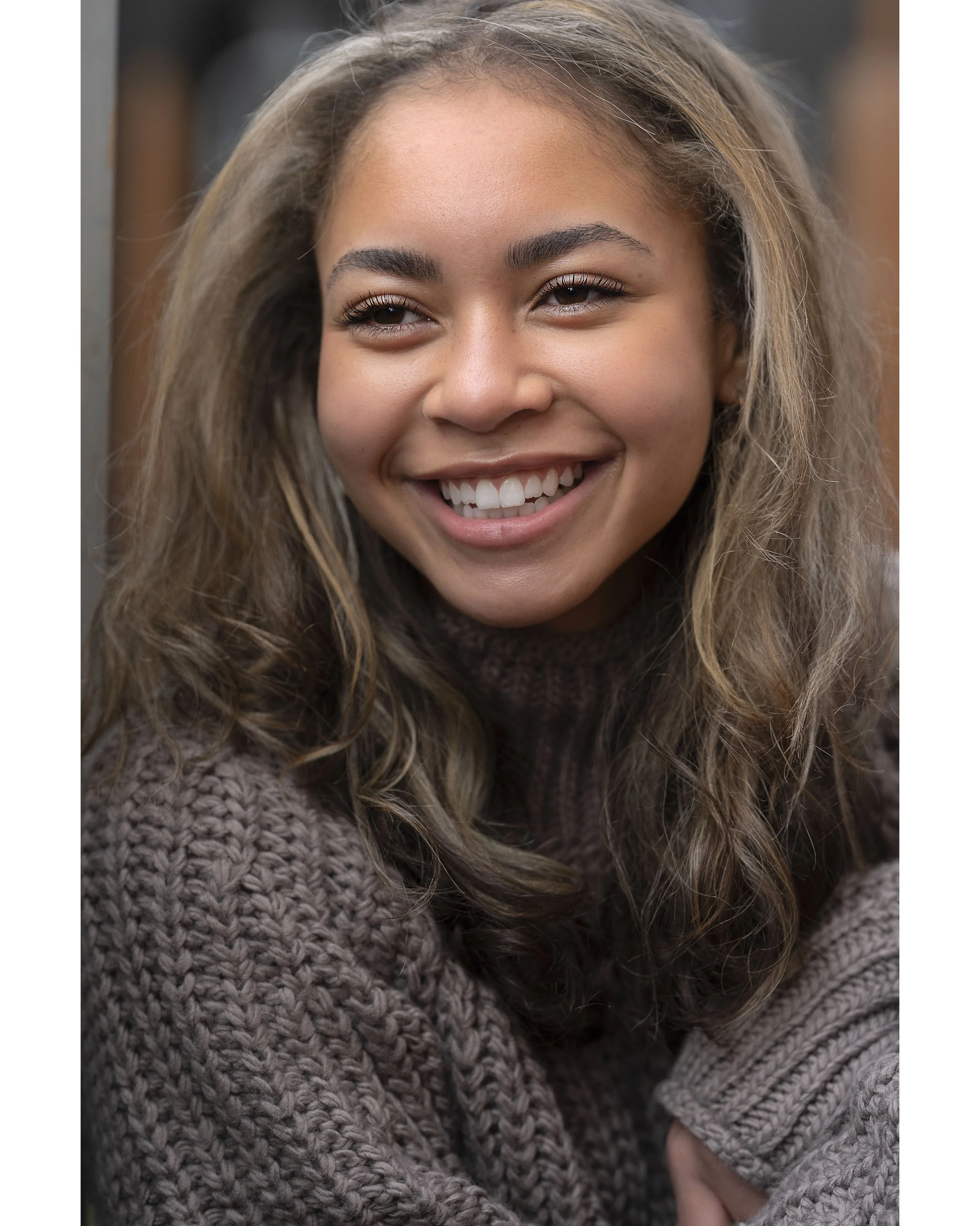
Though I don’t advertise myself as a senior portrait photographer, I do the occasional senior session by request (more so lately as many of my earliest child model clients turn into high school seniors). My session this past weekend with my new friend, Sidney, has me thinking I might like to do more.
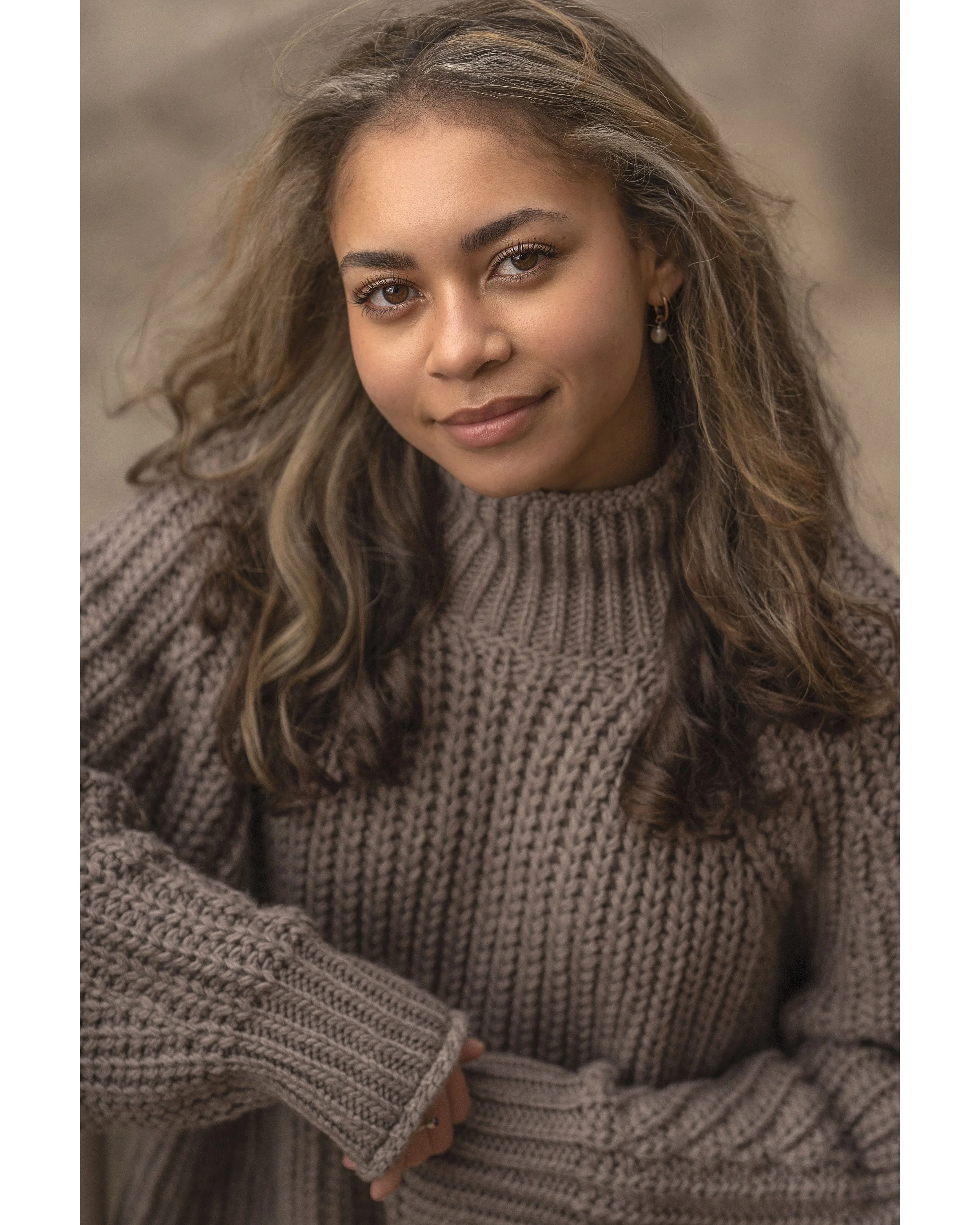
We started by dancing in between the raindrops of the PNW, November-style, to capture some shots of Sidney cozied-up in her favorite sweater. You wouldn’t know it from her smile but, in the first picture, we actually wedged ourselves between some industrial sized air conditioners to escape the wind and rain.
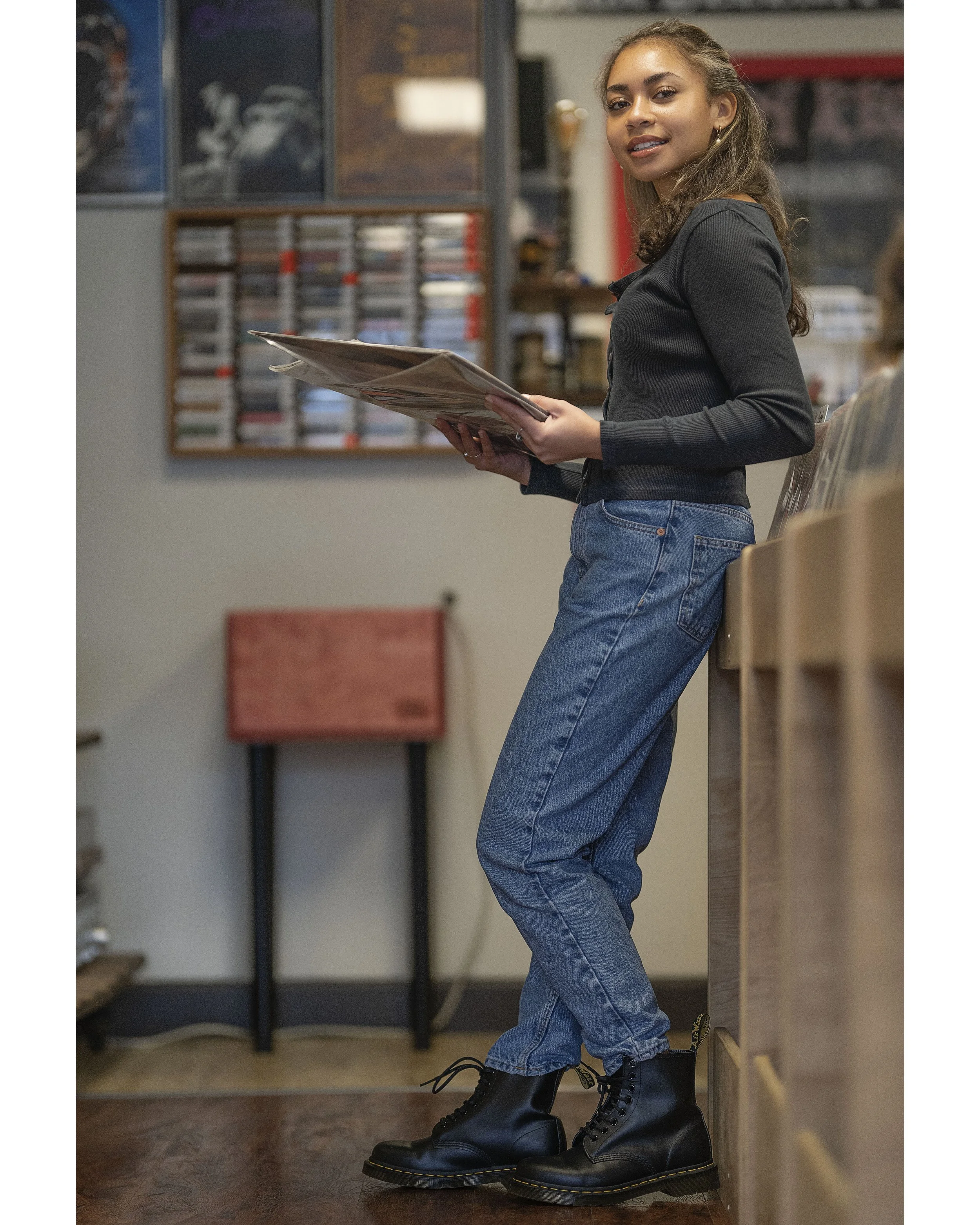
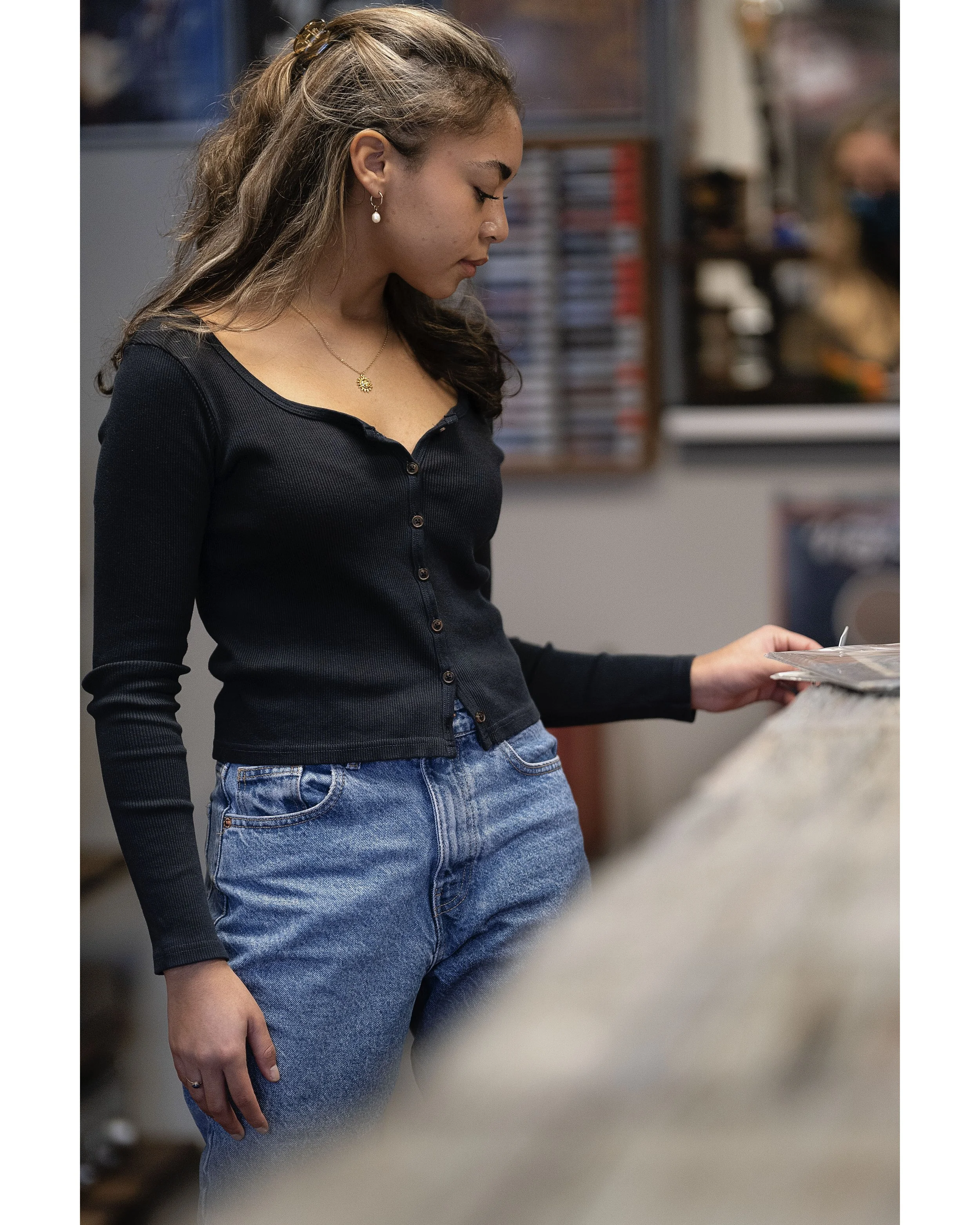
It was Sidney’s idea to shoot in a record shop and my idea to do it at 1709Records in downtown Vancouver, WA where Mikki, the owner was totally welcoming, supportive and enthusiastic.
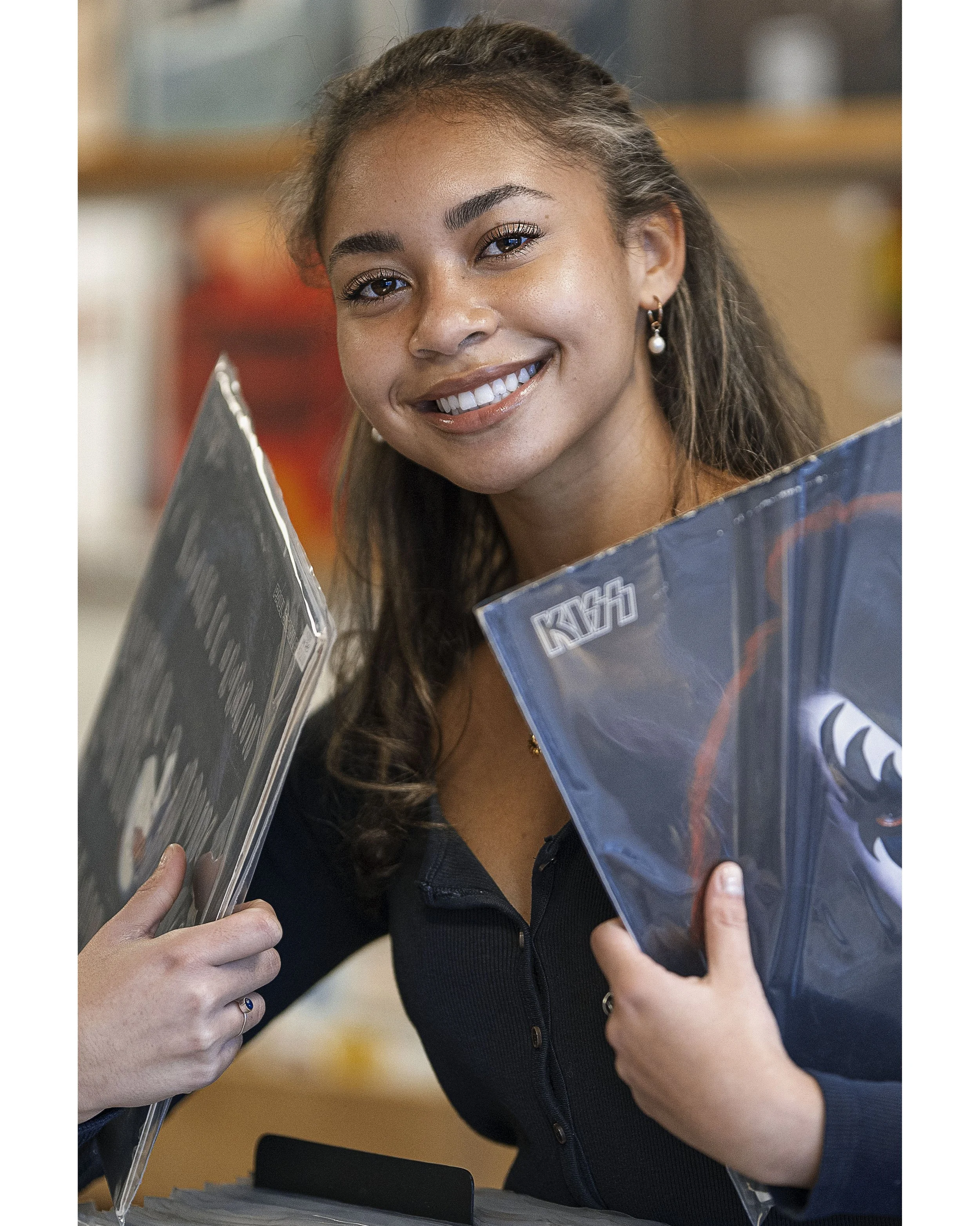
I learned that Sidney is a major Kiss fan (Paul Stanley, preferred) and she learned (from me, a fountain of music trivia) that Peter Criss was laying flat on his back when he recorded vocals for “Beth.”
Big surprise: I also learned I can’t walk out of a record store empty handed — even though I have, literally, thousands of vinyls in my studio. Sunday’s haul was Stephen Stills classic ’76 long player, Illegal Stills; Duo-Glide, the 1978 follow-up to Sanford Townshend Band’s “Smoke From A Distant Fire;” and a repackaged version of the first album by The Raspberries. Check below for a little sampler and hit me up if you need some senior pix.
Shooting Stars: Kloe Armstrong
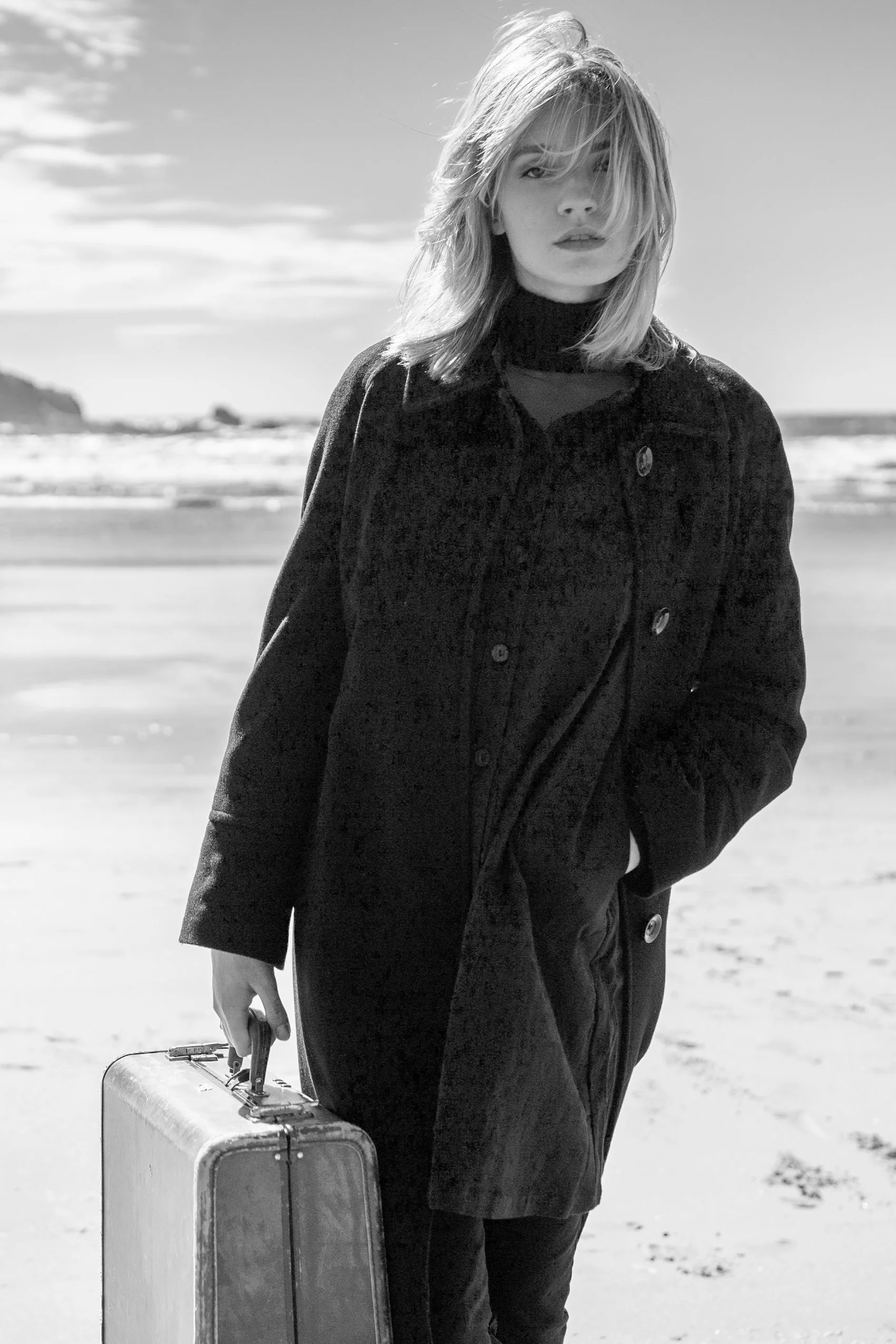
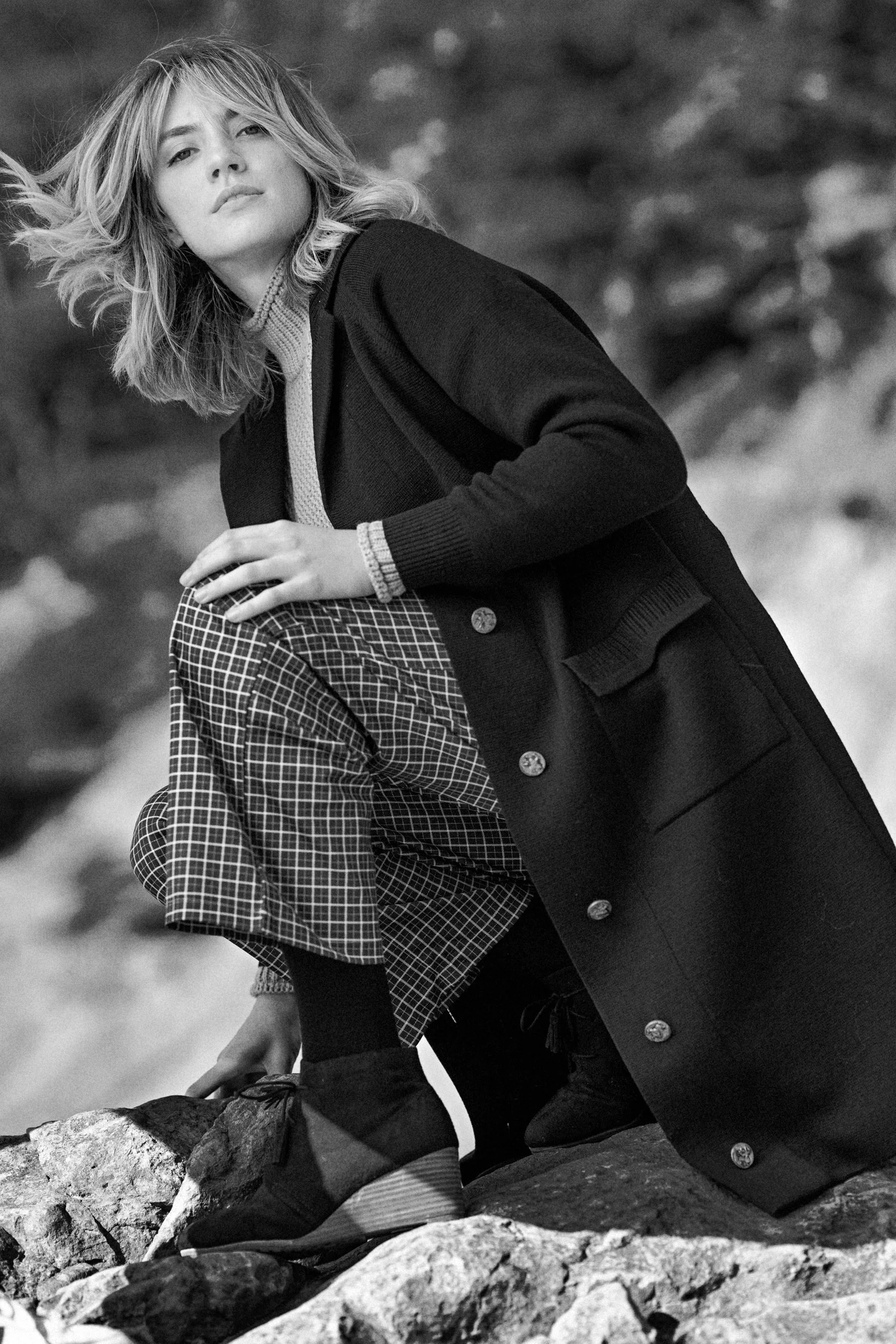
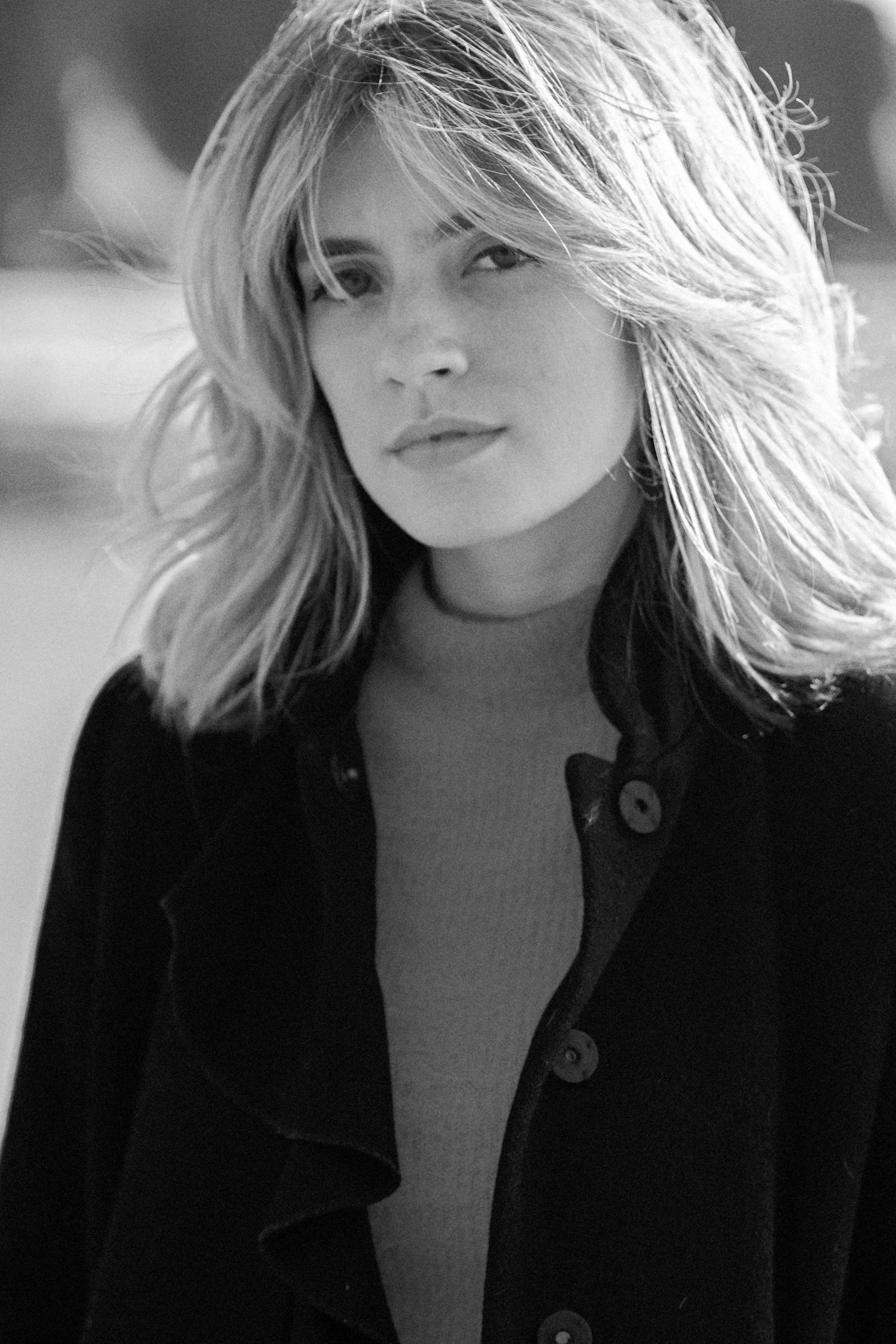
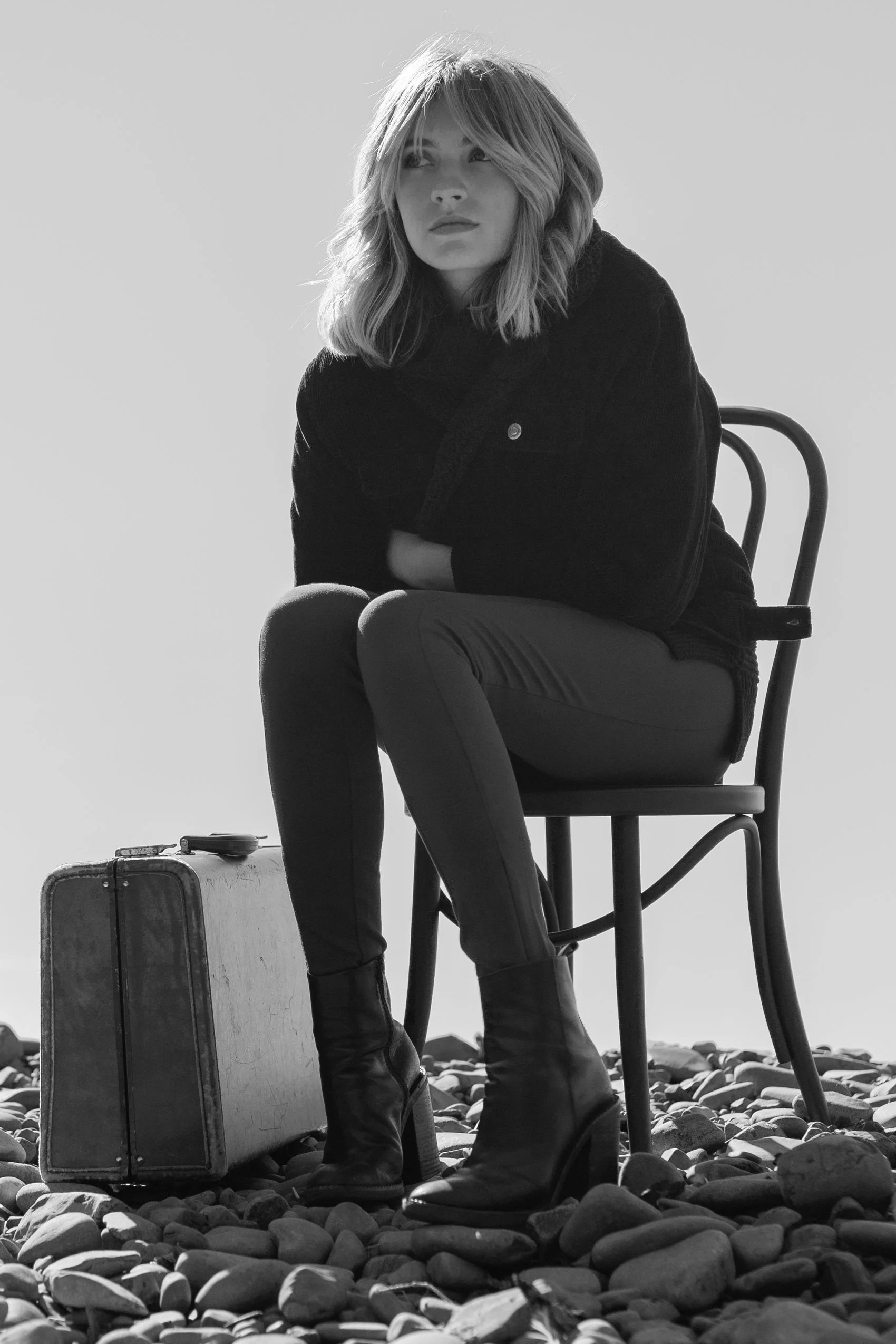
Shoot Title: Kloe Armstrong
Inspiration: This editorial story was inspired by the famous fashion photographer, Peter Lindbergh. It’s based on a behind-the-scenes video called Ault that was filmed for Vogue magazine in 2014 and features the beautiful models Mariacarla Boscono and Sharon Cohendy.
We traveled to one of Kloe’s favorite places, Arch Cape, OR, with the idea of capturing the same cloudy, misty feeling of Lindbergh’s video. Mother Nature, however, had other ideas. By the time we arrived, the sun was out in full force and the cove was full of surfers.
So our dark and desolate editorial story (originally titled Andata, Italian for “gone”) became a brighter and shinier story named Kloe Armstrong, a simple document of a beautiful person in her favorite place.
How many shoots we’ve done together: at least 10, with two more scheduled for this winter.
Time of year: Fall
Location: Arch Cape, Oregon
Shoot music: The ocean
Shoot munchies: Reese’s Peanut Butter Cups
Most unexpected turn: The sunny weather. (It’s the Pacific Northwest. We expect gloom.)
Kloe’s favorite part of the day: “The atmosphere that we created was absolutely inspiring, especially when it came to really being in that role. I loved the creativity and fun that we were able to incorporate!”
My favorite part of the day: “About 30 minutes before we finished, I watched Kloe’s approach to the camera elevated to a whole new level. Beautiful pictures are great. Seeing greater confidence in the young people with whom I work is even better.”
Camera: Sony A7rIII
Lens: Sigma 105mm f1.4
Propers: Carson Verity, who helped design the initial wardrobe direction; Danielle Armstrong, who made the wardrobe happen (along with providing the peanut butter cups :) and Claire Verity, my always supportive sidekick.
Michael Verity is a former newspaper photojournalist who has created headshots and modeling portfolios in the Portland, OR and Vancouver, WA area since 2008. Working from his studio on 11 acres outside Vancouver, he has photographed more than 2,000 actors, models, creatives and business professionals and is recommended by Portland’s leading talent agencies.
Behind-the-Scenes: Kloe Armstrong
Inspired by Peter Lindbergh’s video, Ault, filmed for Vogue in 2014 and featuring Carlamaria Boscono and Sharon Cohendy, our humble behind-the-scenes video captures a few moments with our wonderful friend and beautiful model, Kloe Armstrong.
See pictures and learn more about our session in the Shooting Stars article here.
Shooting Stars: American Beauty
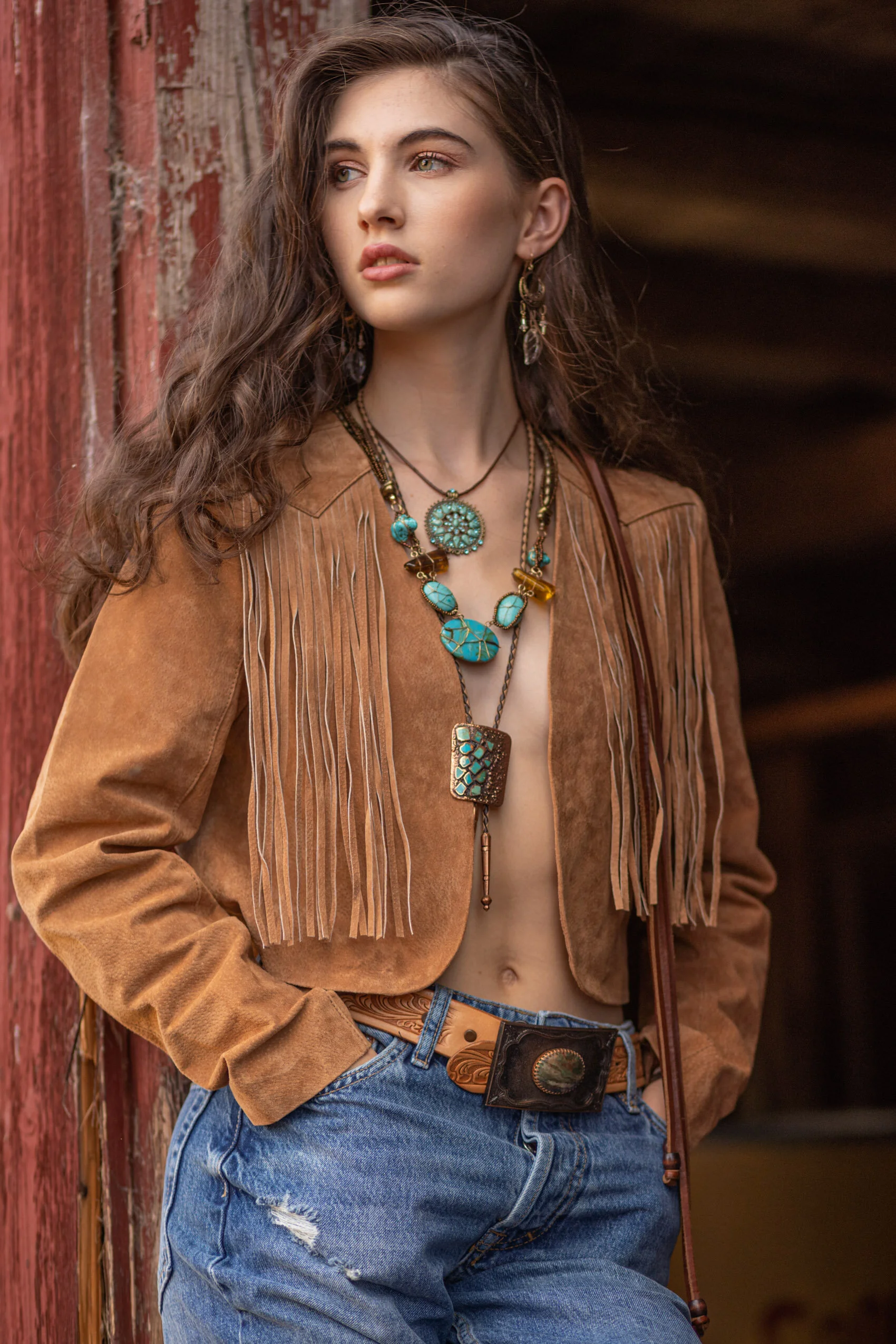
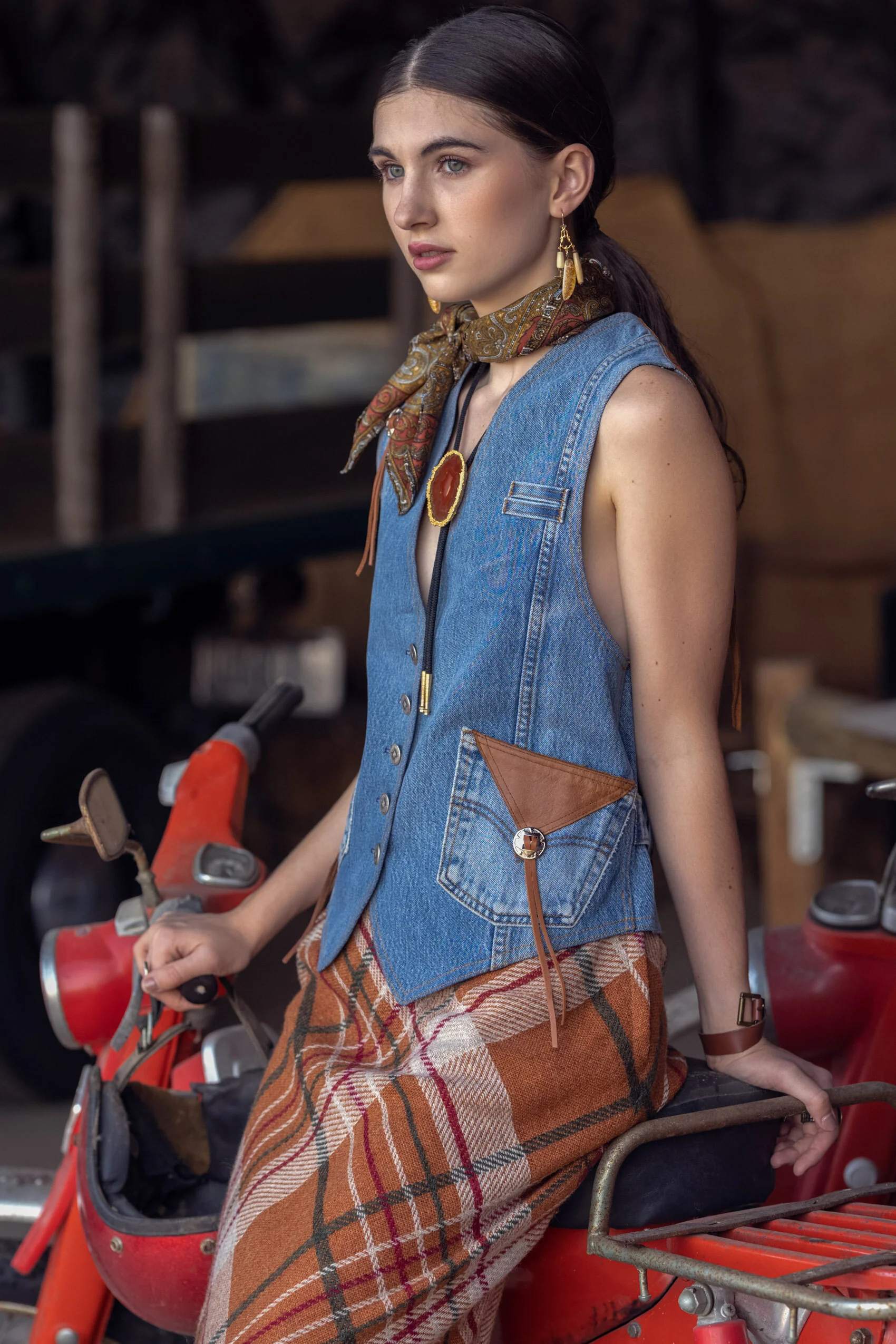
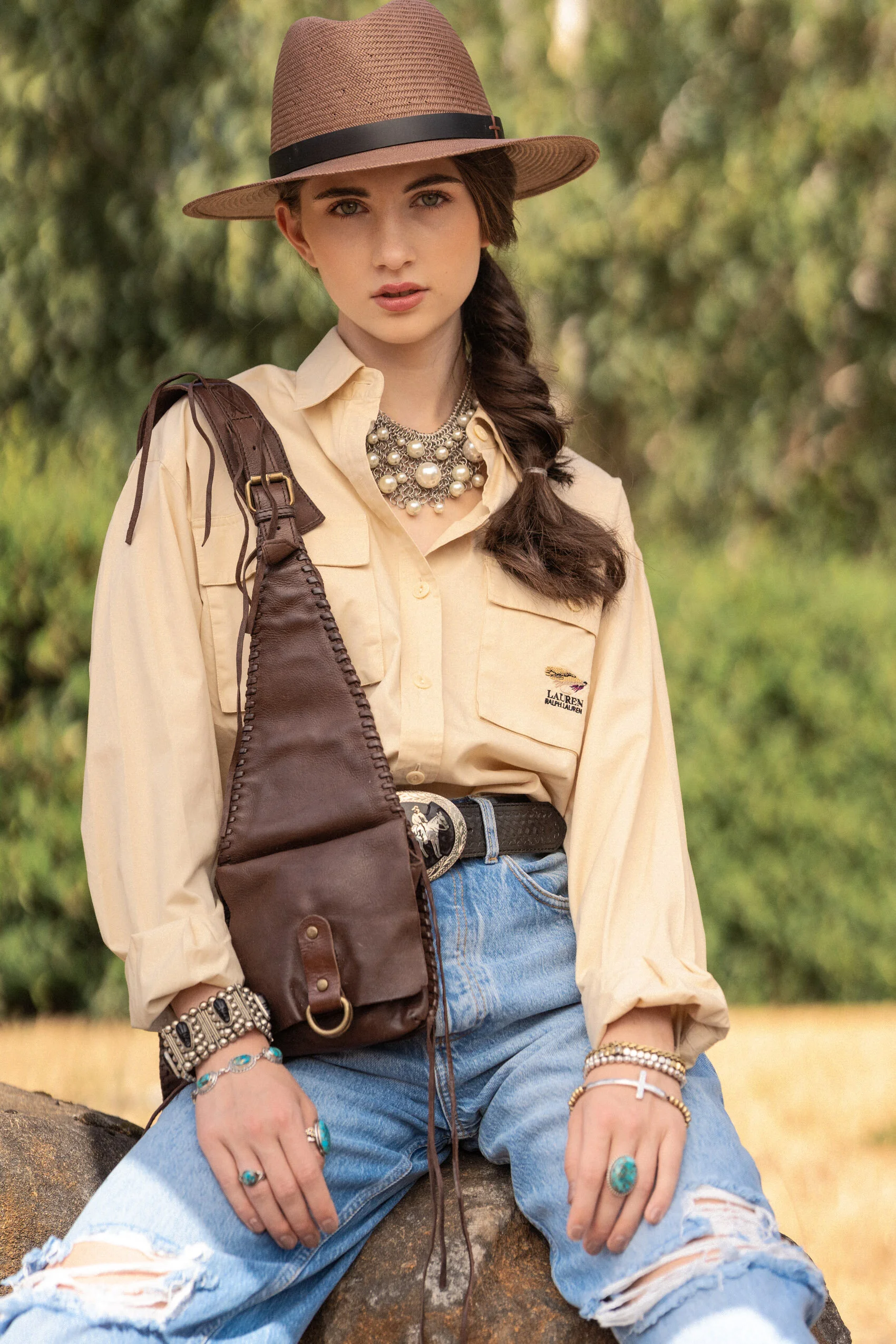
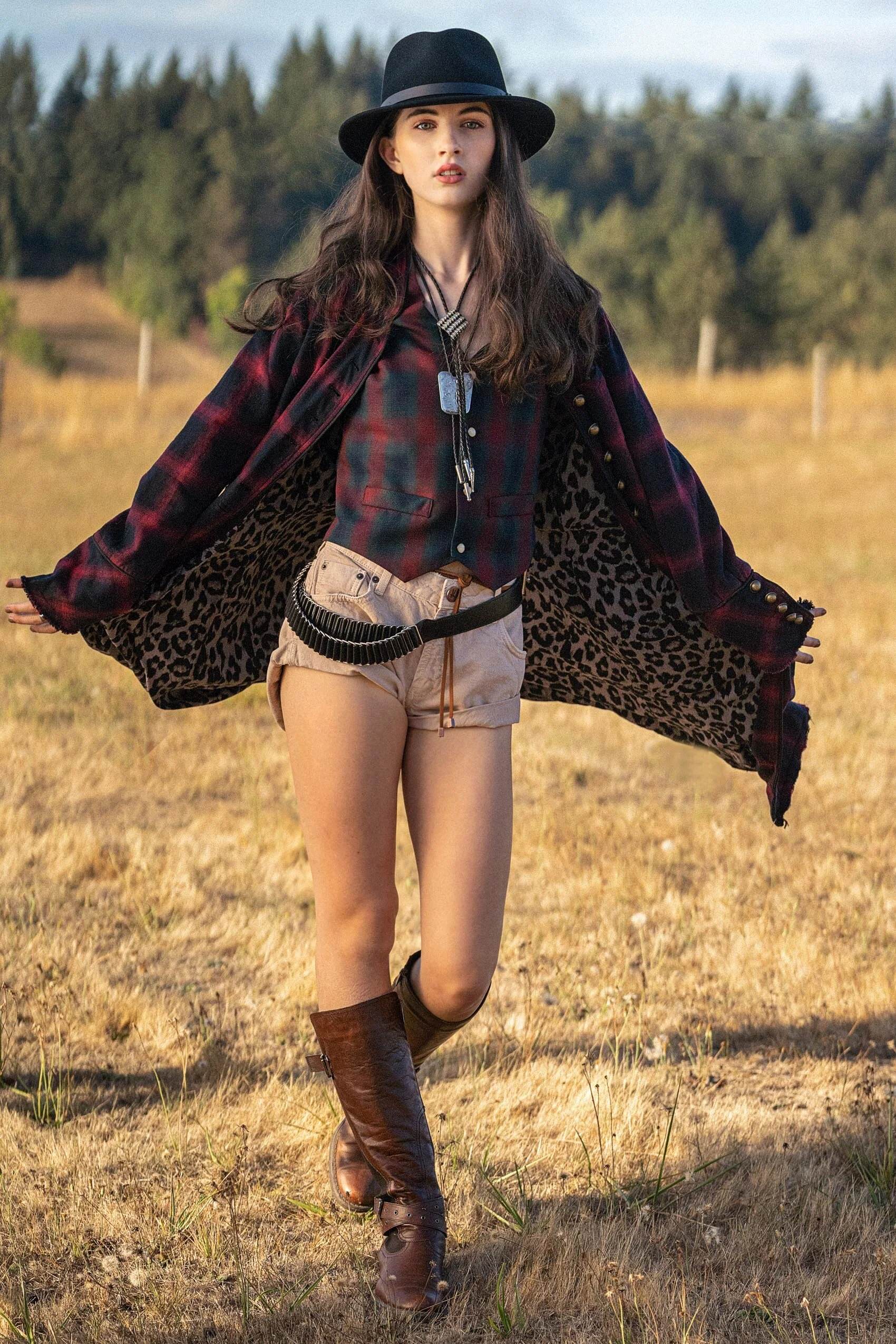
Shoot Title: American Beauty
Inspiration: It’s no secret I’m a huge fan of Ralph Lauren, from the rugged style of his designs to the beautiful photography that appears in his advertisements. I’m also a huge fan of Jamie Mack, with whom I’ve worked several times. It’s been a year, at least, since I had the vision of shooting her in the RL style and, finally, this fall we made it happen.
Model: Jamie Mack
How many shoots we’ve done together: 8, dating back to our first headshot session in February 2019
Time of year: Fall
Location: Jamie’s family property (along with the lovely barn at their down-the road-neighbors) in rural Oregon.
Purpose of the shoot: To fulfill my vision and make some amazing pictures of one of my favorite models.
Shoot music: Just the quiet of nature, actually, and the sound of laughter and conversation.
Shoot munchies: Bananas and Bubly, ‘cuz energy and hydration.
Most unexpected turn: After shooting the first two looks at Jamie’s property we drove down the road and finished the last three outfits at their neighbors farm. I had no idea the space was so beautiful or that they would be so accommodating.
Jamie’s favorite part of the day: The team manages to find pieces and locations that are unique in and of themselves, and once everything comes together the vision combines perfectly. It is always jovial to surround your self with people who are passionate about the art form while complimenting each person’s contribution.
My favorite part of the day: I can’t really narrow it down, to be honest. My wife and sidekick and fashion editor, Claire Verity, did an amazing job of putting together the wardrobe. Alysa Powell-Tetreault of Most Everything Vintage in Vancouver contributed some wonderful vintage items and, as usual, Karina Talaro rocked the hair and makeup looks. And it goes without saying — just look at the pictures — that Jamie is beyond beautiful.
Camera: Sony A7rIII
Lens: Sigma 105mm f1.4 and Canon 85mm f1.8.
Favorite shoot hack: With the exception of the plaid dress, everything in this session was shot at ISO 800 to get that softer, granier feel that comes with a more sensitive film (sensor) setting. There was a time when ISO 800 was to be avoided — there was just too much digital noise — but most cameras these days shoot beautifully at that setting. We also debuted an 8’ x 8’ scrim by Glide Gear which, while a little unwieldy at times, provided a big, bright and gorgeous soft light. The picture at the very bottom of this article was shot with the scrim, camera right.
Michael Verity is a former newspaper photojournalist who has created headshots and modeling portfolios in the Portland, OR and Vancouver, WA area since 2008. Working from his studio on 11 acres outside Vancouver, he has photographed more than 2,000 actors, models, creatives and business professionals and is recommended by Portland’s leading talent agencies.
3 Great youth Headshot Looks
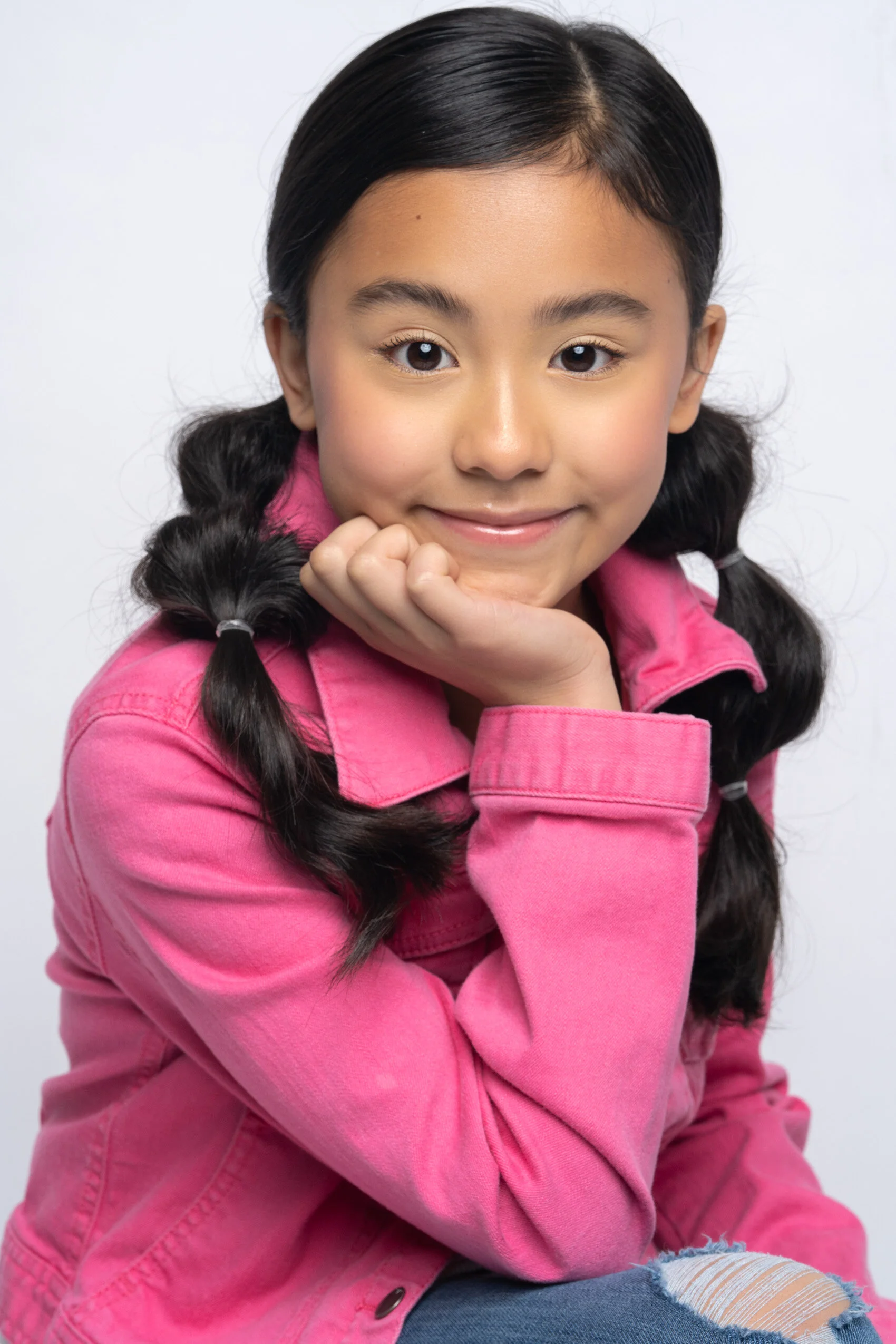
Pretty In Pink
For those who’ve talked with us about our clothing preferences for youth headshots, the fact we’re headlining this article with a look that’s decidedly pink might come as a surprise. Never fear: we’ve not suddenly become purveyors of all portraits pink. It’s usually too bright, too loud and too overwhelming for most complexions. “Pink as accent color;” that’s our mantra.
But sometimes pink is the perfect color, as you can see from this marvelous headshot we did last week for beautiful Miss Chloe. Why does it work? Because pink enhances her beautiful warm skin tone. Add a very subtle bit of makeup, an absolutely trending hairstyle (both by our bestie, Karina Talaro) and take away any background distractions and you have a great youth headshot.
(For those who are wondering: we don’t typically include hands in headshots, either, but sometimes you just go with the flow.)
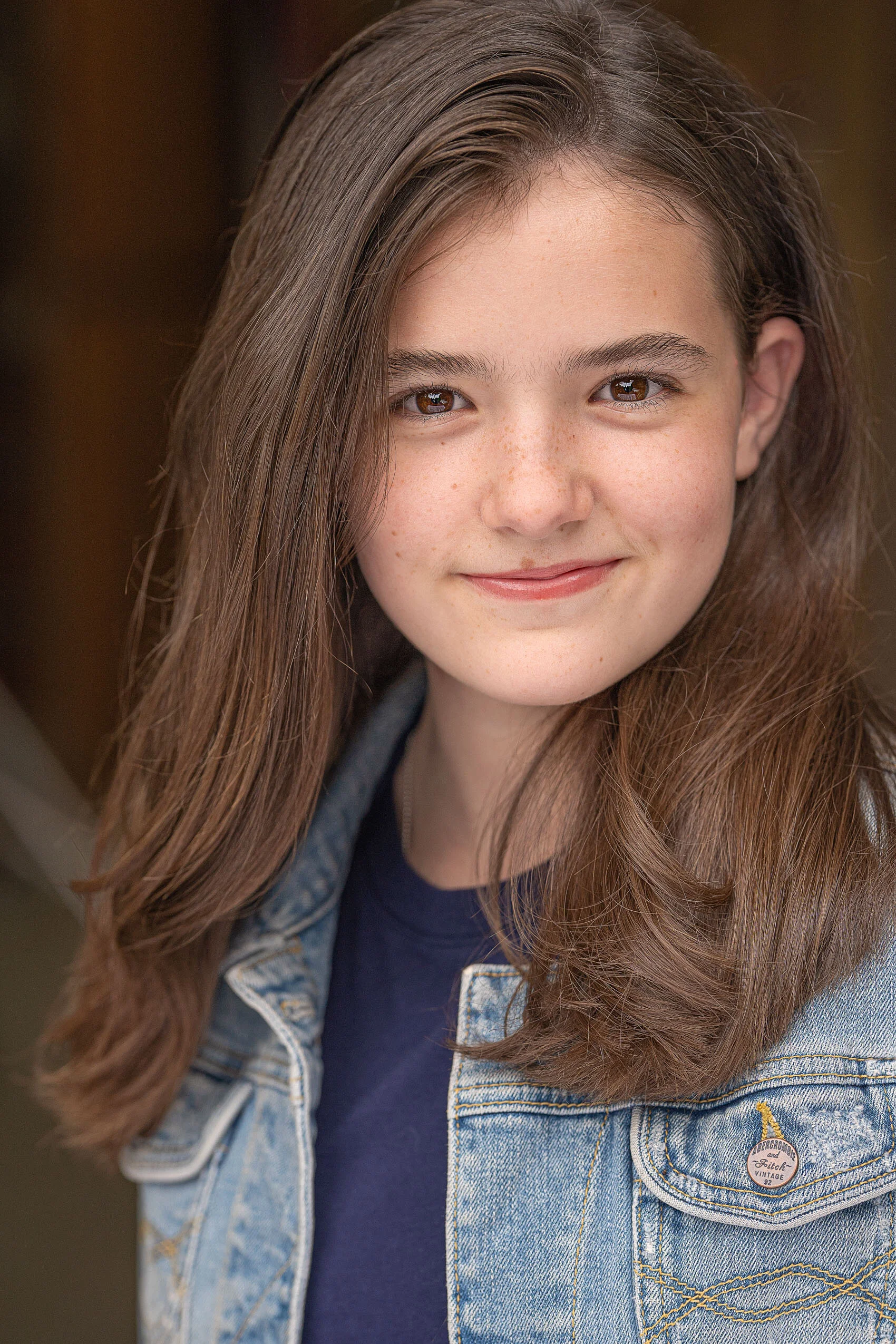
Classic Denim
We’re first to say a denim jacket in a youth headshot can go one of two ways: it can look completely cliched or it can look clean and classic.
In this image of lovely Miss Greta, denim over a T-shirt works perfectly. It’s a wonderfully subtle canvas that doesn’t distract us from Greta’s bright shining eyes and slightly mischievous smile.
Karina’s less-is-more approach to hair and makeup frames her eyes smashingly and gives us a perfect snapshot of who the casting director will be booking for that new role (which is the whole point right?)
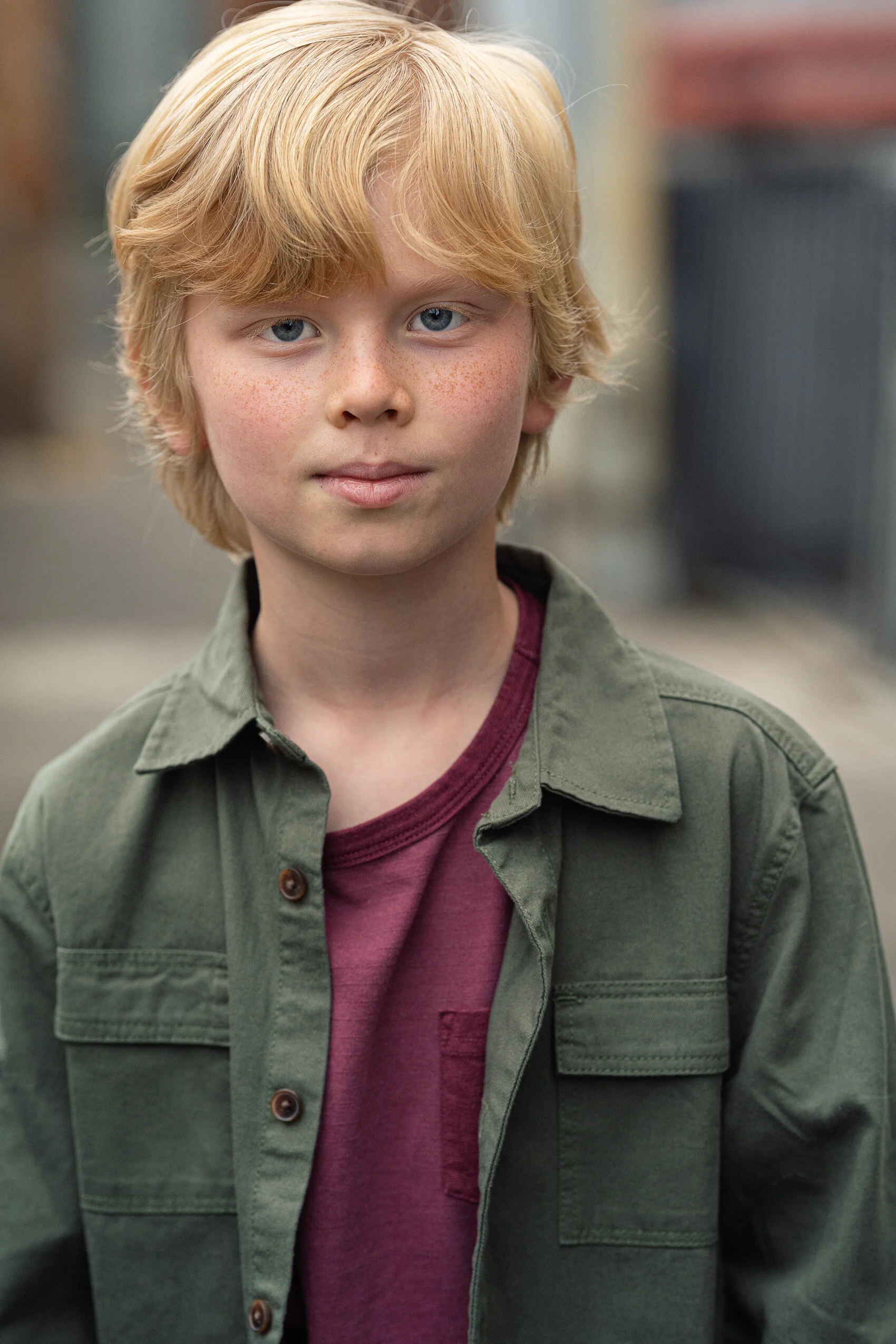
Always Earth Tones
If pink’s not your style and denim is just a little too classic, you can’t go wrong with earth tones.
The color palette we call earth tones is so broad you’ll always find a color that compliments your complexion, from a light azure (which works nicely with lighter skin tones) to evergreen (perfect for darker complexions) to this great combination of olive and maroon on Mr. Jimmy. It’s the perfect compliment to his blue eyes and strawberry blonde hair.
When All Else Fails
Still not sure what’s right for your youth? When they put on an outfit and stand in front of you, do you think: “Wow, that color looks great with her complexion” or “That shirt really makes his eyes pop?” If you do, then you’ve found your youth’s perfect headshot look.
Michael Verity is a former newspaper photojournalist who has created headshots and modeling portfolios in the Portland, OR and Vancouver, WA area since 2008. Working from his studio on 11 acres outside Vancouver, he has photographed more than 2,000 actors, models, creatives and business professionals and is recommended by Portland’s leading talent agencies.
10 Tips For Great Professional Headshots
Whether you’re an actor trying to book a role, a business person elevating your profile or a student seeking college admission, a world-class headshot is essential to your success. Here are 10 tips you can follow to insure you get a great headshot for your business, professional or acting needs.
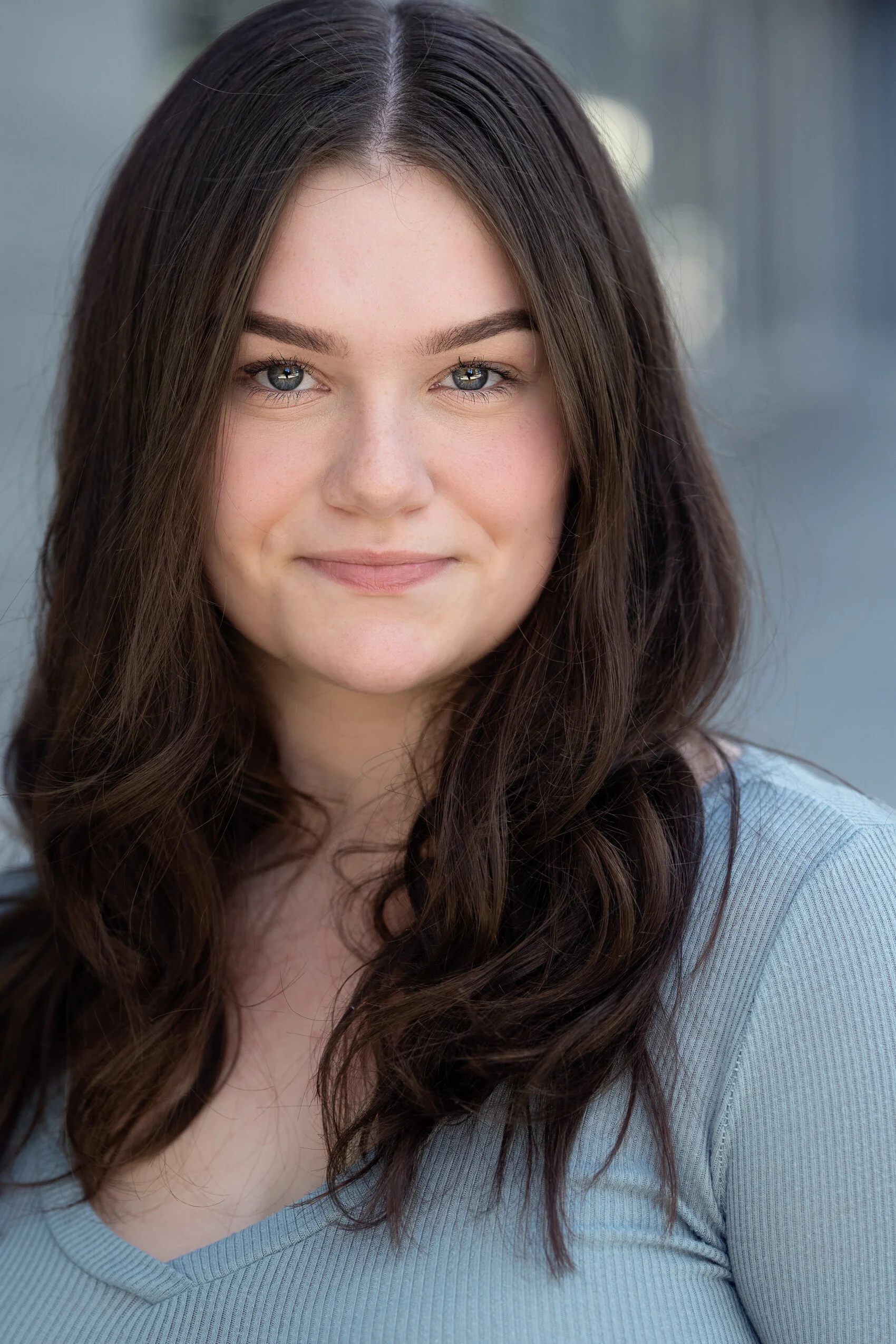
Hire A Professional
Hire a trained professional who takes headshots for a living not a friend who happens to have a camera and ‘knows a little about photography.’ More simply stated: you wouldn’t ask your dentist to fix your car so don’t ask your barista to do your headshots.
Look At Lots of Pictures
Every good photographer has an online portfolio for you to review. Look at a lot of pictures from a lot of photographers and pay attention to how you feel. When you see pictures that move you, you’ve probably found your perfect photographer.
Talk On The Phone
Talking to your potential photographer on the phone will tell you a lot about the person you’ll be working with. Is the photographer happy to talk with you and answer your questions? Does he understand your business? Is he willing to give you guidance on how to get the best pictures? A short phone call will tell you a lot.
Be Open To Spending Some Money
Mind your budget but don’t cheat yourself. Remember you’re not only investing your money, you’re also investing your time and energy and that’s valuable, too. Get the best you can afford because you’re worth it.
Map Your Location and Plan Ahead
If you’re running late you’ll be stressed and it will show in your pictures. So map and plan.
Prepare Your Hair, Makeup and Wardrobe
If you’re doing your own styling, communicate your plans to your photographer. Even better: do your hair and makeup and wardrobe and send some snaps so he can see your plan and offer feedback. Communication is the key.
Drink Water, Get Sleep
You need to look fresh and rested for the best results. Treat yourself like a star that you are and get plenty of rest the night before your session.
Breathe
Remember why you’re getting pictures done: to capture an authentic image of your true self that introduces you to casting directors (or potential business partners) and prompts them to think: “I’d like to meet this person.” This isn’t surgery; it’s photography. Breathe, relax and enjoy.
Communicate Where You’re At
If you’re feeling nervous, tell your photographer. You’re a team so keep the lines of communication open.
Trust The Process and Take Direction
If you’ve followed these tips, you should walk in the door trusting your photographer has a working process that will deliver great photos. Trust the process and take direction. Oh, yeah: and have fun.
###
This article is based on our three-part series: How To Rock Your Headshots. You can find the full articles below:
Part One: How To Find The Right Photographer
Part Two: How To Prepare For Your Headshot Session
Part Three: What To Do At The Shoot
Michael Verity is a former newspaper photojournalist who has created headshots and modeling portfolios in the Portland, OR and Vancouver, WA area since 2008. Working from his studio on 11 acres outside Vancouver, he has photographed more than 2,000 actors, models, creatives and business professionals and is recommended by Portland’s leading talent agencies.
HEADSHOTS

PORTFOLIOS

INSTA


