
How To Create A Modeling Portfolio
Great visual presentation is essential in all professions. But when it comes to modeling, looking fabulous is a must and it all begins with your portfolio. As an aspiring model, your portfolio is your resume; it is often the first impression a client or an agency gets of you.
Creating a modeling portfolio is so much more than putting together a collection of images. Unlike a collection, a portfolio conveys a story about who you are, showcases your talent and versatility as a model and tells the client why you are the best person for the job.
Here is a step-by-step guide on how to create a fantastic modeling portfolio for a great first impression on clients and agencies.
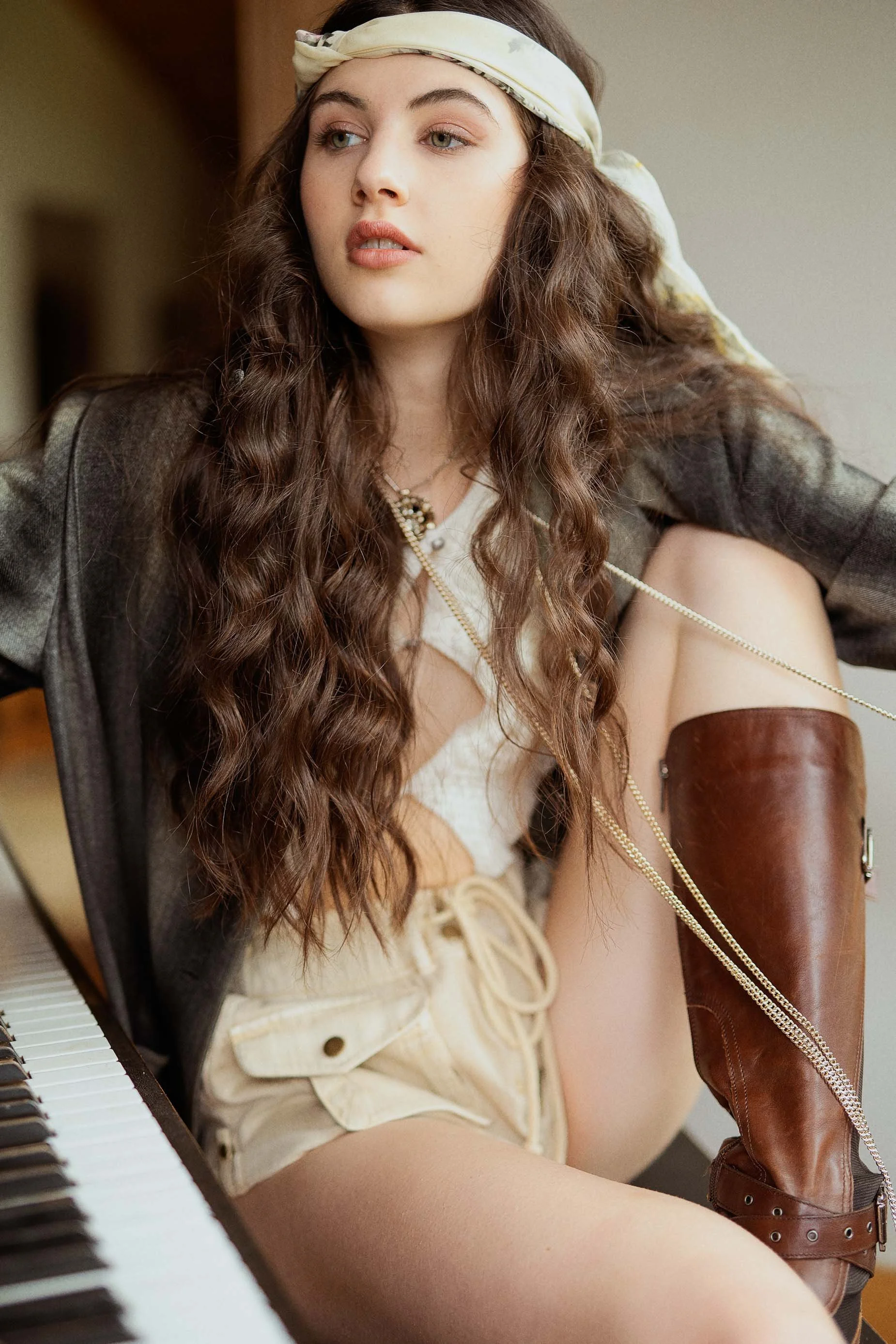
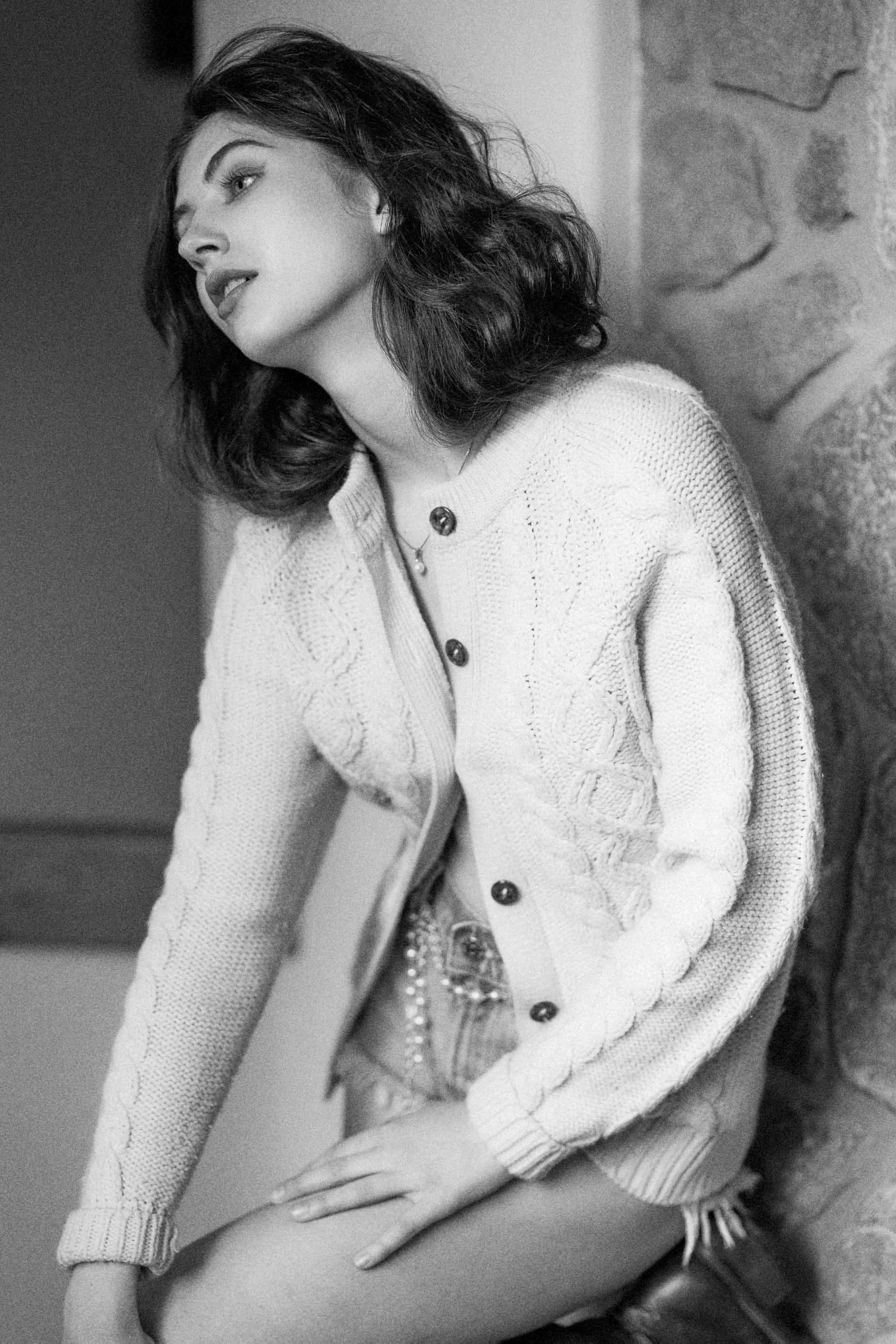
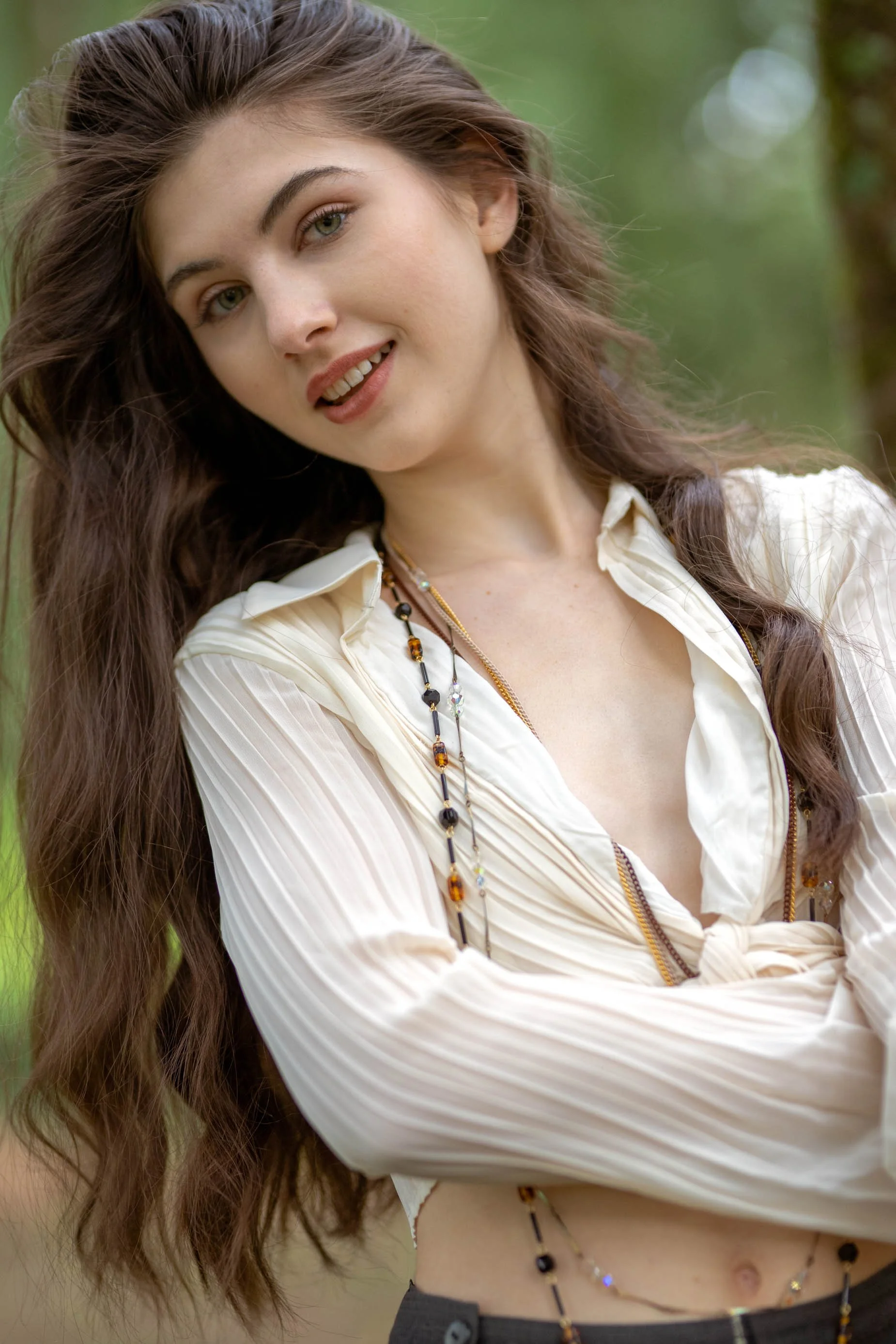
How Do You Create A Modeling Portfolio?
A modeling portfolio is a series of professionally taken shots that showcases your abilities as a model. It’s a critical part of marketing your skills to clients and often makes the difference between landing a modeling gig or not. In short, you must make it count.
Before we get into how to create an eye-catching portfolio that will boost your modeling career, it’s important to know that a modeling portfolio is not reproducible. Each model, including you, has distinct physical and psychological features to showcase. Instead of emulating another “more successful” model’s portfolio, focus on showing what makes you stand out from the other models.
1. Determine Your Modeling Type
The first step of building a great portfolio is deciding what specific type of modeling you are best suited for or prefer. Although the modeling industry has been actively embracing diversity and breaking stereotypes, your facial structure, body type and general appearance still play a part in the assignments you get.
Understanding the type of modeling you are best suited for can increase the chances of success in landing jobs and make creating a portfolio easier. Fortunately, there are many different types of modeling you can get into. From commercial modeling, fashion and runway to fitness modeling.
Selecting one type of modeling will help you understand the expectations your clients will have for your portfolio. It also helps potential clients to easily assess your skills and suitability for a specific role. Research the different types of modeling and the kind of shots you need in your portfolio.
2. Practice Your Posing
Posing for a camera is an art that you must learn as a model. While it may seem straightforward, it is way more complicated than people realize. As a model, your poses should bring out your best angles and make the clothing or outfit look their best.
Modeling photoshoots tend to take a long time, even with experienced models, so don’t wait until you are in the studio to figure out how you should pose. Allocate some time to research and practice beforehand, as it will also make you comfortable posing before the camera. Take a look at other models in your niche, their poses, and the type of photos in their portfolios. Try to emulate the poses you see.
3. Hire The Right Photographer
Everything – your poses, outfit, and locations -- may be on point but if the photographer isn’t up to the task then your portfolio won’t bring out your best. Choosing a photographer is the first step in planning a photoshoot and is often the most important.
Ask for referrals and check their work beforehand. Most photographers will have modeling portfolios that they have shot, so you will know if they are a good fit before engaging them.

4. Get Your Hair And Make-up Done By A Professional
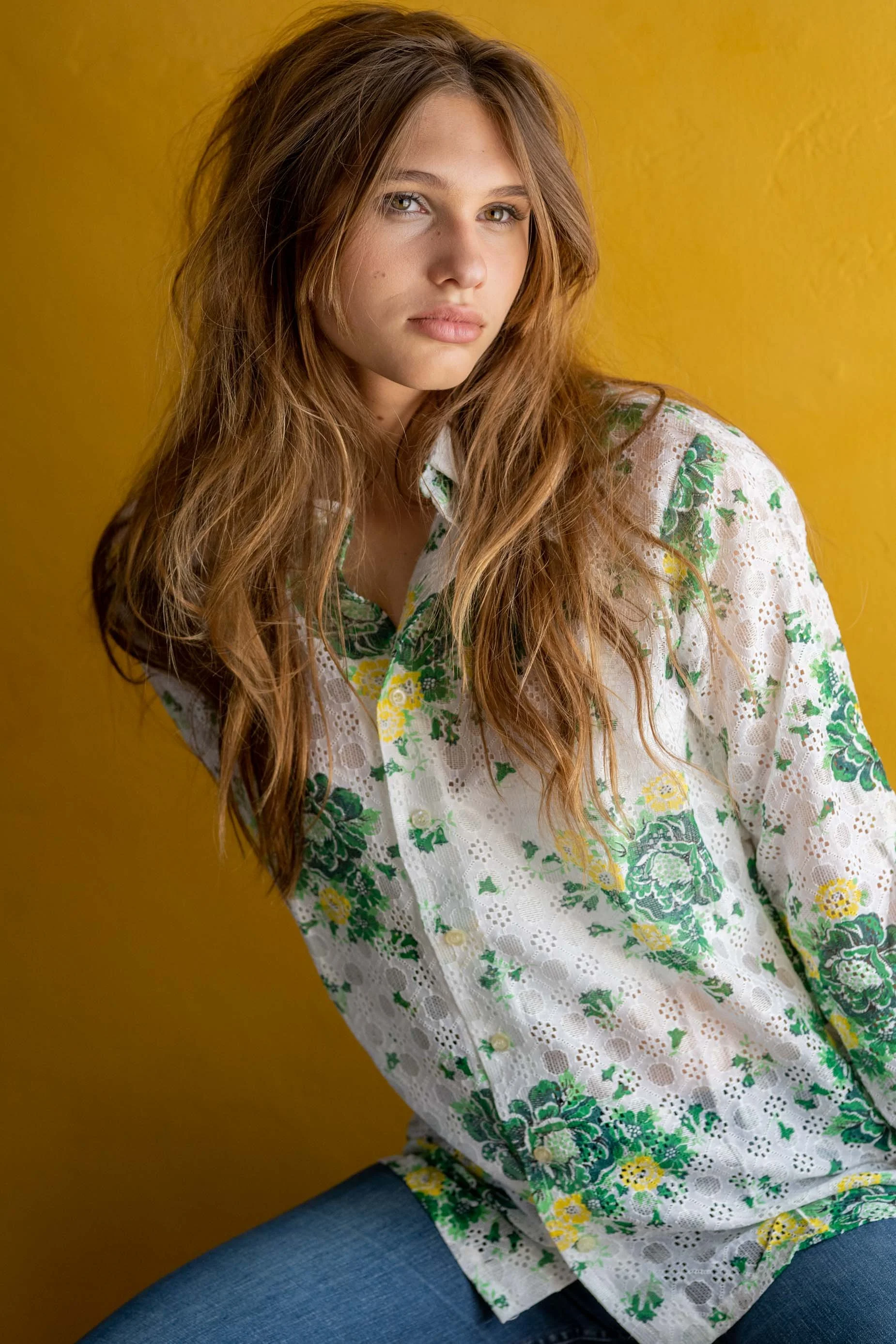
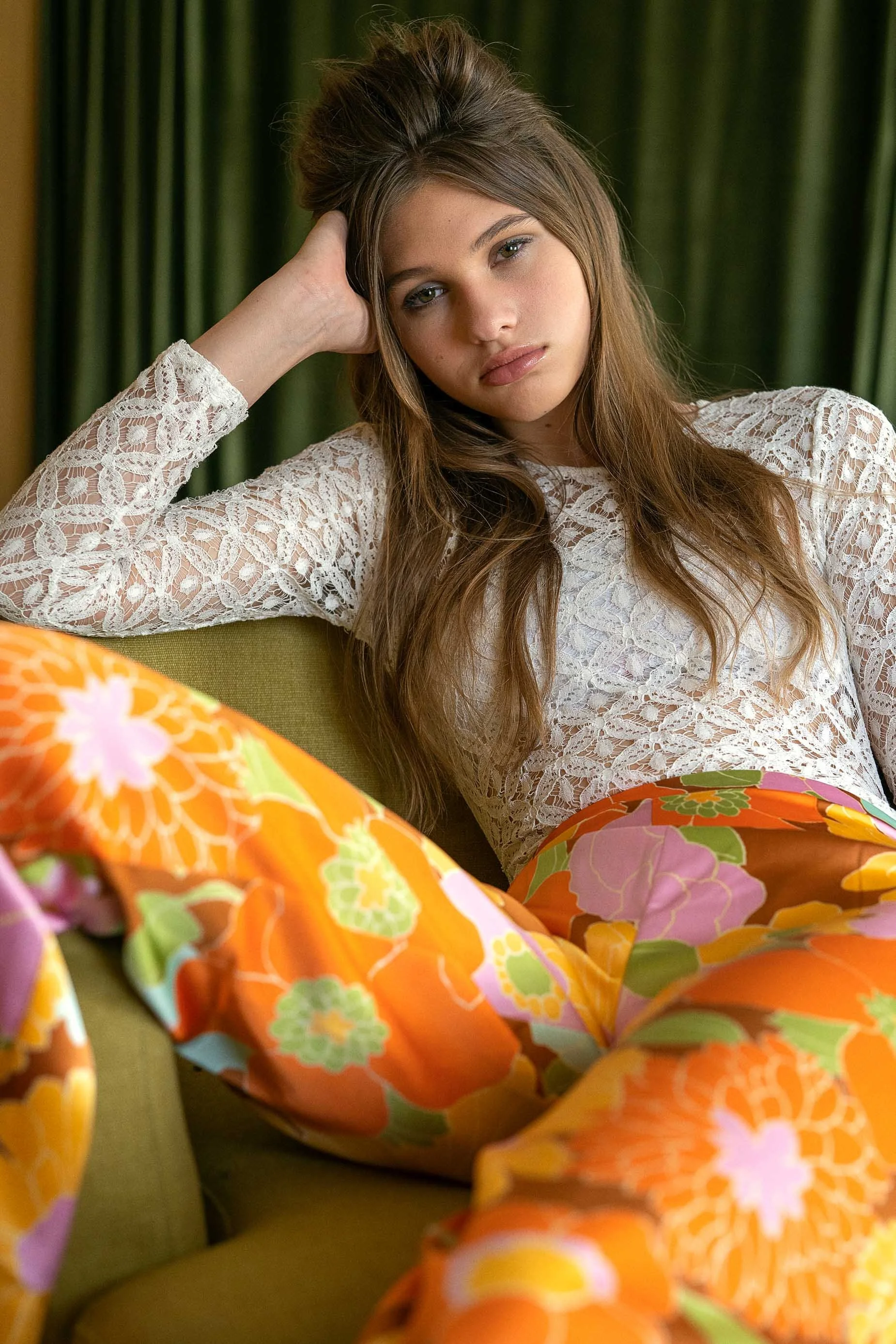
While it's not a must, getting a professional hair and make-up artist can add a lot of value to your modeling profile so ensure you ask your photographer for a recommendation.
5. Prepare Adequately For The Photoshoot
Treat the photoshoot as your first modeling gig. Make sure you know the locations beforehand and make all the necessary travel arrangements. Also, ensure you have been allotted enough time so you don’t have to rush things through.
Get adequate sleep the night before the shoot. When the big day comes, arrive early. Don’t be afraid to ask questions or for direction.
Ideally, you have a plan outlining exactly the kind of images you need beforehand. If not, communicate your expectations to the photographer in detail so you are both on the same page on the goals of the photoshoot.
Decide on the wardrobe, locations, themes, poses, and concepts to reduce the risk of mistakes or nasty surprises. Depending on the type of modeling you want to pursue, ensure you get great portraits, close-ups, and full-body shots.
Potential clients and agencies want to see versatility and flexibility, especially if you are just starting out. Plan your wardrobe items to show versatility. Generally, you will want to include basic pieces of clothing that show off your frame and features.
Take images that vary in style to demonstrate your capability of working in different productions. Play around with the poses to show off different angles and your best features.
6. Choose Your Best Shots
This is one of the most challenging steps of creating a great modeling portfolio. After completing the photoshoot, you will have a vast collection of images to sort through carefully to ensure only the best goes into the portfolio.
The general rule is to have 9 to 19 images, more than that is too many, and less than 9 won’t be enough to show your versatility.
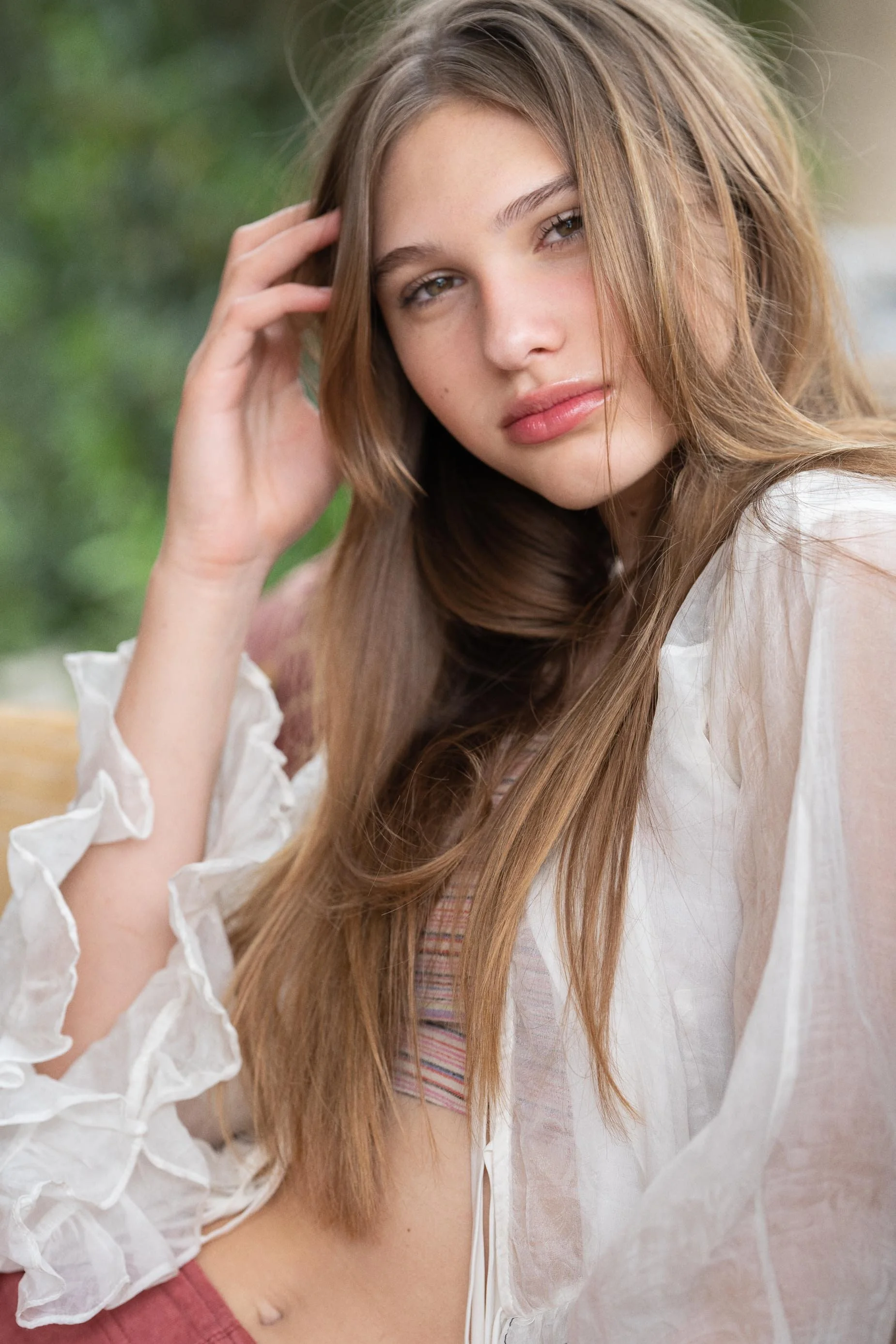
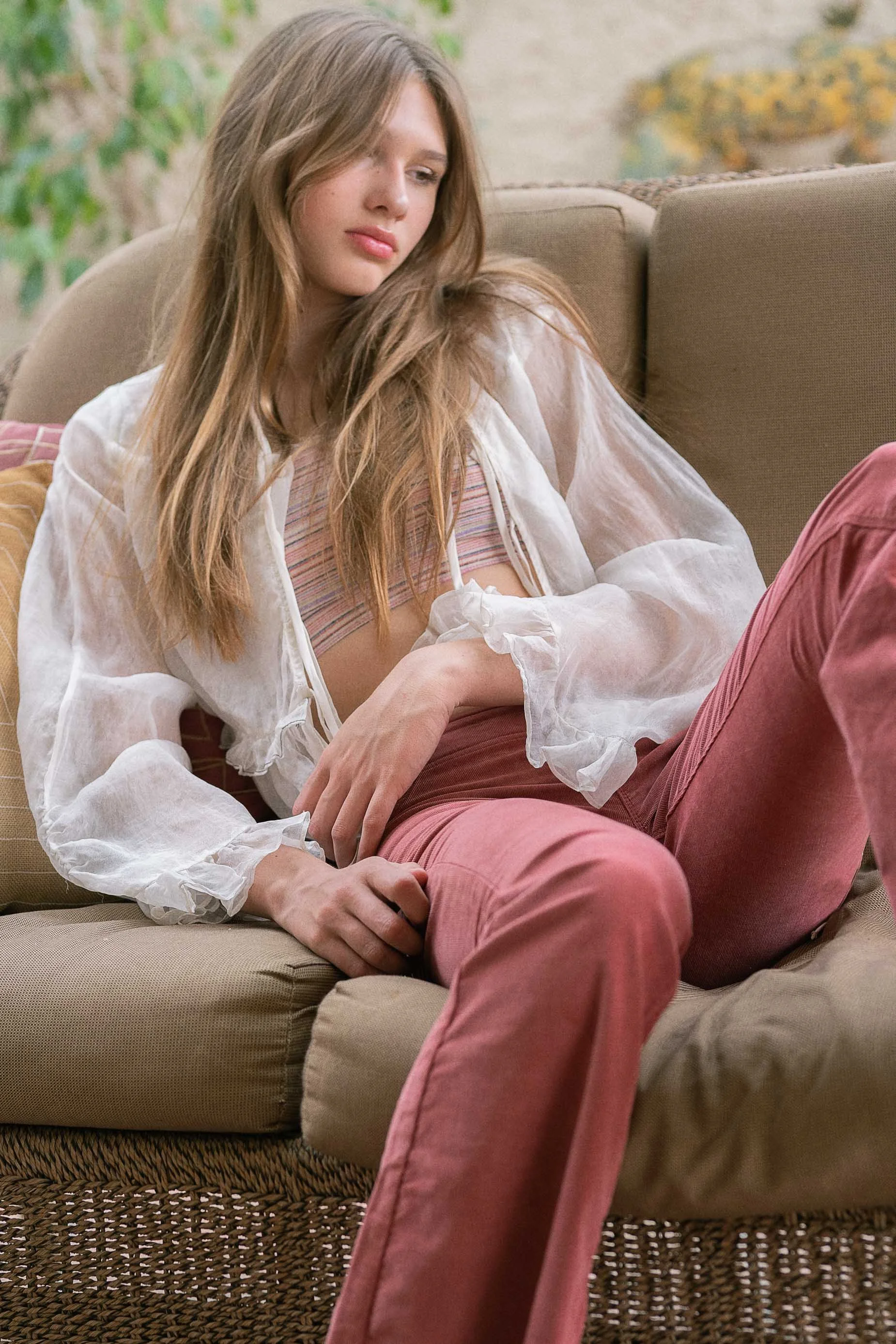
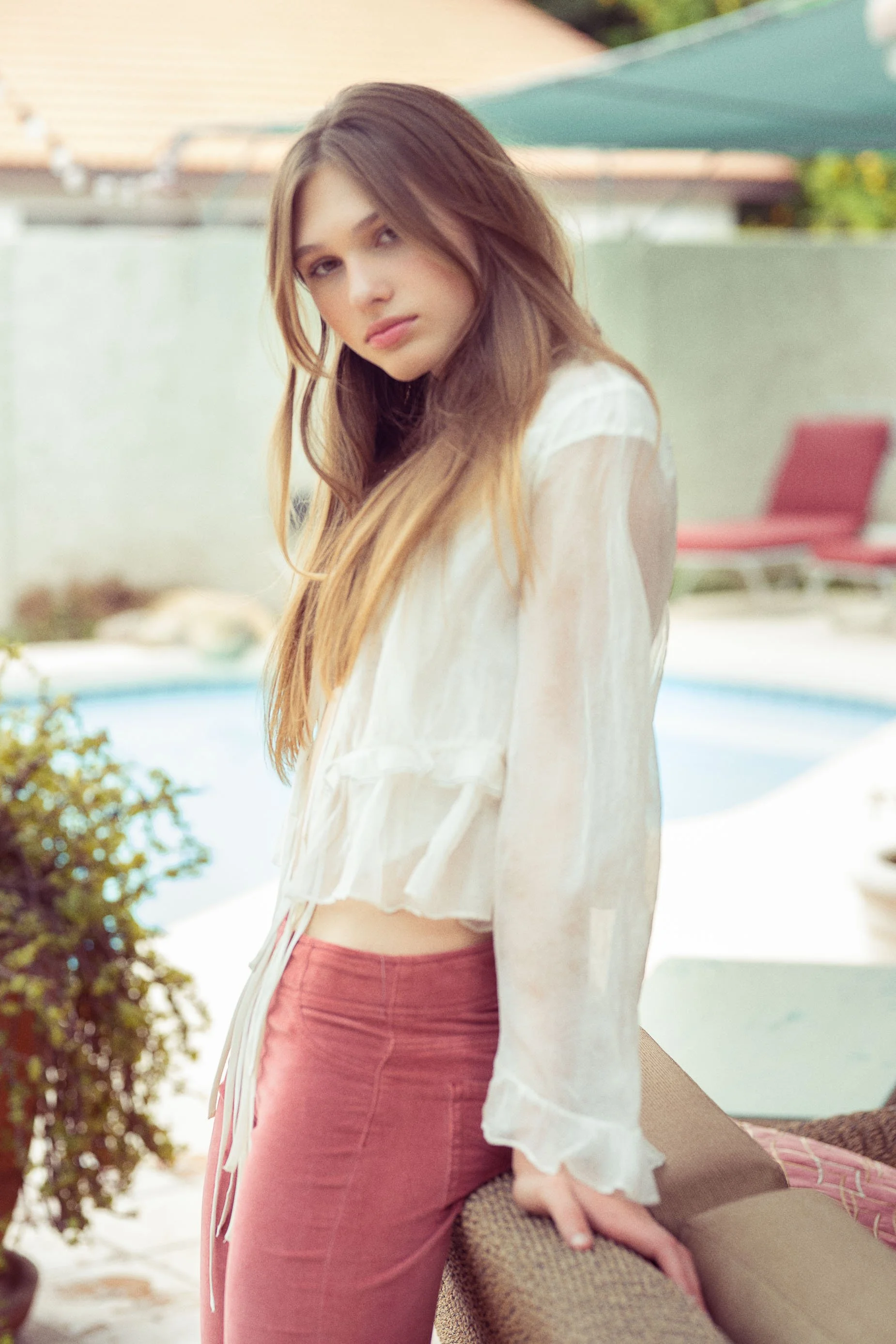
Focus on showcasing versatility and your qualities, don’t choose numerous images in the same pose, location, or wardrobe items. Select different types of images, including headshots, full-body shots, and mid shots, in different outfits and locations if possible.
Pay attention to the first few images in your portfolio. Experts recommend including a “page-turning” shot at the front to capture the attention of anyone looking at it. Clients and agencies will look at hundreds of portfolios and will not spend time on yours if you don’t capture their attention with your first image.
7. Create Your Modeling Portfolio!
There are several ways to present your modeling portfolio. One way is using a printed portfolio. A printed modeling portfolio book comes in handy since you will be meeting many people face to face.
A printed portfolio is tangible and allows the client or scout to peruse the work with you present. You can make a portfolio by printing images and adding them to a folder, but it doesn’t look as sleek and professional as a properly printed portfolio.
A printed modeling portfolio also shows you are serious about your modeling career.
8. Include Your Model Details
A modeling portfolio is like your resume. Don’t forget to include details such as modeling experience, hobbies, interests, work you are willing to do, and your information. Key information includes name, age, height, eye color, hair color, body measurements and sizes, distinguishing features (such as tattoos, birthmarks, etc.), and contact details.
9. Update Your Model Portfolio Regularly
As you age, it's important that you update your modeling portfolios with more recent photos and work experience. Updating your portfolio also shows clients and agencies that you are able to keep up with the latest trends.
You should also check your measurements regularly and make changes to your portfolio. You can also update or replace images when you get better shots or change hairstyles and other features.
How To Create A Modeling Portfolio Online
The internet is where much of the action is. While there will be face-to-face meetings now and then, chances are most clients and agencies will first look at your online portfolio.
Many top models prefer having a website as it offers an opportunity to show off other skills and qualities that may boost your modeling career. Alternatively, you can create an electronic version of your portfolio to send to potential clients online. So, how do you create a model portfolio online?
Many website builders have portfolio templates that you can select depending on the preferred layout. Once you choose a template, you can customize it to present your artistic vision and design of the portfolio. Drag and drop website builders are great if you are just starting, but if you are looking for something unique and more professional, you should hire a website designer.
Like the printed portfolio, ensure you only pick the best images for your website, with the most captivating being the most prominent. Having a website also offers an opportunity to add diverse media such as videos or other projects that you have worked on.
Don’t forget to add an “About Me” page with your vital information, and a contact section that employers and clients can easily reach out to you. You can also share links to your online modeling portfolio on your social media pages to reach more people.
Are you interested in taking high-quality images to build your professional modeling portfolio? Contact Michael Verity Photography for modeling portfolios, acting and business headshots, fashion editorial photography and kids portfolio styling in Portland.
Michael Verity is a former newspaper photojournalist who has created headshots and modeling portfolios in the Portland, OR and Vancouver, WA area since 2008. Working from his studio on 11 acres outside Vancouver, he has photographed more than 2,000 actors, models, creatives and business professionals and is recommended by Portland’s leading talent agencies.
3 Great Portfolio Places in Portland
A great photographer, who understands light and color, can make great portfolio pictures just about anywhere. Alleyways, open windows, arcades, even the parking lot of the local Starbucks. (I know this because I once shot a portfolio in the parking lot of the local Starbucks. The pictures were great. So was the coffee.)
Some places are better than others, of course, and in Portland there are a few neighborhoods that have become my favorites. Here are 3 Great Portfolio Places in Portland:
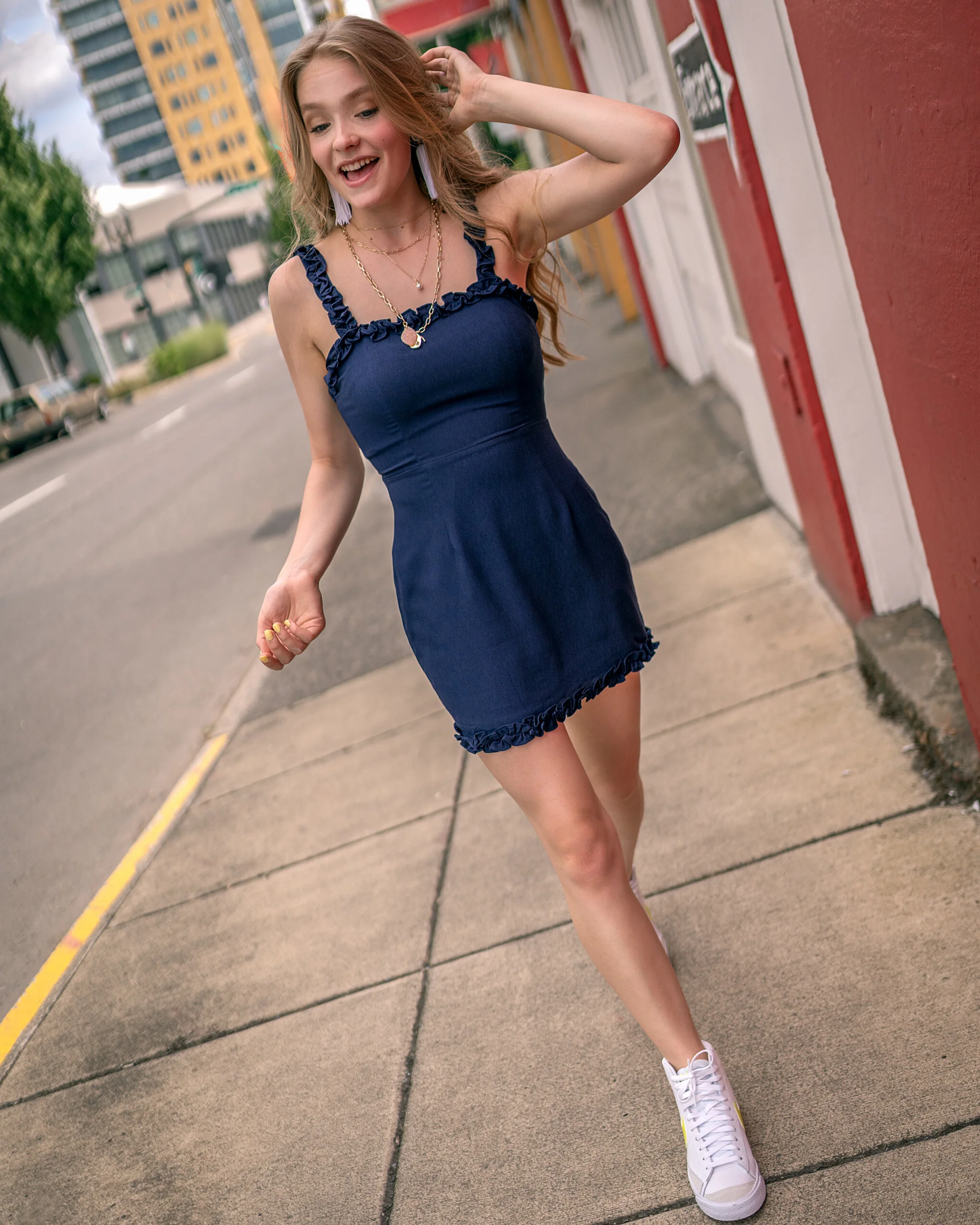
The Pearl
The Pearl is one of my favorites because of its diversity. The north end has a slicker more contemporary vibe while the south side is a bit edgier. There’s a good variety of color and you can generally find great light even at high noon. There are some nice parks for shooting kids (like Tanner Springs) and plenty of low traffic areas where you can take your time and get great images. Extra credit: if you’re a dog lover, The Fields is unequaled for spotting beautiful breeds of all kinds.
SE Division
Another of my favorite places to shoot portfolios is on SE Division, in the neighborhood of Pine State Biscuits. There are easily accessible, beautifully lit alleyways with a diversity of color. If you walk a few blocks east, you find a nice neighborhood vibe that works well for photographing kids. It’s also a good place to headshots. Extra credit: did I mention Pine State Biscuits?
Downtown Vancouver
It’s not technically Portland but it’s not Siberia, either. It’s just over the river and you don’t need a passport to get there.
The newly rebuilt waterfront has a ton on nicely lit spots that work super well for portfolios. There are several green spaces, good for athletic shots, and a beautiful promenade along the river that shoots well on the occasional day when it’s not sunny in the Northwest.
And there are a dozen great restaurants in the neighborhood for your post-portfolio provisions. Hint: some of the best Mexican street tacos in the area can be found at Little Conejo at the corner of 6th and Washington.
What’s your favorite spot in Portland to shoot a portfolio? We’ll join you there and make some amazing pictures. And then we’ll have lunch.
HEADSHOTS

PORTFOLIOS

INSTA


