
How To Rock Your Headshot Session, Part III
In part one of this three part series, we talked about how to choose a headshot photographer. In part two, we discussed how to prepare for your headshot session. In this article, we talk about what to do when you arrive at your session to insure you have the most enjoyable experience and get the best results.
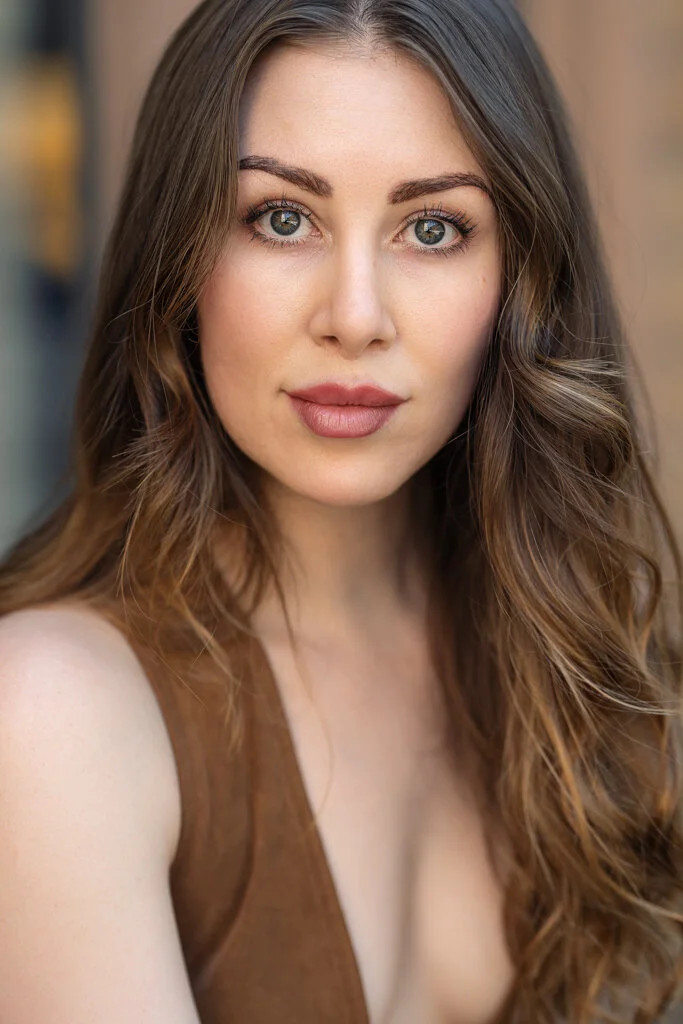
Arrive Early
Treat your headshot session the same as you would an important audition (or, if you’re getting business headshots, an important meeting). Get there early. Better to be sitting in the parking lot reading or meditating or playing Among Us than to be dashing in the door at the last minute. GPS is your friend but sometimes friends make mistakes. Whatever GPS says, add a half hour. As my Mom used to say: “You can’t be too early but you can always be too late.”
Take A Breath
Because you’ve shown up early, you have time to take a breath and remember why you’re there: to capture an authentic image of your true self that introduces you to casting directors (or potential business partners) and prompts them to think: “I’d like to meet this person.” Getting headshots is really that simple so take a minute to center yourself and remember that.
Communicate Where You’re At
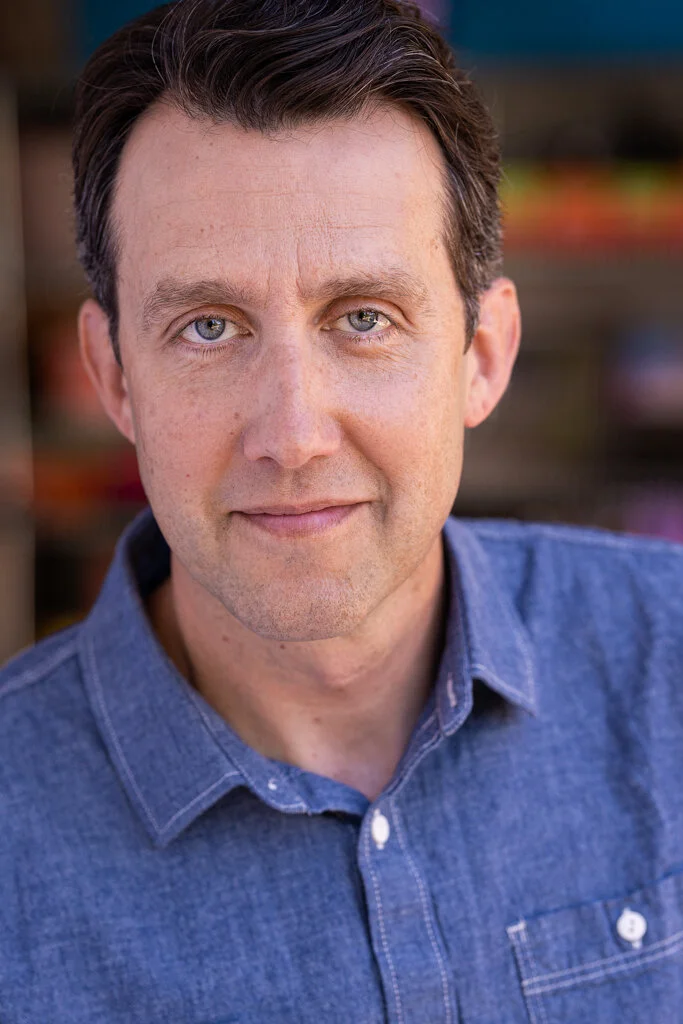
If you’re nervous or stressed or otherwise distracted, say so. Then you and your photographer have a baseline from which to work. If you’re not present in the moment and you try to hide it, your pictures will tell that story.
Trust The Process and Take Direction
If you’ve followed the advice we gave in parts one and two of this series, you should walk in the door trusting your photographer has a working process that will deliver great photos. Trust that process and be willing to take direction. You’re hiring him for his experience and expertise so get your money’s worth.
Have Fun
Remember that you’re getting headshots not having surgery. Have fun and enjoy the experience.
Michael Verity is a former newspaper photojournalist who has created headshots and modeling portfolios in the Portland, OR and Vancouver, WA area since 2008. Working from his studio on 11 acres outside Vancouver, he has photographed more than 2,000 actors, models, creatives and business professionals and is recommended by Portland’s leading talent agencies.
How To Rock Your Headshot Session , Part II
Now that you’ve chosen your photographer and booked your shoot (based on the suggestions we made in part one of this series), it’s time to start preparing for your session.
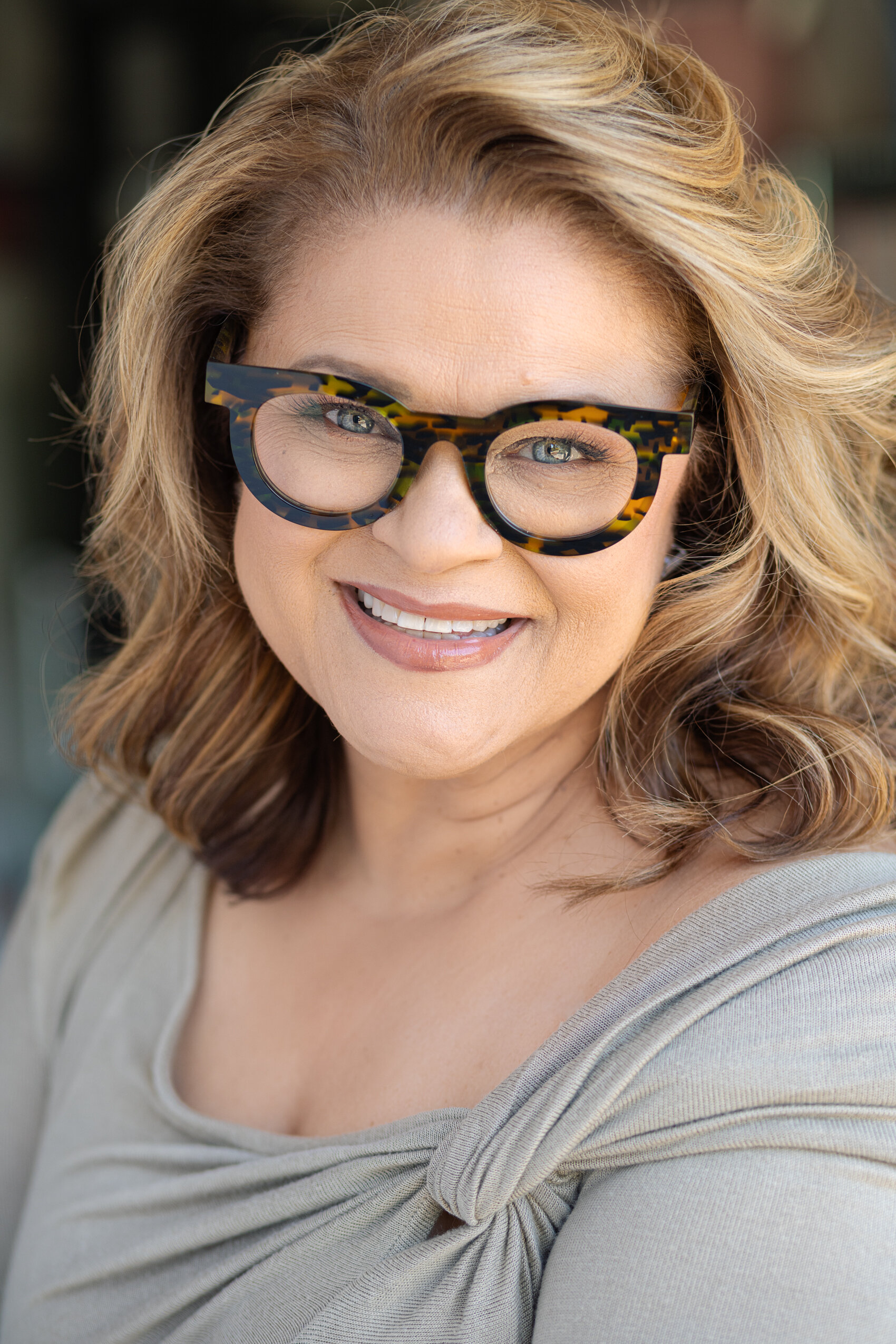
Map Your Location
Most people save this step for last so we suggest you do it first. Even if you’re familiar with the location, remind yourself where you’re headed so you’re not scrambling around at the last minute.
Prepare Your Wardrobe
If you followed our guidance in Part One of this series and discussed clothing and location with your acting coach, agency and photographer prior to booking your session, this should be a fairly easy step.
First get some new shirts. It won’t cost a whole lot of money. You’ll look more polished and feel more confident if you’re wearing new gear. Remember to pick colors and styles that fit your agency’s requirements and work well with your eye color and skin tone. When you look in the mirror, you should think: “Boom! I look amazing.”
Then put together a couple or three choices for each look, try them on and send some snaps to your photographer so you’re on the same page. This also helps him plan logistics so your time in front of the camera is 100% focused on capturing the best version of you. If possible, take your snaps outside, in natural light, so the photographer can get an accurate idea of colors.
If you’d like some ideas on what looks great, you can peep our headshot pages.
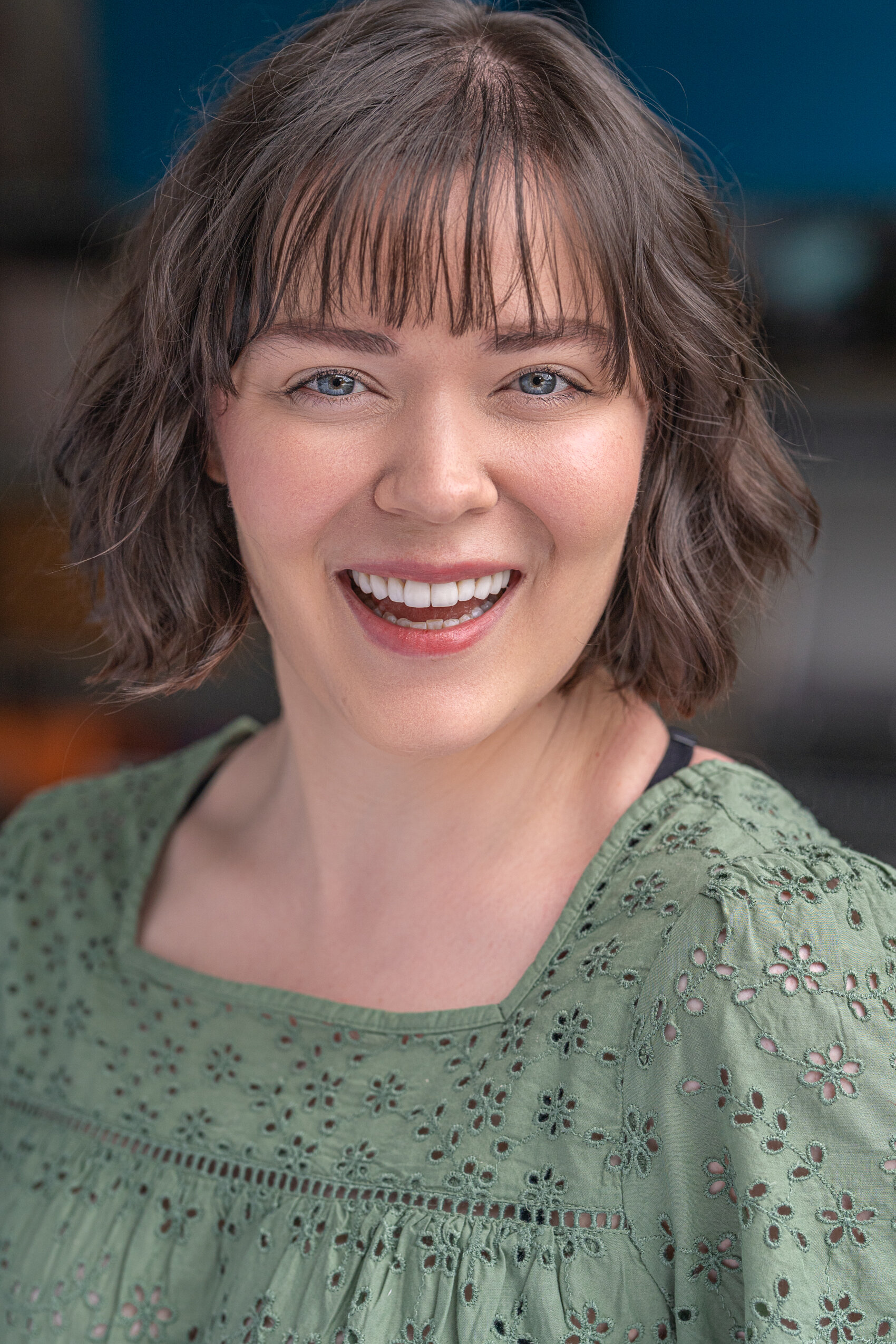
Dial In Your Hair and Makeup
If you’re doing your own hair and makeup, tell the photographer your plans. Better yet, do your hair and makeup for your wardrobe snaps so he can see it. Get his feedback and ask questions: are there certain colors I should avoid, certain things I should or shouldn’t do? Every photographer is different so be sure you’re communicating.
Drink Some Water, Get Some Sleep
Yes, photographers can (and often do) lighten up those dark circles under your eyes. But Photoshop and a tube of concealer only take you so far. Treat yourself like a star and get plenty of rest the night before your session.
Umm, Map Your Location …
… and plan for unforeseen things like traffic, parades, construction and long lines at the coffee shop. Showing up to your location in a rush never makes for a great session.
Take A Breath
As we said in Part One of this series, your most important marketing tool as an actor is a quality professional headshot. It’s an important element to furthering your career. That said, don’t put too much pressure on yourself. Take a deep breath, have fun, be yourself and the results will be great. If you bring a fully present YOU to the proceedings, the very best YOU will shine through.
Check in with us next month for Part Three of this series where we share some inside tips on how to bring that remarkable YOU to your session.
Michael Verity is a former newspaper photojournalist who has created headshots and modeling portfolios in the Portland, OR and Vancouver, WA area since 2008. Working from his studio on 11 acres outside Vancouver, he has photographed more than 2,000 actors, models, creatives and business professionals and is recommended by Portland’s leading talent agencies.
Good News and Positive Vibrations
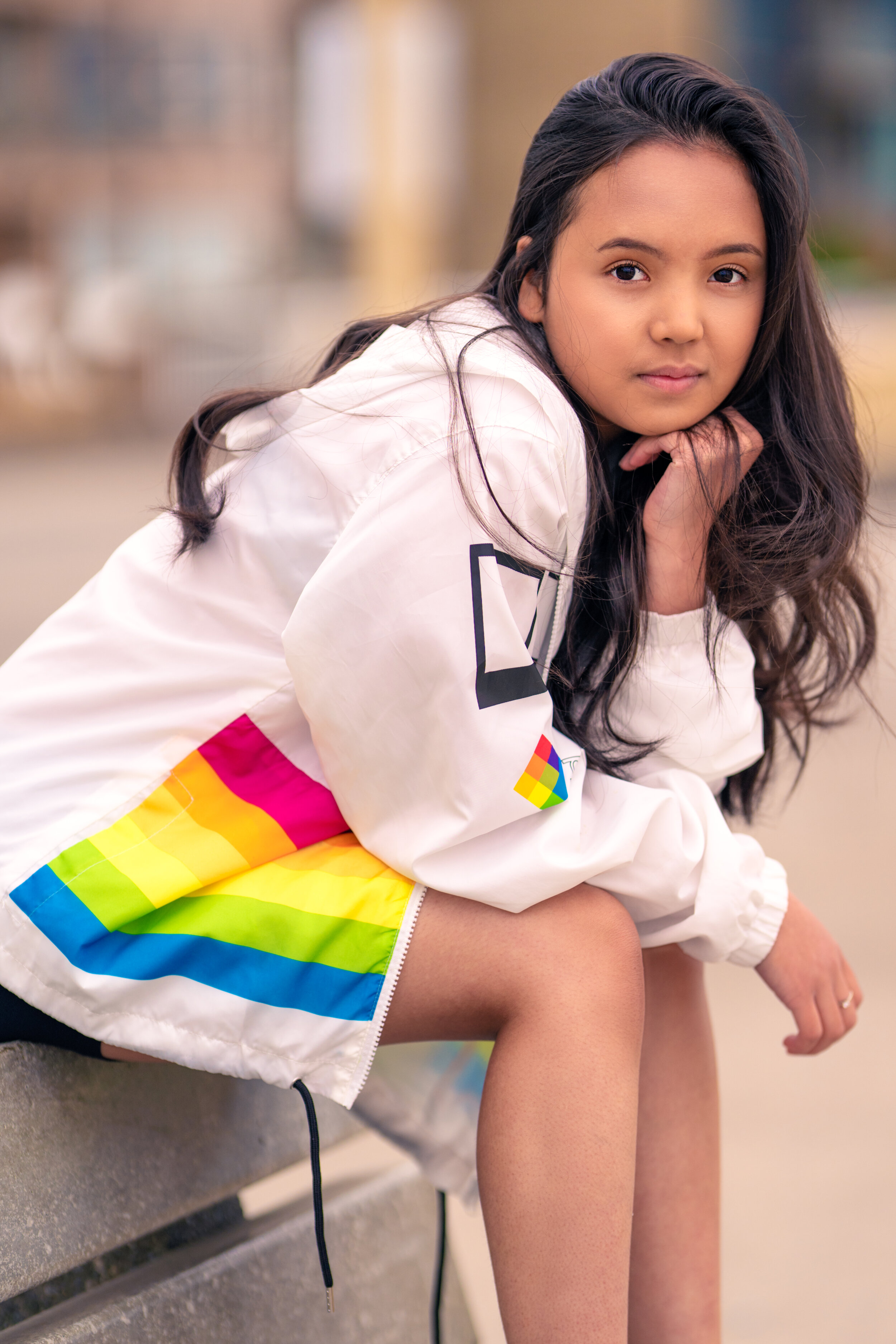
We start out our spring edition of congratulatory hugs and high fives with word that our new friend, Miss Jordyn Sage, recently landed a guest star role on a major new series to be launched on Apple TV.
We can’t give you further details (yet) except to tell you that this booking, which will include 10 days on set in LA, is Jordyn’s very first booking.
We worked with Jordyn on our recent trip to Phoenix, where she’s represented by the Ford/Robert Black Agency. In LA, Jordyn’s with A3 Artists Agency and Dream Talent Management.
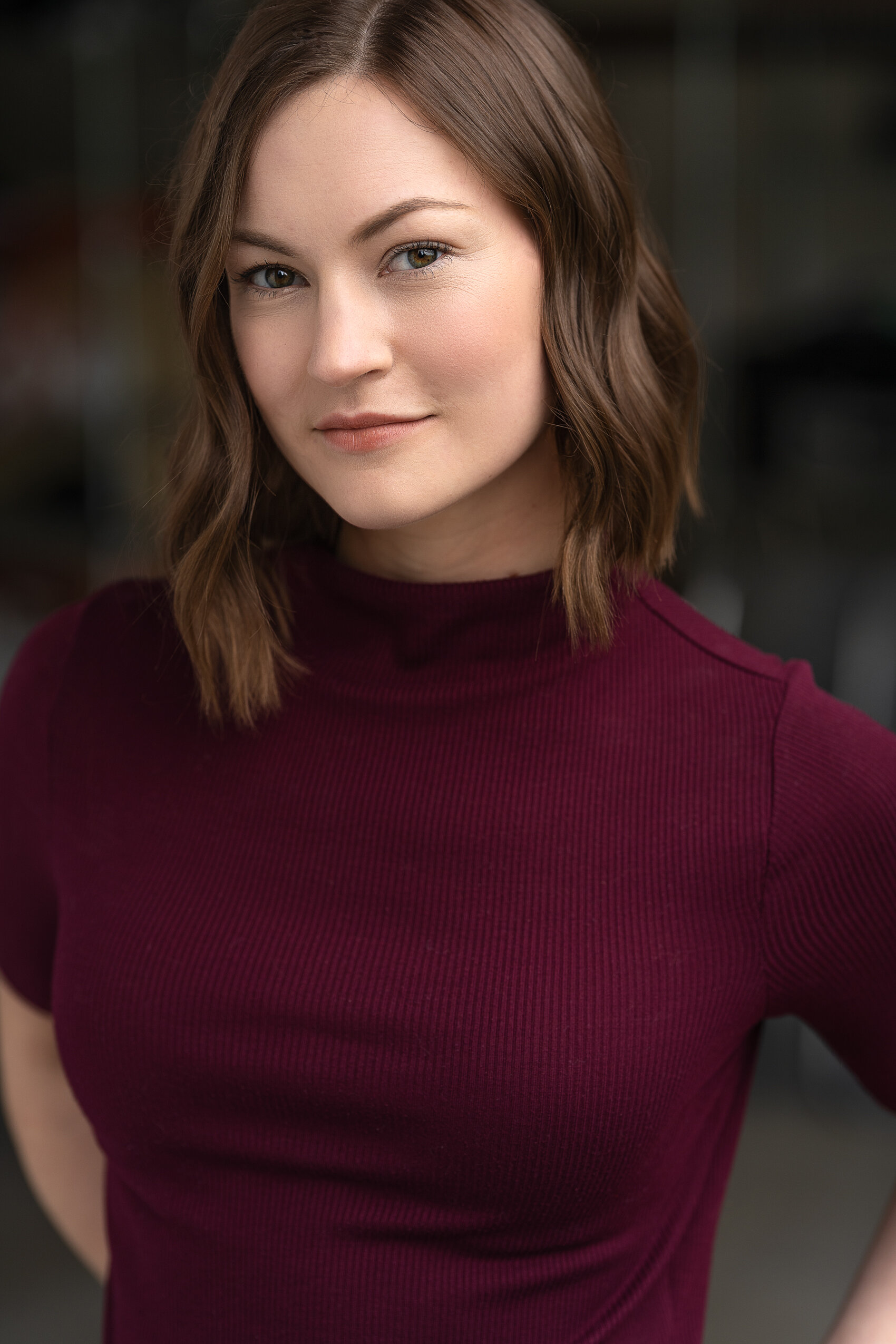
A few months back we mentioned that our headshot client, Mary Krantz, was recently cast in a new fan film, The Last Of Us, which shot in Portland in March.
The flick is out now on YouTube and has been well-received, generating over a half-million views in just a couple of weeks. (Note: the content is not made for kids.)

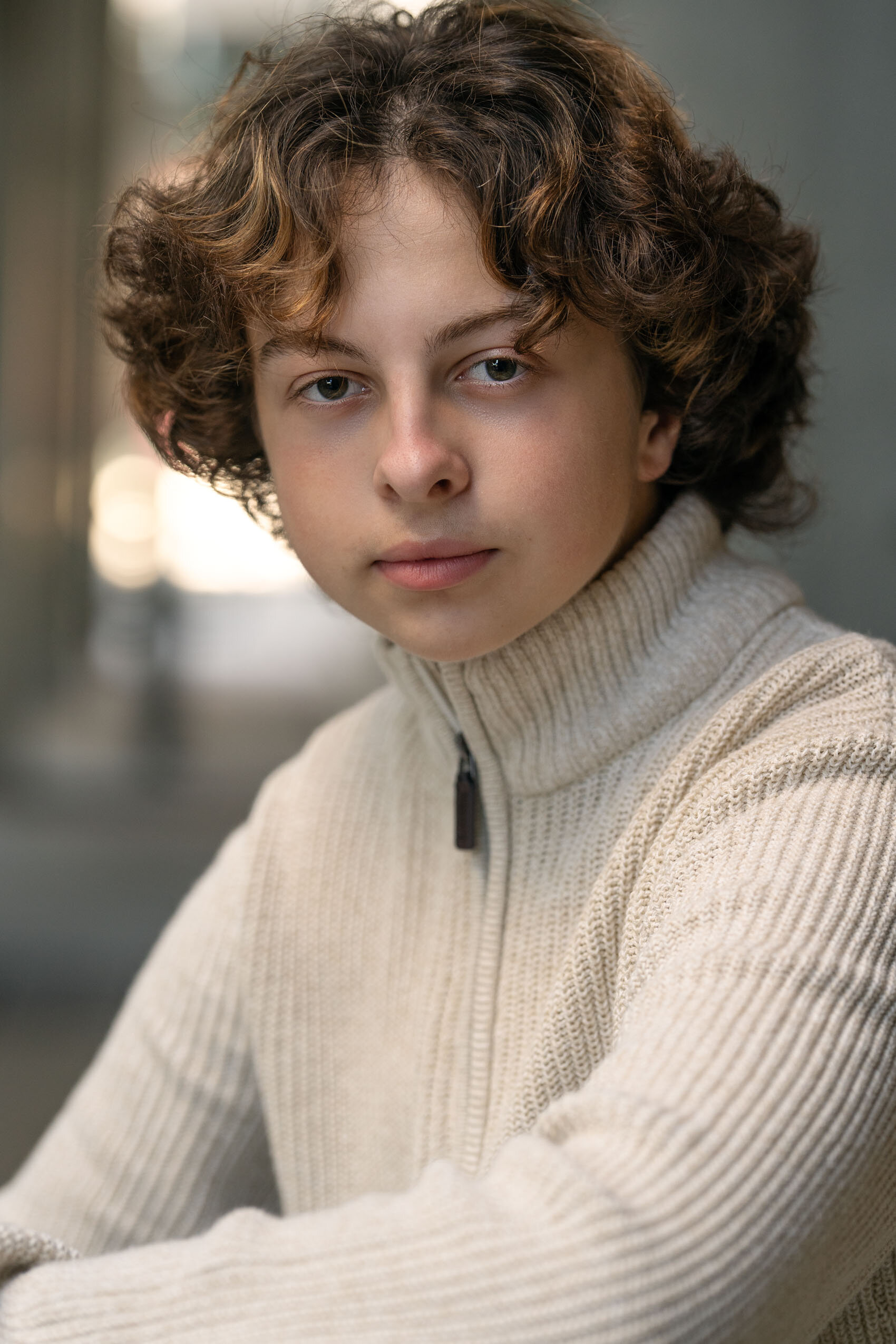
Closer to home, we’re making an appointment every Tuesday night at 10:30 to catch glimpses of a whole bunch of our clients on the new TBS series, Chad.
This week, our long time friend and bestie, Yeshara Ruth, got some serious screen time in the Whiskey Slaps episode. We’ll be doing a new editorial session with Yeshara in just a few weeks!
We’ve also gotten to see our long time headshot client Holden Goyette in both the 2nd (Sword) and 4th (K-Pop) episodes.
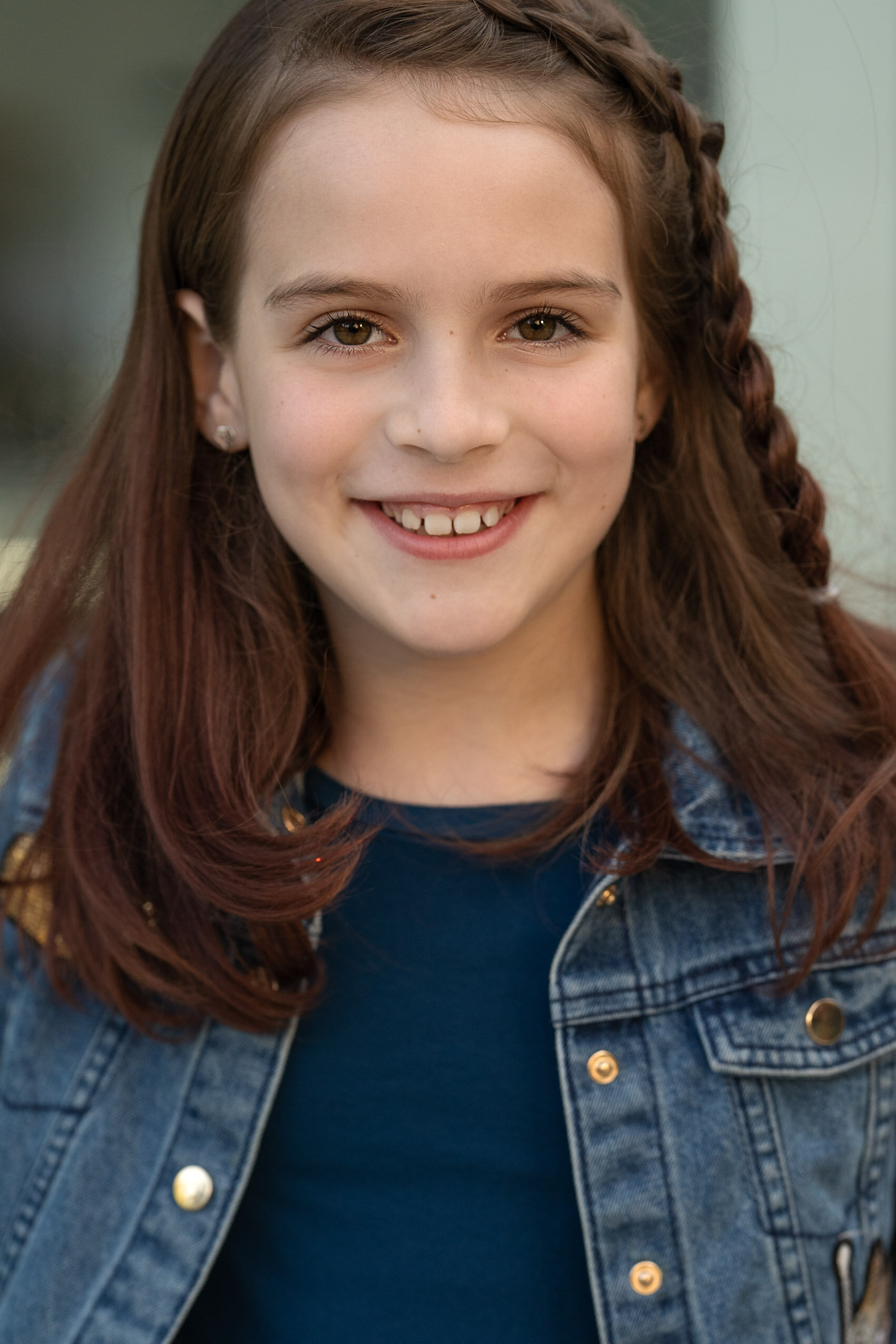
Over in the world of commercials, our hearts beat a little faster when we got this message from actor Amina Montesir’s mom: “Amina just did a commercial for (Portland restaurant and purveyor of delicious sauces) Akadi. The director said he had wanted a boy for the spot but he changed his mind when he saw Amina's headshot you did. He said he loved her energy in it!”
Elsewhere, Evie Bertsch flexed her commercial muscles for Nike and Miss Luvli did some work for Hannah Andersson.

Have some good news and positive vibrations to share? Send us an email here and we’ll shout it from the rooftops.
Good News and Positive Vibrations
Let’s start with some big props for Sophie Jones, the highly regarded independent film that was shot in Portland and opened both in theaters and online this week.
Distributed by Oscilloscope Laboratories and “inspired by true experiences of grief, girlhood, and growing up,” Sophie Jones has won several excellent reviews and been included in a number of prestigious film festivals. A special shout out to our friends, family and clients — Skyler Verity (Zuri Agency), Tristan Decker, Natalie Shershow and Hannah Sapitan — for their part in this project.
Take a look below at the trailer then go here to watch the film online. (In addition to watching the film via this link, it’s also available via Amazon Prime and Apple.)
Sending out some big love to two of our clients, Mary Krantz and Rollyn Stafford, for their recent on-set successes.
Mary’s been cast in a fan film based on the popular video game The Last of Us. She’ll be on set when the crew lands in Portland next week. You can peep the production’s IG (here) or their Indiegogo (here) for more information.
Zombie Walk is the name of Rollyn’s most recent project. It’s been selected to appear at four film festivals and recently won Best Horror Film at the Oregon Short Film Festival. Next week, it’ll be screening at the Portland International Film Festival drive-in right before Children of Men and The Matrix.
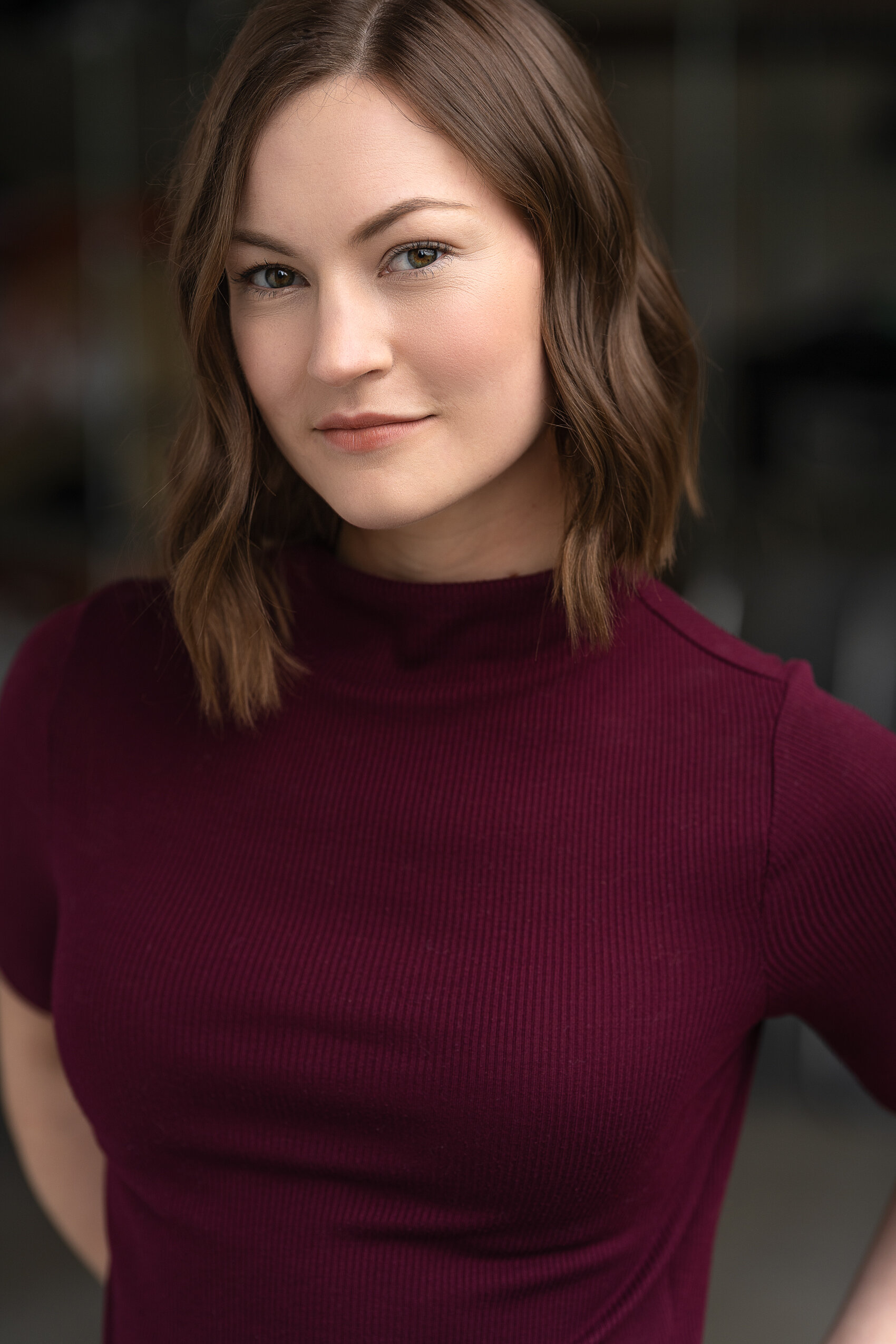
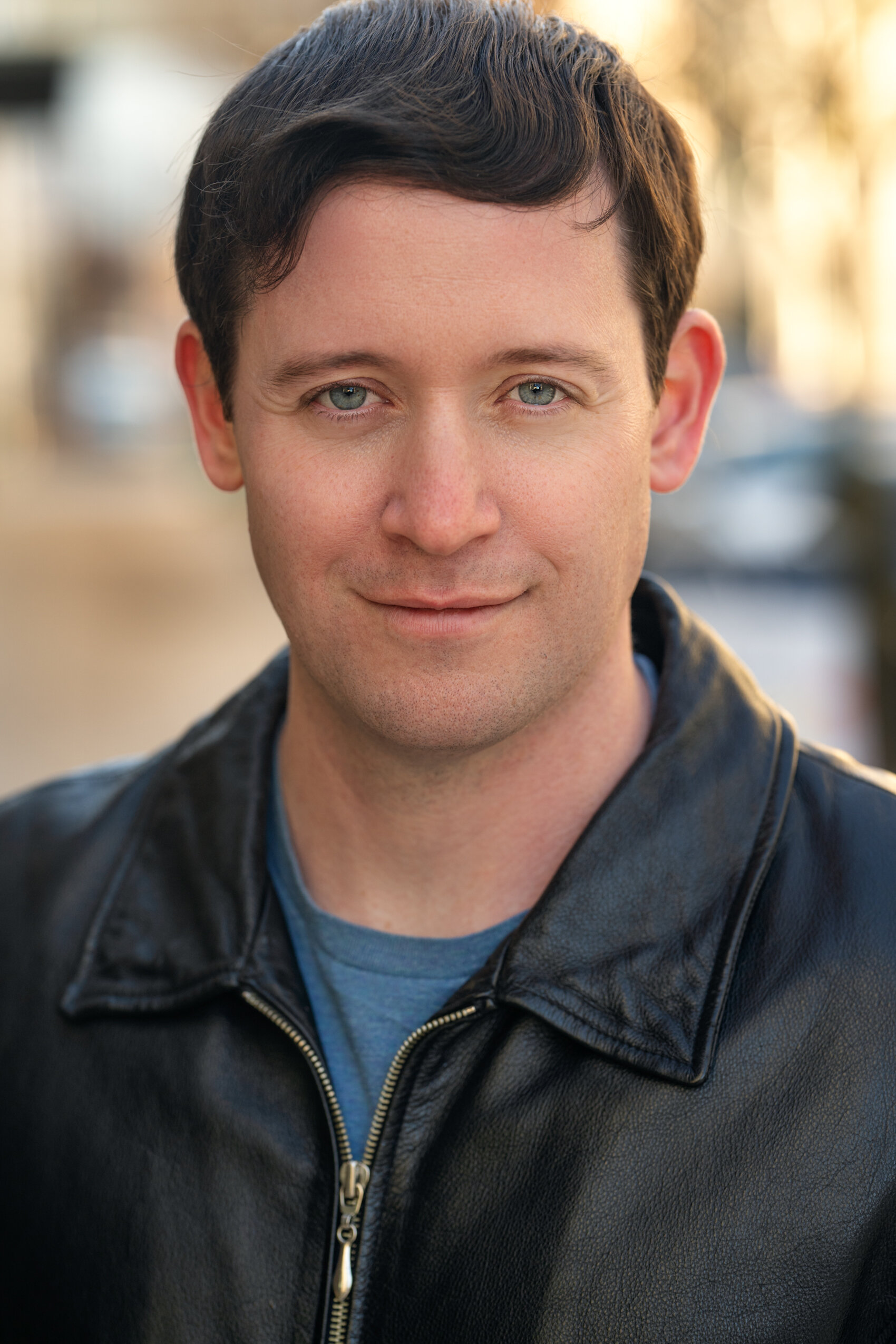
Congratulations are in order for two of our long time clients, Alex Jarmon and Jack Poole (both of Ryan Artists), on their appearances in the recently released film, Young Hearts. Also on that project were our friends Austin Leo and Raqi Brown.
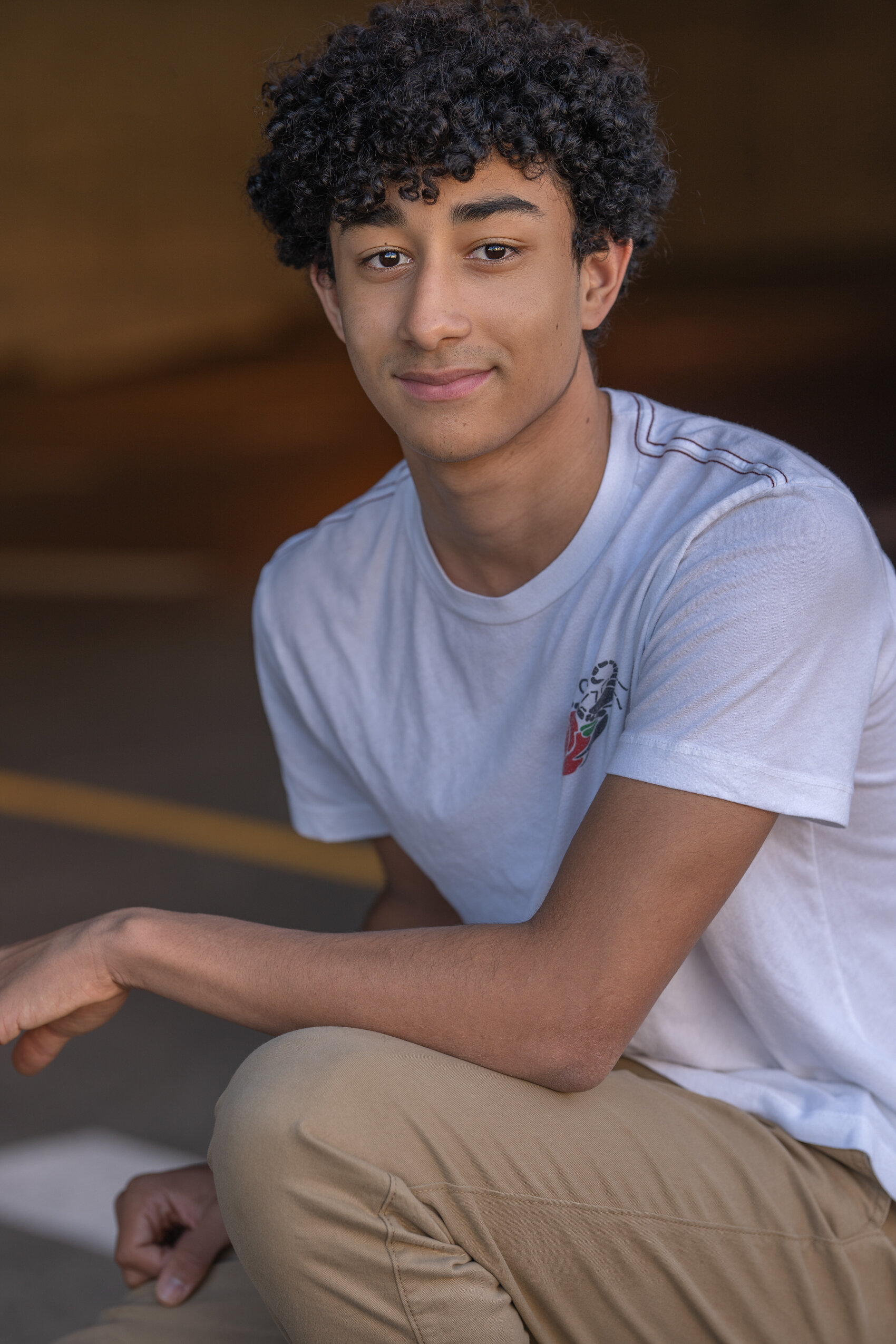
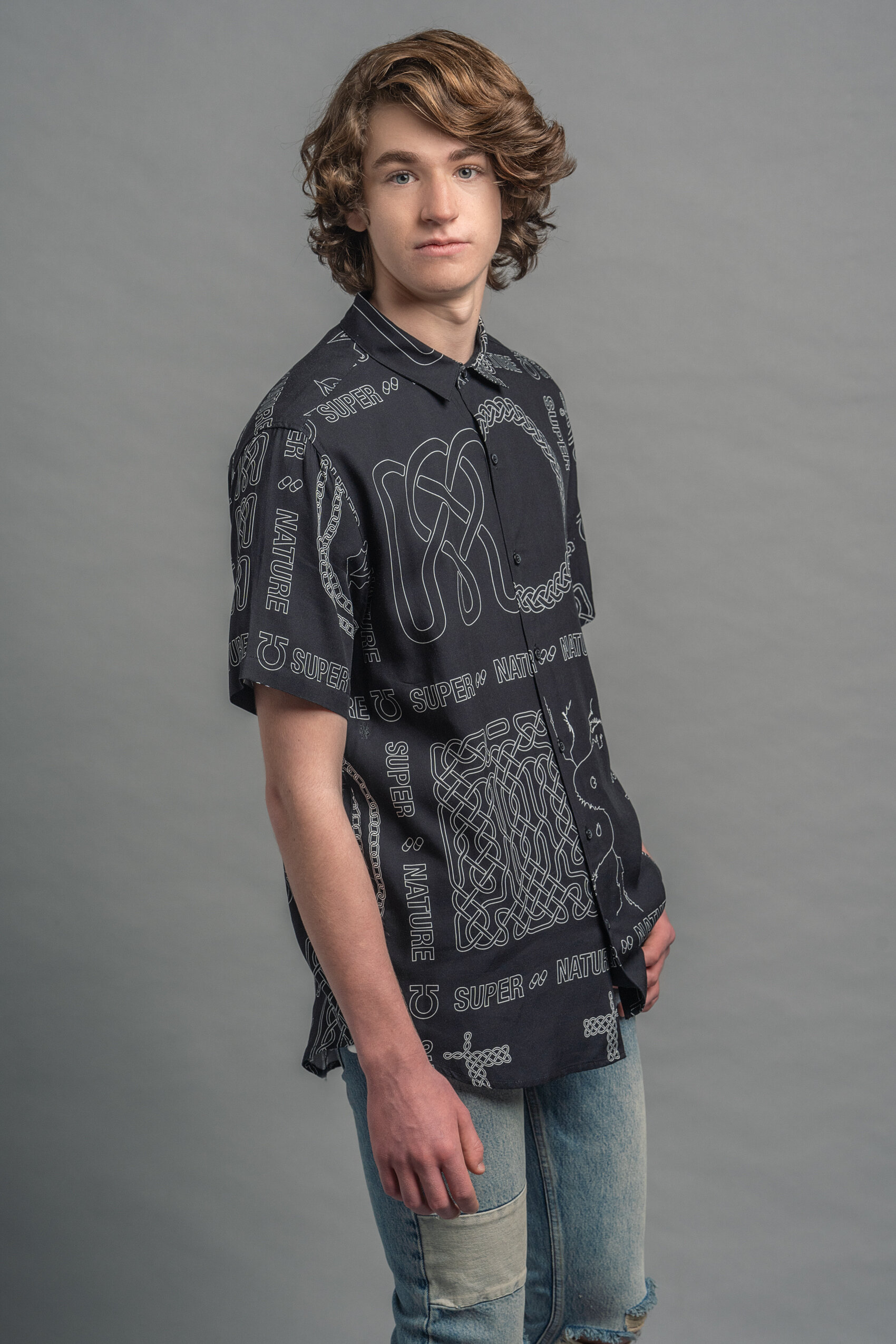
Over in the world of commercials, three of our kid clients have booked some nice projects over the past few months. Sisters Akina and Zendaya (Ryan Artists) have scored 3 photo shoots and commercial while our long time bestie, Drake Maul (Zuri Agency), just wrapped a Pemco commercial.
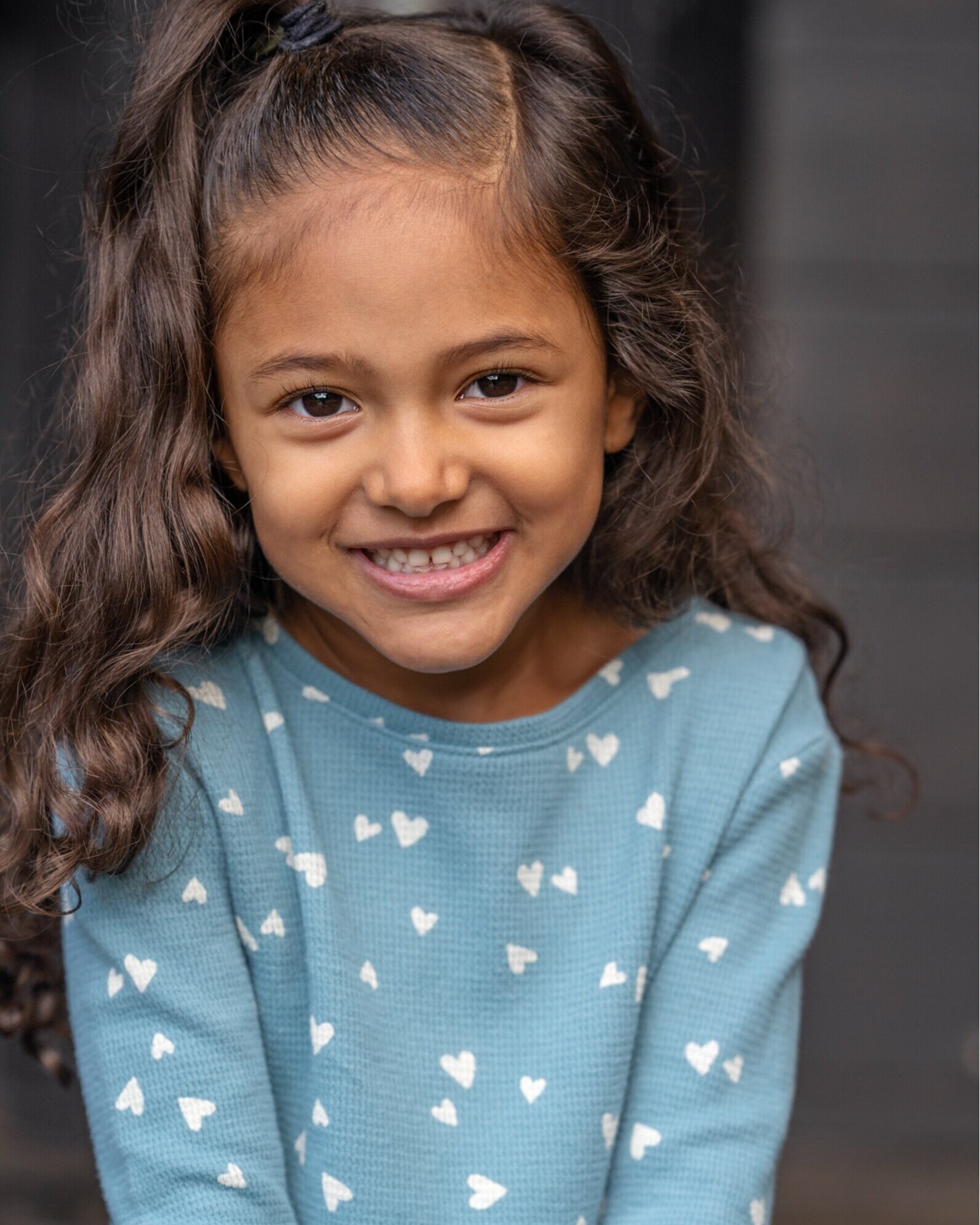
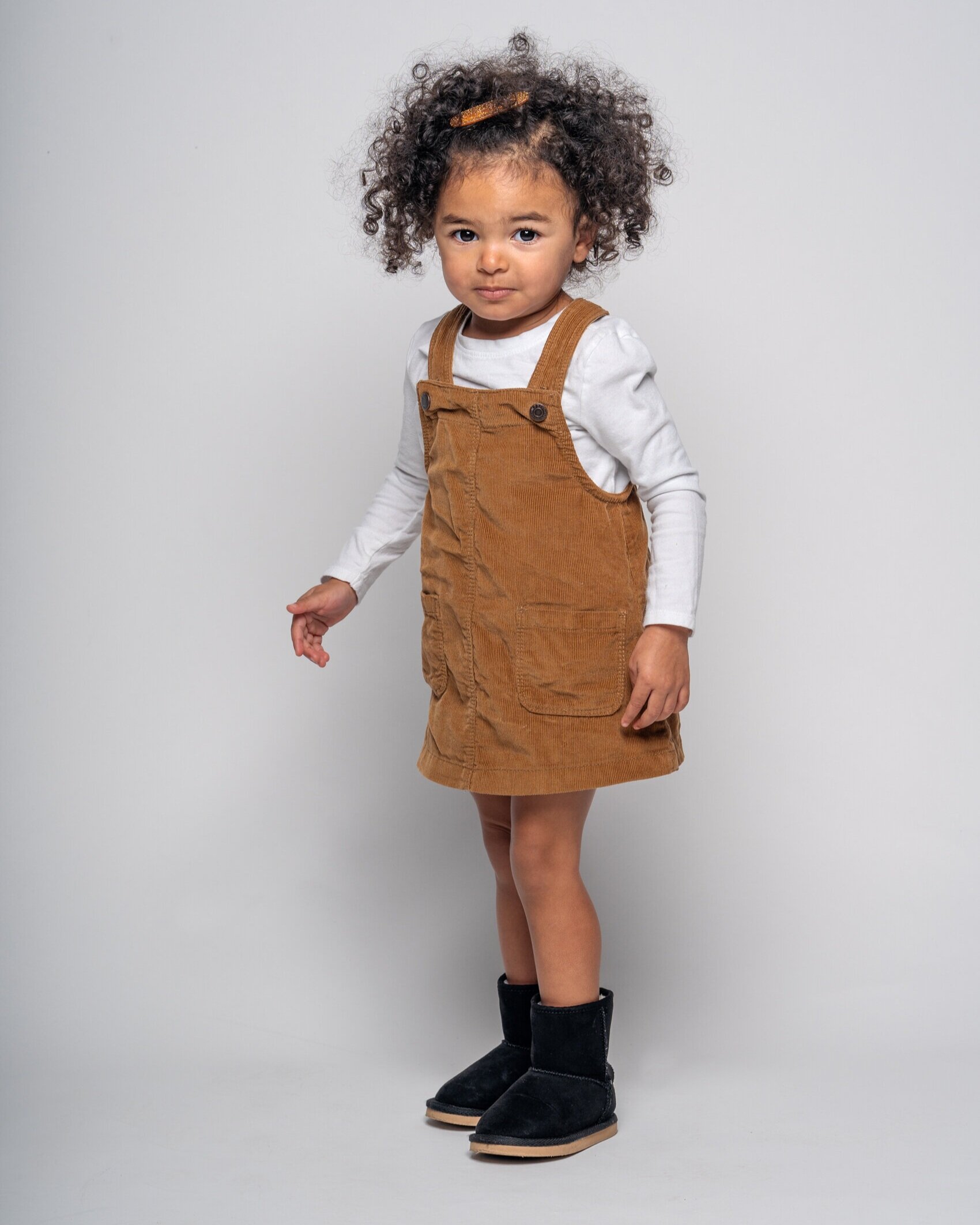

A big shout-out to our longtime client and good friend, Cherish Hales (Zuri Agency), who’s been bulking up her acting resume like a boss. Along with spots on the Netflix film, All Together Now, she’s worked on Shrill, Trinkets and the upcoming TBS series, Chad.
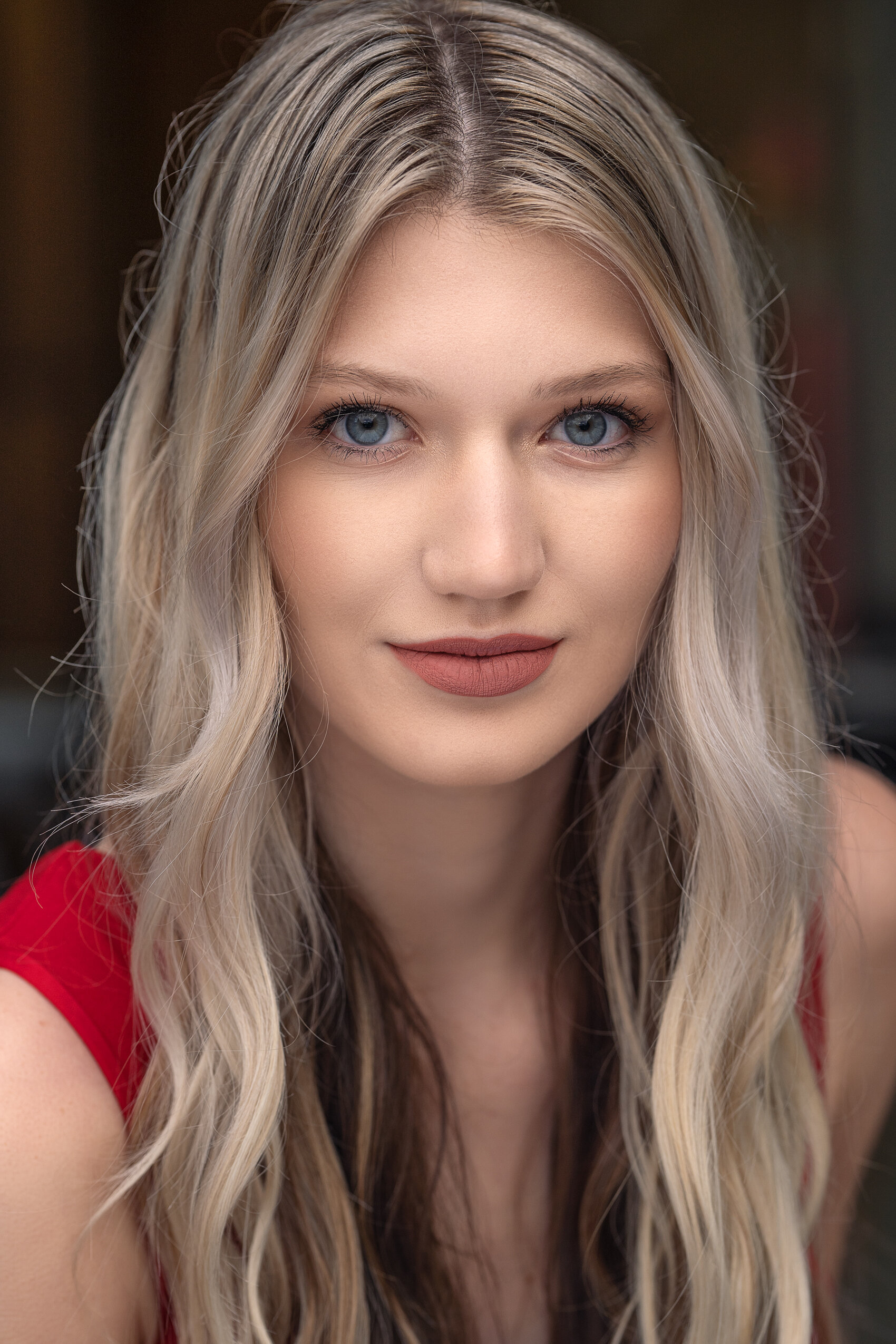
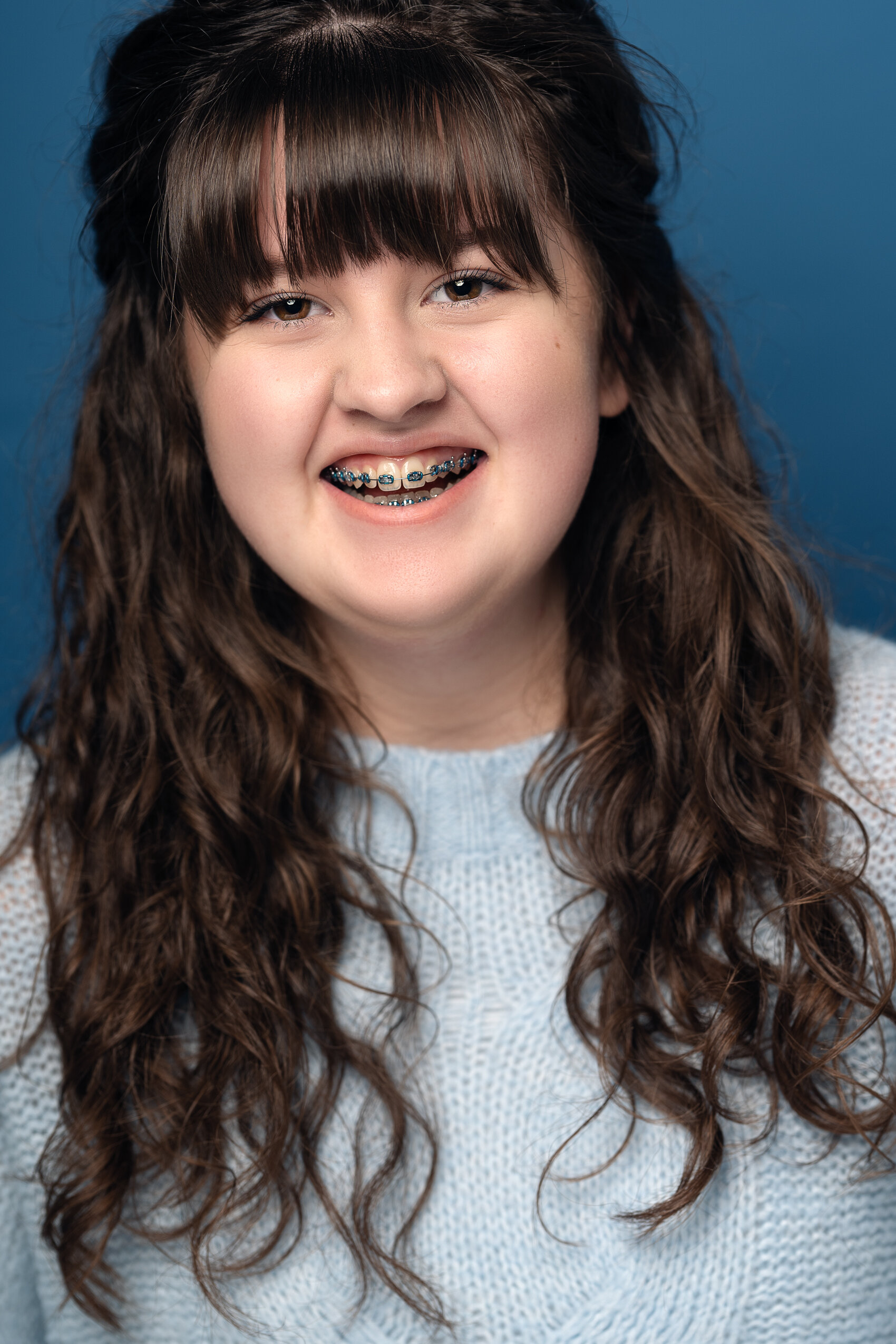
Last, but not least, a tip of the hat to our headshot clients, Amelia Anderson and Becca McCormick, who recently signed with the Zuri Agency.
Have some good news and positive vibrations to share? Send us an email here and we’ll shout it from the rooftops.
How To Rock Your Headshot Session, Part I
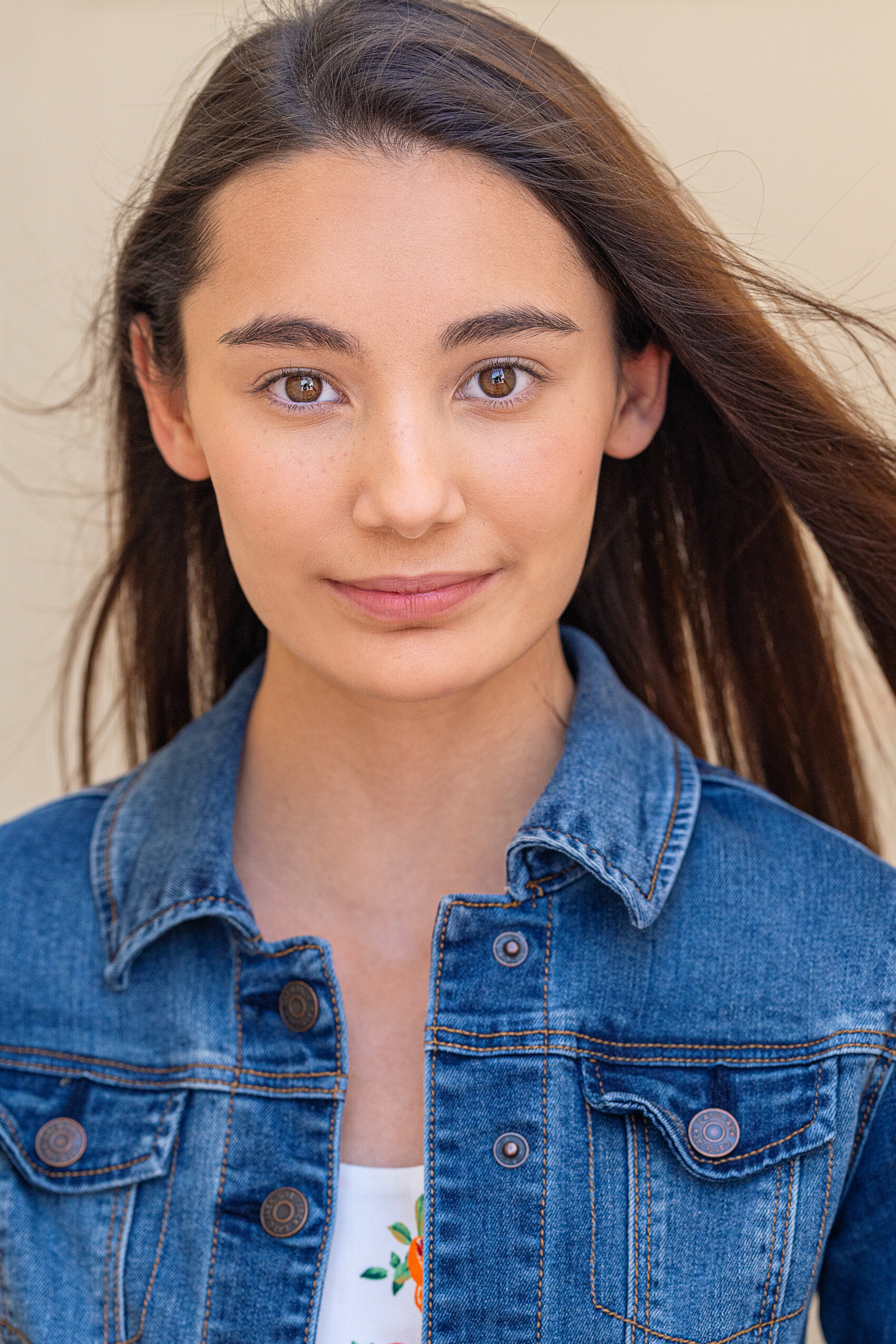
Ask any successful actor what is his most important marketing tool and he’ll tell you it’s a quality professional headshot.
It’s your calling card. It shows you’re serious about your career. It shows casting directors what you look like and, when done right, tells directors and producers a little bit about who you are. In this first of three articles, we talk about where to start on your journey to creating the perfect headshot.
Go Pro
As New York-based acting coach Matt Newton said in his excellent Backstage.com article on headshots, you should “go to a professional who is trained, understands lighting, and takes headshots for a living, not some friend who happens to have a decent camera who ‘sorta knows a little about photography.’” You wouldn’t ask your dentist to fix your car; don’t ask your barista to do your headshots.
Ask For Recommendations
If you’re signed with an agency, ask them for recommendations. They’ll have a list of photographers they trust. If you’re taking acting classes, ask your coach. Peep your friends headshots and, if you see something you like, ask who took them.
While talking with your agency or acting coach, ask for guidance on what setting will work best for you. In studio with a bright colored background? On location in a more environmental style? Also ask what kinds and colors of clothing they prefer. Most agencies are happy with a bright, primary color for your commercial look and earth tones for your theatrical look but everyone has their own preferences.
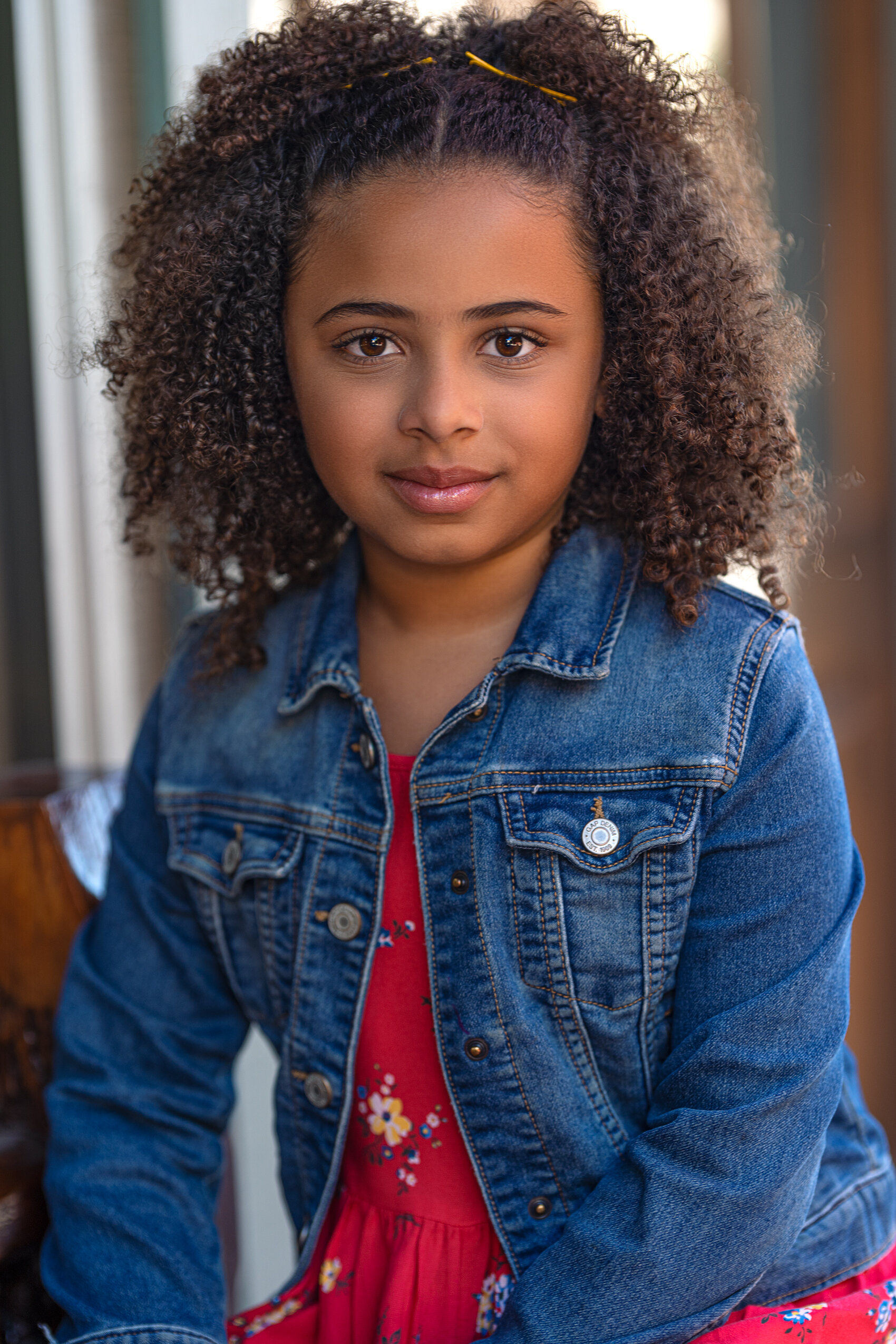
Look At Pictures and Trust Your Instincts
Search the internet for “acting headshots in [your town].” Every reputable photographer in your area should have a portfolio of his or her work for you to review. Look at a lot of pictures and pay attention to how your feel. If you see pictures that energize and excite you, that photographer might be a good choice for you.
Fourth: Know What You’re Buying
Headshot sessions come in all shapes and sizes. When comparing packages and prices, here are some important questions to ask:
How many looks (outfits) will you shoot and in what styles? Most working actors have 2 or 3 looks in their portfolio: a commercial shot, a theatrical shot and, if applicable, a character shot (e.g., the zany sidekick, the grizzly professor, etc.)
How many proofs will I get from which to choose my final images? Unless you have 500 unique facial expressions, you don’t need to see 500 proofing images. Ten to 20 solid images per look is plenty; much more than that and they’ll all start looking the same.
How many finished images do I get? One or two final images per look, with the option to purchase extras, makes for a solid headshot portfolio.
Will the final images be edited or retouched? There’s a big difference between editing and retouching. Knowing the difference is important. Check out our article on “Editing v. Retouching” here.
Have A Phone Conversation
A good old fashioned phone conversation will tell you a lot about the person with whom you’ll be shooting. Is the photographer upbeat and excited to talk with you? Is she interested in you or just interested in selling some images? Is he connected with the industry or are acting headshots just another product on his menu? Is he willing to answer your questions and give you guidance? Ten minutes on the phone will tell you a lot.
Be Willing To Spend A Little Money
The difference between a $75 headshot (taken by your barista) and a $300 headshot (taken by a professional) is huge. With a professional, you’ll have a better experience, feel more confident, get better images and show the industry you’re a fully invested professional who means business. Mind your budget but don’t cheat yourself.
Check in next month for Part Two of our series where we’ll show you how to prepare for your headshot session.
Michael Verity is a former newspaper photojournalist who has created headshots and modeling portfolios in the Portland, OR and Vancouver, WA area since 2008. Working from his studio on 11 acres outside Vancouver, he has photographed more than 2,000 actors, models, creatives and business professionals and is recommended by Portland’s leading talent agencies.
Shooting Stars: Pop Star!

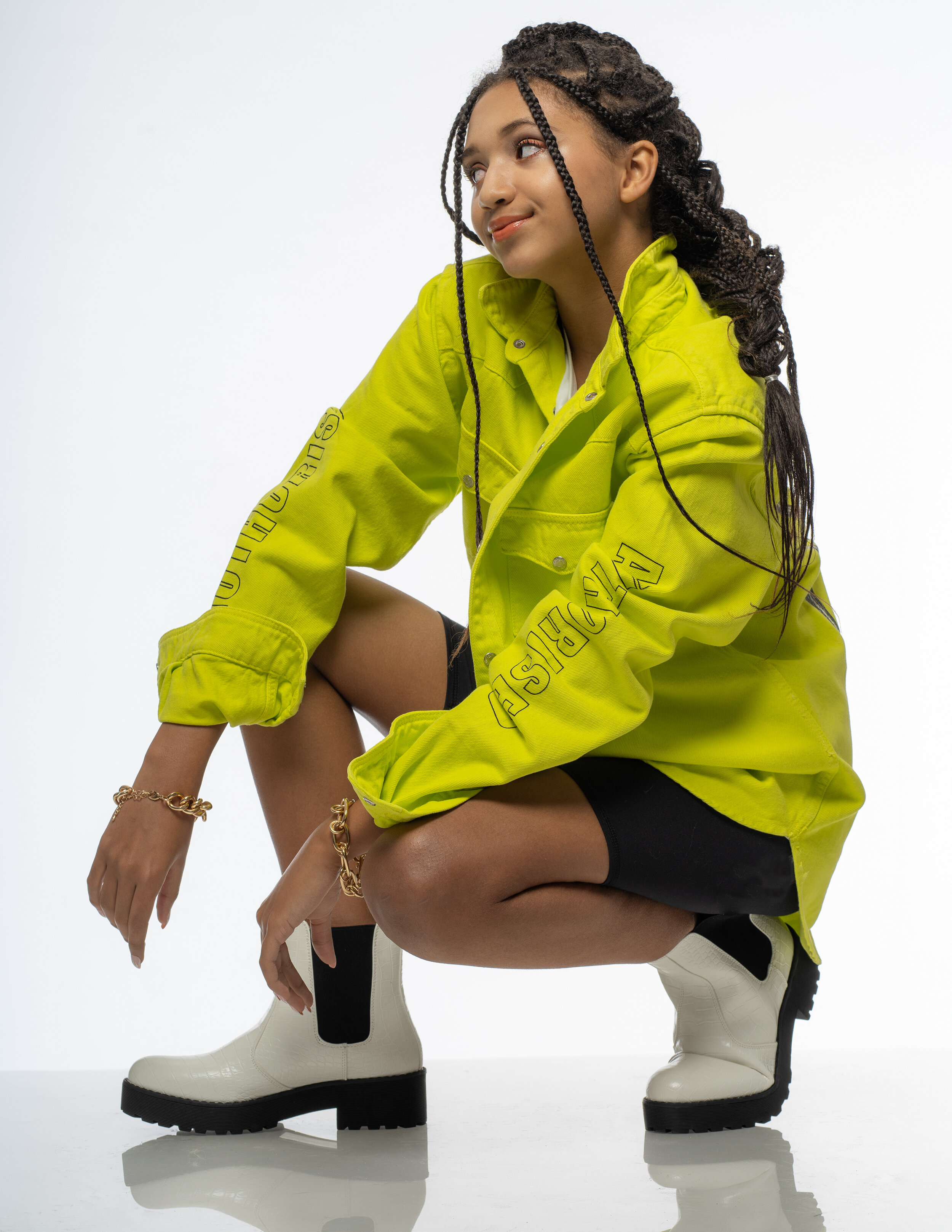
Model: Mya Van Koten
Inspiration: Along with being a seasoned model and an excellent actor, Mya is a supremely talented singer. We’ve done a couple editorial sessions with her over the past few years, all built around a musical theme. This one, called “Pop Star,” just made perfect sense.
Creative Brief: Contemporary pop fashion on a simple palette of pure white, to show off Mya’s beauty (and some pretty fabulous clothes).
How many shoots we’ve done together: We’ve been shooting with Mya for several years: headshots, portfolios, editorials and at the beach. My best guess is we’ve shot, maybe, 15 or 20 times since we met.
Time of year: Winter
Location: In our studio in Vancouver, WA.
Purpose of the shoot: For publication in LaBelle Kidz and Teens, an international youth fashion magazine.
Shoot music: 90s hip-hop (the clean versions!) and current pop music, of course.
Most unexpected turn: To be completely honest, I tipped over one of my new studio strobes the night before the shoot and broke the bulb. Unfortunately, you can’t replace those at Walmart so I had to scramble a little to set up the lighting. Luckily I had backups — always have backups! — and the session went off without a hitch.
My favorite part of the day: Mya is one of the sweetest people we know, always fun to have around and a consummate professional. So any time we get to shoot with her, we know it’s going to be a good day. More specifically, though, I loved shooting the outfit above. The whole look came together so perfectly.
Camera: Sony A7rIII
Lens: Sigma 105mm f1.4
Lighting: One Godox AD200 Pro as the main light with 2 Godox AD600 Pros lighting the back. You can learn more about shooting with a pure white background by reading this article.
Team:
Talent: Mya Van Koten (Instagram)
Creative Director and Photographer: Michael Verity (Instagram)
Fashion Editor: Carson Verity (Website)
Wardrobe Stylist: Claire Verity
Hair and Makeup Stylist: Karina Talaro (Instagram)
Chariot Driver and Mom Extraordinaire: Carolyn Van Koten


More Good News and Positive Vibrations
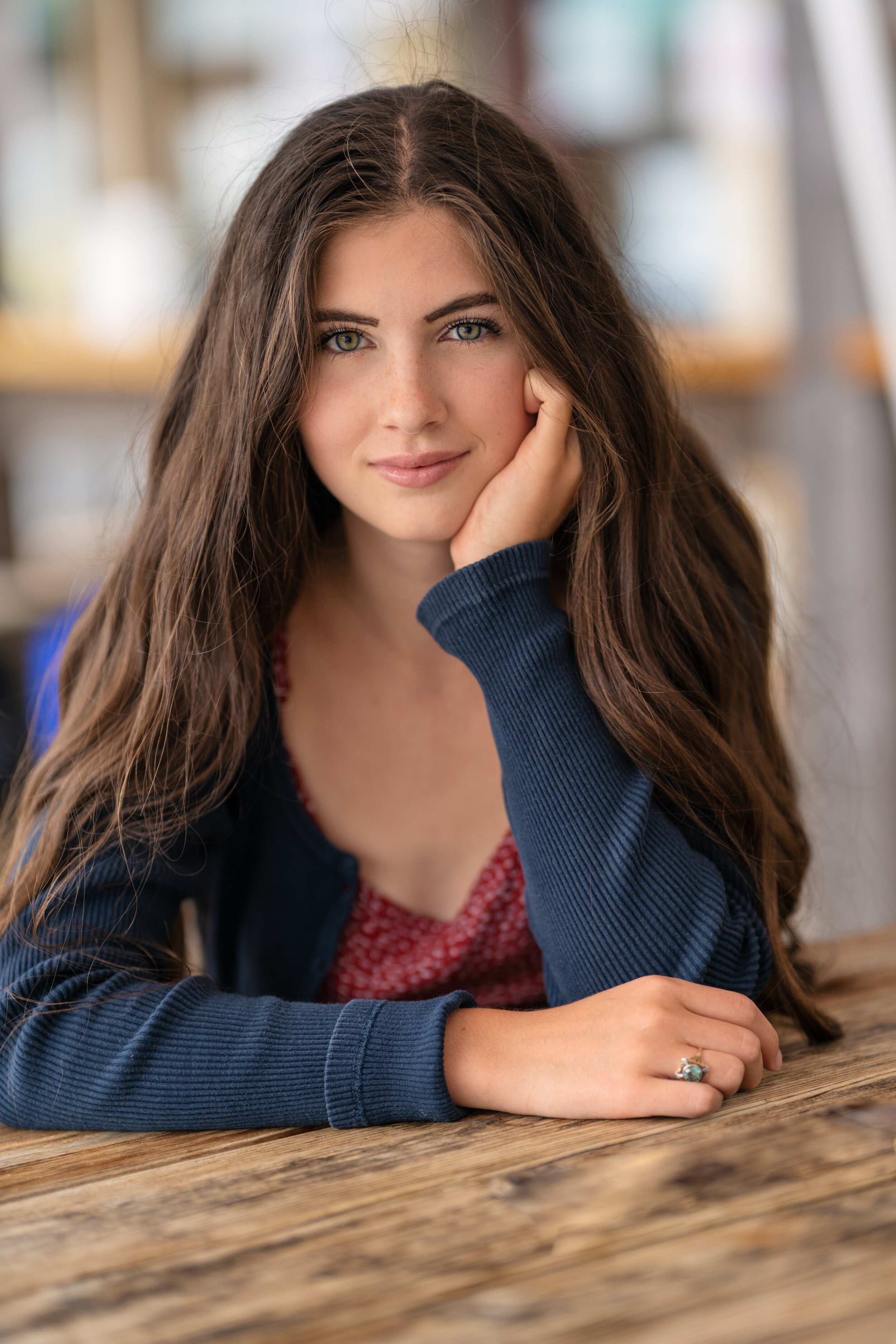
As we wrap a bow around 2020, we remain excited for our clients who continue to work and create.
The incomparable Jamie Mack (left, Ryan Artists) will be acting the role of Helen in Northwest Children’s Theater’s production of A Midsummer Night’s Dream. Digital access to all four episodes, through December 6, can be found here.
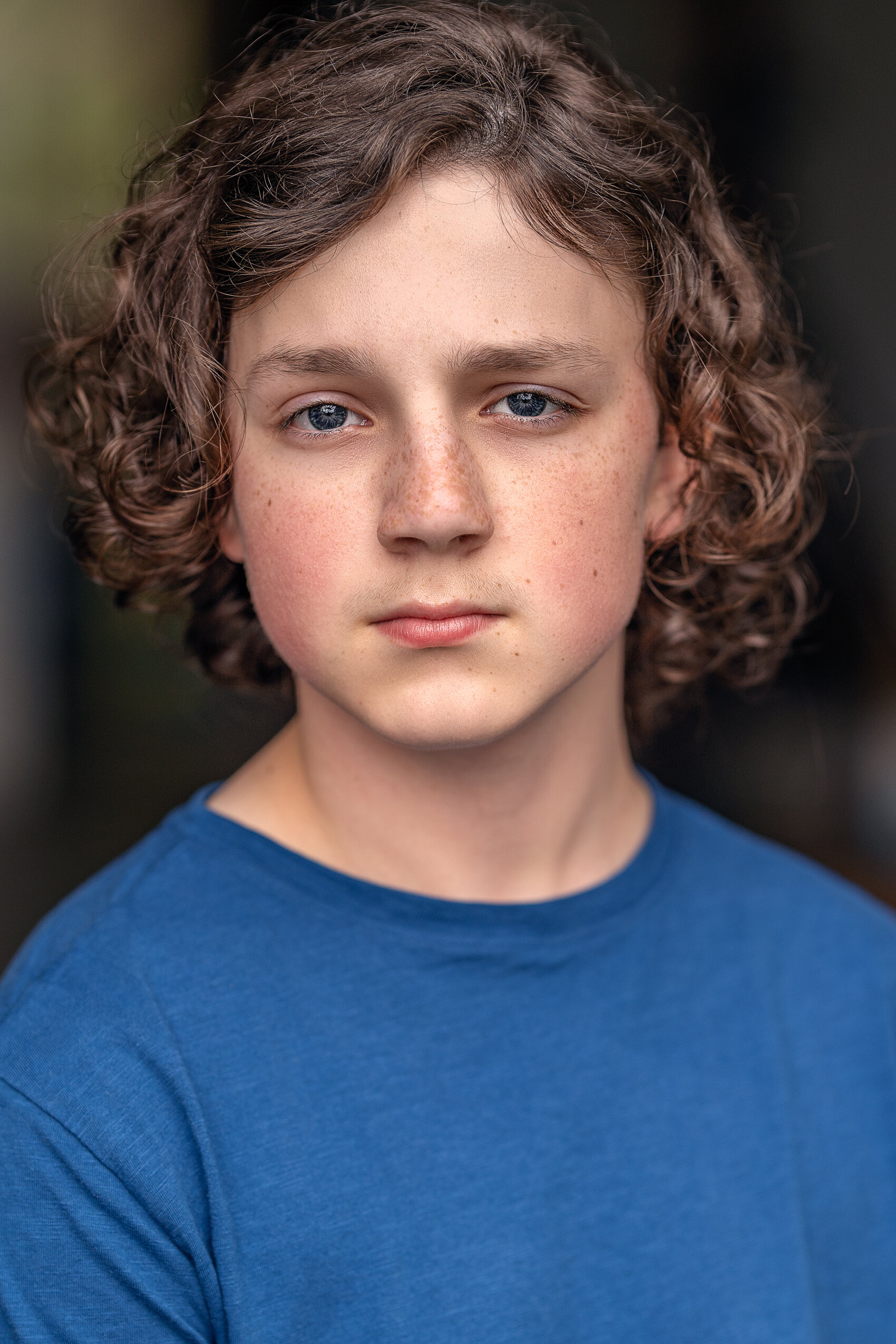
Word is out that our longtime client Cameron Wake (Brilliant Talent, Zuri Agency) has been working on a highly anticipated Netflix film that’s been shooting in Portland this fall.
Two of our most talent clients, Cherish Hales and Jordyn Brown, get virtual hugs from us as they join the talented agents at Zuri Agency.
We’re sending out big applause to Zuri talent Mimi Plawner and Piper Evenhus, both whom booked commercials and Ryan Artists’ child models Mia, Braeden and Blakely (below) all get big hugs for their recent photoshoot bookings.



Zuri talent Tracey Hugo is on a roll. She recently worked on not one but two car commercials. You can take a peek at her work on her Instagram.
Congratulations go out to the remarkable Miss Lana Sage, who recently signed with Zuri Agency AND won Lakewood Theater’s Rising Star Artist Award.
Last but certainly not least, we send propers to a whole bunch of our clients who are working on the upcoming Eastside Theater Company production of Anne of the Green Gables. Among our clients whom you’ll see during their streaming performance this February are Amanda Bjorklund, Bailey Dick, Bethany Bjorklund, Carter Jayme, Eva Bjorklund, Evie Bertsch, Ezra Johnson, Kaden Jayme and Sidra Mallon-Cohen.
Have some good news to share about someone working in the industry? Click here or visit our contact page and drop us a line.

Sunshine and Blue Skies
Summer’s never quite over when you have great pictures and fun memories of shooting in the sun, sand and surf. Here are 15 beautiful pictures (and 15 summer songs) to keep you warm as sweater weather comes our way.

“Listen To The Music”

“Ventura Highway”
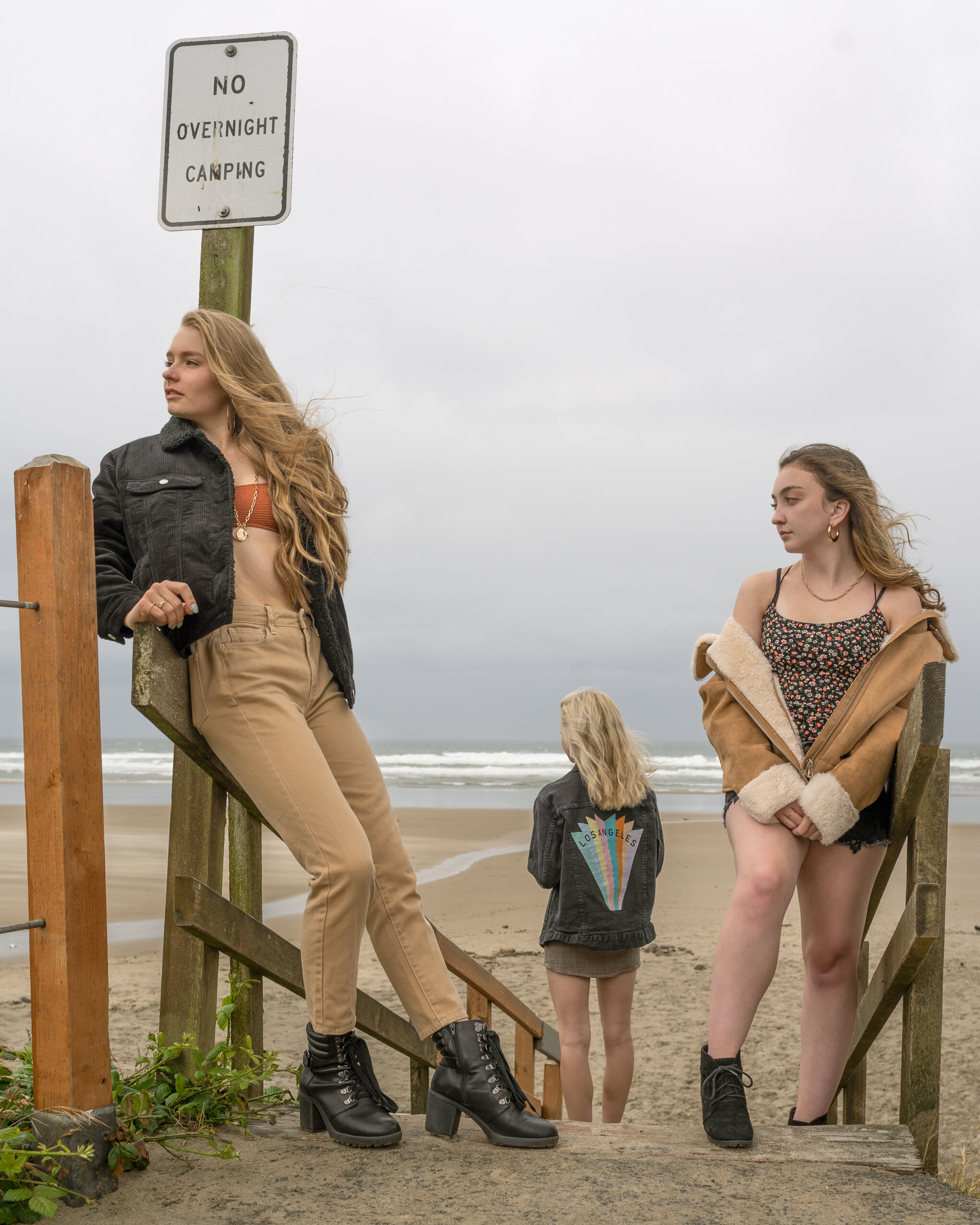
“Girls in Their Summer Clothes”

“All Summer Long”

“Walking On Sunshine”

“Grazing In The Grass”

“Summer in the City”
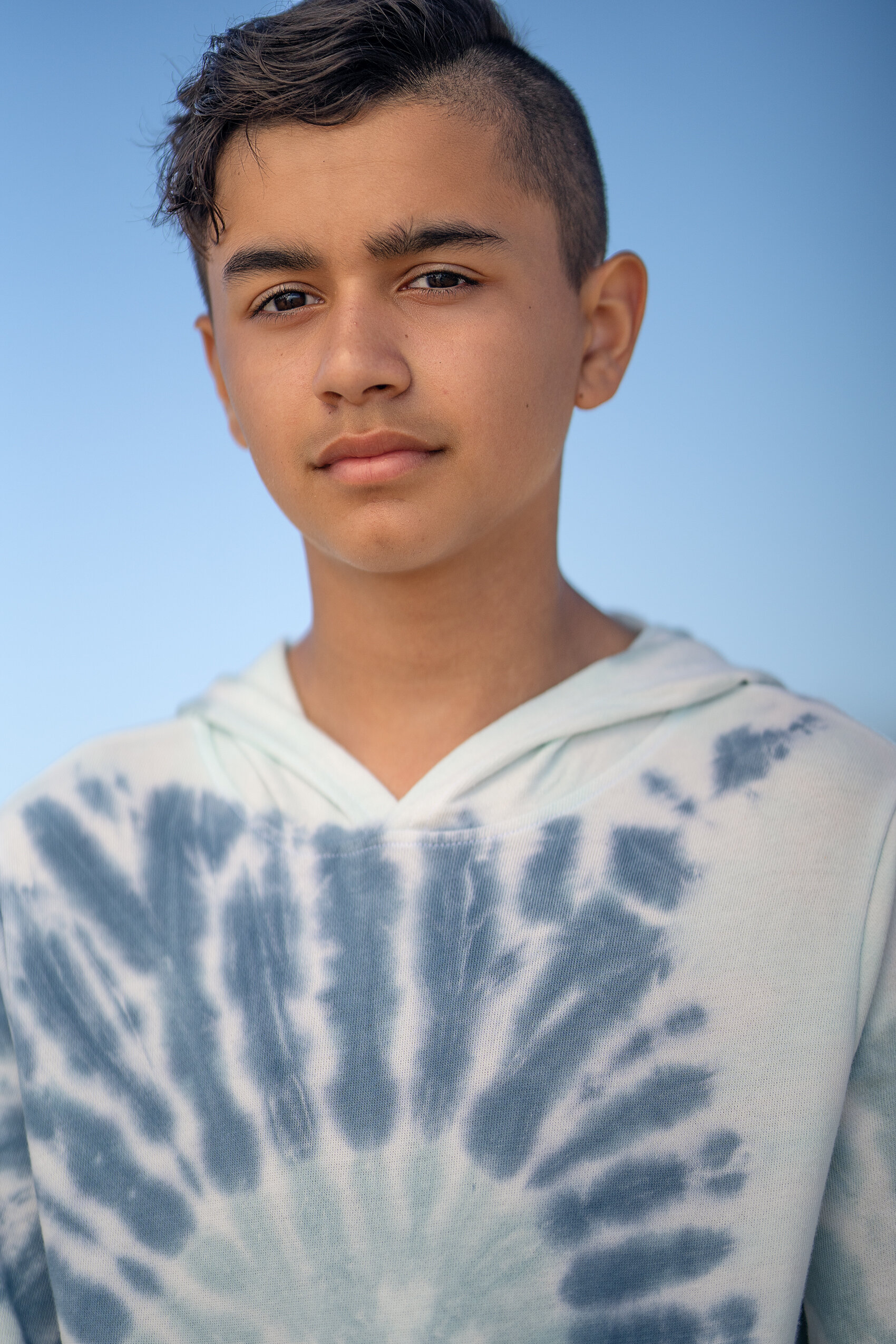
“Blue Skies”

“Summer Breeze”

“Dance, Dance, Dance”
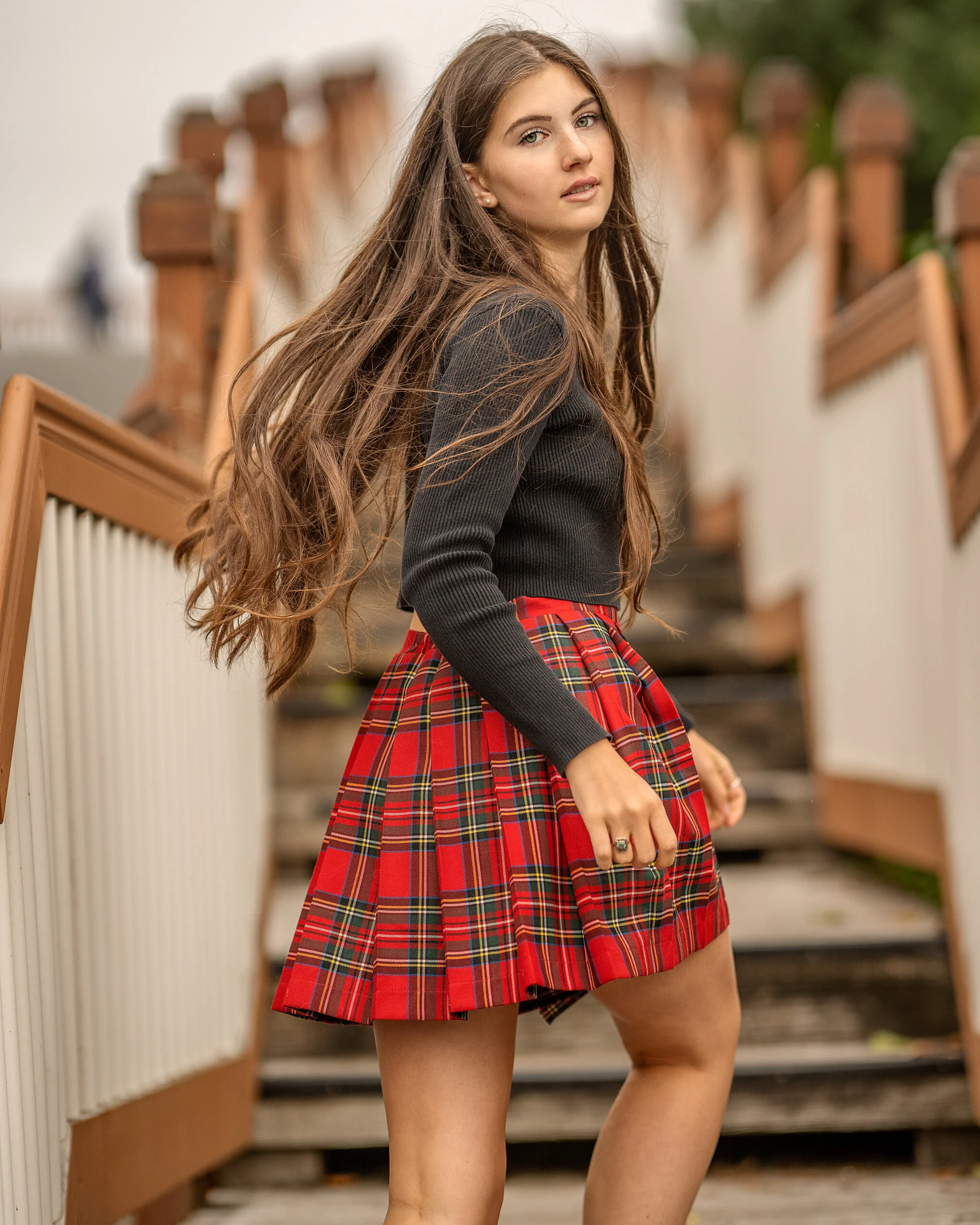
“Me & Julio Down By The Schoolyard”

“You Bring The Summer”
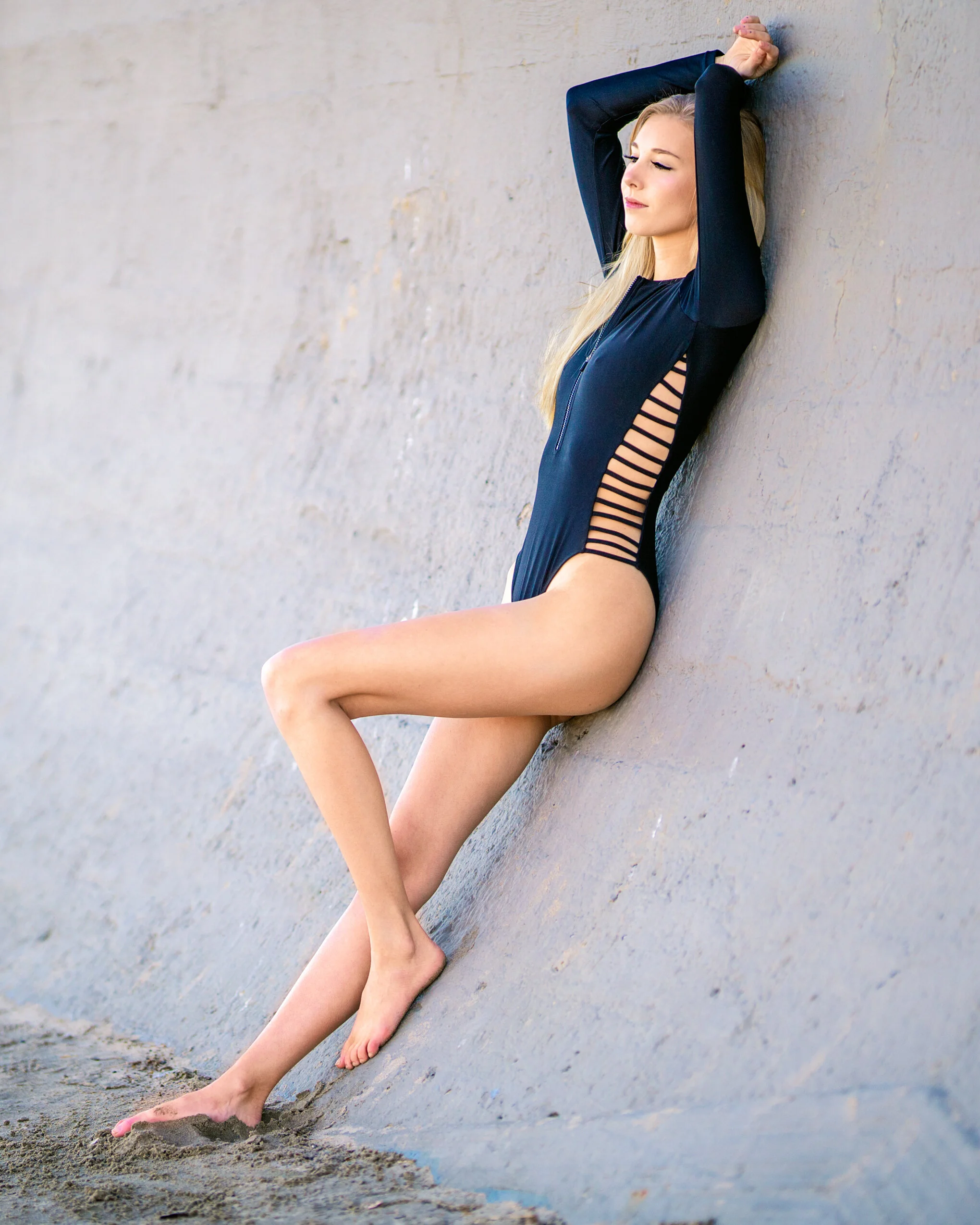
“Summertime Blues”

“Don’t Worry Baby”
Shooting Stars: Sabina's Style
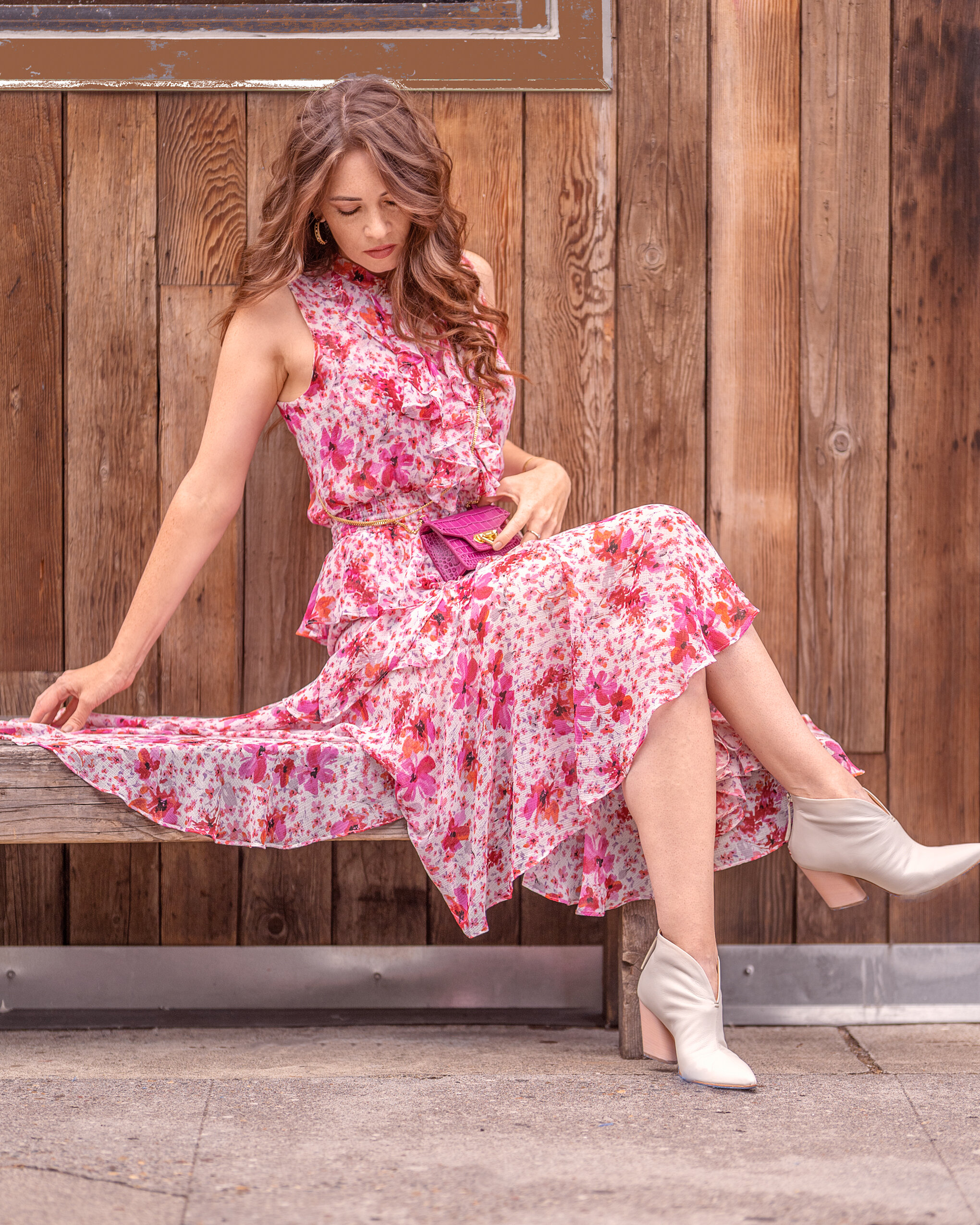
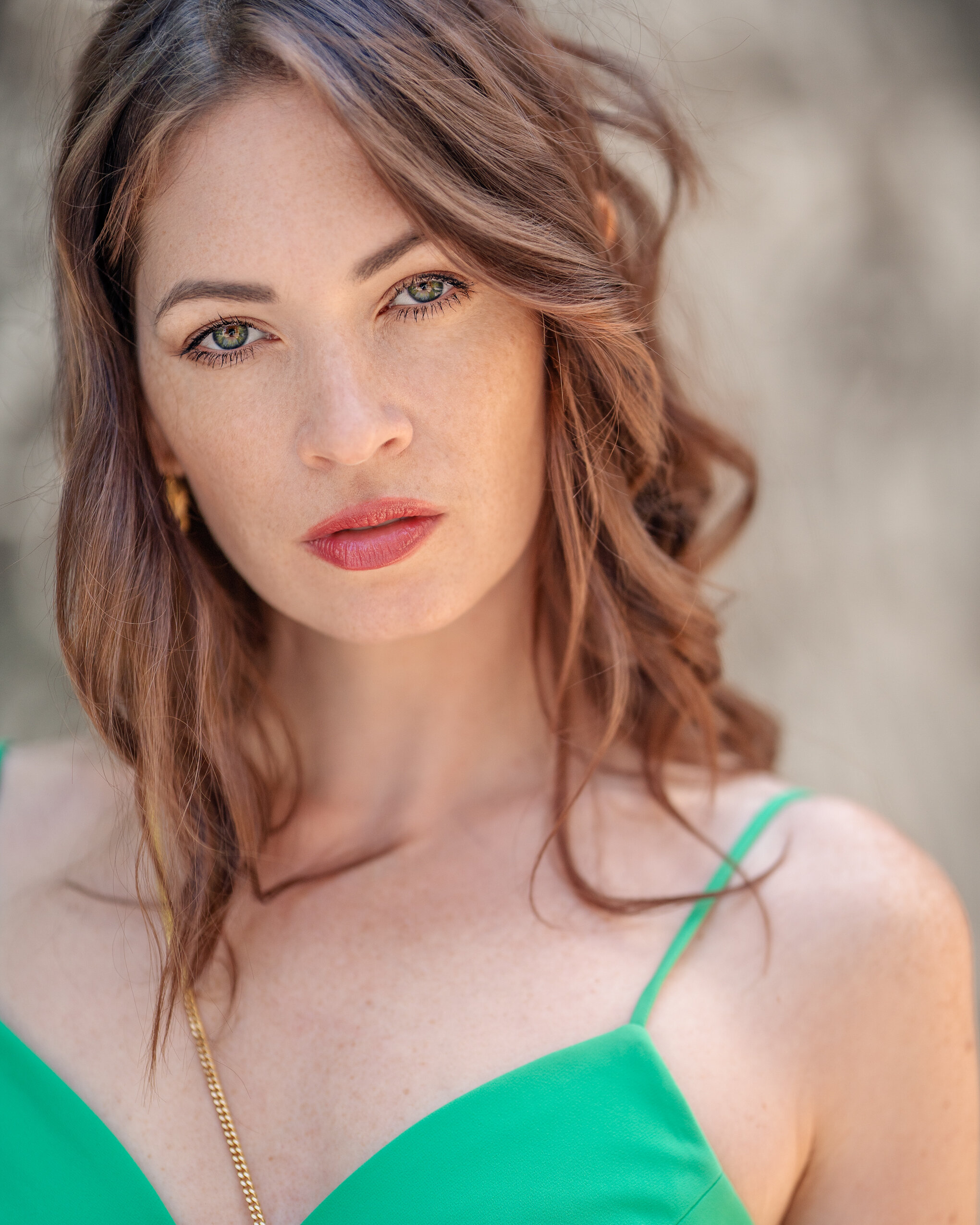
Models: Olga Shcherbakova (and Cleo)
Inspiration: This session happened because of a random act of kindness. We were working on an editorial session in The Pearl and happened to park outside a boutique called Sabina’s Style. Olga stepped out of the shop, introduced herself and offered to let us use their changing room. The next thing you know, we’re talking about doing a session.
Creative Brief: The creative brief for this session was pretty simple: capture beautiful images of Olga wearing clothing from the boutique.
How many shoots we’ve done together: Just 1, though we’re hoping for many more.
Time of year: Summer
Location: The Pearl
Purpose of the shoot: Advertising images for Sabina’s Style.
Shoot music: Does me singing “Remedy” by Jason Mraz at the top of my lungs count?
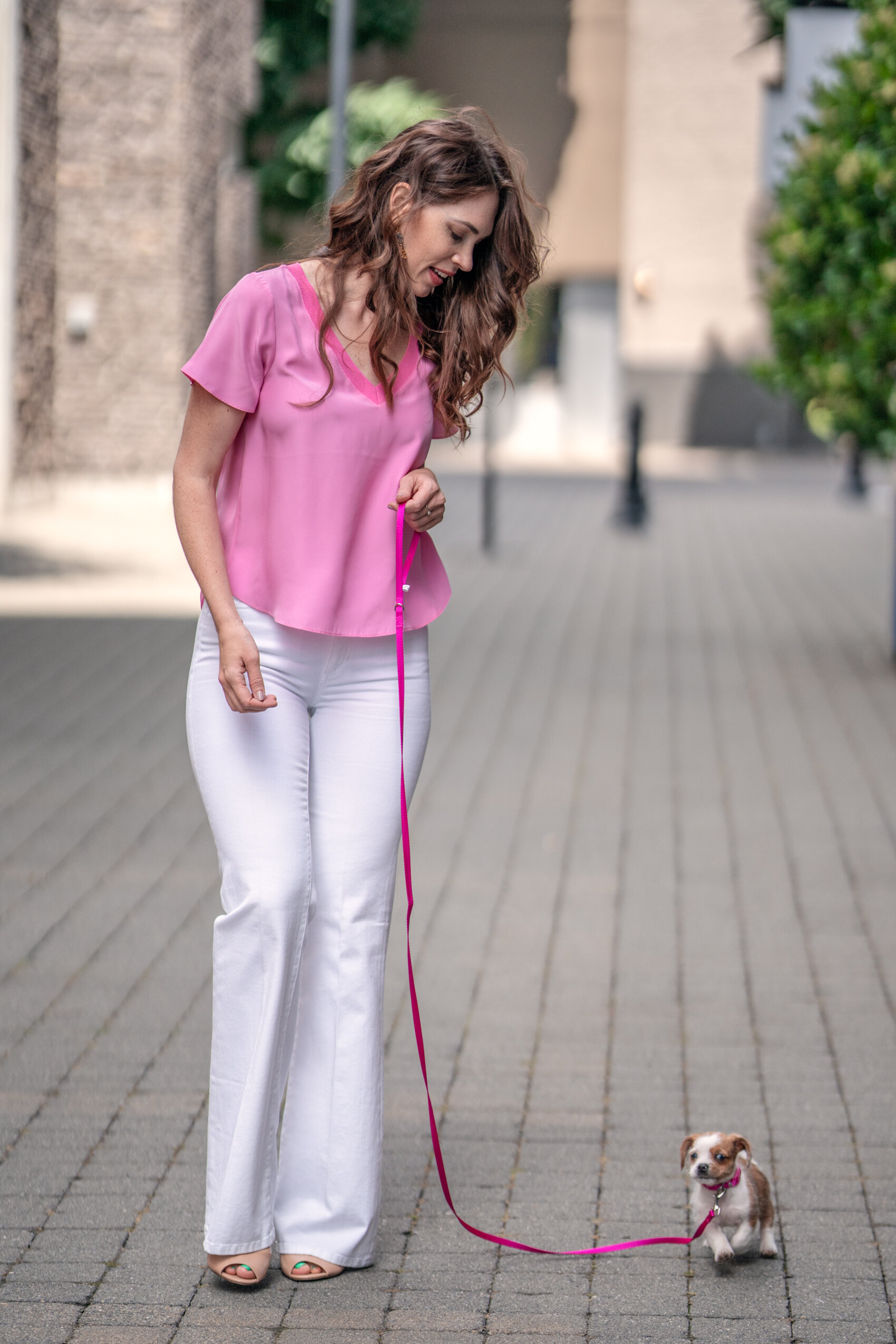
Most unexpected turn: We adopted a 6-week old puppy a few days before the shoot and decided she was better suited on site than alone in her kennel. Next thing you know, she’s a runway model.
My favorite part of the day: Advertising photography is something I love so anytime I can work with a designer or a boutique, I’m pretty happy.
Camera: Sony A7rIII
Lens: Sigma 105mm f1.4
Propers: The clothes were styled by my bestie, Claire Verity, along with input from Olga and the shop’s owner, Sabina Kupillas. And, of course, paws up for Miss Cleo.

3 Great Portfolio Places in Portland
A great photographer, who understands light and color, can make great portfolio pictures just about anywhere. Alleyways, open windows, arcades, even the parking lot of the local Starbucks. (I know this because I once shot a portfolio in the parking lot of the local Starbucks. The pictures were great. So was the coffee.)
Some places are better than others, of course, and in Portland there are a few neighborhoods that have become my favorites. Here are 3 Great Portfolio Places in Portland:
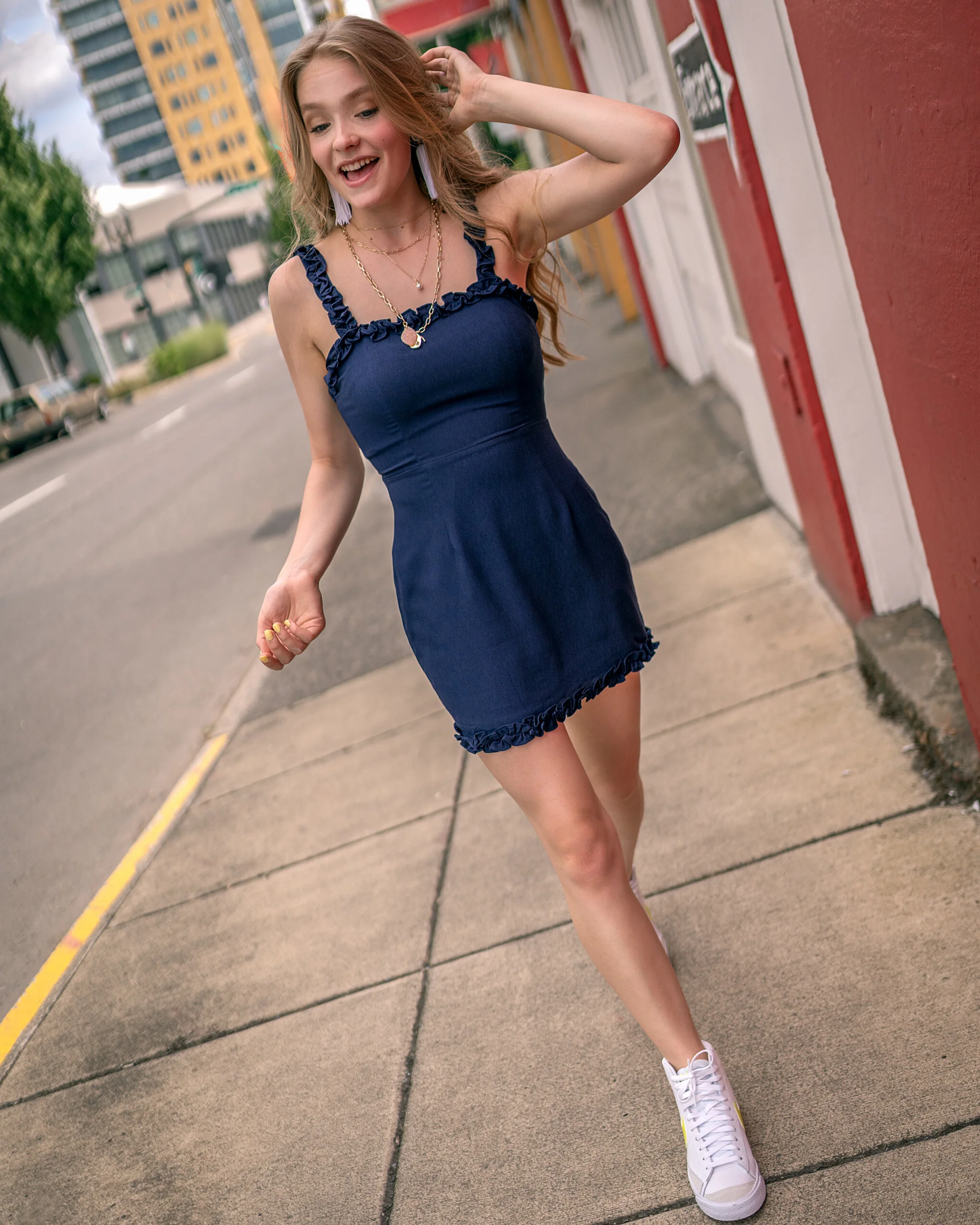
The Pearl
The Pearl is one of my favorites because of its diversity. The north end has a slicker more contemporary vibe while the south side is a bit edgier. There’s a good variety of color and you can generally find great light even at high noon. There are some nice parks for shooting kids (like Tanner Springs) and plenty of low traffic areas where you can take your time and get great images. Extra credit: if you’re a dog lover, The Fields is unequaled for spotting beautiful breeds of all kinds.
SE Division
Another of my favorite places to shoot portfolios is on SE Division, in the neighborhood of Pine State Biscuits. There are easily accessible, beautifully lit alleyways with a diversity of color. If you walk a few blocks east, you find a nice neighborhood vibe that works well for photographing kids. It’s also a good place to headshots. Extra credit: did I mention Pine State Biscuits?
Downtown Vancouver
It’s not technically Portland but it’s not Siberia, either. It’s just over the river and you don’t need a passport to get there.
The newly rebuilt waterfront has a ton on nicely lit spots that work super well for portfolios. There are several green spaces, good for athletic shots, and a beautiful promenade along the river that shoots well on the occasional day when it’s not sunny in the Northwest.
And there are a dozen great restaurants in the neighborhood for your post-portfolio provisions. Hint: some of the best Mexican street tacos in the area can be found at Little Conejo at the corner of 6th and Washington.
What’s your favorite spot in Portland to shoot a portfolio? We’ll join you there and make some amazing pictures. And then we’ll have lunch.

Edited v. Retouched
Know What You’re Paying For
Two words you’ll see when shopping for a photographer are edited and retouched. To most consumers, they seem like the same thing but they’re actually very different. Here’s some information about editing versus retouching and why it’s important to know the difference.
What Is Editing?
In the strictest sense, editing is selecting the best images from a session. When I narrow 300 frames down to 30 great shots, I’ve edited your session.
Many photographers — including me — expand edited to include basic adjustments like exposure, color correction, contrast and/or cropping. On the left is a raw image that came straight from my camera; on the right is an edited image that includes some basic adjustments. The edited image is nice but it doesn’t really stand out.
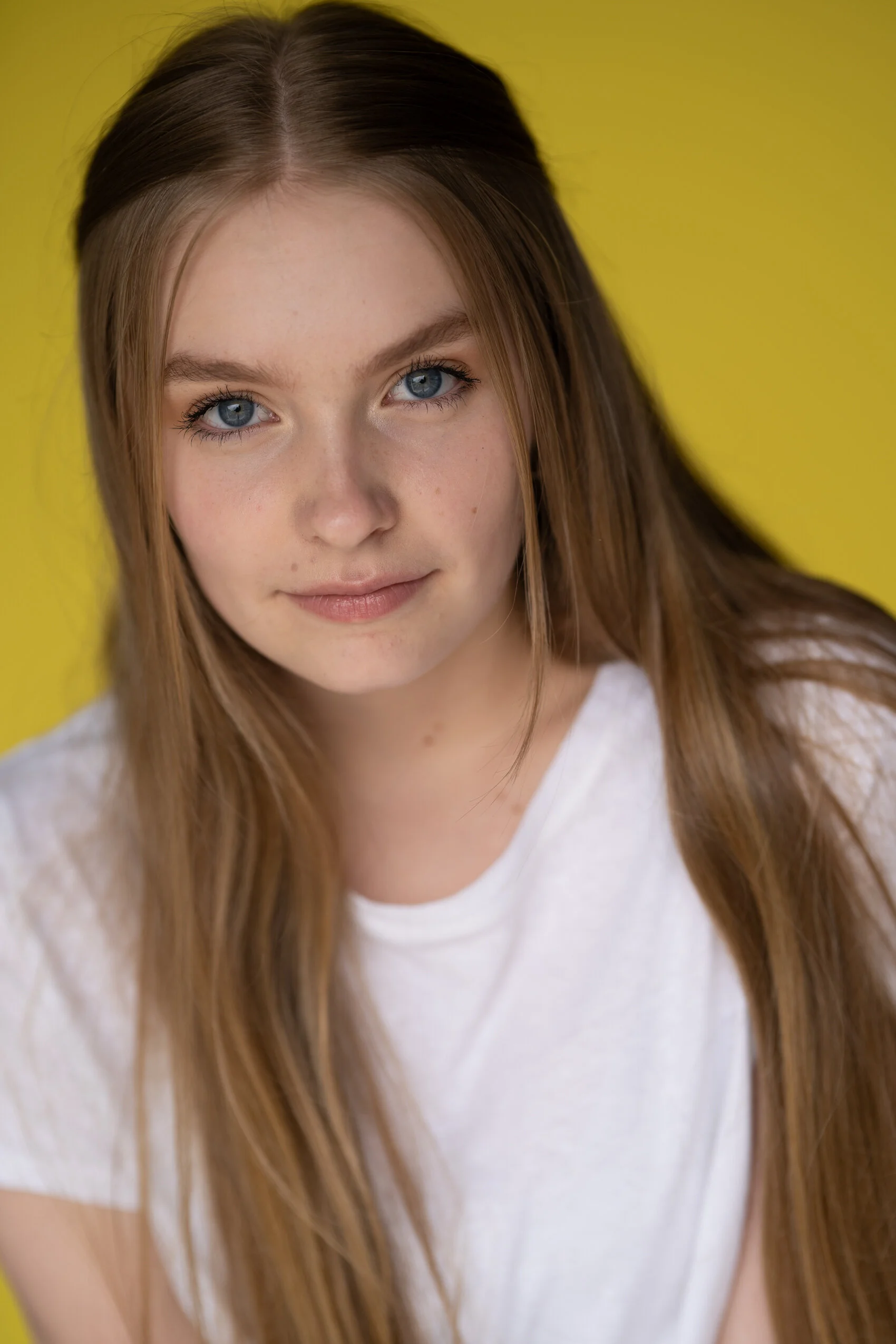
RAW IMAGE, STRAIGHT FROM THE CAMERA

EDITED IMAGE
What is retouching?
Retouching is taking an edited image and polishing it for prime time. It’s the secret sauce that makes each photographer unique. In my workflow, I clean up wild hairs and blemishes, soften harsh shadows, tweak color and contrast, then finish with a magic potion of Photoshop work that makes your image pop.
On the left is the edited image from above and, on the right, is a sparkling retouched image that pops right off the screen.

EDITED IMAGE FROM ABOVE

FINISHED IMAGE, READY TO SEND TO OUT FOR AUDITIONS!
Why It’s Important To Know The Difference
Let’s say Sammy Photographer advertises 10 edited images for $200 and Jimmy Photographer advertises 4 retouched images for $300. On the surface, it seems like Sammy is offering the better deal.
But remember: Sammy is giving you edited images.
If you want to put your best foot forward with images that are polished and professional rather than just edited and OK, you want your pictures to be retouched. Sammy will probably make that happen but he’ll charge you accordingly, sometimes as much as $100 per retouched photo. Suddenly you’re paying a whole lot more than you expected!
Know What You’re Paying For
When shopping for a photographer, always ask this question: Am I getting a ton of edited images that’ll never leave my hard drive or am I getting the retouched images I need to achieve my goals and succeed in my business? Ask that question, know what you’re paying for and you’ll get better images and have a much more fulfilling photographic experience.
##
Does this article help you make a more informed buying decision? Let us know — and ask any questions you have — by shooting us an email. We’re here to help!
Shooting Stars: Spirit
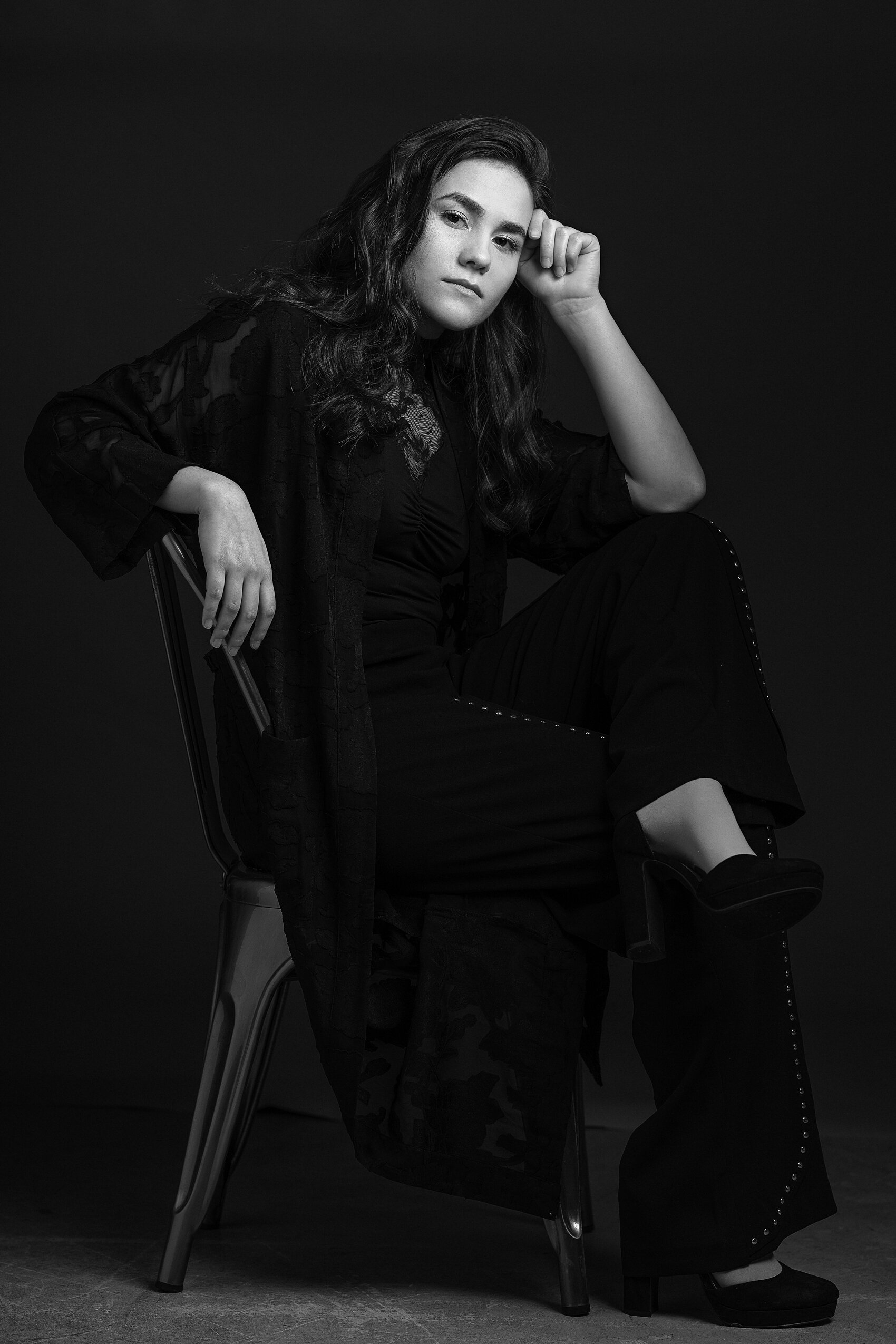
Model: Mallorie Mendoza
Inspiration: This editorial session was inspired by Mallorie, who is one of the most dynamic people I’ve ever met, and a book about designers and creative directors by Nathan Williams called The Eye.
Creative Brief: The creative brief for this editorial was pretty simple: make 3 or 4 black and white images that capture the essence of her personality: powerful, persistent and supremely driven.
How many shoots we’ve done together: Mallorie has been a client for the better part of 10 years. I’ve lost count of how many pictures I’ve taken of her.
Time of year: Winter
Location: Our studio
Purpose of the shoot: For Mallorie’s Mom (and a book we plan to publish in 2021).
Shoot music: We didn’t have any music. We talked a little about what we wanted to shoot and chatted with Mallorie about her first semester at school in New York. Otherwise, it was pretty quiet, almost meditative. It was quite beautiful, actually.
Most unexpected turn: Candidly, we were planning to do 5 outfits but one of them, a big fuzzy jacket on top and a long jacket tied around her waist, didn’t work out so well. The black pants and gray Converse looked pretty cool, though.
Mallorie’s favorite part of the day: “Playing with different sources of light was so cool! Like the one where I was looking out the window. I also loved the vibe of this shoot because it was dancer in fashion wear, which was really fun to do! It felt like what I would want to wear around the streets of New York (if someone could style me all the time. Hah.)”
My favorite part of the day: We shot 5 outfits in 2 hours, including hair and makeup. It was so smooth and collaborative and relaxed and tuned-in, it seemed like it lasted about 5 minutes. It was a brilliant collaboration.
Camera: Sony A7rIII
Lens: Sigma 105mm f1.4
Favorite shoot hack: My approach was purposely very basic. I didn’t want the shoot to be about lights; I wanted it to be about Mallorie. So I used a medium sized Octobox camera right for a few looks, a beauty dish overheard with some fill for another and light from a window for the last one. She stood on a stool for the last one, if you want to call that a hack.
Propers: The clothes were styled by my bestie, Claire Verity. Hair and makeup was done by the incomparable Karina Talaro. And, of course, none of it happens without Mallorie’s superstar Mom, Janett.
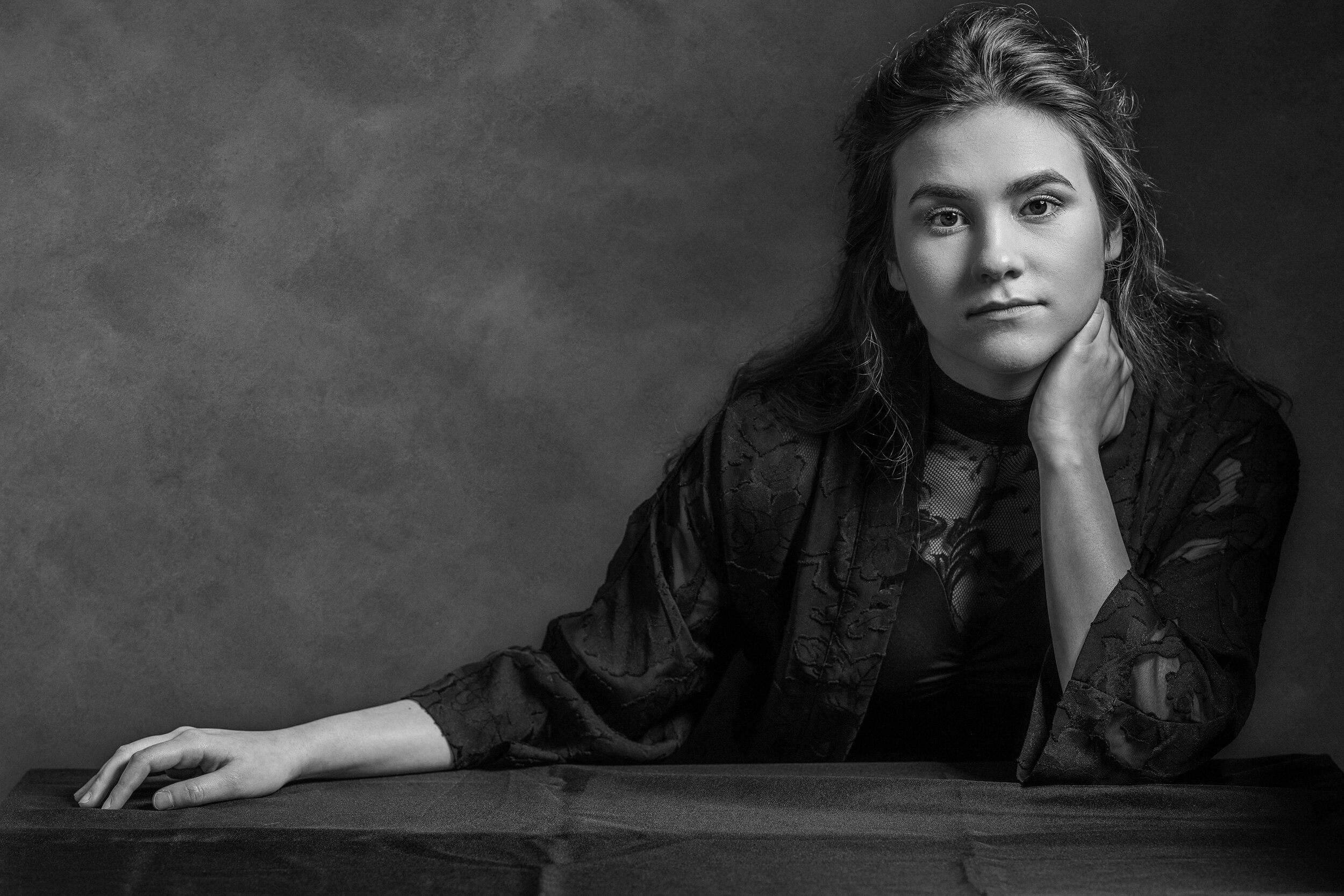
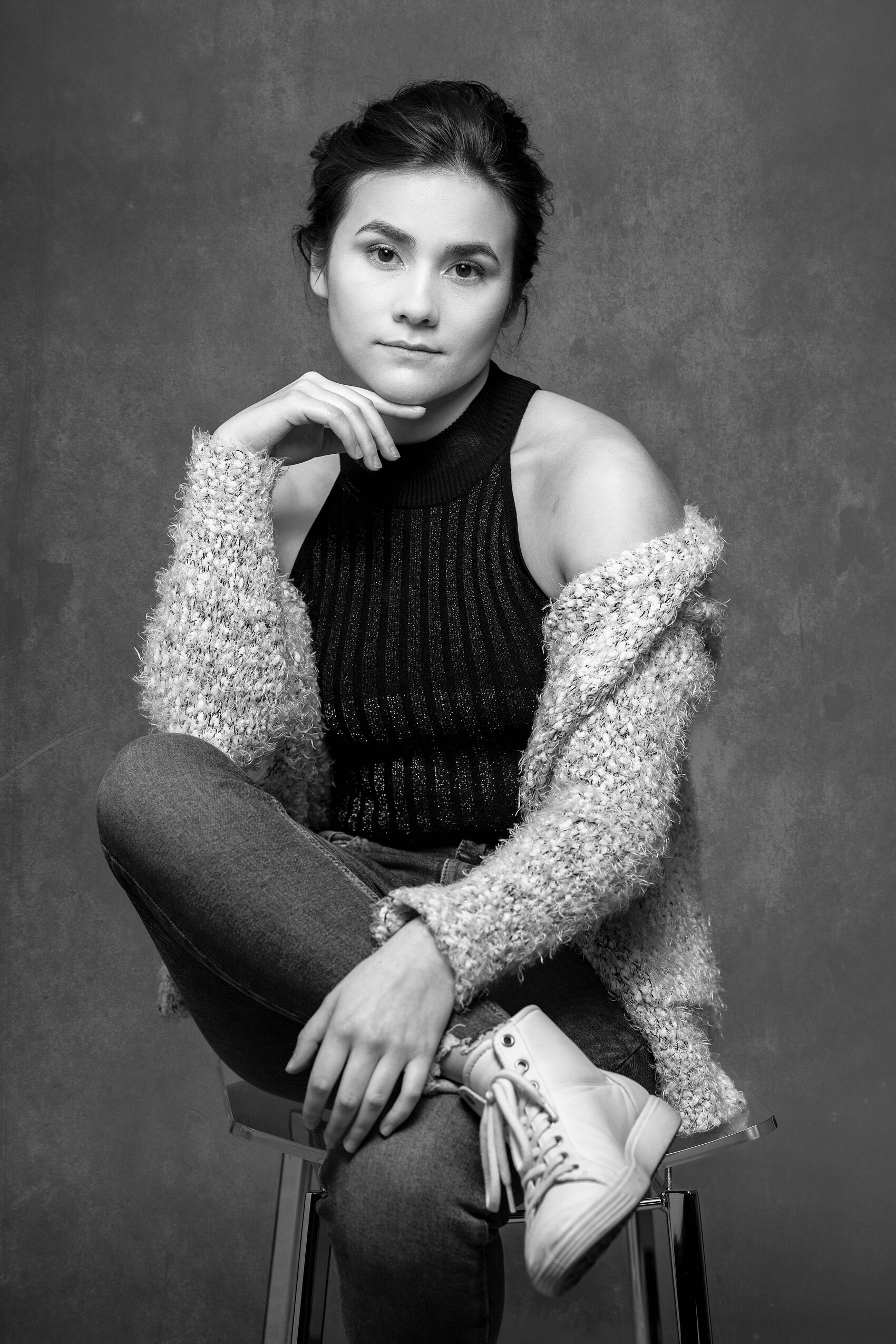
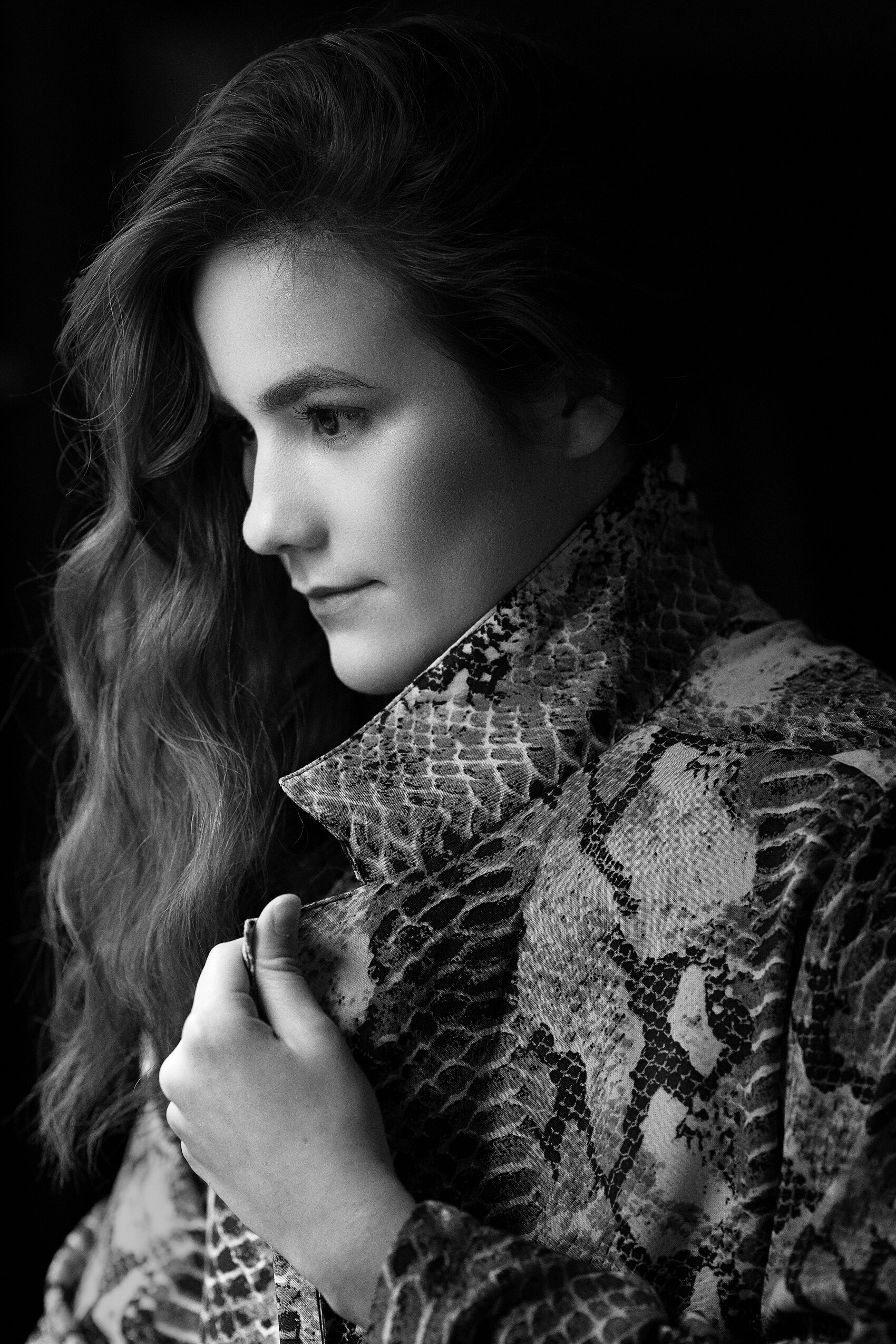
Gimme Shelter (and 14 Other Quarantine-Friendly Songs)
Here’s my playlist of 15 quarantine-friendly pop tunes about washing your hands (kinda), keeping your distance (always) and dancing in groups of 1. Scroll to the bottom to get the Spotify playlist!

Chuck Berry - “No Particular Place To Go”

2. Johnny Rivers - “Rockin’ Pneumonia and The Boogie Woogie Flu”

3. Journey - “Don’t Stop Believin’”
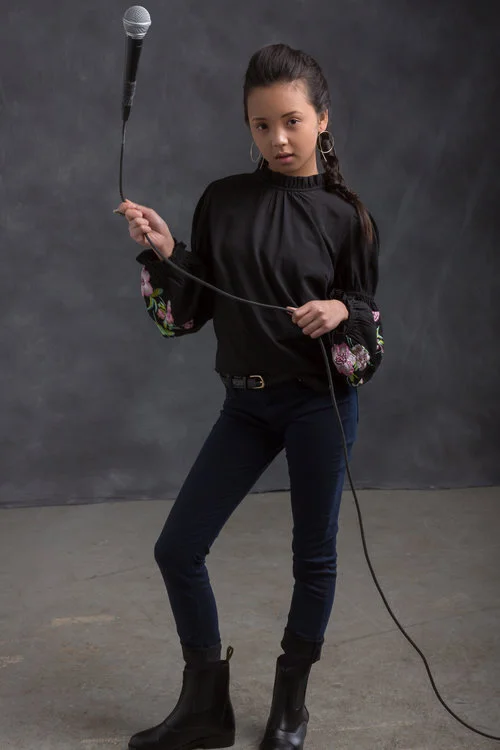
4. Billy Idol - “Dancin’ With Myself”
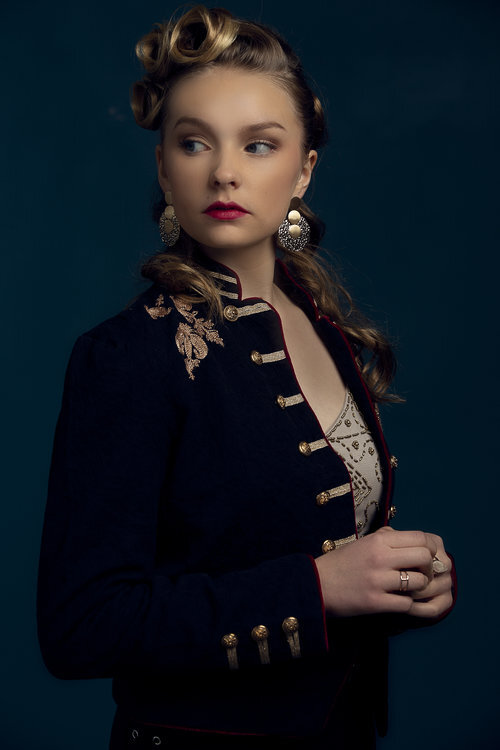
5. The Police - “Don’t Stand So Close To Me”
6. REM - “Shiny Happy People”
7. Wallows ft. Clairo - “Are You Bored Yet?”

8. The Beatles - “Come Together”
9. MC Hammer - “You Can’t Touch This”
10. Georgia Satellites - “Keep Your Hands to Yourself”
11. Suzanne Vega - “99.9”
12. Bee Gees - “Stayin’ Alive”

13. The B-52’s - “Love Shack”
14. Pharrell - “Happy”
15. The Rolling Stones - “Gimme Shelter”
Grab The Playlist for Your Spotify!
PORTLAND INDUSTRY INSIDER: An Exclusive Interview with Dennis Troutman of Option Model and Media
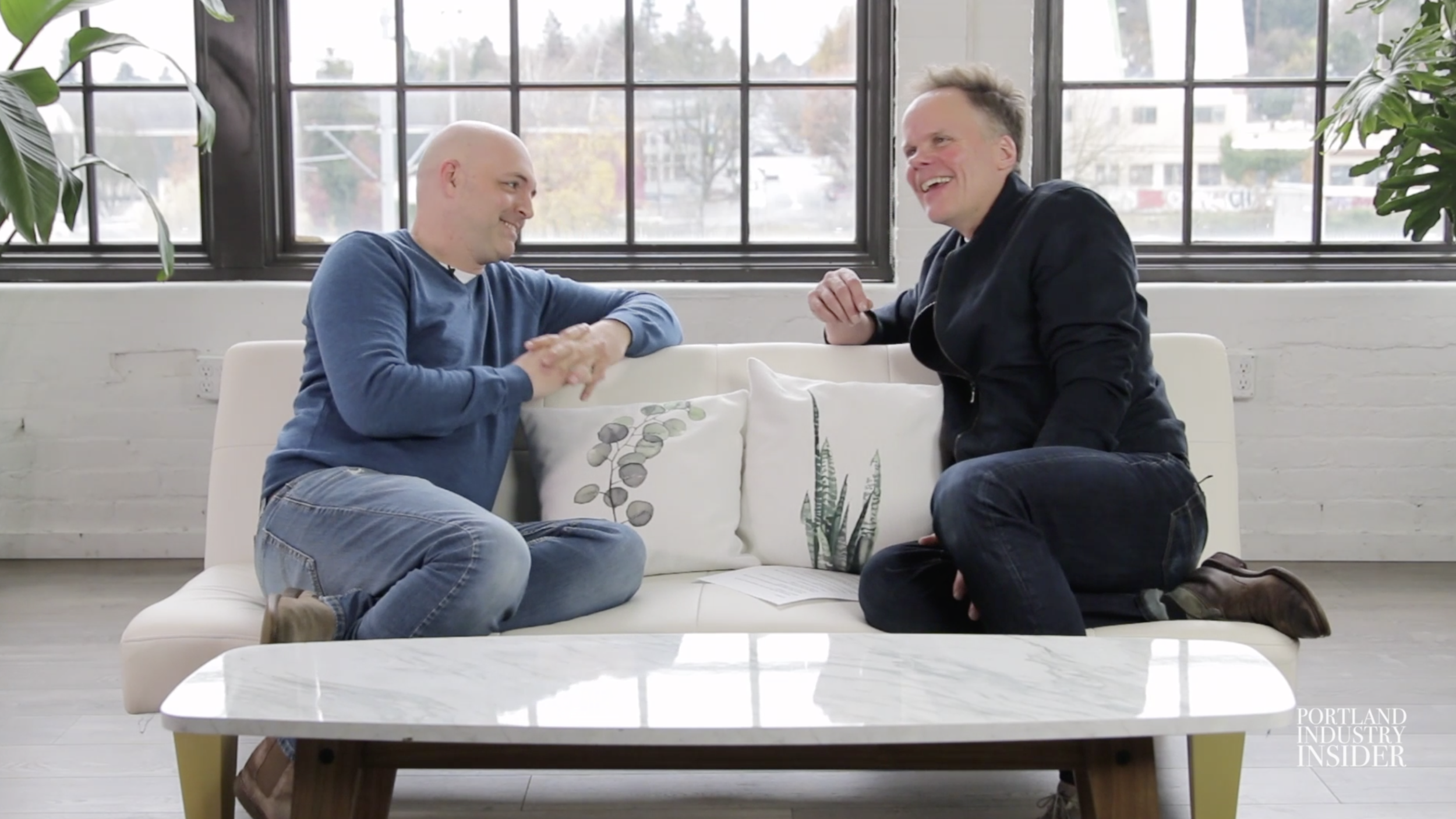
MICHAEL VERITY: Welcome to Portland Industry Insider, our monthly sit down with a key player in the acting industry here in town. Our hope is that we're going to provide you with some information that will make you more successful as an actor in the industry and, if we word our questions right, we'll be able to give you a little inside information, as well.
DENNIS TROUTMAN: Don't count on it.
MV: He said he's going to be a wise guy and he's proven it to be true.
DT: He's a wisenheimer.
MV: I was going to say something nice about him, to introduce him …
DT: … no, that's not necessary.
MV: … but I'm just going to say: here's Dennis Troutman from Option Model and Media.
DT: Good to see you brother.
MV: Thank you.
DT: Thanks for having me down here.
MV: Thanks for being here. I really appreciate it. I’ve known you for a while —both as a photographer and as a parent of an actor — but I don't really know that much about you in terms of the path you took to become THE Dennis Troutman of Option Model and Media. Tell me just a little bit about yourself and how you ended up doing what you're doing today.
DT: Wow. It was a pretty indirect path. My mother was actually an agent for years and years and years in the Pacific Northwest and the West Coast, in general, so I just kind of grew up in that environment. I didn't really have any interest in the arts whatsoever. I was more of an athlete and a troublemaker but I had been a child actor for years. By default, I've grown up in an agency but didn't really have any proclivity towards it.
Then 17, 18, 19 rolls around and I didn't have much of an education, barely squeaked through high school and had to figure out — "Okay, what trade am I going to pursue?" — because I’d kind of grown up in front of cameras and whatnot and I was comfortable and it was something I enjoyed doing. So I decided to make that my trade. I became a screen actor and trained and work as an actor for years and years and years. Then there was an agency in town, Option Model Management; they were a modeling agency and I've known the owners for years. They had actually worked for my mom's agency when I was a kid.
In 2010, they decided they wanted to become a full-service agency with an on-camera division. In 2010, that's when I came on board. So it'd be about 10 years now. That's how I kind of find my way to being an agent.
MV: What are the changes you've seen in the industry, in general, and in Portland specific, over the course of the ten years you've been doing this?
DT: You know, it's digital. It's part of the digital evolution. Everything used to be manual and everything used to be hard copies and messengers. Submissions weren't digital. Images weren't digital. Nothing was digital. I think that's the biggest change. As an actor, it's the expectation that you're going to take a physical headshot and resume to every audition. But for the most part, everything is digital. Really no physical media with it. I think that's probably the biggest change.
MV: How does that translate for actors? If I'm reading it correctly, it's just a matter of speed.
DT: Definitely. Yeah.
MV: I remember looking at videos of casting directors and they’d have a stack (of headshots and resumes on their desk).
DT: Right. Yeah. Actually, the turnovers are a heck of a lot quicker now. Absolutely. It's instantaneous
MV: Where you might have had a few days to prepare, now you have two hours to prepare.
DT: That's exactly right.
MV: How do you coach your talent to be better prepared faster? Because it's a highly competitive industry and it moves [clap] like that.
DT: You know, I don't know that their turnaround has really been affected them as much. I think the biggest effect is on the agency side. I supposed the turnaround for the actors is a little bit quicker, as well. But they still have a kind of a similar timeline. As far as when they get a notification from us, they have either an audition or when we reach out for an availability check.
MV: You’re (in effect) an Agent/Manager. Is that an accurate?
DT: Every agent outside of large markets like New York, Los Angeles, Chicago are agents and managers and publicists and counselors.
MV: Counselors [laughs]. Therapist ...
DT: Yeah, Therapist.
MV: And you're always answering the phone with plenty of therapy whenever necessary.
DT: Oh yeah.
MV: What do you bring to the table to help them deal with the the business
DT: Anything they need. Coaching, accountability, helping them with their accountability, points, and checklist and making sure that they're staying on top of their business and giving them pointers and letting them know specifically what it is we need to help to be more competitive for them and to help them be more competitive out there in the audition or on the job.
MV: Talk to me about social media because I hear different opinions depending on who I talk to that for a young model, social media is everything and for a young actor, social media is nothing.
DT: I know I’m a little bit more of a curmudgeon that way. I'm not really much of a social media guy.
But I also kind of have to remove myself from that and see where the value is for the actor and for the agency and for the industry as a whole. I think there is absolutely value in it. But I think that there are also drawbacks as well.
I think it has created a lot of envy. It's created, I don't want to say paranoia. But on the other hand, it also can help create a little bit more urgency and a little bit more professionalism in regards to how people present themselves.
MV: Do you find that there are people falling into the trap of putting more energy into their brand and less energy into their craft?
DT: I think so.
MV: How do you gently tell somebody, "Hey dude, you know, I love the four Instagram posts you're doing every day but when you're in the room..."
DT: Yeah. The likes are great but you could really benefit from the scene study workshop or your audition technique is a little soft. Maybe don't worry so much about the Instagram likes and the Twitters and the Facebooks stuff and find a good workshop or connect with some fellow actors and do a reading.
MV: And that's a great idea.
DT: There is this weird misconception that actors need permission to do their craft, to exercise their craft or to compete or to do whatever. At a certain level and at the progression level absolutely. But there is absolutely no fee for getting together and doing Glengarry Glen Ross with five of your buddies.
MV: So it's good to be on doing no pay stuff?
DT: Depends. I mean, it depends on what the no pay stuff is. Is this something that could be paid? Is it something you could at least get a gas stipend in? Is it something where you could get something? As opposed to just being taking advantage of because I think that happens a lot as well.
And that's not to say that there is not legitimate independent production, especially in the indie film scene, where there is no pay. It's just people coming together and trying to make something awesome and there is honor in that, absolutely. But I think there are also situations where there is probably money that can be found and that's our job as agents, to help find that money. Whether it's some gas money or some kind of a daily stipend or something.
Yeah. I spend a lot of times having those conversations and that's where you kind of get on with the coaching and the mentoring and kind of the manager aspect being an agent. All those lines are so blurred now. Even in large markets, they're fairly blurred. Managers, actors, agents now. it is really weird. Back in the 1800s, when I was an actor--
[laughs]
DT: -- your agent had a specific purpose and a specific duty and a specific service they provided. It's kind of a blurry line now. Agents: they're the once that are giving you auditions. Lots of actors don't have an agent. They just have a manager that acts as their agents.
Even in large markets that have that, those lines are a little bit blurred and in a small market like the Pacific Northwest, they're absolutely blurred, they have to be.
MV: Right. Because it's not cost-effective.
DT: You're not going to have a publicist, and an entertainment attorney and a manager and an agent in Portland or Seattle or any other small market.
MV: And you have to be making some pretty good money for people to pay all those people.
DT: Yeah, absolutely.
MV: To pay that kind of team. So digital and speed is what has changed about the industry. What's that one core thing that actors absolutely have to have to be successful?
DT: That's a really good question.
MV: And it's always been there since the 1800s when you were a young actor.
DT: That's exactly right. In the prospecting days.
MV: You’d take the horse and buggy to the audition.
DT: I think different people are probably going to have a really different opinion about this. I have a pretty strong opinion that the most effective and important piece of marketing that any actor can have is a great headshot. I think you are so much better serve having one fantastic, all-purpose headshot than you are having eight mediocre headshots in a half-ass reel and kind of just mediocre materials but you got a lot and you got a website and you got Twitter likes and Insta feeds and things like that. I think the most effective piece of marketing just that one great headshot. I represent actors who just have one terrific headshot and it serves them so well as opposed to having a lot of marketing materials that aren't as effective. That's the single most important.
MV: What does that headshot looked like?
DT: It could be different for everybody. It really kind of depends on the subject and the actor. Because the Pacific Northwest traditionally has been, we'll likely continue to be what's known as a lifestyle market goods and services.
A fantastic commercial headshot is a really, really great tool. That can serve you theatrically, that can serve you in episodic as well. Because the bulk of what we do is in the commercial sector. Having that great commercial shot is really really helpful.
MV: I tell people that, for better or worse, Portland is generally a smiley town because commercial is where the work is. Generally. If somebody wants you to look grim, they can always request the picture of you that looks grim or they can take that snapshot in the room.
DT: But for the most part, all of the actors, they're being submitted through either a casting frontier or a casting networks and those profiles typically have one image and a really well fleshed out profile, hopefully. That's what the casting directors are seeing. And for their larger projects, they're cycling through hundreds of hundreds of submissions per role. They're not really going to dig into what's this person's look and what's this person's look. Where's the grim look, where's the commercial look. It's just they're seeing that one headshot and then doing that hundreds and hundreds of times to decide who they want to bring in for an audition.
MV: A theatrical casting director said to me one time, he said, "Beyond, knowing that you have brown hair and brown eyes, and with your skin complexion is this, what I really want to know" -- because if I'm looking for a Hispanic woman and you're blonde hair and blue-eyed clearly, you're not going to be someone I'm looking at-- "Beyond seeing basically what you look like, what I really want to know is if I want to spend that much time with you".
DT: Yeah, absolutely. Absolutely.
MV: And generally, that smile, your basic “who you are” personality.
DT: I think that goes a long way especially in a market like this. As you put it, kind of a smiley market. Charisma and enthusiasm goes such a long way and I feel like that's kind of our brand or one of our brands is the enthusiasm for the client, that we show the client. And the enthusiasm that we show the actors in getting the opportunity to work with them and help create affluence and opportunities for them. I just think enthusiasm really goes a long way. I really do.
MV: My introduction was going to be that one of the best known and most well-liked agents in town would be you.
DT: No. No.
MV: That's my introduction for you. But it really is to me and this is not to aggrandize you but this is something that's useful for actors is this that when I work with you in whatever capacity I work with you, I know that I'm going to hear enthusiasm and I know I'm going to get communication right away.
DT: Thank you.
MV: Those are the two things that I can count on from you and to me, that translates to actors. If an actor does the same thing, they're going to increase their odds in being successful a hundred fold. Relative to those who were like, "Yeah well you know I got to do this and I got to do that".
DT: Right. Like you're doing a favor for somebody or--
MV: Yeah.
DT: I'm humbled by that. Thank you. That's awesome.
MV: I come across a lot of moms or acting studio people who are kind of just getting into the industry. They're doing it because the kid loves to act or he's funny at the kitchen table or whatever the case may be. And I say, "Well, it's not always what you expect it to be." So from the perspective of an agent, what should new actors expect? What are the appropriate expectations versus the misconceptions when it comes to what you do for them? We've gotten into a little bit into the, "I'm a coach and I'm this and that” but--
DT: I think where the biggest misconceptions for an actor, old or young and maybe doesn't have all of the experience in the industry, is that we are the ones who decide who gets the opportunities and who doesn't. I'll have conversations with the actors and there are the misconception that we are the ones who decide who gets the audition and who doesn't. That's not our job. We don't get to make that choice. There are certain jobs that are a little bit unique in direct booking with the clients where you present the people that are appropriate for those roles. But, for the most part, especially when it comes to audition-based opportunities, we're presenting options and casting directors are selecting who it is they want to see. It's not our call. So I suppose that's a misconception. Another would be, in other words, that we're miracle workers that we can just snap our fingers and make something happen.
MV: Like I'm signed, now I'm going to be a star.
DT: Yeah. The expectations are we're going to hand deliver you a job. Of course, we are able to that occasionally. Absolutely. But I think that's a misconception.
MV: Right. What I say is: “the first thing you need to do is learn how to be an actor.
DT: If you're a grown adult and you wake up one day and decide you want to be an actor, the first thing to do isn't to go out and get an agent.
MV: Exactly.
DT: You want to research it. You can find anything on a website that starts with G. You can do research, you can find books from the library. Eventually, maybe find a good class. There's a lot of different really, really good classes. That's the first step. Not going out and buying professional headshots, not to take of course-- not to discredit what you do or the great work that--
MV: Oh No. Everybody needs headshots.
DT: But that's not the first step.
MV: I want to make sure everybody knows that.
DT: That's where you get to after.
MV: The one thing that I say to moms of kids. Because they've done school plays. They have done this, they have done this with community theater whatever the case is. The one thing that this will do for your child if your child is truly invested in this and truly wants this, the one thing I can guarantee. I can’t guarantee that they're going to get roles or be famous but I guarantee that they will learn how to deal with rejection.
DT: Yeah. Absolutely.
MV: Unlike any other kid who's on the playground.
DT: It's a business of rejection. Really is. It's a numbers game. It's persistence and that's where I think really enthusiasm really goes a long way.
MV: Enthusiasm and persistence.
DT: And charisma and character. Don't wait for something to be handed to you. There's a lot of things that you have to go out and audition for and go through the process of maybe eventually booking something but you don't need permission to get together and do readings or you don't need permission to collaborate with classmates or even put together a short. You can put together a short especially in the digital age. You could write seven pages of two people on a park bench and shoot it off a hundred dollars. If you really need something to do, you don't need permission. Just do something.
MV: And you can distribute it on YouTube and--
DT: Yes. And if it sucks, do better next time. And then do it again.
MV: Exactly.
DT: Until--
MV: Until it doesn't suck anymore.
DT: Until you do something that's really, really good and you get noticed for and it feeds you and it charges up your battery--
MV: And you want to do more.
DT: Yeah, and probably in forms. All the other aspects of your acting career.
MV: I was in a bookstore in Austin, Texas several years back and Jason Siegel was there and he was actually hyping a kid's book that he had written, which I had no idea about. We're so far away from him. We can't even see him but we can hear what he's saying and he said: "After Freaks and Geeks, when I was like this big deal," he said, "I couldn't get arrested in LA".
DT: Really.
MV: "No one will hire me"
DT: Interesting.
MV: And finally someone said: "If no one is going to hire you then maybe you ought to make your own stuff".
DT: And then he goes and writes this brilliant screenplays and puts together and produces these amazing films.
MV: And there you have it. But it was all driven by the same thing that we're just talking about. If it's good enough for Jayson Siegel, it's probably good enough for me.
DT: Probably. Yeah. Good enough with me.
MV: What are you excited for that's coming off this spring in Portland.
DT: Gosh.
MV: You're going to give us inside information--
DT: You know, I don't have any.
MV: Then we're done here. That's a wrap. [laughs]
DT: Honestly, you know I don't-- there is a lot, and I think this is where social media does a real disservice to this industry is there's a lot of rumors and you hear lots of things. My philosophy is until I get a breakdown from a casting director, it's not real, it's not tangible, it's just talk, it's in the ether. But once I see that breakdown come from one of our casting directors then I know, yes, that project is actually happening or actually going to work on that. As far as what's coming up in the spring. I really don't know, I just don't know. I heard things but I don't really put a lot of stock into it until I know that it's actually a reality. I'm looking forward to another great year for our business. I'm looking forward to finding new relationships and working and coaching and developing. But nothing really specific.
MV: It feels like a lot of the work that has been done by people in the industry, I don't honestly count myself as-- I'm talking about acting studios and actors and agencies and those people. It feels like the reputation of Portland incrementally continues to build a little bit over time.
DT: It's always been a really well-respected region and it's always been a region prior to this massive influx of population for the last five to seven years. It's always had a deep acting pool. It's always been a really well-respected market but in 2009 when TNT brought Leverage here and things really started to pick up and accelerate at a really fast pace. Then, we had this kind of influx and some of the overpopulation of actors at the markets. It just continues to tick up and up and up. Absolutely.
MV: You're one of my favorite people in the industry. You're enthusiasm, your humility.
DT: Thank you.
MV: I truly appreciate it.
DT: I appreciate you
MV: It's great having you here. I always enjoy talking to you so thanks for coming in.
DT: Likewise. Thanks, Michael.
MV: Great man. Thank you.
PORTLAND INDUSTRY INSIDER: An Exclusive Interview with Lori Lewis of Free Spirit Casting
Michael Verity: Welcome to Portland Industry Insider. This is our monthly sit down with a key player in the Portland acting industry. Our goal here is to learn more about how actors can be successful in this market and if we’re lucky, maybe get a little bit of inside information. Our guest for this episode is a long time player in the Portland acting industry as a casting director; we’ll also find out some more about her. The owner of FreeSpirit Casting: Lori Lewis.
Lori Lewis: Thank you
MV: It’s nice to see you.
LL: It’s nice to be here.
MV: Thank you for being here. We don’t know each other very well; we just met 20 seconds ago.
LL: (Laughs) 2 or 3 weeks ago?
MV: 2 weeks ago! We met at the…
LL: Power Breakfast!
MV: The Portland Power Breakfast with Bruce Ferstein, right? Is that how you pronounce it?
LL: Yeah, I think so and the guy who is the Portland film…
MV: Josh!
LL: Hi Josh! Sorry I don’t know your name!
MV: Yeah, we’re going to have you here the next time! So anyway, I don’t know you too well, so I figured the best way to start is to get a little bio of who Lori Lewis is.
LL: I will give you the nutshell version because I do have quite a history that I have brought to casting. I actually started out in the industry as an actor. I come from California originally, I moved up to Oregon in 1995 to Medford and then I moved up to Portland in 2001. Left an ex-husband in Medford, came up here, wanted to just get restarted again. I was kind of burnt out on acting so I didn’t really want to do that.
I was really into the music scene and, actually, it was a bunch of musicians that I’d met in Medford who got me to move up to Portland. I was a partial owner of a small bar in Medford, a band played there, I got up and sang with them and they said “Well, you’re leaving your husband, come up to Portland. Don’t go back to California.”
MV: Fresh start.
LL: So I did. I came up here and I didn’t want to do acting really, but I thought: “ya know, I’ll do extras work because I can still be around the industry and just see what’s going on up here.”
I signed up with an extras company here and they said: “We always welcome volunteers because it’s a casting company and we need help.” I had no work going on so I volunteered and came in and I worked in the office for a couple of days, helped them out doing stuff and then the next thing you know I got hired and I went on the road with them to cast extras for The Ring.
Then they kept me on to do extras for The Hunted when it came on the second time. Because it had been a hiatus in the filming when Benicio Del Toro broke his arm, or something like that.”
MV: Right.
LL: So anyway I did that with them. When that died out, since I was just brought on with them to help with the movies, I decided let’s see what other casting companies are in town.Extras was fun and interesting but I’m really more interested in principles. I ended up volunteering for some of the principle casting directors in town and getting hired by one of them, Lana Veenker.
I worked with her from 2003 to 2009, for 6 years. Luckily, I was trained by her and I got to end up running all the sessions. I ended up taking over, pretty much running the place, which gave me a lot of information. But we had a difference of opinions on how things should go. So we split, went our own ways, and in 2013 I launched my own company after my non-compete ended.
I decided that I wanted to go about casting thinking: “what is it that I always thought was missing from a casting director as I went in as an actor? What didn’t I get? What did I feel like?” I wanted to create a casting company that really embraced actors and approached them with what: if I was auditioning for me how would it be?
MV: Right.
LL: And that’s kind of how I do it. I just want it to be fun, relaxed, people come in, we laugh a lot in my room. I try to keep it low stress because I do remember very much what it’s like to walk in that room, really want that job, all the butterflies are playing, you really want it so bad, and then you can really shoot yourself in the foot. So I really have tried to make it so it’s a much more comfortable place for the actors.
MV: Relaxed and a little bit easier on them?
LL: Yep!
MV: Are you a director in the room, of sorts?
LL: Well absolutely. One of the wonderful things I always hear from actors when they leave and it really warms my heart is: “Thank you for giving me direction” because they go into so many casting sessions and they’re asked to give a different take - “give me something different” - but they’re not given any direction on what to do. And it’s very frustrating for an actor. You want me to change it up but what do you want me to change it up to? Because we actors have all kinds of different things in our head. “Where do you want me to go down this channel?”
So I always do give them direction, I always give them ideas, give them information. But I try not to give it where it’s this really explicit direction. I try to lead them to it so they come about it organically.
I found if I tell people well, “say this” then they’re going to say exactly that. And they’re not going to say words natural to them. So I try to convey to them what the idea is that we’re trying to get across and what your character is trying to be about, and lets see if we can have you come up with what’s going to then make that work.
MV: So when I sent you very vague questions in preparation for this interview, it was perfect for you!
LL: Exactly! It was. I looked at them this morning and I thought about them and went “Hmm … this is great” because really what I found that works best in almost every job is when they’re totally natural, they’re believable and I cannot see them acting, that’s what wins the day.
MV: And that’s what it is all about: believability. I’m not an actor myself but I’m surrounded by them in my family and the conversation always comes back to: “Are you telling the story?” And: “Is the audience engaged with you … “
LL: Connected.
MV: “ … because you’re telling the story.”
LL: Exactly.
MV: I don’t think that people outside the industry who watch movies, the regular consumer of media, realize that the reason why they’re drifting and thinking about groceries is because that actor is not continuing to tell you that story.
LL: Right. You haven’t pulled that person in. You haven’t reached out and touched them. I used to do stage a lot; I wasn’t on film and television when I was acting. So it’s really fun to learn what it’s about doing casting for film and television because its very different from stage.
I would always know when I was on stage if I had the audience with me or not because you can literally hear them breathing with the cast. They literally will be right there breathing and exhaling and everything right there with you. You don’t want to be paying attention to that really much but if you’re not feeling that rhythm between the audience then you know you’re not connecting.
MV: Are there shows that you’re watching right now that you look at the actors and you’re like “Oh my God, they are just brilliant.” Is there anything that we could send an actor to and say “Go look at that one.”
LL: Yeah, there’s one that comes to my mind and it’s kind of gory and it’s the movie Logan. The young girl actor in that hardly speaks until the very end of the movie. She can but she doesn’t and the acting that she does … I mean I was riveted to her. I watched that film and I could block out - because I don’t like gory films - but I could block out everything else because watching her and what she was doing in the nuances was so engaging that when she did finally speak it was like you kind of thought she could all along but it was just brilliant. It was the absolute. I tell actors when they come into my room go watch Logan, watch that little girl, she’s amazing.
MV: Peeky Blinders comes to mind for me and Mrs. Maisel come to mind for me.
LL: I haven’t seen Mrs. Maisel. I actually just got (Amazon) Prime and I was told to watch Mrs. Maisel. I also want to watch Jack Ryan because I just love that actor, John Krasinski.
MV: Is that the guy from The Office?
LL: Yeah, John Krasinski. Yeah, a comedic actor drama. Actors see themselves as drama or comedy. I would tell every actor that sees themselves as just a dramatic actor, go take comedy classes, go take improv classes.
MV: Sure.
LL: Because I have seen comedic actors that can do everything. They can do drama too. In fact they bring to drama that underlying comedy, because if you make everything too “bumm bumm bumm” its just not going to play believable either. So you have to have that real life, that even in our worst, horrific situations there’s always something that you can find some kind of silver lining, something maybe a little humorous about it.
MV: Right.
LL: So comedy is essential to me to being a good actor.
MV: I go out and take pictures of landscapes because it’s not people. I have zero interest in becoming a landscape photographer, but I do it because it’s not what I do for a living. And it just changes the way your brain thinks.
LL: Your perspective.
MV: Right, and you get to come back and do what you do fresh.
LL: I know that improv is scary. But most of the time in your audition situation you’re doing a degree of improv. So lets face it: you’re coming in and you’ve got lines. I don’t have somebody come in and read, especially for commercial work. With films its different, you have them work with a reader, at least for the initial audition, but I usually have them come in and work with another actor. So all of a sudden you’re thrown with this other actor and that’s a little bit scary so the more you can have that improv ability, just where you feel comfortable that you can handle it. You don’t have to go out and become an improv actor, you don’t have to go and be in an improv group, but you should have that basic layer of being able to do some improv.
MV: The courage to do it.
LL: That’s a good way to look at it: the courage to get up there and be not afraid to fall flat on your face.
MV: What are the changes that you’ve see over the years that you’ve been in the business?
LL: Wow, there are so many more opportunities right now for actors to actually find work. Whether it’s low paying or great paying job or not. When I first came to Portland there was three main casting companies in town: Danny Stultz, Megan Ratsau and Lana Veenker. Megan passed away and Danny is kind of faded out of the game and Lana, of course, is now Cast Iron.
So it used to be three and now there are more casting companies in town. I’m one of three or four now and so there are the casting companies you can go through to get work. But there are so many independent web series that cast directly, there are podcasts, there are independent films going around here all the time.
When I first came here there were not that many. There were some but not that many and so there’s so many opportunities for actors to get out there and be seen . People say “oh don’t go work for free” and I believe you shouldn’t work for free but if you’re brand new and you’re green in this business and you have the opportunity to go work an independent film that maybe can pay you $100 a day or maybe, in their circumstances with their budget can just do meals or maybe do a defered payment plan. That’s going to give you some training. If you feel good about that company and that group of people, I say go for it. Because you’re going to learn, you’re going to be on-set, you’re going to be able to learn. If nothing comes of it at least you then got an education for your time invested.
MV: Right. There’s a big difference between a huge company wanting people to work in exchange for exposure …
LL: Exposure, yes.
MV: You can’t have exposure for dinner, let’s put it that way.
LL: Yes, exactly.
MV: So it’s a big difference between, and I’m not going to name a brand, a big company that says “oh yeah you come and do this and get all this exposure.” There’s a big difference between that and a small company that truly doesn’t have a huge budget but is out there trying to make something.
LL: Exactly. One of my big things when people come to hire me for casting … they’re like: “what are your rates?” And I’m like “well let’s figure out what your budget is.” I have cast a lot of jobs for literally a couple of bottles of wine.
MV: Will work for wine! Ladies and gentlemen you should know that about Lori: she will work for wine.
LL: I said two bottles … It was a short film that I cast, it was a really great short film and they didn’t have a big budget but they had money to pay the actors and that was my biggest thing. I’m not so concerned about you paying me when its a small budget thing. I really want to know you have money for the actors and once they told me they had money for the actors, I’m like: “fine you pay me with a couple bottles of wine let’s cast for you.” Because I loved the script and I wanted to see it made and they were paying their actors. For commercial projects, there’s absolutely no way I cast a commercial project if they’re not paying their actors.
MV: Of course!
LL: Anybody that’s doing a commercial should have money to pay for their actors.
MV: Sure, sure.
LL: But if its a small indie short film, a trailer to try to get their funding going, things like that. Well those are things that if I were still on the acting side, I would probably want to jump in on and do because down the road, if they do get the funding maybe, I might be that actress still in consideration to actually be in the film for real.
It doesn’t always happen that way. But it’s a good chance for you to learn and there’s that possibility. I did an independent film when I first got up here for free that I think they ended up turning it into a cartoon feature and I got to see it once and I was like “I am glad I did it.” I didn’t get paid for it. I learned, I learned an awful lot.
MV: Does it make sense for actors … I’m going to use this expression: “on the scene.” Because there’s a lot of … not just in Portland, its all over the place … young actors feel like “well you know, I’ve got to be at every single premier and every single event and I’ve got to have a picture of me with all these people on Instagram on my story.” Do you feel that’s valuable? Do you feel it’s invaluable? Is there a balance there?
LL: That’s a good one. I see other casting directors who do the same thing.They’ve got all these pictures of themselves with people and I think back and I’m like: “well jeez I met Catherine Hardwicke and this and that and worked with her when we were doing Twilight and I didn’t bother to get a picture with her because it’s not my style. I’m not somebody who goes and gets pictures with all the people I’ve met along the way. I mean I’ve met Tom Sellick. I’ve met all these people along many years and I don’t have … I think I have one picture that was taken of me once with …I’m going to forget his name. He used to be on Streets of San Francisco: Richard Hatch. I didn’t even plan it.
If you’re into creating the image like that then go for it. I don’t think it’s necessary. I actually find that the people I work with were kind of beyond the “ooh, posing”,, the “oh I’m rubbing elbows with this person.“
The people I work with, the people I cast for generally are not into any big ego things. They’re really just into let’s get the job done, be prepared, do your work. I think if you’re going investing money on schmoozing versus investing money on classes or headshots you’re putting your money in the wrong place.
MV: Right. I have teenagers who are actors and we’ve always been focus on the work, focus on the craft and that’s where the bookings come from.
LL: Exactly. I can tell you when an actor comes in, I can tell whether they’re studying or they’re not. I really can. Because ones that are studying, they come in and they connect with you, they’re watching, they’re listening. Because they were taught in their class you need to be listening. You need to be paying attention. And then the others that will come in and you’re trying to give them direction in the room and they’re just chatterbox, chatterbox, chatterbox. I’m like: “uh, wait a minute. How are you hearing my directions when you’re talking constantly?”
MV: Right!
LL: So it’s really important, training is very key.
MV: What is the biggest misconception that an actor has about a casting director? What’s that biggest piece of misinformation that you can dispel permanently for all times?
LL: That we know exactly what it is we want. Because we don’t.
We don’t. Clients give us a list. They go: “this is what we’re looking for.” Like I have a potential job coming in and they’ve told me it’s going to be for Latina women. They need to be bilingual and they’ve got an idea of what they’re looking for and they’ve given me some descriptions but that’s pretty much it. It’s just general, generic what they’ve given me. That’s all.
So how am I going to know exactly what to tell the talent to come in doing. I try to give it out to the talent generic so that you come in showing as your best self. And with commercials most of the time you want them to come in really just being a version of you. Don’t create a character unless we know its cartoon or unless we know its over the top spoof or something. Generally for commercial work just come in and be natural.
And the same thing goes for whatever character you’re doing for a film. This leads to the biggest mistake: here’s an actor, and here’s their character, and somehow they think that they’re separate. No. What the actor has to do is when they’re ready to act and be that character you put that character on like a second skin and it has to be totally meld with you. And you have to bring to that character parts of who you are because if you don’t bring parts of who you are to that character it will never ring true because you’re not connecting with the character. You’re keeping yourself separate from the character. I can see that happening so I always tell actors: “You’re creating something out here that isn’t you, it isn’t blended. Stop trying to be something outside of yourself, bring yourself to the role.”
MV: That’s kind of the centerpiece of what we do as a photography studio. I say, especially to kids, and maybe I use names if they don’t even know who they are …
LL: Depending on their age.
MV: I say “Listen. The world has a Brad Pitt, the world has an Angelina Jolie, we already have a Jack Nicholson. If a photographer says to you: ‘You look like so and so’ or ‘You remind me of so and so’ then you’re probably with the wrong photographer because what that photographer should be seeing is you. Because we’re got an Angelina Jolie but we don’t have a “You.” And you’re the only “You” we have, so you be you. Stick to that road of “you be you” and the roles will come if you make yourself a better actor.
LL: And as you get roles-
MV: And they love being lectured so…
LL: Yes, and as you get roles what happens is you get roles and you do them …because I can remember back in an acting class when I was down in California and I was supposed to play a drug dealer. I had never done drugs. I was Little Miss Goodie-Two-Shoes. I had … not a drug dealer, I was someone who was hooked … a junkie. See I don’t even know what the right names are! So I had never done drugs, I didn’t know what it was like so I tried to do this in this acting class and the teacher told me, he goes “you have no idea what this is.” I said “No.” And he said: “there are going to be times when you get roles and you have no idea, you have no connection to it, so that’s when you have to do your research.” No, you don’t go out and do drugs to learn about what it is”
MV: Don’t do this at home kids.
LL: Don’t go do drugs, but you can watch videos, especially now today. Talking about what’s the biggest change for actors: you can get on the internet and it is a resource for you to learn anything you might possibly need to learn about any role that you’re going to be auditioning for.
MV: Sure, sure.
LL: And so that to me is key: studying and knowing who you are and what you’re portraying and then again, melding it into you, taking some of your own experiences into it. No maybe you’re not a rocket scientist who developed and created this thing and whatever the thing is yet some point in your life you created something and you know what that feeling was like.
MV: Right.
LL: So remember that feeling and then you can take that feeling that comes which is emotion that comes along with the logic of creating the character, you can’t have them separated you have to have them blended.
MV: What are you excited for … this is your opportunity to give out that inside information. What are you excited for? Tell me about the health of the Portland industry, what are you excited for for the spring? Spring 2020?
LL: I only have my gut to go on … and my gut, when I used to work for my former boss … was always very right.
I remember when Leverage was thinking of coming to town. That it wasn’t decided but it was thinking. She was like: “no it’s not coming.” I go “yes it’s coming” and it did. And she’s like: “how do you know this?” I’m like: “my gut, all I can do is go with is my gut.”
I think it’s been pretty dead here the last couple years. It was really busy in 2017; we’ve had a few shows coming back but its not as busy as it was. Commercial-wise it’s been really slowed up in 2018 and 2019. 2020 feels to me like it’s going to be another explosion year. I only have this based on my gut and a little bit of context I’ve been getting from some people on stuff that I really can’t say …
MV: Of course not.
LL: I have a feeling that we’re going to see some things coming back to Portland in 2020 and I just have a feeling that’s going to be pretty busy.
MV: When we get to the end of the year, you sit down with me again?
LL: Of sure!
MV: And then you can say: “by the way my gut proved right”
LL: This company that’s contacted me it’s from this major network that does commercials for the network and, for me, that’s like: “wow I got a major network contacting me because I still consider myself, even though I’ve been a casting director in this town since 2003, as my own business, I’ve only been in business seriously since 2016.” I launched in 2013 but really couldn’t do it full-time until 2016 and so I feel like a little baby casting director in town. It’s very encouraging to me that I’ve got a major network that’s doing commercial casting contacting me. I can only imagine what’s going to be going to some of the bigger casting companies in town.
MV: Right.
LL: Because they’ve been in it longer, I mean Simon (Max Hill) is super busy and Cast Iron has got their things going but even those people have told me they’re slower than they used to be so I just have a feeling that its going to get busy in 2020. We’ll see.
MV: I hope you have the most amazing 2020 and that you will come back and visit me again.
LL: I absolutely will.
MV: We’ll come around and get together and see what’s new in the industry.
LL: Absolutely. Before we go though something I really do want to make sure you share with all the actors.. We kind of talked about it before but we didn’t get it in here. Three things they really need to pay attention to is keep their headshots up to date …
MV: Did you hear the lady? The casting director says …
BOTH: Keep your headshots up to date!
LL: That means women if you’re going to go do a fancy new haircut, you gotta get a new headshot.
MV: And I know somebody who does headshots.
LL: Hey there ya go! Exactly, kids should get them done every year or so. Adults should get them done every couple years when they make any changes. Come to your auditions prepared, don’t come in over-prepared and when you’re not actually working in a play or working out on a set some place you should be in a class.
MV: Right. Let’s leave it at that.
LL: Yeah.
MV: Thanks so much.
LL: You’re welcome.
Lori Lewis is a long time casting director in Portland, OR and the owner of FreeSpirit Casting.
Michael Verity is the founder and owner of Michael Verity Photography. His specialities are headshots for actors, portfolios for models and fashion editorial for kids an adults.
PORTLAND INDUSTRY INSIDER: Exclusive Interview with Cholee Thompson of Ryan Artists
Michael Verity: Welcome to Portland Industry Insider. This is our monthly sit down with an expert in the acting industry here in Portland to find out what's going on in town and how actors can be more successful with their business. Our first guest is, indeed, a key player in Portland. She's one of the best known agents in town; she's also the owner and president of Ryan Artists: Cholee Thompson.
Cholee Thompson: Hello. Thank you for having me.
MV: Thank you for coming in and joining me. I guess the best way to start this is with a congratulations. It was back in April … 10 years.
CT: Yeah. So it is 10 years that I have had the agency. The agency itself is fast approaching its 40th year in the business here in Portland and it was my initial agent. So I was repped by Ryan Artists here locally for many years and then the opportunity came up for me to be able to purchase the agency 10 years ago.
MV: So what was the driving motivation behind that? ‘Cause this is kind of a crazy business … I’ve known you almost as long as you've had the agency and you definitely have a few things going on on a daily basis.
CT: Yeah, I spin a few plates. For me, I was kind of doing simultaneous. Most people in this market have a day job and this industry kind of works as a “professional hobby.” I was doing the same thing. I was modeling but I was also in management for different companies. So when the opportunity came up that Ryan Artists was potentially for sale, it was like the perfect meshing of my two worlds. I knew that I was taking a really big leap because I wasn't as familiar with the acting side and the acting community. I did know the modeling side but it was long nights of reading the SAG/AFTRA actors rules and regulations books and going to every possible event and theater production. I was just swallowing big gulps of information for the acting community so that I could be some sort of a resource.
MV: I have to imagine that reading the SAG/AFTRA manual was a very good sedative.
CT: It’s brutal. And you're like: I think I just read three pages but I don't know what I read.
MV: Right, and very small text.
CT: Yeah.
MV: What's the biggest single change you’ve seen in the industry, in general, but also specific to Portland over the course of time you've been the owner of Ryan?
CT: To put it very simply: it’s speed. Everything is so much faster. Originally, back when agents were working for me, they would create a package of physical comp cards and they would send it via messenger to a client across town and then they would sort through. The process was just that much slower. You pretty much always went into a “go see” or an audition: you took your materials and now everything is digital. Everything is a stream, you know, so TV and film auditions, most of them are done on camera. So it's rapid fire.
MV: What are the common mistakes that actors make when they're dealing with the changes? Being slow would clearly be a big one. But what are common mistakes that actors make in dealing with this new paradigm?
CT: It's hard because, like I said, most people also have a day job. And so it's really hard to be able to accommodate those two worlds in such a fast paced environment. So when we reach out via email and we need a response in two hours, but someone's at work: how can they quickly respond with the information needed? I also think keeping up the technology is a really hard one because now you have to put yourself on tape. You have to know multiple casting sites, to be able to log in and download information. Even emailing your headshot, emailing your resume, those kind of technical things can hinder someone really quickly.
MV: You have to learn that this site will take the small file and this site will take the big file.
CT: Yeah.
MV: I mean, it's funny. We're joking about it, but it's true: this site won't take a file larger than whatever.
CT: And that's why it's not of uploading. So I think it's really important to be proactive and do the research ahead of time. How do I work this site? What is my login information? Is my head shot already current on there? Is my resume current? So when it comes for that audition time, there's not a mad scramble to make sure that they have everything. Know how to email your resume over so that, at the last minute, when you have to email a casting director, it's not a panic.
MV: Or two hour process.
CT: Or a two hour process, or calling an agent going, oh my god, I don't know how to do this.
MV: What hasn’t changed in the ten years?
CT: The expectation of professionalism. Because it is technically a hobby here for some people, for most people that are doing it, it has a tendency to become second burner. And instead of it being: “I have to have most recent head shots and most recent pictures, I have to always provide my most current resume. I need to keep my sizes up to date.” Instead of pushing for being the best, as though it is a career path, sometimes it doesn’t stay at the professional level.
MV: How do you coach people gently to .. how do you coach people on that and say, “listen, this is fundamental?”
CT: Well we start by giving a lot of information when we bring talent on, and then we coach and we guide and then we nag. And we pester.
No, it is a constant conversation because there is a lot of information and sometimes an actor has a hard time realizing that current sizes, a men’s suit size, is really important information. Sometimes that could be the difference between booking a job or not booking a job.
We normally have between four and six hours to submit on a project. So it comes in, we have to turn it around very quickly. So when we have a client that's asking for a specific suit size or a dialect or a language skill set, if we don't have that information already in front of us, that actor or model is probably going to miss out on that submission. Because we just simply don't have time to reach out to everybody and go: “How's your Spanish and is your shoe size still an 11?” So we really, we rely on our talent to make sure that we have the most current information. Otherwise it's too late. We miss that.
MV: So to summarize: the fundamentals are: have your basic information and your basic content ready to go and then work fast when the bell rings.
CT: Because we have to do the same thing for our talent. We have to always be at the ready to quickly get that information out to casting.
MV: So basic information, head shots, of course. What are the others … and I'm sure you can give a long list of what actors need to do. But beyond those couple fundamentals, what else really needs to be in the toolbox to be successful in this town?
CT: You have to keep training. You have to keep current. You have to keep relevant and be ahead of the curve. If we get a project that requires a lot of stunts, like Leverage and Grimm that were in town. They required a lot of basic stunt work. And we were always searching for people with stunt training. Driving. Have a driver's license, have a passport. Just different things that make you more accessible so that you don't have to say “no” to a client. So you don't have to go, oh, you know what, I don't know how to drive. Learn! It sounds so simple, but basic life skills a lot of times roll right over into the acting community.
If you know a language, be really good at it and practice at it. Knowing dialects that fit your look are always requested. I wouldn't go for a Jamaican accent because it doesn't fit my look but go for something that is realistic for you to portray on TV. Those roles come very often and we're always searching for talent that fit those demographics.
MV: Seems like anybody with a good New York accent …
CT: You can't go wrong with a good New York accent.
MV: Yeah, a Brooklyn accent, you know.
CT: An English accent. Spanish.
MV: I come in contact with a lot of people who are new in the industry, particularly moms with kids who are interested in modeling or acting and they're always looking for information about how to manage that. I think that in their minds once they have an agent, I'm golden. You know, it's like I've got an agent today and I'm going to Disney tomorrow.
CT: Right.
MV: So for people who are new to the industry who think like that, besides connecting people with the opportunities, really what is it that an agent does to serve the actor?
CT: Well, here in our market, what an agent does is different than a larger market. Here locally, because it is smaller, we work both as a manager and as an agent. So we're a bit more hands on, I think, than some of the bigger markets.
Here locally it is guidance on which pictures to use, when to get new pictures. We try to provide different workshops and training opportunities or at least give them a location. We use our Facebook page: here’s a class coming, here's a workshop coming, here's a voice over workshop coming, so that they're constantly training.
It's also just that guidance through the process, because the process can be overwhelming. We'll send out an audition notice and it's different every single time. What you need to wear, what you need to take, how you need to respond, how it needs to be scheduled, where you need to confirm your time slot. It's all different.
MV: How to slate …
CT: How to slate. When you self-tape, which way to hold the camera. Whether it's okay to email your head shot or whether you have to take a hard copy. There is so many details. My team and I are constantly filtering those kinds of questions to walk people through. Eventually you kind of get used to it. It becomes a path, you read the emails completely and it's not as overwhelming or scary. But it's definitely a step by step process.
How do you prepare before you go to set. We're reminding parents: Okay, take snacks, take quiet entertainment. It's going to be a long day. Communicate to us when nap time is, if it's a little one. We have to have that really open, fluid conversation so that they can be as successful as possible.
MV: I think you answered this question, but let me make sure it's real clear. You said that Ryan's a combination of manager and agent. That's not the case in a lot of other markets. LA, is a good example, where those are two different situations.
So maybe you can explain a little bit for those people who are looking outside of Portland for another market: what is the difference between a manager and an agency, on fundamental level. I think you answered that question, but maybe you can just clarify.
CT: Yeah. So traditionally a manager is somebody who manages your career for you. They're going to be the ones that are helping you choose your photos, pick the right photographer, potentially have lunch at the right cafe, ‘cause there could be a good director there. They're going to help you find the right agency for you. They're going to be more of a guide. And then the agent is the one who provides the opportunities. They're getting you out to casting. They're submitting you all the projects and they're going to walk you through the actual booking part of of the project.
MV: And Ryan Artists does both.
CT: In large markets you would pay an agency fee and a management fee. We just take the one fee, but it's in our best interest to make sure that our talent do have all the right materials and that they are ready to go and that get out to the right networking events. It’s not the same scale as a larger market like that.
MV: Other than the aforementioned “Today I’m signed, tomorrow I’m on Disney” what would you say is the biggest misconception of a new actor headed into the agency? Whether they're looking for an agency or they're just signing. Hopefully when they sign they read that package of paper and they get the idea of what exactly the reality is about it. But standing on the outside looking in, what is the big misconception people have about agencies?
CT: Yeah, the Disney one is a big one.
We’re there to make money. We make money off of bookings. We don't make money necessarily off of you becoming famous. That means you probably going to go to another market anyway.
Our agency wants to help people really have a good life, an enjoyable life. And I don't feel the fame is part of that. I think that you can pursue your passion and you can enjoy this career without it being life altering. My two cents.
I think a big misconception is that it's easy money. We get it on the modeling side, too. We have a lot of people that come and maybe they did some theater in high school or they did some modeling at some point. It’s: “oh, you know, I can fall back on this.” And that the biggest requirement is that once I get an agent, then they're going to provide the opportunities and it's easy money. The money will just start flowing. I think it is underestimated how much work goes into it. It is a constant, it is a focus at some point every single day on your career. Even if you have another full time job.
MV: As a father of two teenage actors, I know that all too clearly. What we talk about a lot is the difference between looking good and being good. A lot of energy gets put into looking good. There's not a lot of energy put into being good and at the end of the day being good - I should say being good at your craft - it can may not seem like the quickest way to get there but it is the most sustaining. And in that process of always working to be good, there’s a lot of disappointment.
CT: A lot of “no’s."
MV: A lot of “no’s." When I have parents of kids who are new coming in and asking me questions, I try to speak from that point of view, of the parent. I tell them: “If they don't love it, then you should probably play soccer. When they stop loving it, go do something else.”
But then on the positive side of it, not to get off on this tangent too much, my children have developed a fair amount of resiliency because they've been hearing “no” since they were six years old and realize that they're out to do the best work possible. And “yes” or “no” can be determined by a thousand different things that are completely out of their control.
CT: So true. If you did your work, if you've worked really hard on it, if you went prepared, if you were there on time, you've wore the right outfit, if you had your head shots, done and ready, then you can leave going: “I did everything in my power to book that job. If it happens, it happens.” I think the biggest disappointment comes when you know that, maybe you didn't get enough sleep the night before, you didn't read over the lines properly. You didn't print them out, you tried to do them on your phone. Then you can criticize yourself but if you know that you did everything that you've been trained to do, you can walk away with head held high.
MV: No shortcuts.
CT: No shortcuts. In any business. You know, as a business owner, it is a hustle. Every day you are adapting, you are assessing. You know there's going to be daily little failures and daily successes and you keep pounding away at it.
MV: Let's wrap it up with a question about the Portland industry. As someone who's on the inside … we’re looking for inside information. We put this at the end so we make you watch all the way through, not scrub to the end. So, what is your prognosis? The health of the acting industry in Portland, what do you see coming down the road? And, of course, this is where you give us all insider information.
CT: Insider information. So, you know, like we talked about earlier, I've now been an agency owner for 10 years. So I took over in '09, the bottom of the barrel economy-wise, and the Portland industry survived because we started getting shows like Leverage. And Leverage brought Grimm, and then Librarians. And it has literally just snowballed from there.
We've been super fortunate that we have great tax incentive programs, that are supporting companies to shoot here. We need to make sure that we're fighting for those and keeping those incentives at the forefront of everyone's mind. So, it's good to kind of do research on how an actor can focus on that, help with that.
The streaming process … HBO, Netflix, Facebook streaming, everybody has a way to stream TV and film now and that is creating content super fast. It's also allowing actors to stay busier because they come into town - those projects come into town - and they shoot in a very short period of time. And then it's onto the next one. When we had Grimm - one of the bigger TV shows - you'd be on season one and then you probably weren't going to be on that ever again. And so you're sitting for potentially years until the next TV show came into town. Now, it's one after the other and we have a TV show and a film and a short film and another TV show and it's back to back to back.
So it's only getting better. But we just have to be ready for it. If at any point that we don't have enough actors to supply those projects, if we don't have enough diversity in our actors to supply those projects, if we don't have enough crew or casting. We have to support each other as an entire community, in order to be able to keep those projects coming. And then feeling like they can get the best quality by shooting here.
MV: It's usually people leave here happy. Production companies, they leave here happy because people here are very nice.
CT: We're nice and we're hungry ands we’re thankful with good people with amazing locations to shoot at. But obviously all of our goals is to have multiple things going on at one time. We have this year quite a bit, but we want that to stack even higher. In order to do that, we have to be a huge community that's really supportive and have the numbers behind us.
MV: It's not so much a competition as a community. Right?
CT: It's silly if we tried to back stab each other.
MV: Thank you so much for doing this. I love you, you know that. We've been friends for a long, long time. We've been family for a long time, so I really appreciate you coming in and doing this. And best wishes for another 20, 30, 40 years.
CT: Thank you. Yes.
Michael Verity is the owner of Michael Verity Photography and specializes in headshots, modeling portfolios and fashion magazine editorial.
Cholee Thompson is the owner and president of Ryan Artists, a full-service union-franchised talent agency. They represent professional models, actors, voice over talent and stylists, placing them with their broad range of local and national clients.
MALLORIE'S A ROCKSTAR
To say we love Mallorie THIS much is an understatement. She’s beautiful, talented, strong, committed to her craft and one of the nicest people we know. Photographing her is an unequivocal privilege.
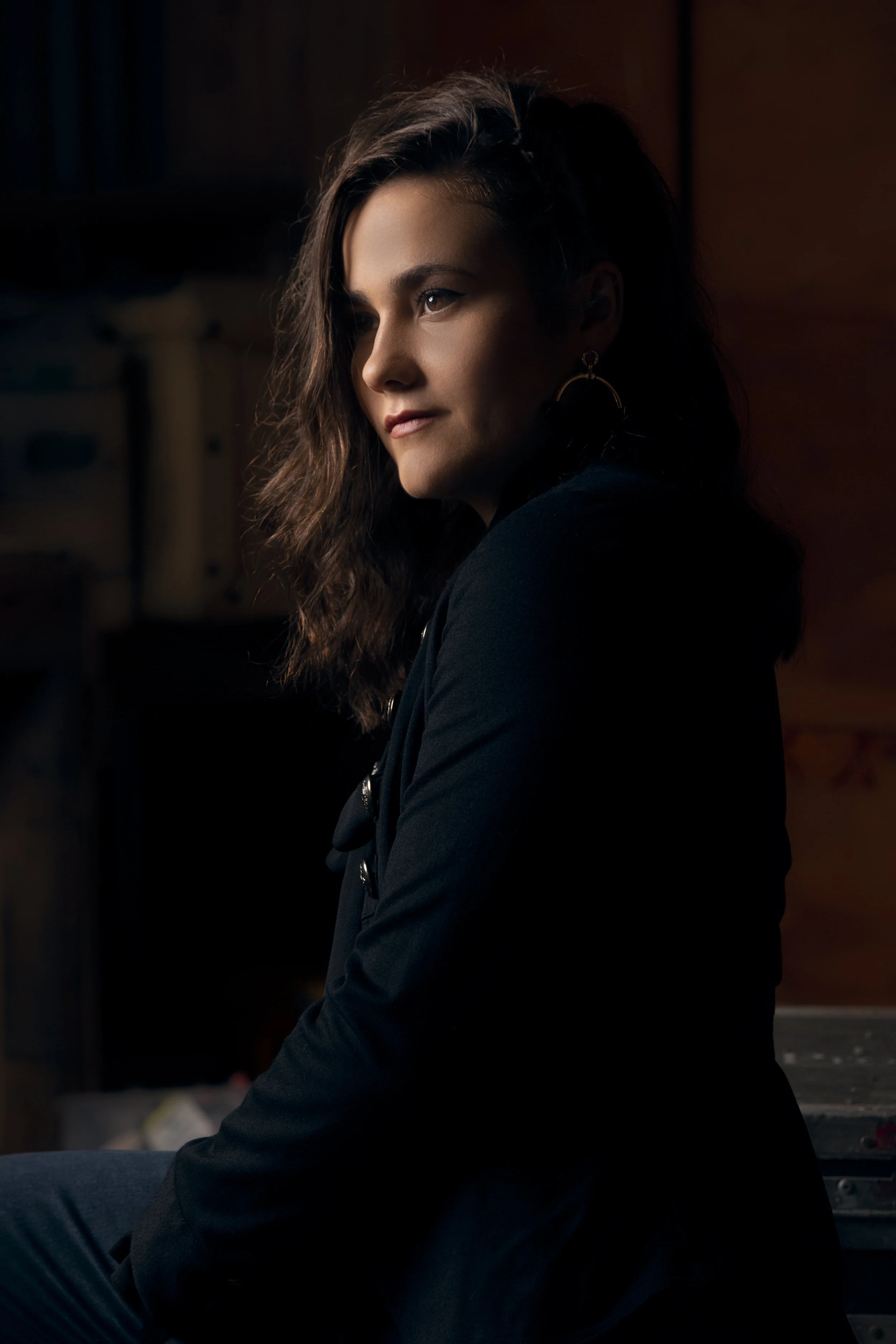
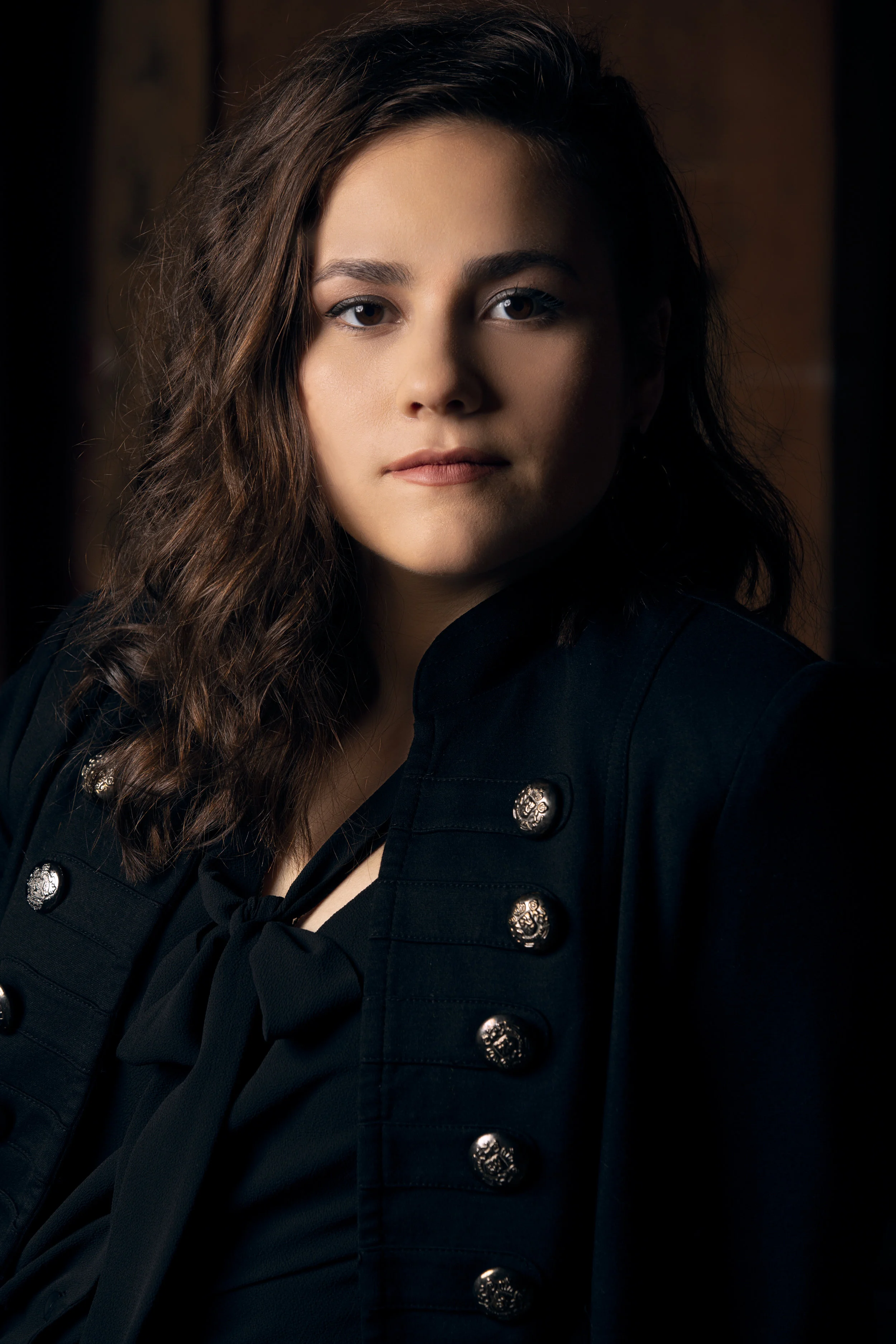
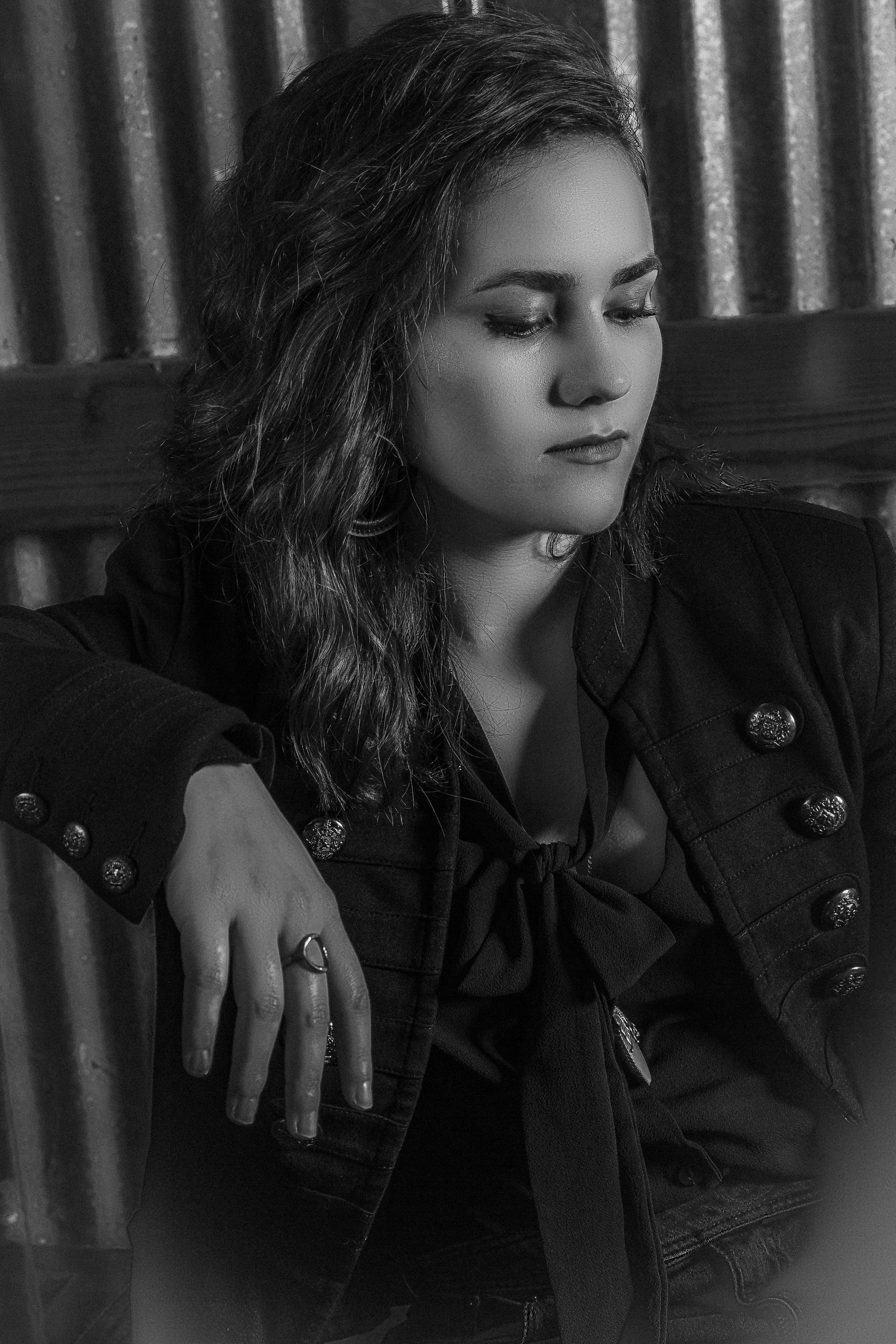
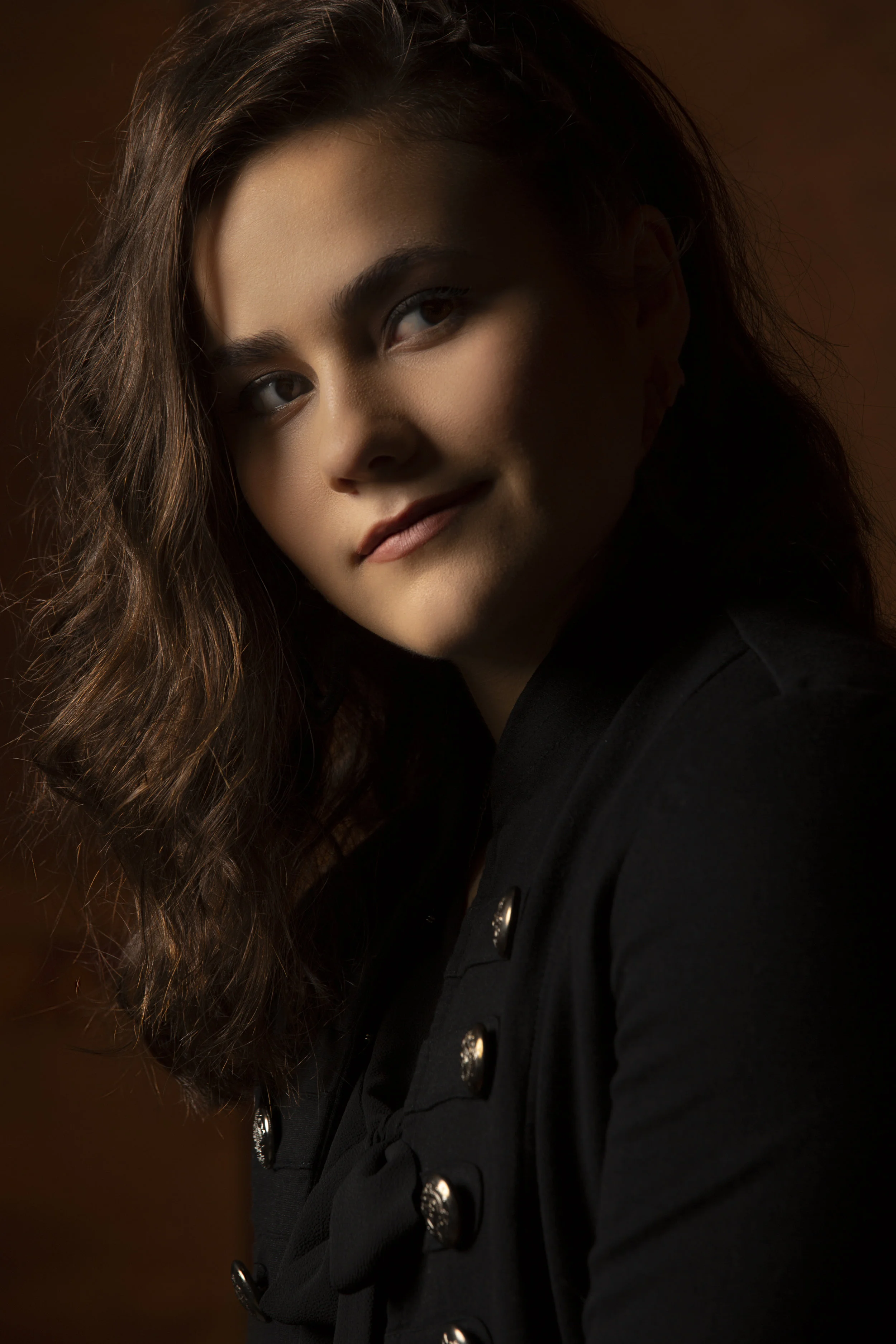
TECH STUFF: These pictures were done as part of our world famous Rockstar Sessions. We shot them in my barn with a single light, a Bowens Gemini 400 instrument firing into a 47” umbrella covered with a diffuser. Camera, as usual, was my 5D MKIII with a 70-200mm f2.8. Lightroom for the basics, Photoshop for the specifics with custom color balancing (that is to say: “no filters”). Angie Swim did the wardrobe; Karina Talaro did the hair and makeups styling.
NY, LA, PDX
Congratulations to one of our favorite clients, Miss Kyra, on signing with Ryan Artists as both a model and actor. Pay attention Portland casting peeps ... this kid has the goods. MUAH: Becca Kreger.
HEADSHOTS

PORTFOLIOS

INSTA


