
I Hate Self Tapes!
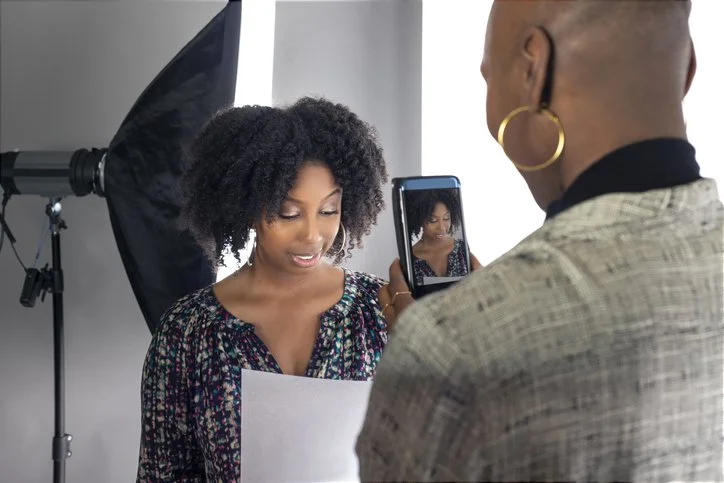
Guest Columnist: Acting Coach Karen Maseng
As a coach and a casting director, I’ve come across many actors who dread self-tape auditions. Some will actually turn down an audition if it’s a self-tape. Honestly, I just can’t believe any actor would waste such an opportunity.
I've auditioned actors in person for well over 20 years and I get why actors love it. But the reality is that self-tapes save production a lot of time and money. The new normal is a hybrid of self-tapes, virtual auditions and in-person auditions and I suspect it's here to stay. Actors who are serious about their career must learn how to feel comfortable auditioning in ANY environment. This will only benefit their work because it will force them to become more focused and resourceful.
So what’s to love about self-tapes?
I personally think that self-tapes give you an incredible opportunity to be creative, take your time and audition in a space that is far more relaxed and intimate than the audition room could ever be. That intimacy, that familiarity can produce a unique audition that will help you stand out from the crowd.
I know that many actors have roommates and very limited space to play with, but with a little bit of imagination and ingenuity you can create a nice little area for your self-tape auditions. Invest in a frame that can be put away easily. Buy several backdrops to see which one is more complementary. Play with lighting until you find the perfect setup. You can create a set in-front of, around and behind your camera to help you get into the world of the scene AND you get to pick your scene partner. Self-tapes are the only audition situation where you have a say in who you’ll be reading with and where you’ll be doing it. This is where your support network of fellow actors can be incredibly beneficial.
When you have an audition at a casting facility, a studio or an office, you have to get in the car, get stuck in traffic, look for parking spaces and pay a fortune for parking that might be blocks away from where you need to be. Once you get to the audition, the lobby is a great place to meet fellow actors and catch up but that could be very distracting and disrupt your preparation. In some instances, you might be intimidated by the talent you see waiting to go in, which could cause you to second guess yourself and lose your confidence. Other times you might be stressed because casting is way behind schedule and you’re worried about being late for another audition across town.
Once you get into the audition room, if you’re lucky, the person auditioning you is wonderful and gets a great audition out of you. But there are those times when the casting director or their associate might be unapproachable, distracted, humorless or stressed for a variety of reasons. And you can bet that most of the time the person you’ll be reading with is not an actor.
None of that to worry about when you're doing a self-tape audition. So, you could complain about having to work harder for your auditions these days or you could get to work learning how to love the self-tape. It might take a little time and practice, but the payoff is worth it!
Karen Maseng is a Portland-based acting coach with decades of experience as an actor, casting director and educator. Learn more about her unique approach to acting education here.
How To Prepare for a youth Headshot Session
As a parent, you want to make sure your child’s headshot session is a success. A good headshot can open doors for your child in the future, whether it’s for modeling work or as an actor. To ensure your child’s headshot session goes smoothly, here are some tips for preparation.
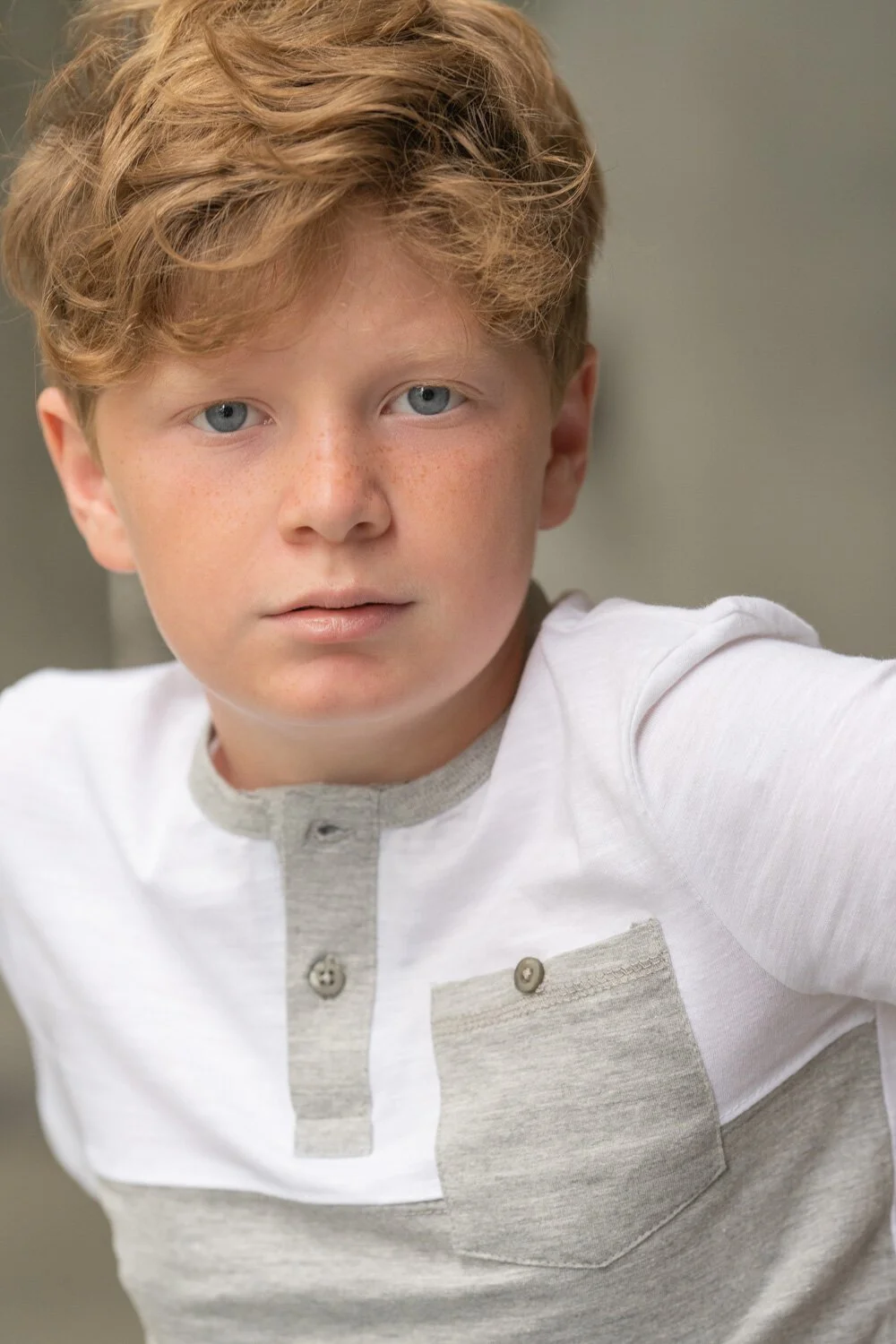
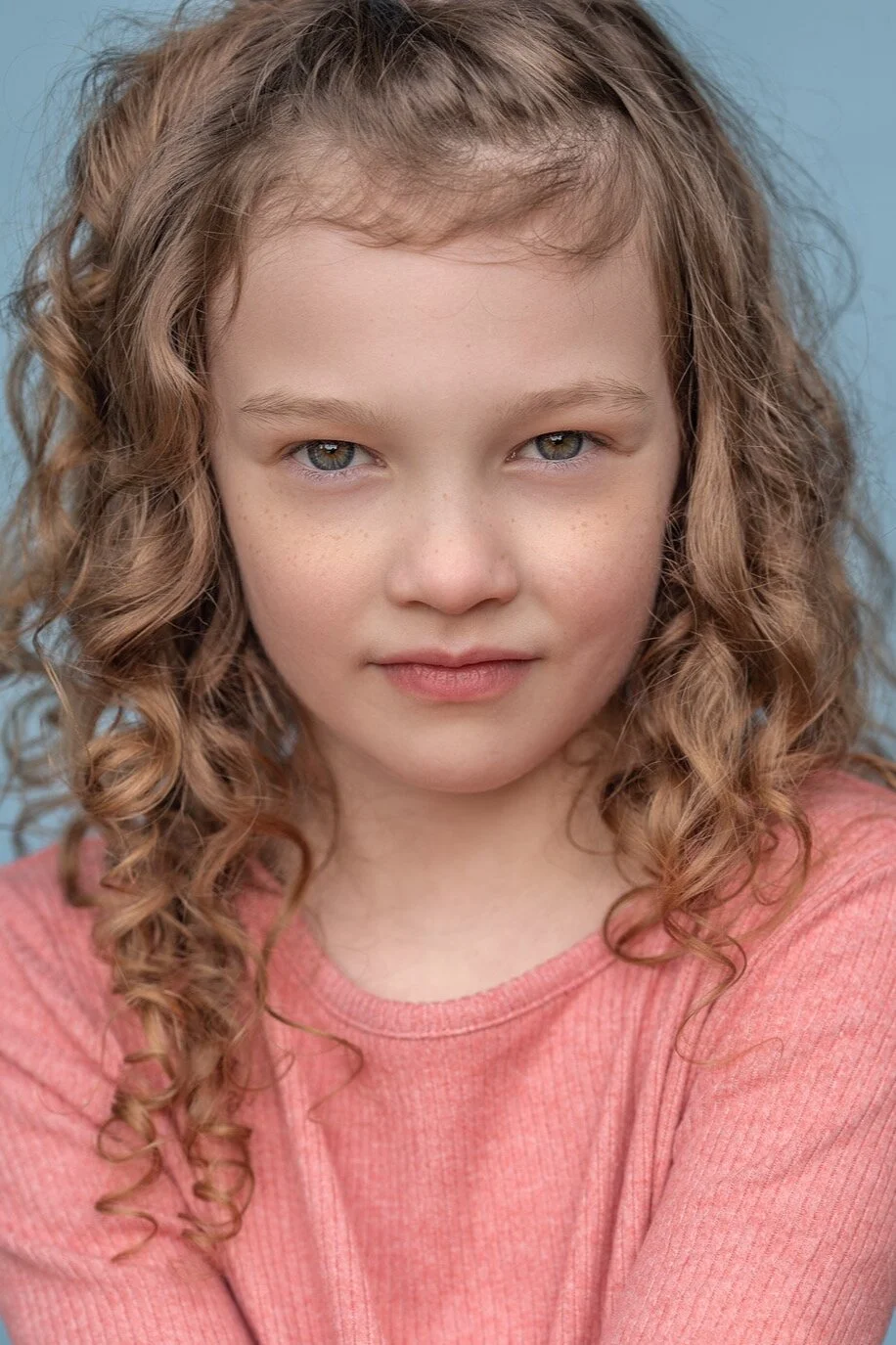
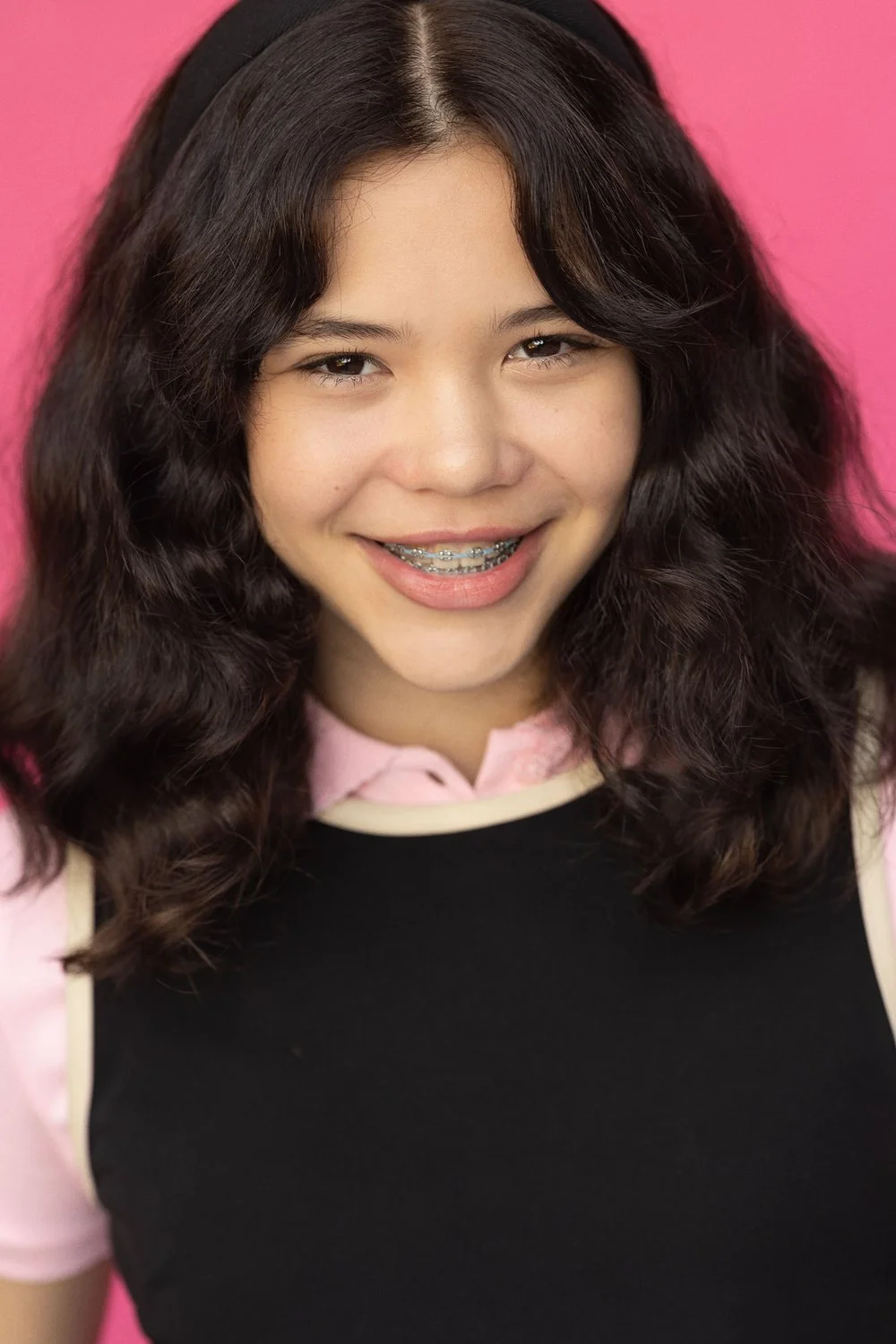
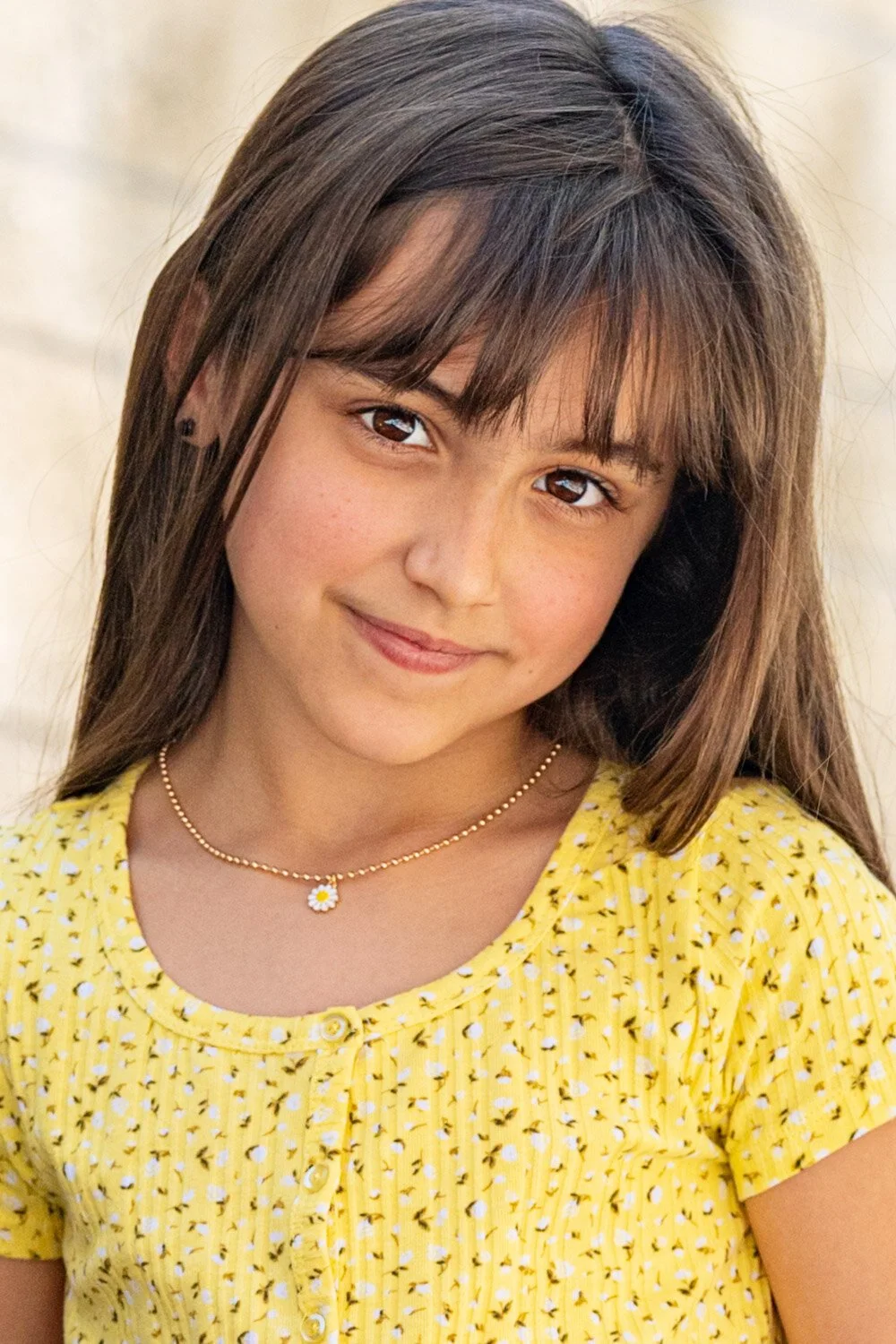
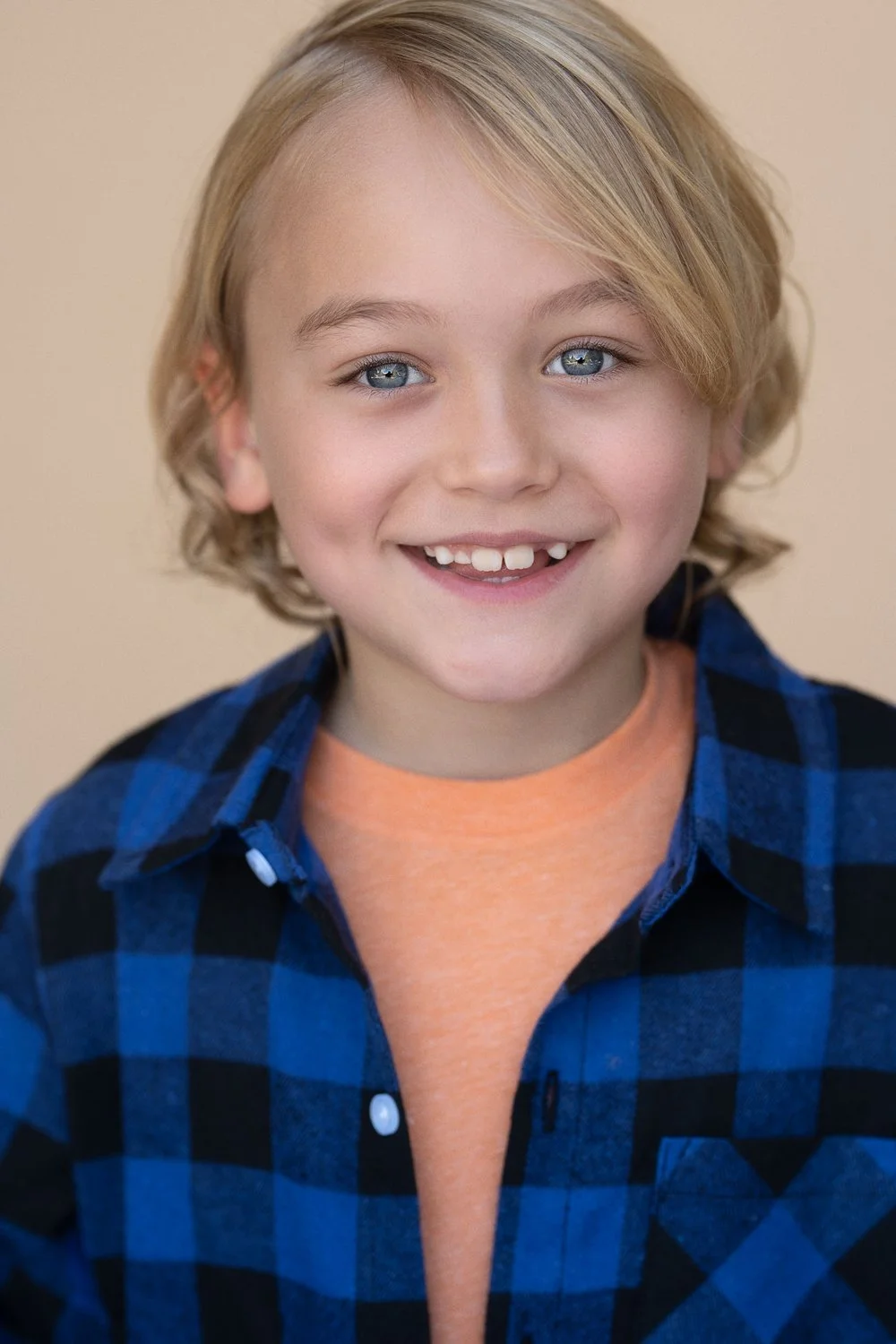
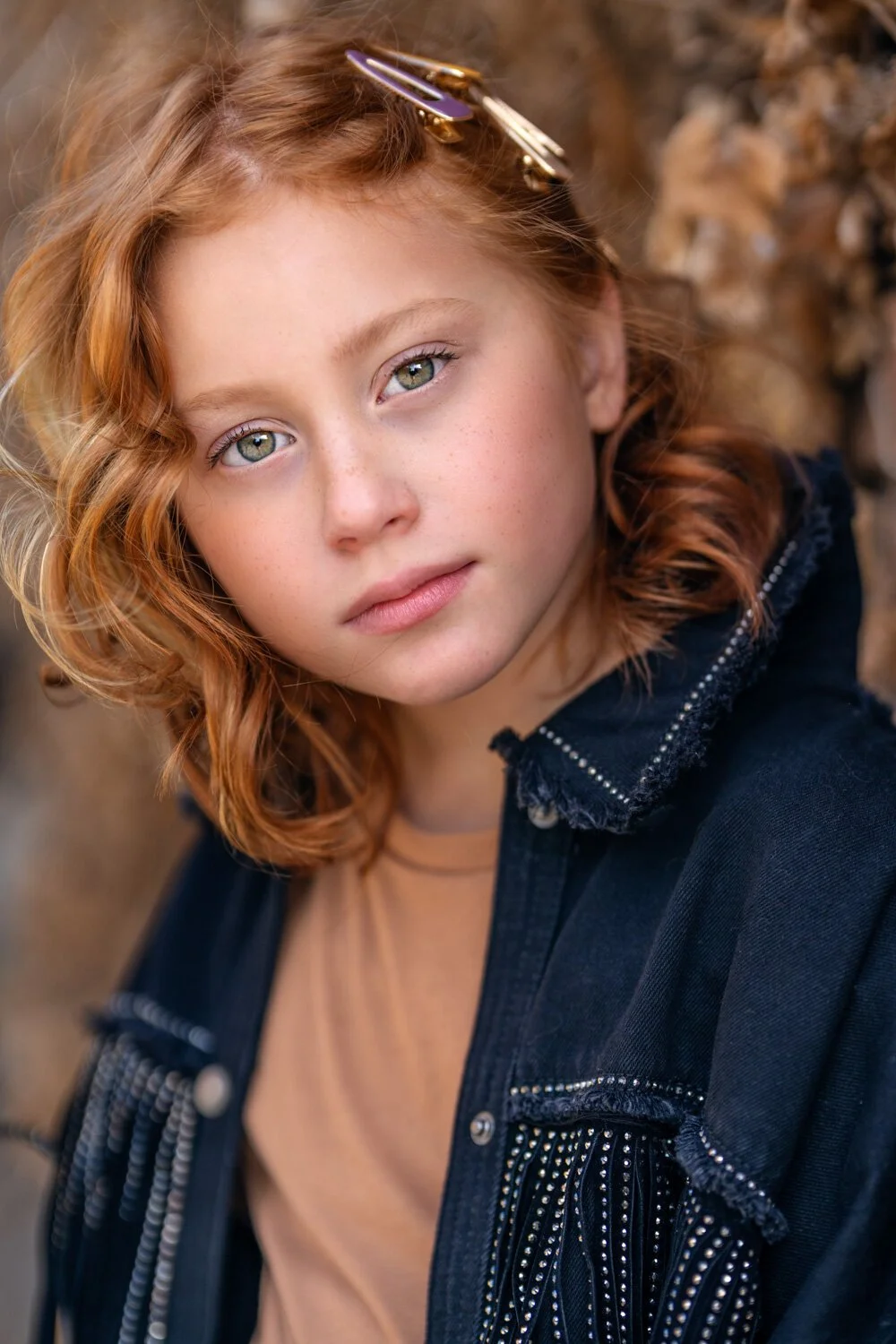
Dress for success – Choose clothing that is simple, timeless and fits well. Avoid anything too busy or distracting, such as patterns, logos or large accessories. A neutral color palette is usually best but you can add a pop of color. Keep in mind that the focus should be on your child’s face so make sure their clothing does not overpower their features and goes with with their eyes and complexion. Portland agencies and casting directors have specific preferences for kids headshots so make sure your photographer is connected with the industry and knows what’s needed.
Hair and makeup – Your kid should have a fresh haircut a week or so before your shoot and their hair should be styled appropriately for the headshot session. If they have long hair, make sure it is styled neatly and out of their face.
As for makeup, most agencies and casting directors want to see no makeup on kids under 12. If your kid is closer to teenage than toddler, a bit of makeup may be OK. But it should be minimal: a light touch of powder, lip balm and a bit of mascara can help enhance their features. As with clothing, make sure you photographer is experienced with kids headshots and knows what the acting and modeling industry in Portland want to see.
Give your child time to warm up – Children can be nervous in front of a camera, especially if they’ve never had a professional photo shoot before. Get to the session early and give them time to adjust and get comfortable before starting the session.
Consider your child’s personality – It’s important to remember that your kids headshot should reflect their unique personality. It’s important kids know they are accepted as they are from the very first minute of the session, that a quiet kid won’t be expected to jump around, that an energetic kid’s not expected to be quiet. Eventually, the shy kid will “warm up” and the excited kid will “cool down” and a full range of their personality will show in the pictures.
Set realistic expectations – Children are children and they may not be exactly as as you’d like them to be. Pay attention to the previously paragraph and trust your photographer to make things work.
Research photographers – Not all photographers are created equal. Before booking a session, research photographers in your area and look at their portfolio to see if their style is a good fit for you and your child. Make sure you understand what the session fee includes and what to expect from the photographer.
Plan ahead – Make sure you have a schedule and arrive on time for the session. Being on time will help reduce stress and make sure your child has enough time for the session
Be positive – Your child will look to you for cues on how to act and feel during the session. Encourage them, tell them how proud you are of them and be positive throughout the session.
After the session – Once the session is over, it’s important to be patient as the photographer edits and retouches the images. You may see a preview within a few days or a week but the final images can take longer. Once you receive the images, choose the ones that best fit the needs of the industry and use them to create a portfolio.
Follow these 9 steps as you work with your photographer to ensure you get a great kids headshot.
Michael Verity is a former newspaper photojournalist who has created headshots and modeling portfolios in the Portland, OR and Vancouver, WA area since 2008. Working from his studio on 11 acres outside Vancouver, he has photographed more than 2,000 actors, models, creatives and business professionals and is recommended by Portland’s leading talent agencies.
7 Headshot Looks to Include in Your Portfolio
In Portland, commercial bookings are the bread and butter of most working actors. For that reason, agencies will tell you a strong commercial headshot should be the core component of your portfolio. And we definitely agree!
We also know depth doesn’t hurt and, especially if you’re planning to expand outside the Portland market, having some additional looks in your book is a good idea.
Here’s a brief check-in on what a well-rounded headshot portfolio looks like:
Commercial
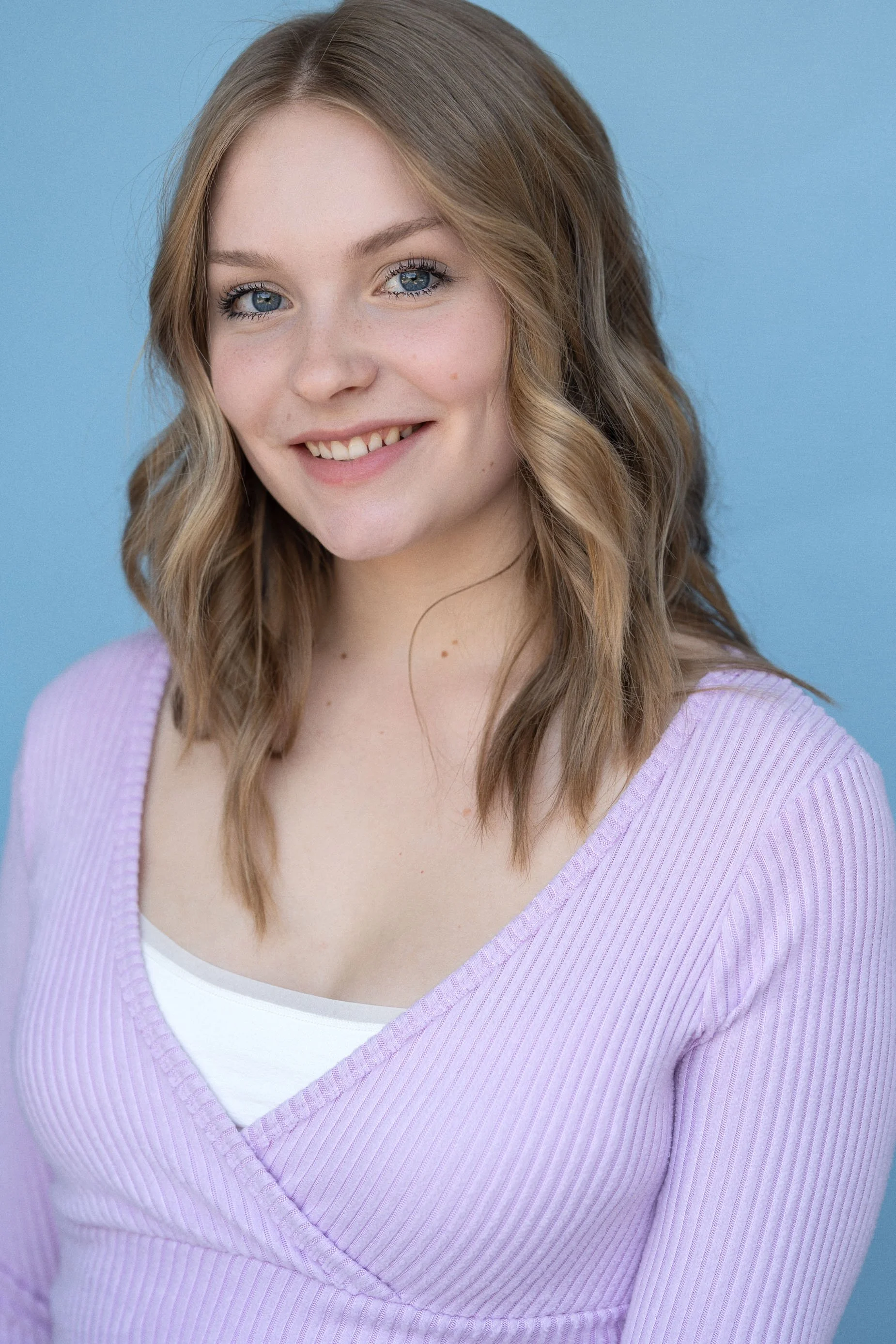
Commercial looks are bright and shiny and colorful and happy. You’re selling yourself as someone who can sell a product. Clothing is simple, smiles are big and eyes are bright. It all about “selling cereal and cell phones,” as we tell our clients, and this look is indeed your most important look when working in the Portland market.
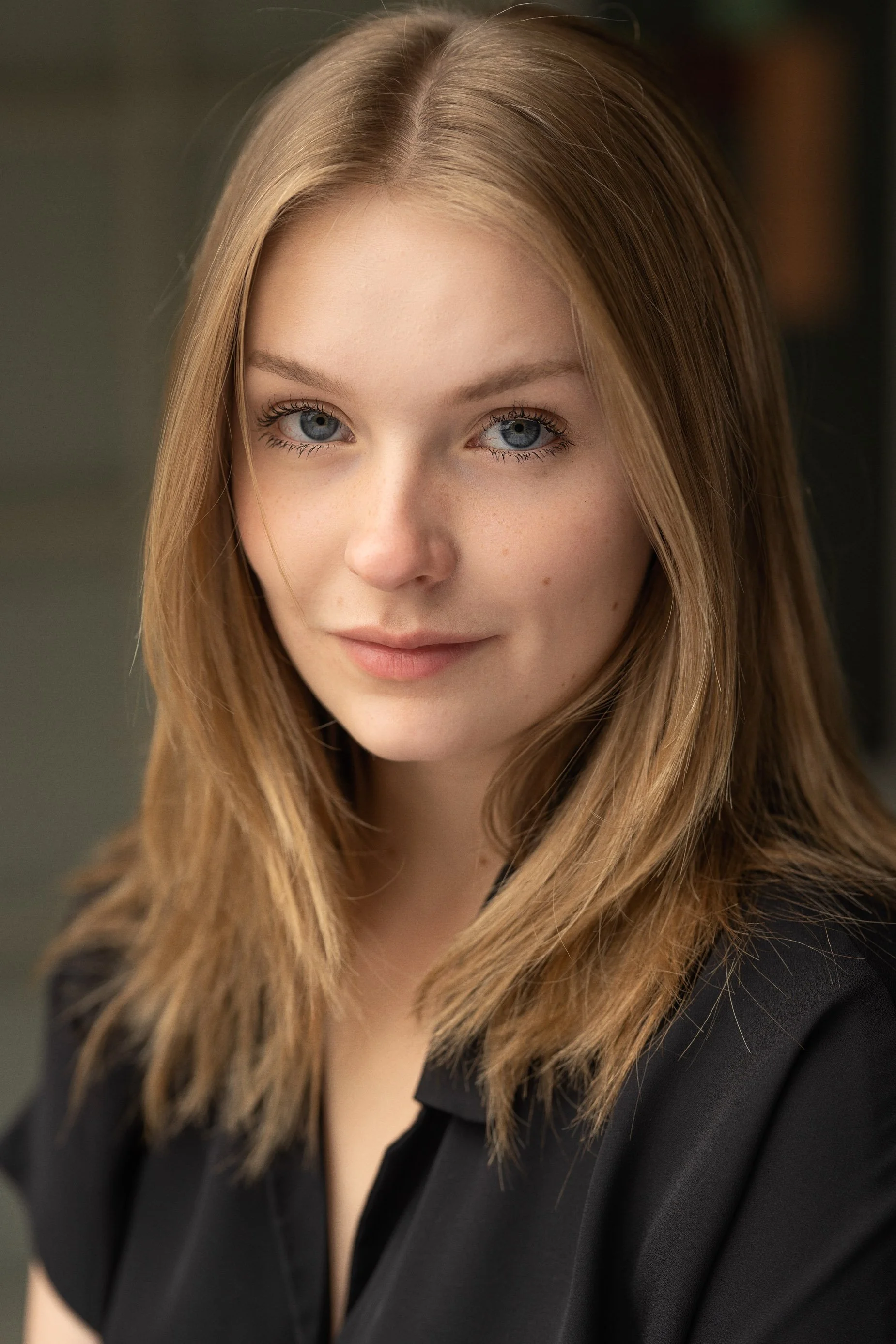
Theatrical
This is the next logical look to have in your book. Some actors equate “theatrical” with “serious” and, as such, practice their most serious stare for this image. In fact, you want your theatrical image to be as approachable and engaging as your commercial look. Perhaps a little less bright and shiny and smiley but, still, connected and enthusiastic.
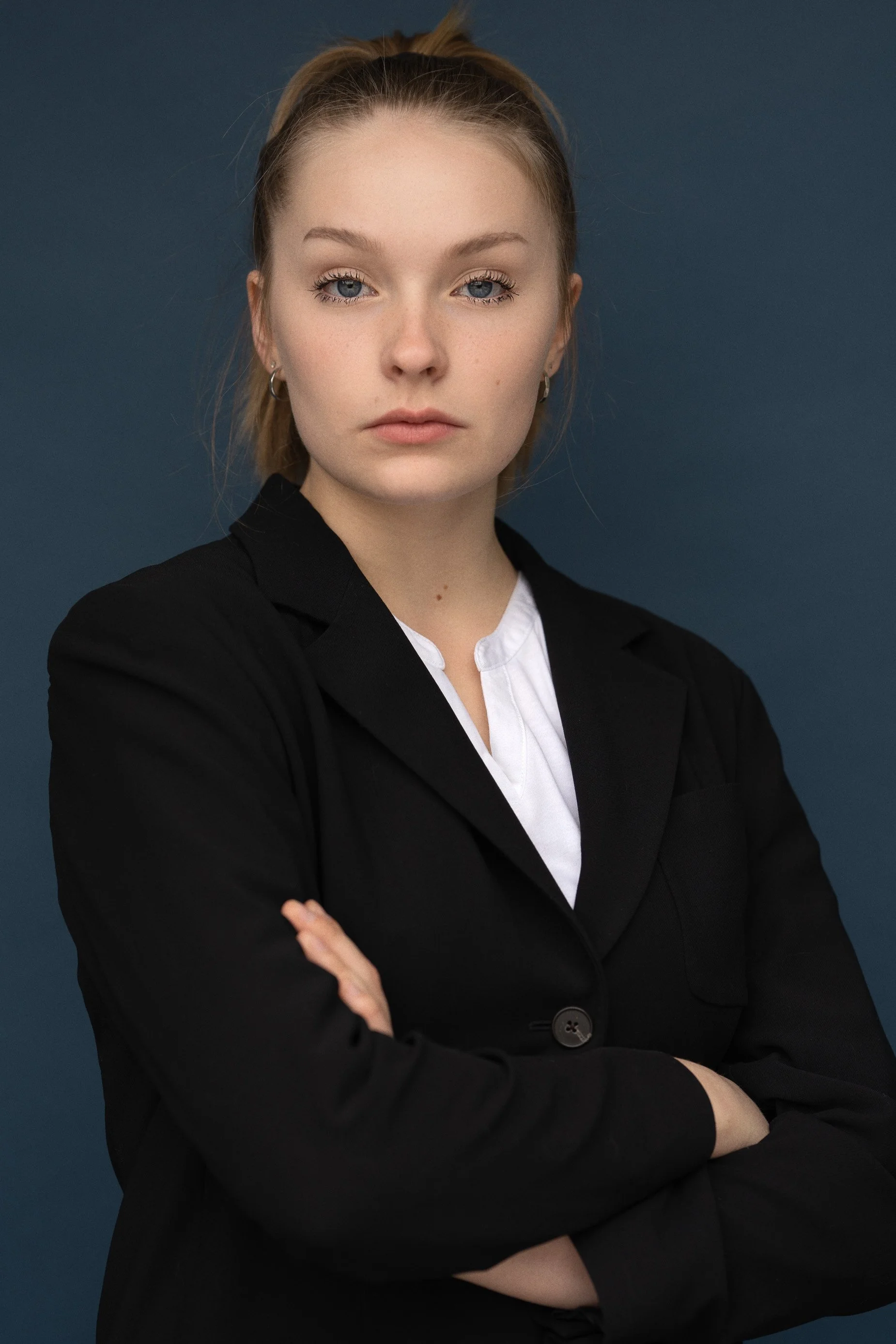
Procedural
Procedurals — shows about lawyers and cops and firefighters and nurses and doctors — are another key category for working actors. Are you a Sopranos-style wise guy? A button-down lawyer? Working class hero? Look at shows in production, figure out who you are, style an outfit that fits the bill (but doesn’t look too much like a costume) and make yourself marketable in this category.
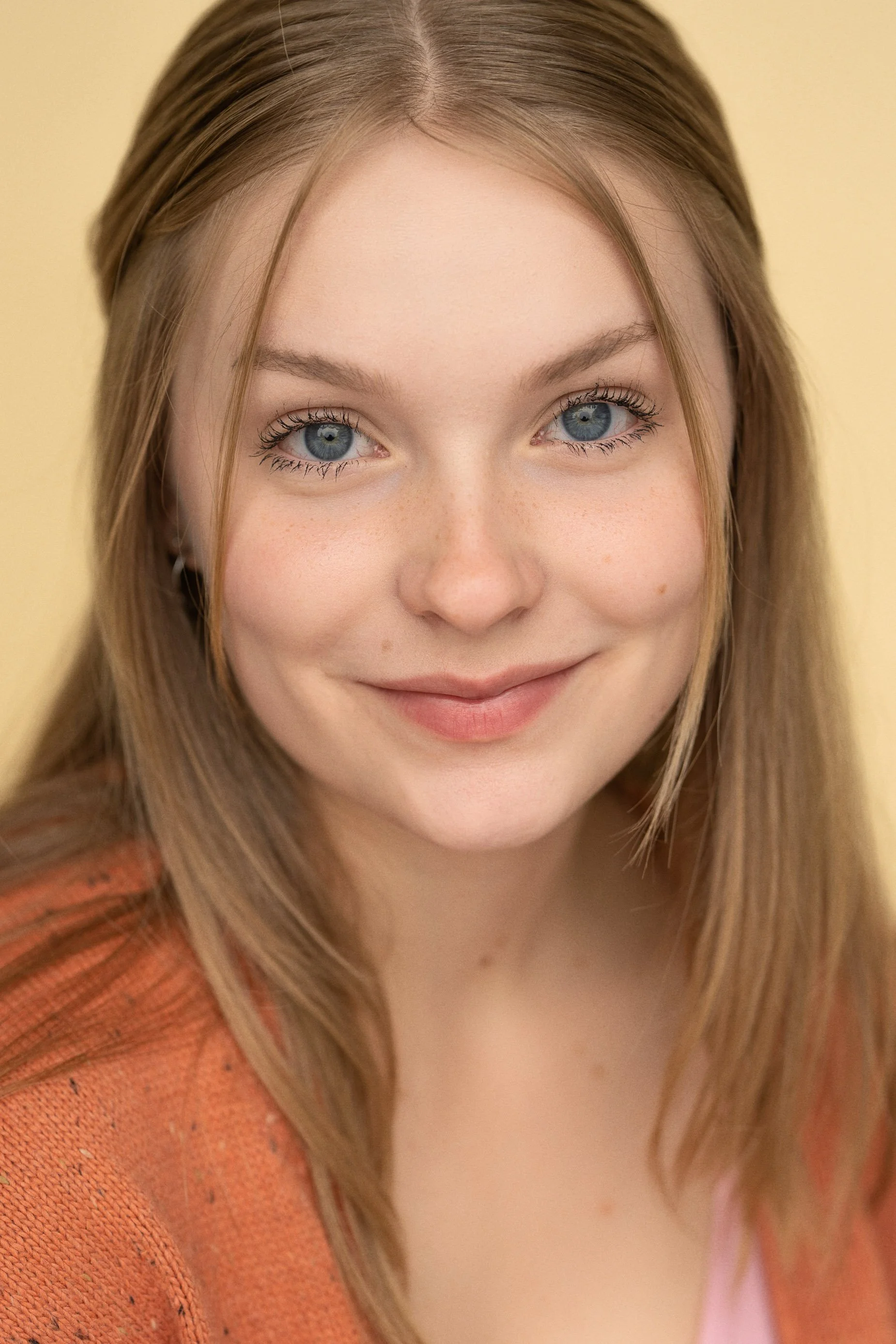
Family
The befuddled dad, the datebook-juggling mom, the wise grandmother, the cool uncle with all the tats, the goofy aunt with all the crystal necklaces. Or maybe something simpler, like an easy-going girl next door in a nice cardigan over a white T-shirt. Think about how you’d best fit into an on-set family and consider a look of this sort.
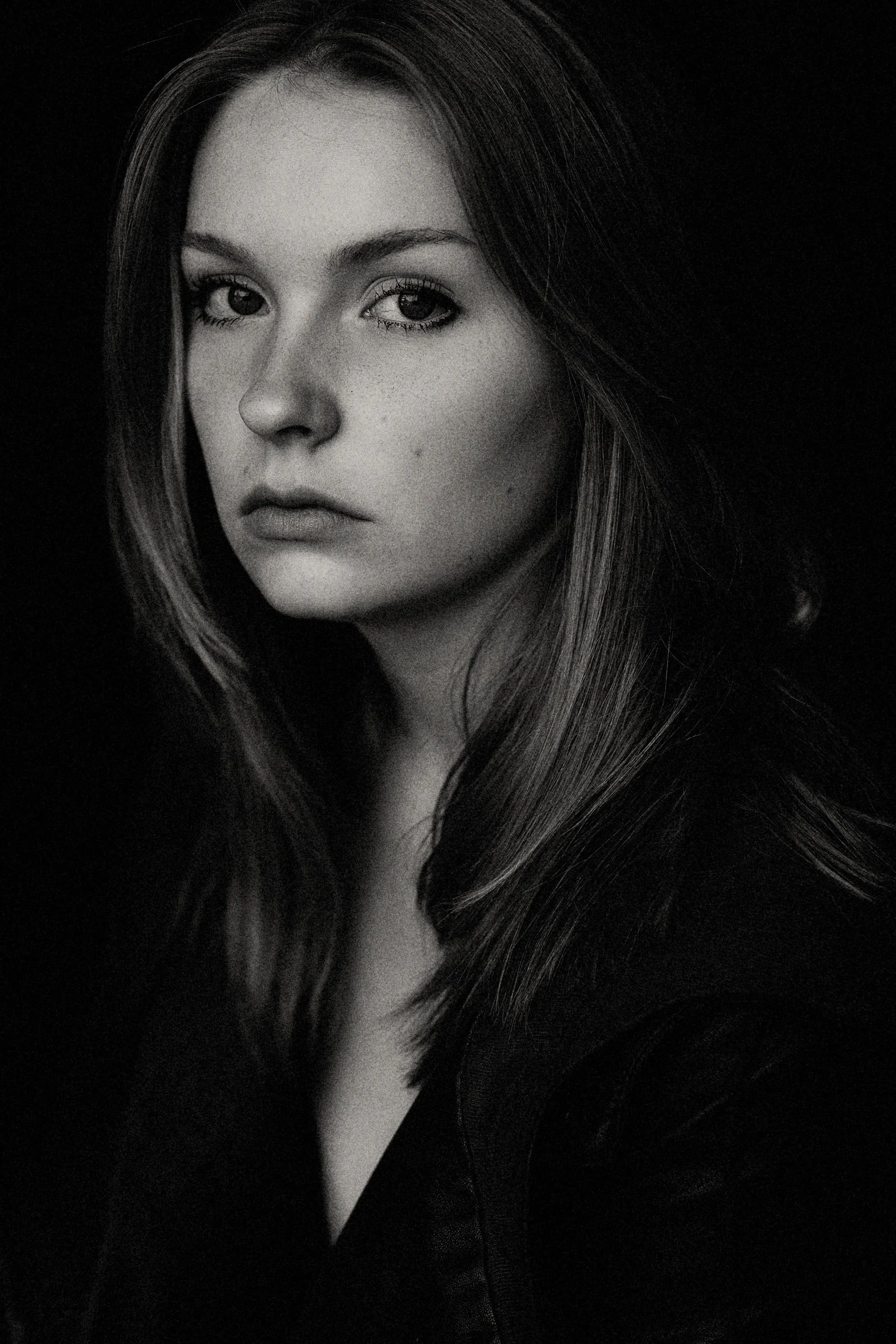
Bully/Edgy/Gritty
For kids, it’s called the bully look. For young actors, it’s edgy. For older actors, the word ‘gritty’ comes to mind. Whatever you call it, it’s a look that’s a bit darker and more aggressive (and can look pretty cool in black and white.) Here’s where you get to use that serious stare you’ve been practicing.
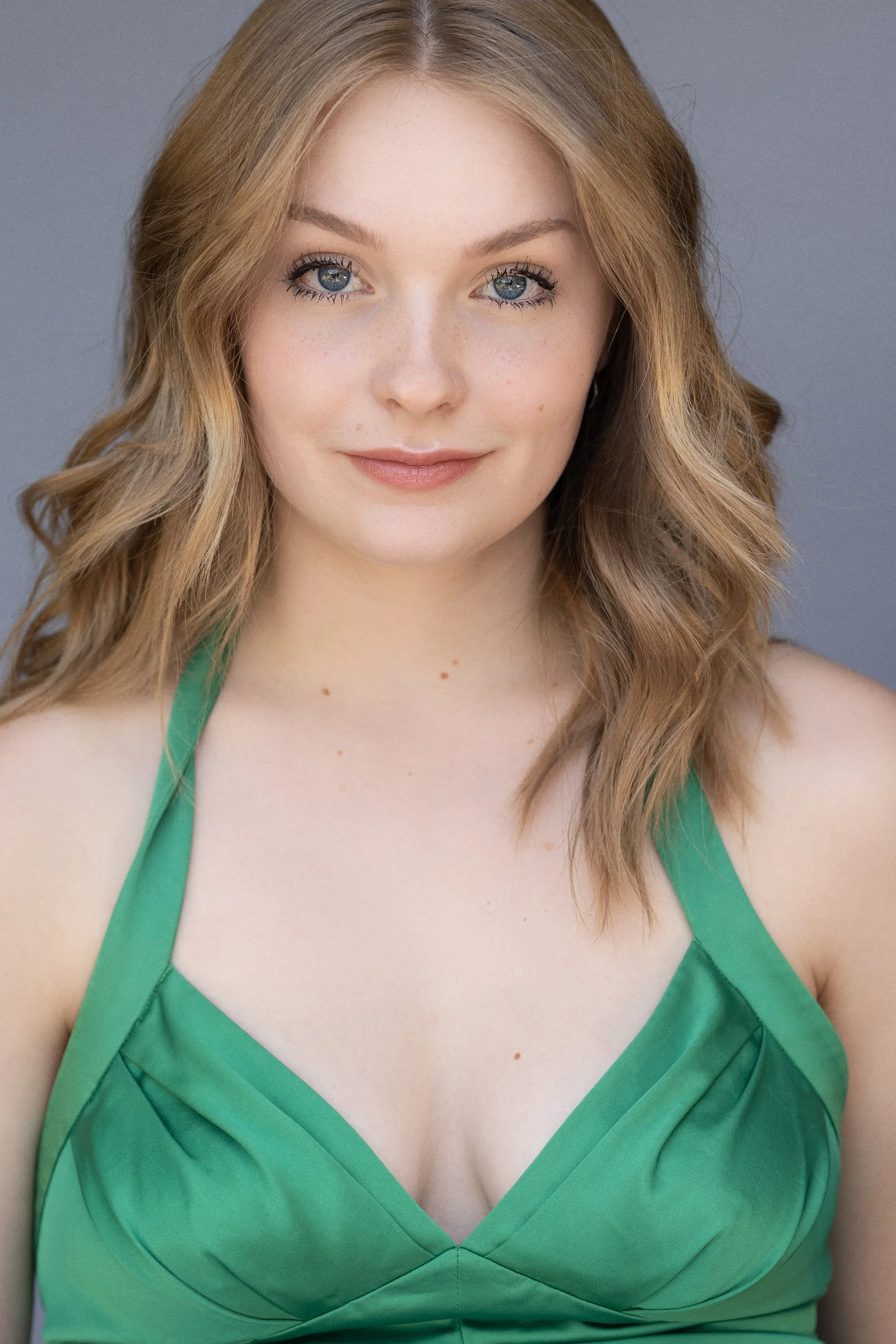
Glamorous
If you’re a leading man or leading lady (or just clean up nicely), having a “glamorous” image in your book never hurts. More and more agencies are saying “thumbs up” to adding half and full body shots to your portfolio. This can be a great spot to put on a nice dress or a sharp suit and make that happen.
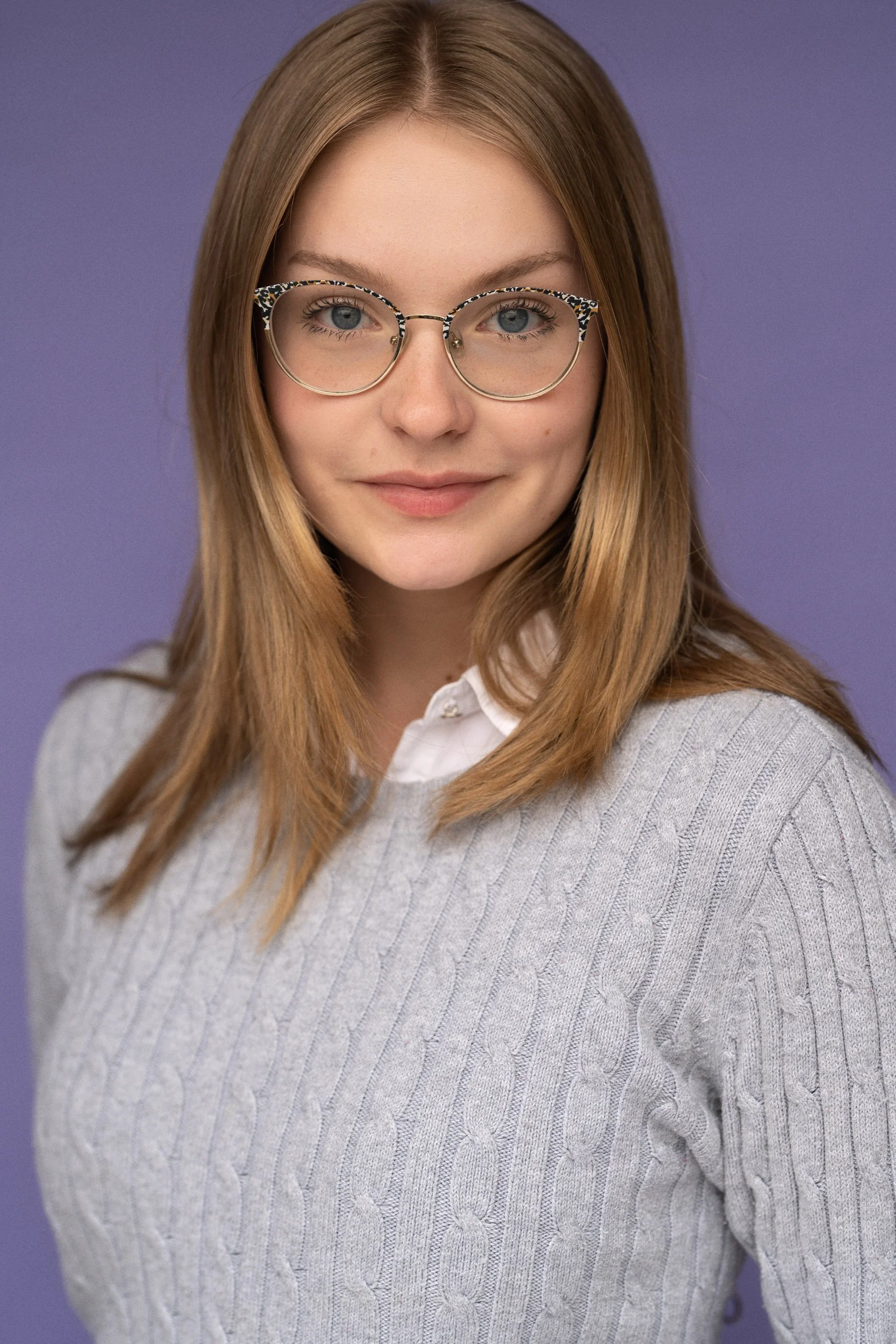
Smart/Quirky/Nerdy
This one should probably be higher on our list because “smart” in all its variations is a pretty marketable look. As you can see from the pictures, a change of clothes and a change of expression can take you from edgy to glamorous to smart in just a few minutes.
Other Looks To Consider
If one of the looks we’ve covered doesn’t quite match your character (or if you just love taking headshots), you might consider some of these variations:
Comedic: In the immortal words of Evil Knievel: “Don’t try this at home.” If you’re funny, you know it and you should have a comedic look in your book. Maybe even at the top of your book. If you’re not funny (or don’t look funny) this one might not be for you.
Business Professional: A variation on the procedural look, this one dials you into a more specific niche, which can range from the power suit politician to the young tech-savvy intern. This is especially helpful to have in the Pacific Northwest, where there can be a lot of institution/industrial work. It’s not glamorous work (and you may never even see it) but it typically pays well. Like the cop/procedural look, the right category for you depends on your casting type.
Dramatic: The word “dramatic” can mean a lot of things, depending on who you are. It can mean grizzly old guy or teenage goth girl. And, of course, these subtle shades of character can fit under a larger umbrella: a teenage goth girl may or may not look “edgy.” Look at a dramatic headshot as an opportunity to go even deeper into how you’re typically cast or characters you just love to play.
Need some additional help? At Michael Verity Photography, we include pre-shoot wardrobe consultation with every session. If you’re in the market for new headshots, take a look at our headshot pages and shoot us an email to start the conversation.
##
Michael Verity is a former newspaper photojournalist who has created headshots and modeling portfolios in the Portland, OR and Vancouver, WA area since 2008. Working from his studio on 11 acres outside Vancouver, he has photographed more than 2,000 actors, models, creatives and business professionals and is recommended by Portland’s leading talent agencies.
How To Create A Modeling Portfolio
Great visual presentation is essential in all professions. But when it comes to modeling, looking fabulous is a must and it all begins with your portfolio. As an aspiring model, your portfolio is your resume; it is often the first impression a client or an agency gets of you.
Creating a modeling portfolio is so much more than putting together a collection of images. Unlike a collection, a portfolio conveys a story about who you are, showcases your talent and versatility as a model and tells the client why you are the best person for the job.
Here is a step-by-step guide on how to create a fantastic modeling portfolio for a great first impression on clients and agencies.
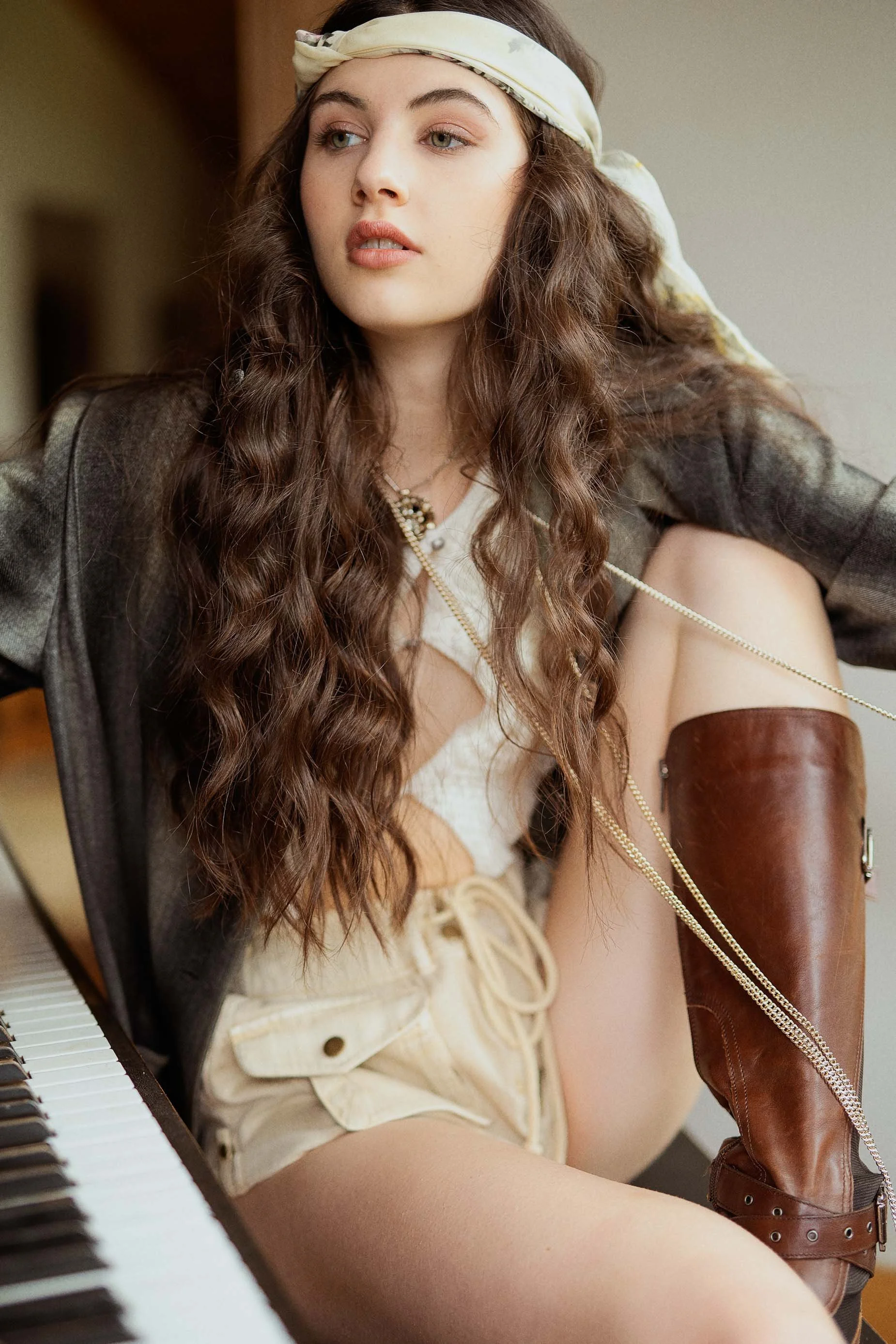
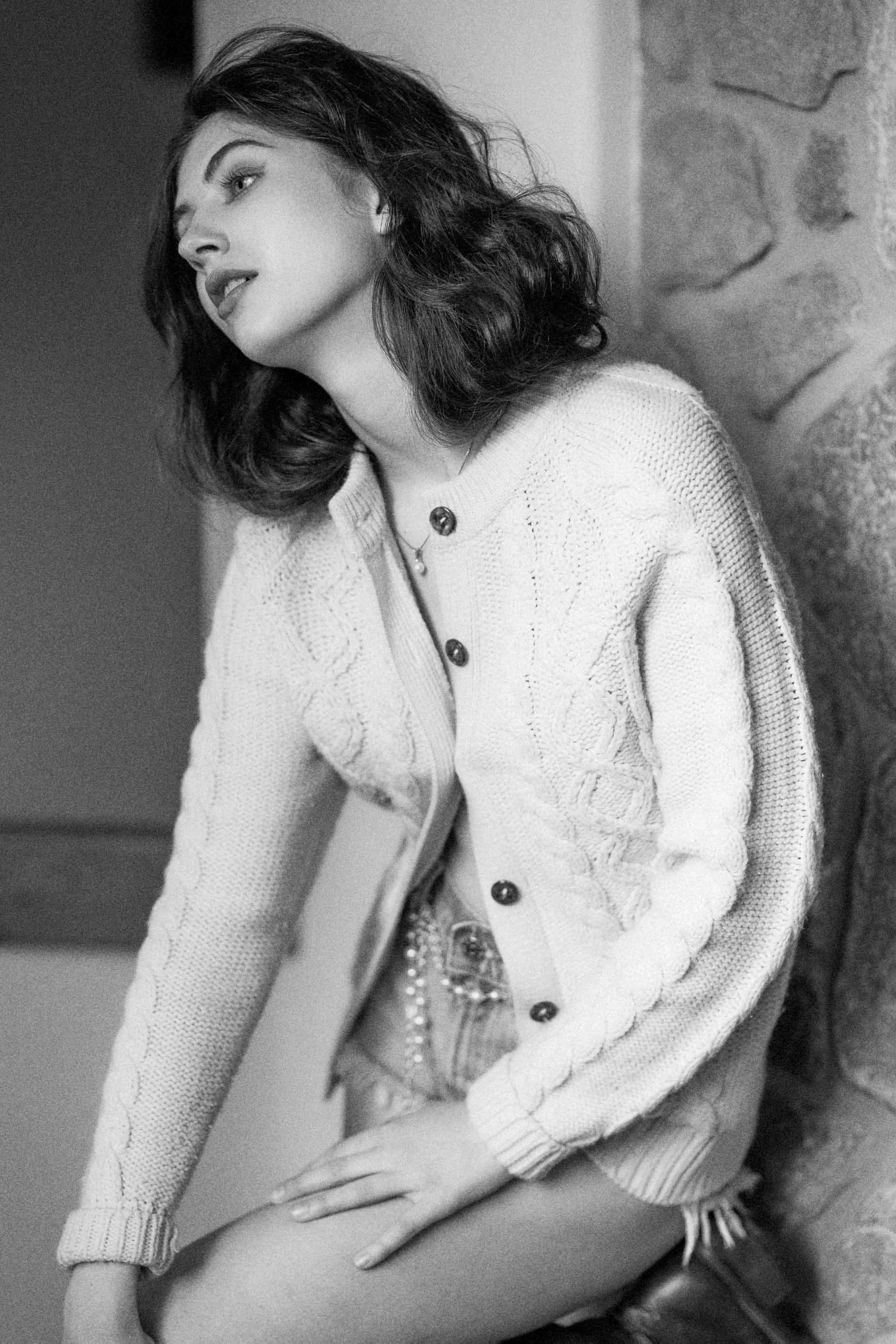

How Do You Create A Modeling Portfolio?
A modeling portfolio is a series of professionally taken shots that showcases your abilities as a model. It’s a critical part of marketing your skills to clients and often makes the difference between landing a modeling gig or not. In short, you must make it count.
Before we get into how to create an eye-catching portfolio that will boost your modeling career, it’s important to know that a modeling portfolio is not reproducible. Each model, including you, has distinct physical and psychological features to showcase. Instead of emulating another “more successful” model’s portfolio, focus on showing what makes you stand out from the other models.
1. Determine Your Modeling Type
The first step of building a great portfolio is deciding what specific type of modeling you are best suited for or prefer. Although the modeling industry has been actively embracing diversity and breaking stereotypes, your facial structure, body type and general appearance still play a part in the assignments you get.
Understanding the type of modeling you are best suited for can increase the chances of success in landing jobs and make creating a portfolio easier. Fortunately, there are many different types of modeling you can get into. From commercial modeling, fashion and runway to fitness modeling.
Selecting one type of modeling will help you understand the expectations your clients will have for your portfolio. It also helps potential clients to easily assess your skills and suitability for a specific role. Research the different types of modeling and the kind of shots you need in your portfolio.
2. Practice Your Posing
Posing for a camera is an art that you must learn as a model. While it may seem straightforward, it is way more complicated than people realize. As a model, your poses should bring out your best angles and make the clothing or outfit look their best.
Modeling photoshoots tend to take a long time, even with experienced models, so don’t wait until you are in the studio to figure out how you should pose. Allocate some time to research and practice beforehand, as it will also make you comfortable posing before the camera. Take a look at other models in your niche, their poses, and the type of photos in their portfolios. Try to emulate the poses you see.
3. Hire The Right Photographer
Everything – your poses, outfit, and locations -- may be on point but if the photographer isn’t up to the task then your portfolio won’t bring out your best. Choosing a photographer is the first step in planning a photoshoot and is often the most important.
Ask for referrals and check their work beforehand. Most photographers will have modeling portfolios that they have shot, so you will know if they are a good fit before engaging them.
4. Get Your Hair And Make-up Done By A Professional
While it's not a must, getting a professional hair and make-up artist can add a lot of value to your modeling profile so ensure you ask your photographer for a recommendation.
5. Prepare Adequately For The Photoshoot
Treat the photoshoot as your first modeling gig. Make sure you know the locations beforehand and make all the necessary travel arrangements. Also, ensure you have been allotted enough time so you don’t have to rush things through.
Get adequate sleep the night before the shoot. When the big day comes, arrive early. Don’t be afraid to ask questions or for direction.
Ideally, you have a plan outlining exactly the kind of images you need beforehand. If not, communicate your expectations to the photographer in detail so you are both on the same page on the goals of the photoshoot.
Decide on the wardrobe, locations, themes, poses, and concepts to reduce the risk of mistakes or nasty surprises. Depending on the type of modeling you want to pursue, ensure you get great portraits, close-ups, and full-body shots.
Potential clients and agencies want to see versatility and flexibility, especially if you are just starting out. Plan your wardrobe items to show versatility. Generally, you will want to include basic pieces of clothing that show off your frame and features.
Take images that vary in style to demonstrate your capability of working in different productions. Play around with the poses to show off different angles and your best features.
6. Choose Your Best Shots
This is one of the most challenging steps of creating a great modeling portfolio. After completing the photoshoot, you will have a vast collection of images to sort through carefully to ensure only the best goes into the portfolio.
The general rule is to have 9 to 19 images, more than that is too many, and less than 9 won’t be enough to show your versatility.
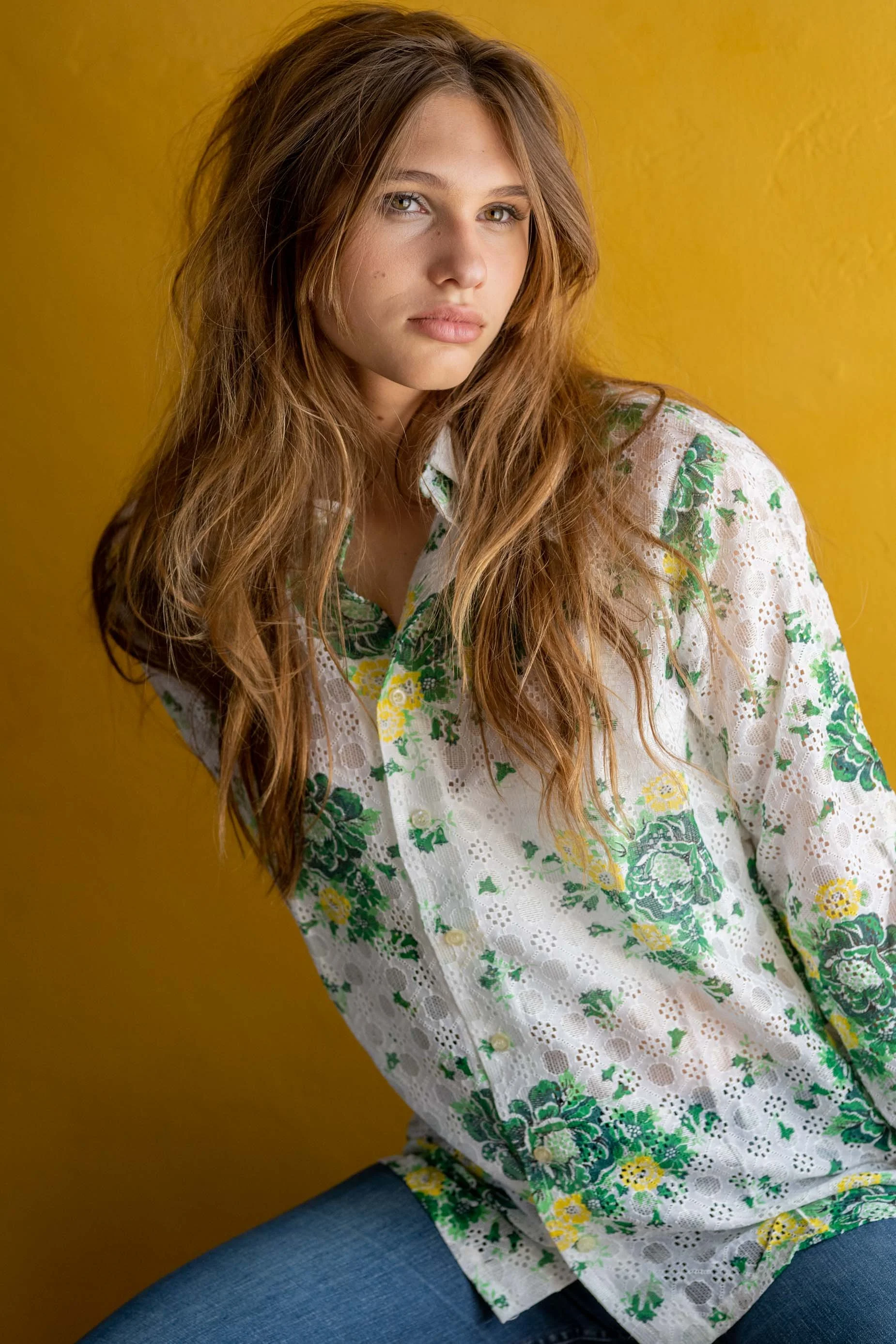
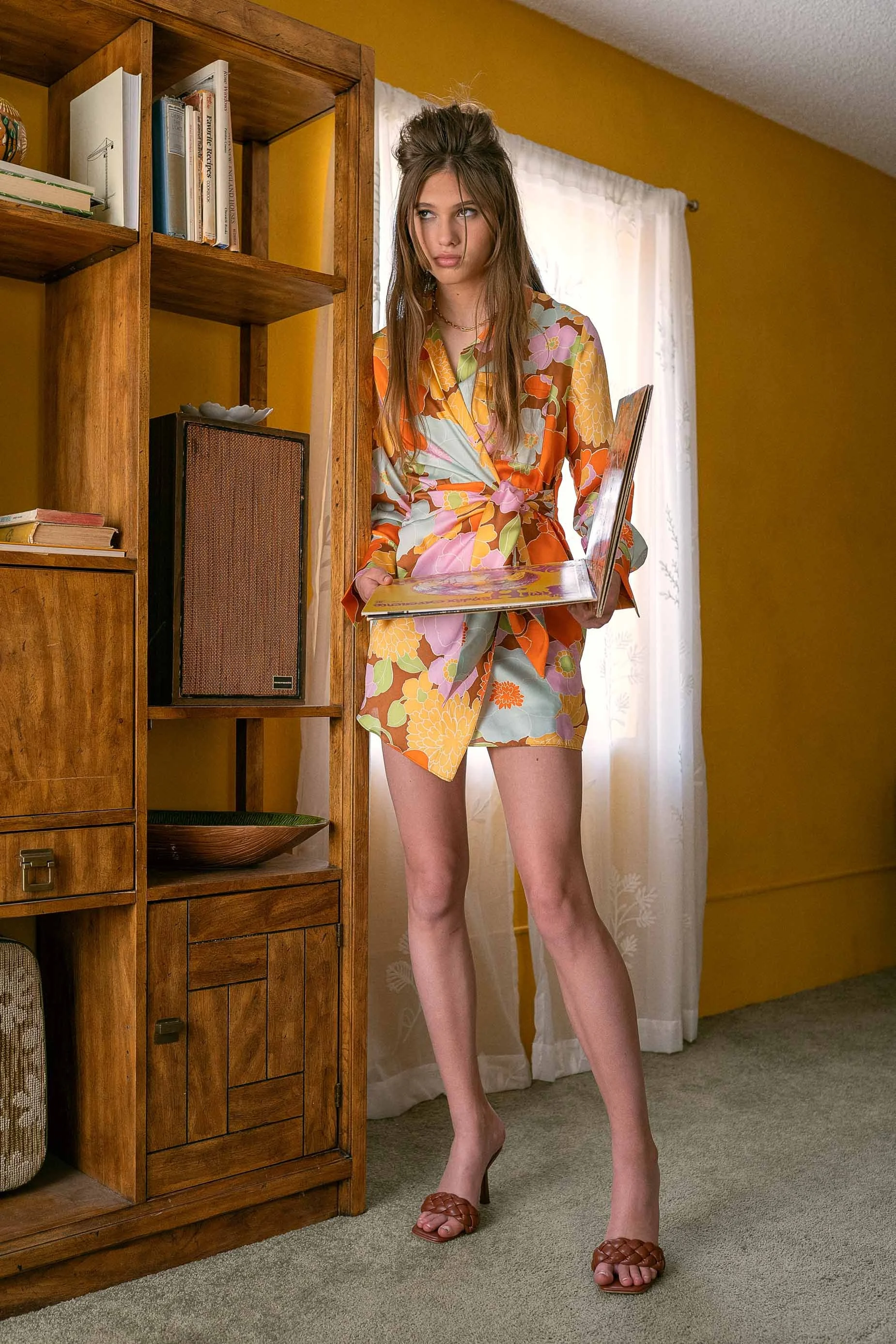
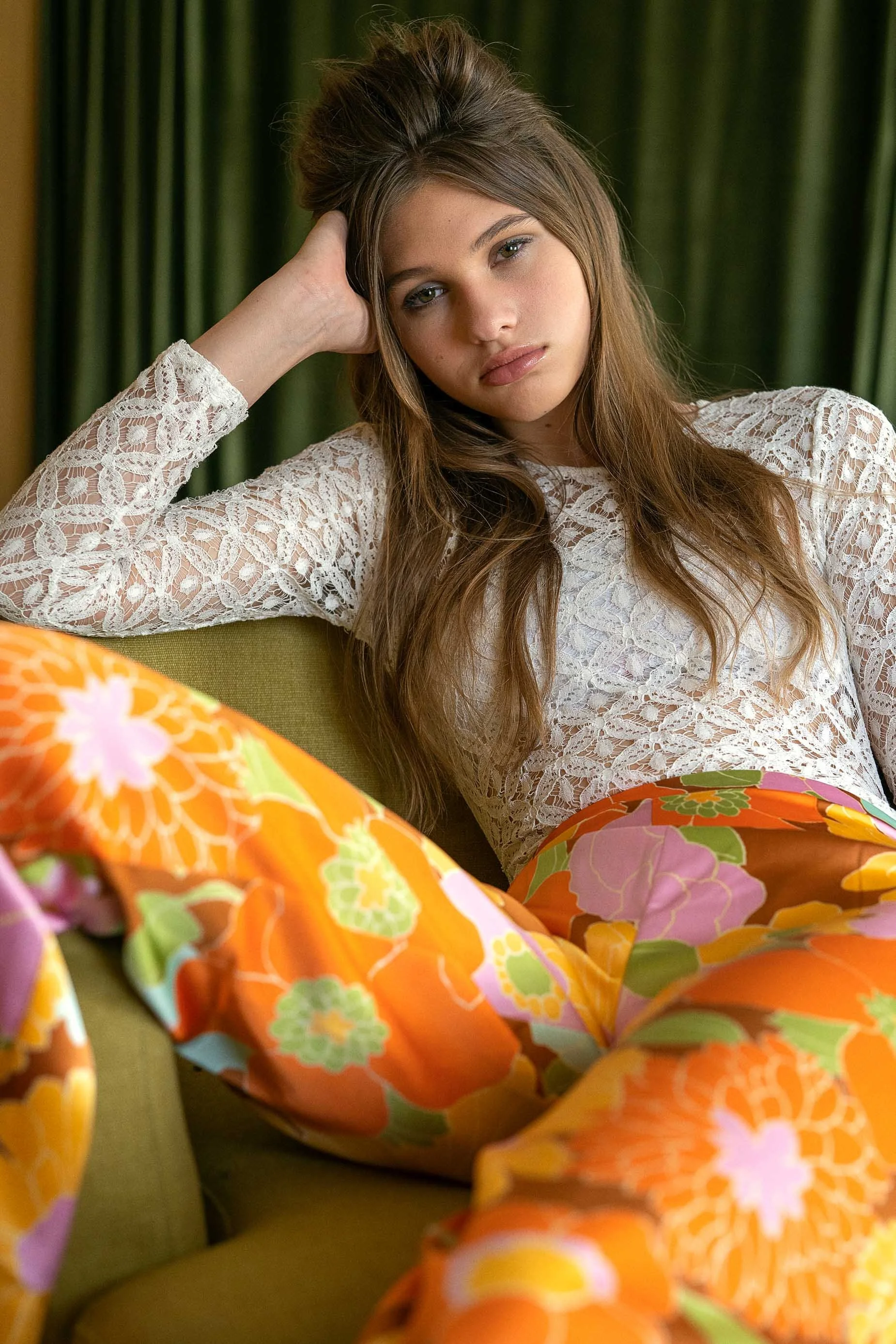
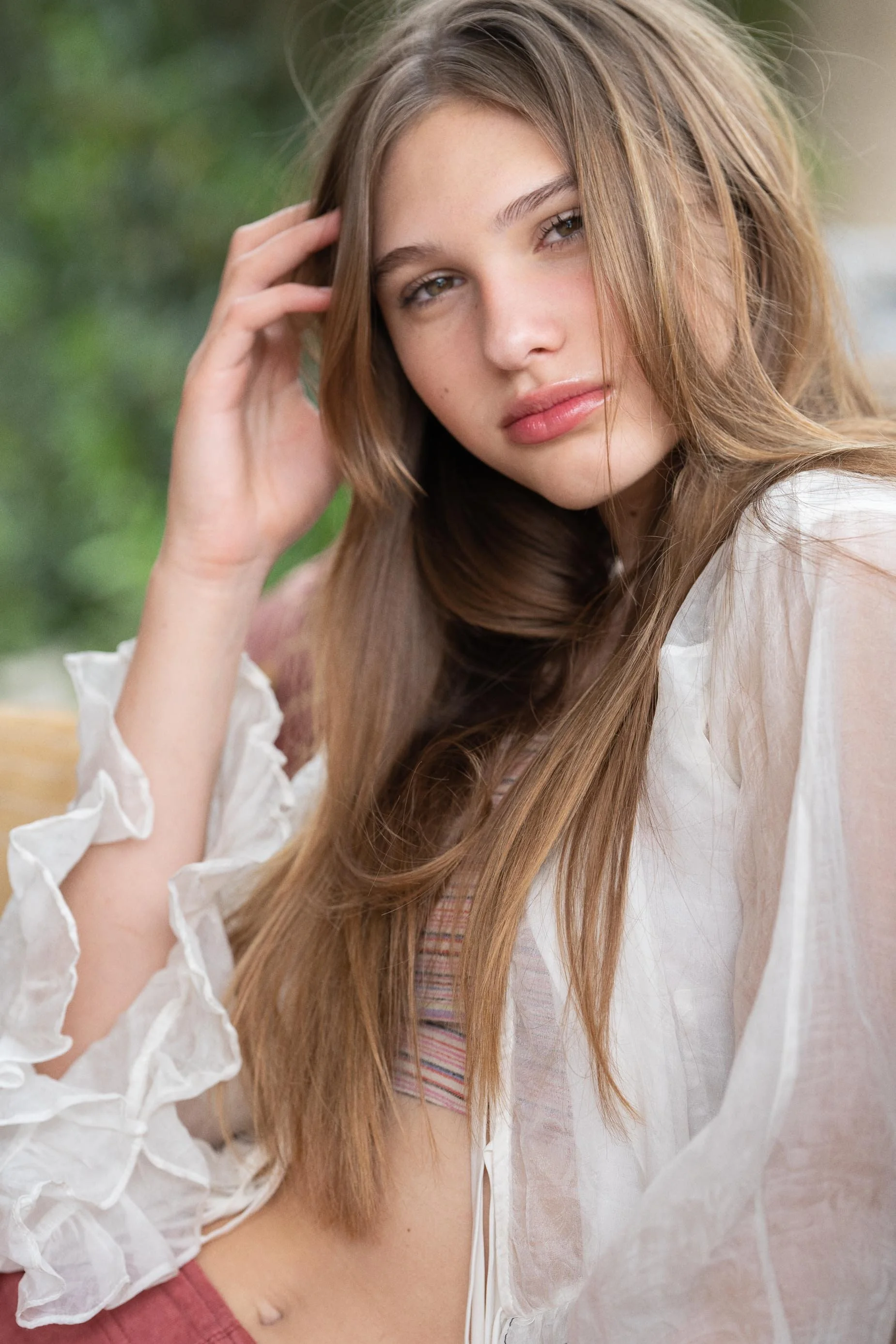
Focus on showcasing versatility and your qualities, don’t choose numerous images in the same pose, location, or wardrobe items. Select different types of images, including headshots, full-body shots, and mid shots, in different outfits and locations if possible.
Pay attention to the first few images in your portfolio. Experts recommend including a “page-turning” shot at the front to capture the attention of anyone looking at it. Clients and agencies will look at hundreds of portfolios and will not spend time on yours if you don’t capture their attention with your first image.
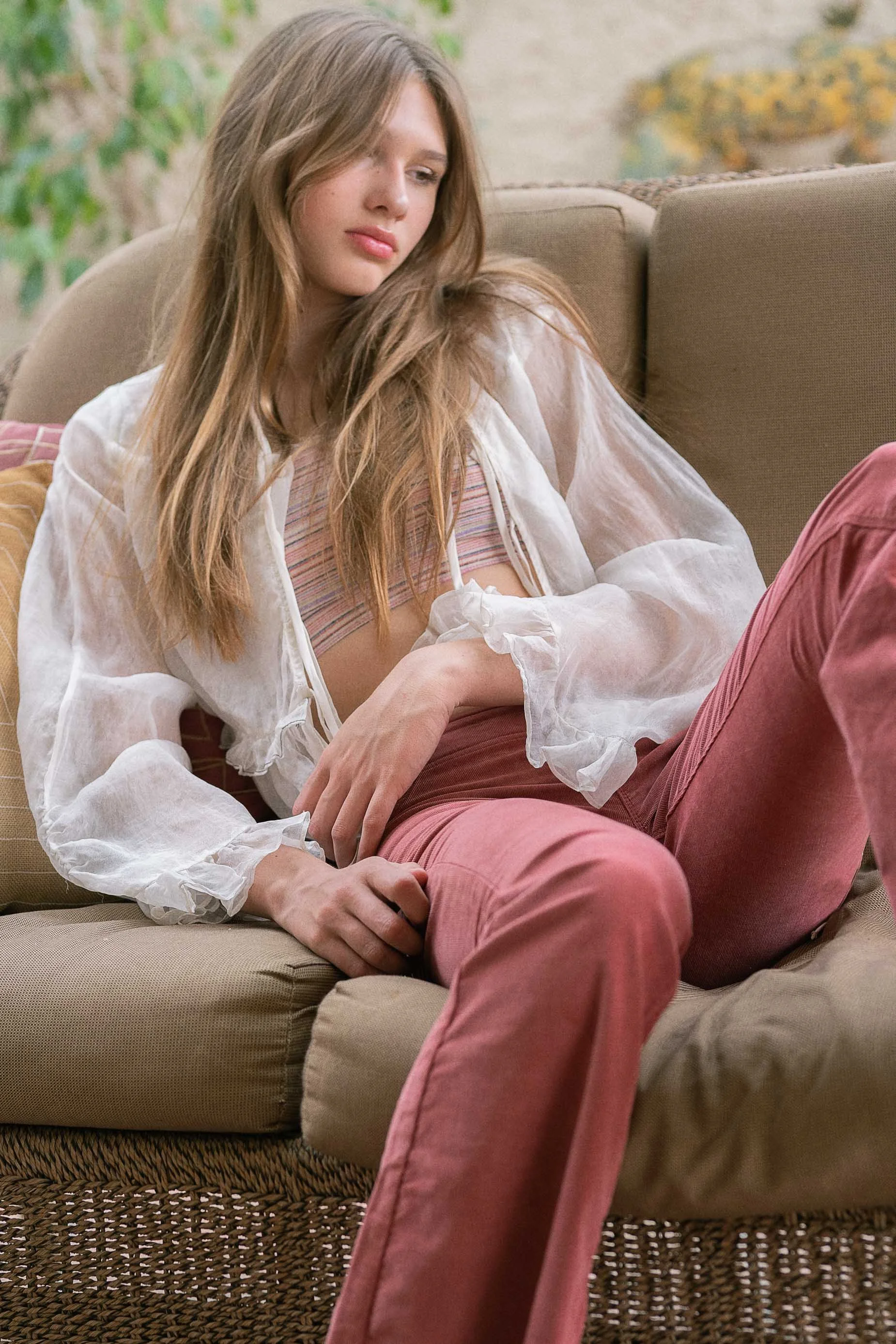
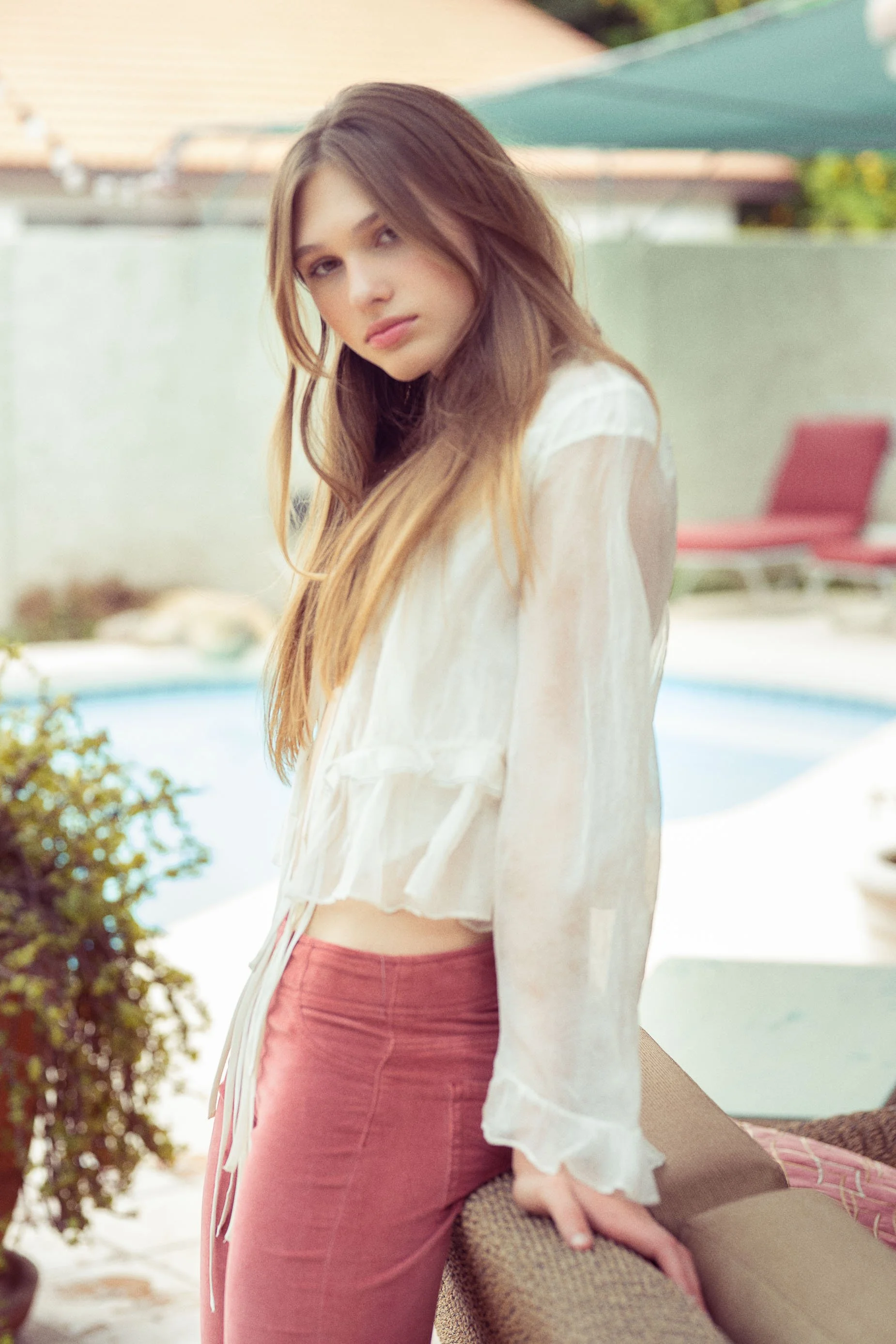
7. Create Your Modeling Portfolio!
There are several ways to present your modeling portfolio. One way is using a printed portfolio. A printed modeling portfolio book comes in handy since you will be meeting many people face to face.
A printed portfolio is tangible and allows the client or scout to peruse the work with you present. You can make a portfolio by printing images and adding them to a folder, but it doesn’t look as sleek and professional as a properly printed portfolio.
A printed modeling portfolio also shows you are serious about your modeling career.
8. Include Your Model Details
A modeling portfolio is like your resume. Don’t forget to include details such as modeling experience, hobbies, interests, work you are willing to do, and your information. Key information includes name, age, height, eye color, hair color, body measurements and sizes, distinguishing features (such as tattoos, birthmarks, etc.), and contact details.
9. Update Your Model Portfolio Regularly
As you age, it's important that you update your modeling portfolios with more recent photos and work experience. Updating your portfolio also shows clients and agencies that you are able to keep up with the latest trends.
You should also check your measurements regularly and make changes to your portfolio. You can also update or replace images when you get better shots or change hairstyles and other features.
How To Create A Modeling Portfolio Online
The internet is where much of the action is. While there will be face-to-face meetings now and then, chances are most clients and agencies will first look at your online portfolio.
Many top models prefer having a website as it offers an opportunity to show off other skills and qualities that may boost your modeling career. Alternatively, you can create an electronic version of your portfolio to send to potential clients online. So, how do you create a model portfolio online?
Many website builders have portfolio templates that you can select depending on the preferred layout. Once you choose a template, you can customize it to present your artistic vision and design of the portfolio. Drag and drop website builders are great if you are just starting, but if you are looking for something unique and more professional, you should hire a website designer.
Like the printed portfolio, ensure you only pick the best images for your website, with the most captivating being the most prominent. Having a website also offers an opportunity to add diverse media such as videos or other projects that you have worked on.
Don’t forget to add an “About Me” page with your vital information, and a contact section that employers and clients can easily reach out to you. You can also share links to your online modeling portfolio on your social media pages to reach more people.
Are you interested in taking high-quality images to build your professional modeling portfolio? Contact Michael Verity Photography for modeling portfolios, acting and business headshots, fashion editorial photography and kids portfolio styling in Portland.
Michael Verity is a former newspaper photojournalist who has created headshots and modeling portfolios in the Portland, OR and Vancouver, WA area since 2008. Working from his studio on 11 acres outside Vancouver, he has photographed more than 2,000 actors, models, creatives and business professionals and is recommended by Portland’s leading talent agencies.
HEADSHOTS

PORTFOLIOS

INSTA


